
What a barbell set gives you at home
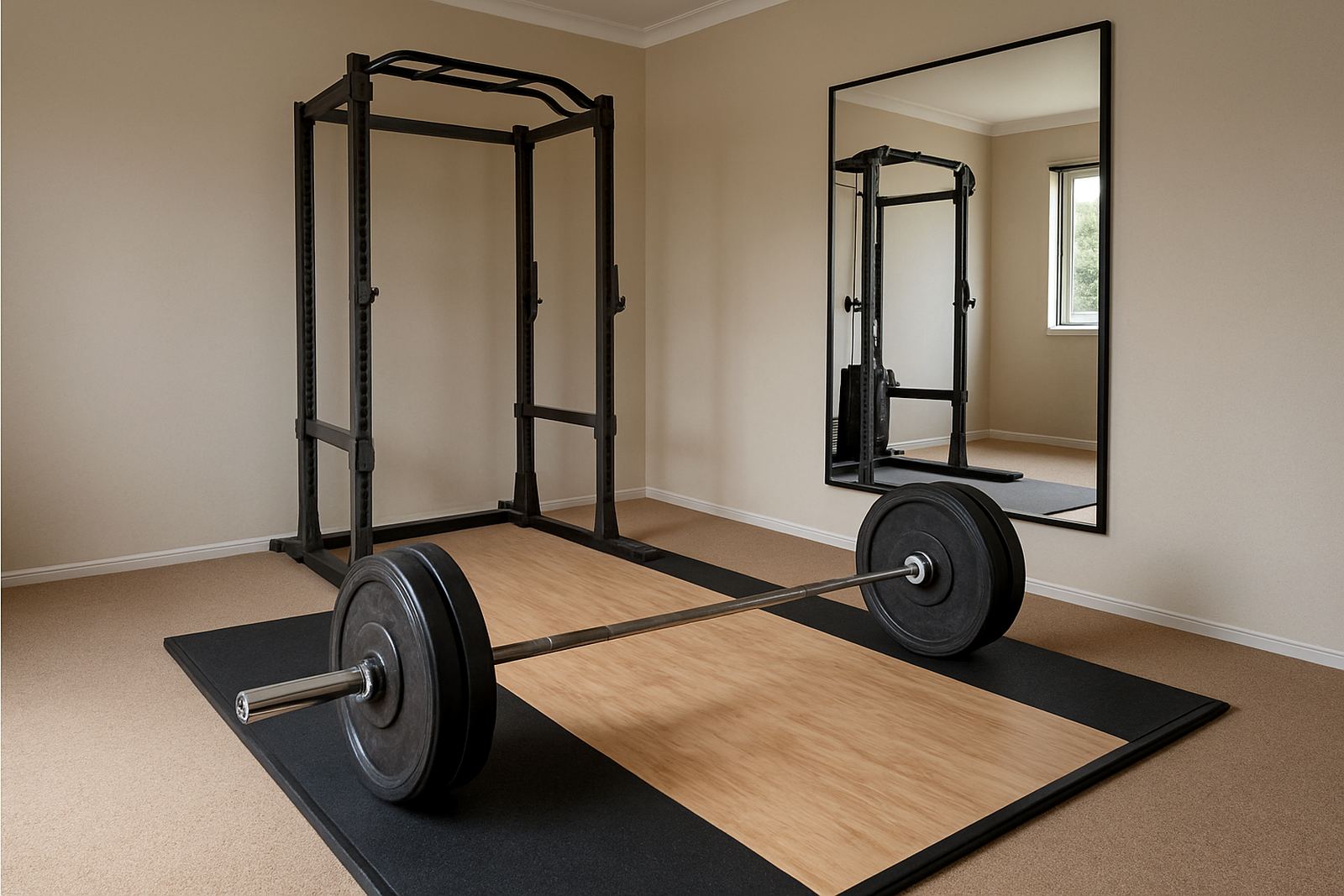
A barbell set is a simple training package built around a straight bar and a matched plate load. It is used for squat patterns, floor presses, deadlifts, rows, lunges and overhead pressing, so one purchase can carry a full strength routine without needing lots of separate machines. For many homes in Johannesburg, that matters when space is tight and load-shedding makes it worth training with equipment that does not rely on power.
Most sets include the bar, a pair of collars or clips, and plates that can be loaded according to your current level. That makes it suitable for progressive training at home, whether you are doing three sessions a week or working around family schedules and shared living space. The setup is also practical in coastal humidity is less of a concern in Gauteng, but wiping the bar after use still helps prevent surface wear.
Sizes, bar types and plate options
When choosing a barbell set, the first thing to check is the bar length, sleeve diameter and total load capacity. A standard home bar is often around 1.8 m to 2.2 m long, with plate sleeves that suit common plate holes. Some users prefer a shorter bar for smaller rooms while others want a full-length bar for squat stands or a rack. If you are training in a garage or spare room, measure the floor space and ceiling height before ordering.
Plate options usually range from lighter starter loads to heavier training combinations. Rubber-coated plates are easier on tiled floors and reduce noise, while cast plates are often more compact for the same mass. For apartments in Randburg or Roodepoort, noise control can matter more than total weight, so the quieter finish is often the better choice.
- Bar length: commonly 1.8 m, 2.0 m or 2.2 m
- Bar diameter: suited to standard grip comfort and plate compatibility
- Load range: starter sets to heavier training bundles
- Plate finish: cast or coated, depending on flooring and noise needs
- Collars: basic clips or locking collars for secure loading
Where it suits best in a home training space
This set suits home gyms, garage gyms, studio flats with enough clear floor space, and family training areas where more than one person wants to lift. In Fourways and Sandton, many clients want equipment that works for strength programmes, weight loss coaching and general conditioning without needing a full commercial layout. A barbell set does that well because it scales with the user: you can start light and add plates as strength improves.
It also works well alongside a squat stand, bench or lifting platform if you have space for a more structured setup. For households with teenagers or multiple adults using the same equipment, a barbell set is easy to share and easy to store. Just keep plates off damp concrete and do not leave the bar loaded overnight if the floor is uneven, as that can put unnecessary stress on the sleeves.
- Best for squats, deadlifts, bench press and overhead press
- Useful for strength programmes and general fitness routines
- Fits garages, spare rooms and dedicated home gym corners
- Good choice for shared family use when space is limited
Installation, floor space and power needs
A barbell set itself does not need power or gas, which makes it one of the easiest strength items to use during load-shedding or in homes where plug points are limited. You only need enough floor space to move safely, load plates and complete the lift without knocking walls, doors or furniture. A clear area of at least 2.5 m by 2.5 m is a practical starting point for most home users, though more space is better if you are using a bench or stand.
There is no fixed installation in the usual sense, but we do recommend checking the surface under the lift. A rubber mat, lifting tiles or a firm training platform can protect floors and reduce movement. In Pretoria East and Midrand, where many homes have tiled indoor spaces, this becomes important because plates can chip hard surfaces if they are dropped or set down carelessly. If you plan to use the set in a garage, make sure the floor is level and dry before the first session.
Care, servicing and how to keep the set working well
Barbell sets last well when they are cleaned and stored correctly. Wipe the bar after use, especially if you train with chalk or sweaty hands, and store plates in a dry place rather than directly on bare concrete. In a Johannesburg winter, overnight cold can bring light condensation so it is worth giving the metal a quick wipe before and after training. A little care now saves you trouble later.
Check the collars, sleeves and plate holes regularly. If the bar starts to feel rough in rotation or the sleeves rattle more than usual, it may need attention. Keeping plates sorted by size also helps with safe loading, because uneven loading can make lifts feel awkward and put strain on your setup. If your home gym is used by the whole family, assign one person to return plates and clips after each session, otherwise bits disappear fast.
- Wipe the bar after every session
- Store in a dry place off the floor where possible
- Check collars and sleeves for wear
- Keep plate pairs matched and organised
- Use mats or a platform to reduce floor damage
Key things to check before ordering your barbell set
Before ordering, confirm the bar length, plate sizes, total load, and whether the set suits your current training plan. If you are a beginner, you may want a smaller starter load with room to grow. If you already train hard, make sure the bar can handle your working weights and that the plate mix includes enough heavier discs for later progression. It is also worth checking if the set includes collars or whether those must be quoted separately.
Think about who will use it, how often it will be moved, and where it will be stored. A family in Fourways may want a quieter coated plate set for indoor use, while a lifter in Roodepoort with a garage space may prefer a heavier setup that can stay out on a rack. If you are planning a full home gym rather than a single item, our team can help with Equipment Onboarding, Home Gym Planning and a Starter Programme so the barbell fits into the rest of your training rather than sitting unused in the corner.
Our Johannesburg base in Fourways supports nationwide delivery, with local help available across Fourways, Sandton, Midrand, Randburg, Roodepoort and Pretoria East. If you need advice on choosing the right set for your space or training style, our team can help you compare options and order with confidence. The right barbell set should feel practical from day one, not overcomplicated.
Key facts
| Product type | Barbell and plate set for home strength training |
|---|---|
| Use case | Squats, deadlifts, presses, rows and compound lifts |
| Bar length options | Commonly 1.8 m, 2.0 m or 2.2 m |
| Plate options | Cast or coated plates in starter to heavier loads |
| Space required | About 2.5 m by 2.5 m minimum for safe use |
| Power or gas needed | None |