What an elliptical trainer does at home
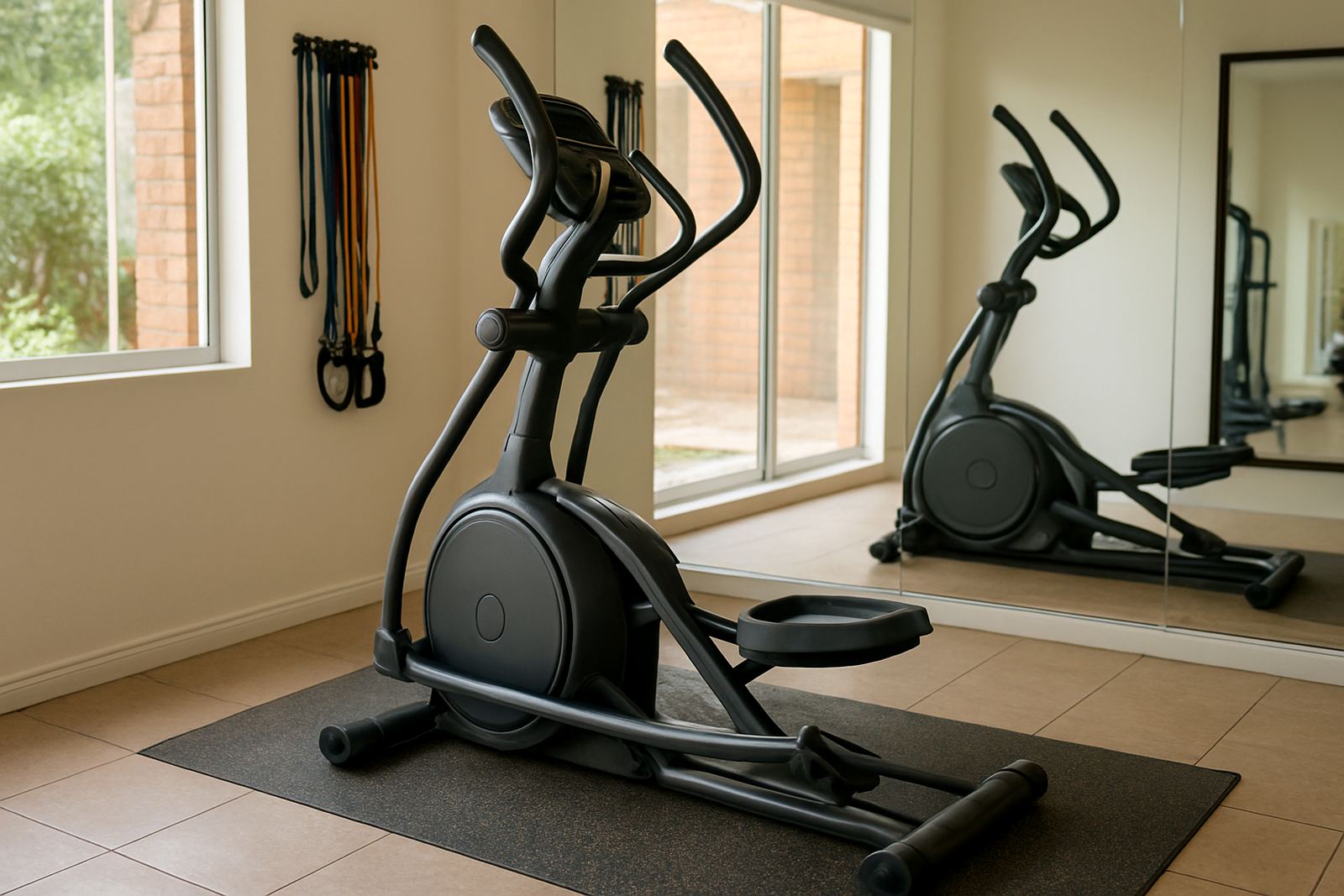
An elliptical trainer is a cardio machine that lets you move your legs and arms in one controlled motion, much like walking, climbing and gliding at the same time. Because both feet stay on the pedals, it puts less stress on your joints than many impact-heavy workouts, which makes it a solid option for daily use at home.
It suits people who want regular cardio without needing a lot of space or outdoor conditions. In Johannesburg heat, coastal humidity or a cold winter morning, you can keep your routine going indoors, even when load-shedding or rain changes your schedule.
Sizes, drive styles and what to expect
FitSmart ellipticals are chosen for home use, so the main focus is stability, stride length and ease of movement. When comparing options, look at flywheel feel, pedal spacing, weight capacity and how much room you have around the machine. A smoother stride usually feels better for longer sessions and for mixed family use.
- Compact home units for apartments, small rooms and garage gyms
- Mid-size trainers for regular cardio and weight loss work
- Heavier frames for users who want firmer footing and more stability
- Models with moving handlebars for upper-body involvement
- Models with fixed grips for a quieter, simpler training feel
As a general guide, allow about 1.8 to 2.2 metres in length and leave extra space behind the machine so you can step on and off safely. If your room is tight, measure the doorway too, because some units are awkward to turn in narrow passages.
Best fit for bedrooms, garages and family workout spaces
An elliptical trainer works well in a spare room, a covered patio or a garage gym, as long as the floor is level and the space can take the footprint. It is a good choice for households that want one machine for several fitness levels, since resistance can be kept light for beginners and increased for harder sessions.
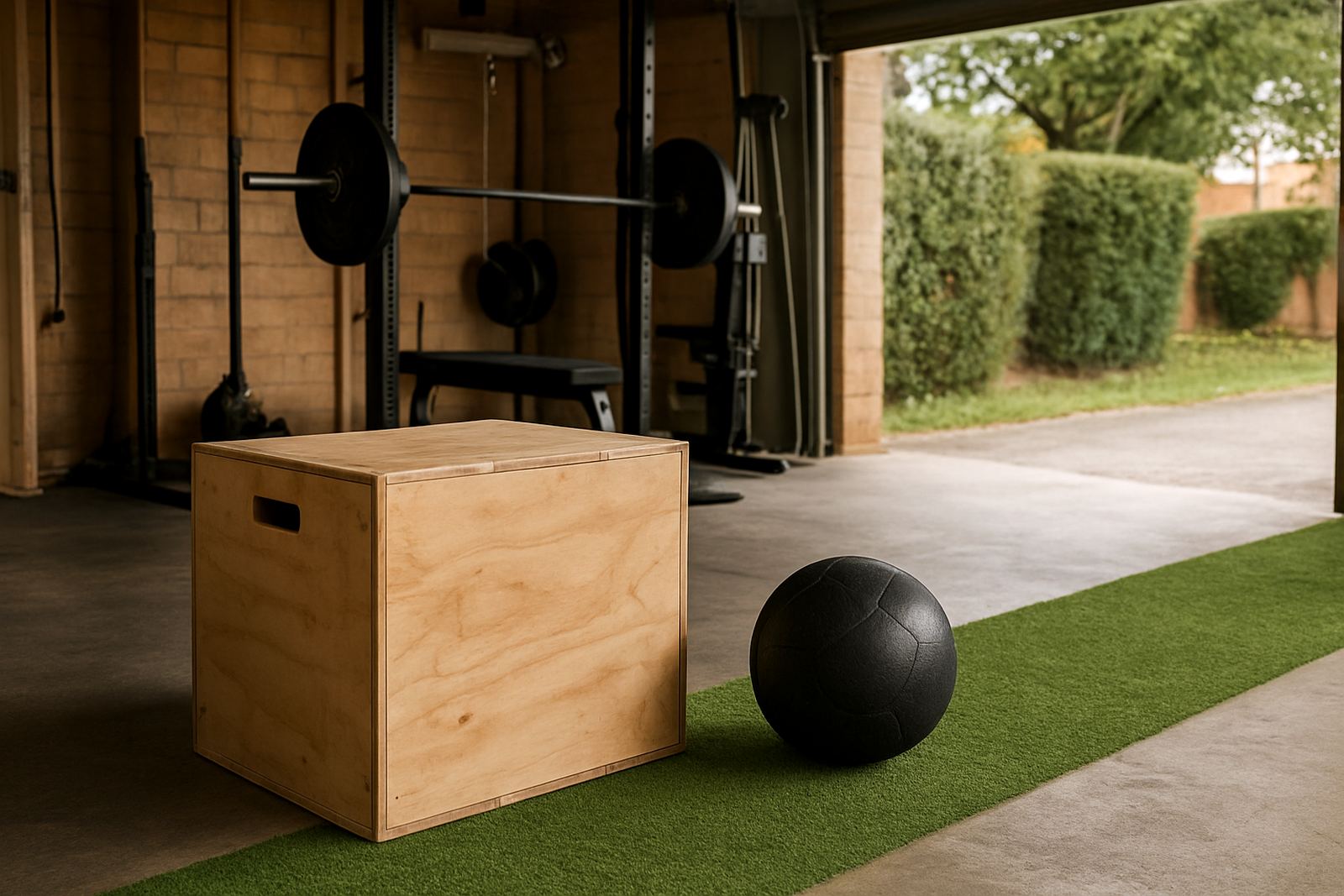
Many buyers in Fourways, Sandton and Randburg use ellipticals for early-morning cardio before work, while families in Midrand and Pretoria East often place them in shared training areas. If you are building a home gym from scratch, this type of machine can sit alongside a rack, mat space and a set of free weights without taking over the whole room.
- Good for low impact fat-loss sessions
- Useful for warm-ups before strength training
- Handy for recovery days when you still want movement
- Suitable for mixed-use homes where noise must stay low
Installation, power and what your room needs
Most elliptical trainers do not need gas and they are usually simple to place once delivered. Some units run on household power for the console, while others use batteries or a self-powered system. If you want workout tracking, heart-rate readouts or built-in training programs, check the power requirement before ordering so the display works as expected during load-shedding.
Allow a flat floor, a nearby plug if the console needs one, and enough airflow so you are not training in a cramped corner. For upstairs rooms, check the load capacity of the floor and keep the machine on a protective mat to reduce movement and mark damage. Michael Petersen in the FitSmart team can help with installation planning and placement questions when needed.
Care, servicing and keeping the motion smooth
Regular care keeps the stride quiet and steady. Wipe sweat off after each session, check pedals and handles for looseness, and make sure the machine stays level. If you live near the coast, wipe metal parts more often because salt air can affect fittings faster than it would inland.
Servicing usually involves basic bolt checks, belt inspection where applicable, lubrication on moving parts if the model calls for it, and general console testing. If the machine starts to creak, wobble or show uneven resistance, stop using it and have it checked before the issue gets worse. A small service now is cheaper than replacing worn parts later, and it helps the unit last longer in a busy home.
Before you order, check these details
Choosing the right elliptical is mostly about matching the machine to the room and the people who will use it. FitSmart can help with home gym planning, starter programmes and weight loss coaching, so you can pair the unit with a routine that makes sense for your target.
- User weight limit and who in the house will use it
- Stride length and whether it feels comfortable for taller users
- Console features such as time, distance, calories and pulse
- Resistance levels and how easy they are to change
- Assembly requirements and whether you want delivery setup help
- Doorway width, storage space and floor strength
If you are unsure, compare the machine to your current fitness level and the type of sessions you will actually do. Christo Brits can assist with sales questions, while Siyanda Ntanzi can help with after-sales support and tracker setup if your training plan includes connected monitoring.
Key facts
| Product type | Home elliptical trainer for low impact cardio |
|---|---|
| Use case | Walking style cardio, fat loss, warm-ups and recovery sessions |
| Space allowance | About 1.8 to 2.2 metres long, plus safe step-on space |
| Power needs | Console may use household power, batteries or self-powered operation depending on model |
| Best environment | Indoor use in homes, garages, covered patios and spare rooms |
| Support | Nationwide delivery from Fourways, Johannesburg with setup help available |