What a plyo box does in a home training setup
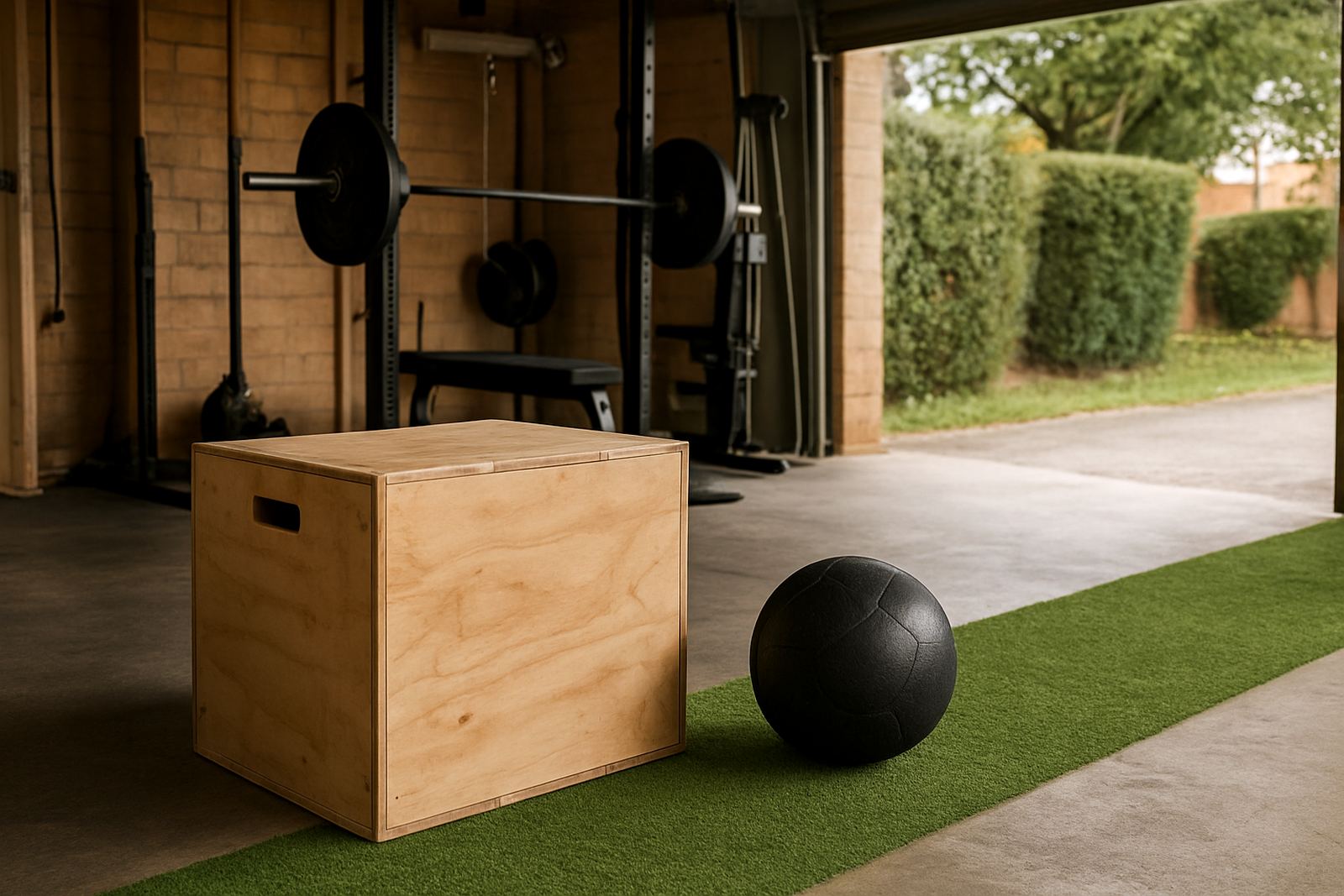
A plyo box is a solid training box used for box jumps, step-ups, incline push-ups, split squats and quick conditioning circuits. It is one of those pieces that looks simple but gets used often because it works for both speed and strength work. If you are building a home gym in Fourways, Sandton or even a compact apartment setup in Randburg, a good box gives you a stable target without taking up much floor space.
Our plyo box is made for repeat use on hard surfaces like tiled floors, sealed concrete and rubber gym flooring. It helps with power work, but it is also useful for lower-impact training when you want to keep movement controlled. Many people use it for warm ups too, especially if they are working around load-shedding and need a shorter training session that still covers legs, core and upper body.
- Box jumps for explosive leg training
- Step-ups for glutes, quads and balance
- Incline push-ups and elevated core drills
- Conditioning circuits with timed intervals
Sizes, build options and the feel underfoot
Choosing the right height matters more than most buyers think. A box that is too high can throw off your landing mechanics, while a box that is too low will not challenge you enough. For home use, common heights are 45 cm, 60 cm and 75 cm. The 60 cm size is often the most versatile for mixed training, while taller users or more advanced athletes may prefer 75 cm for jump work.
We recommend checking the top surface and edge finish before ordering. A box should have enough grip to reduce slipping, especially if you train in a humid area like coastal Gauteng conditions after summer rain, or if your hands and shoes pick up sweat during long sessions. The box should feel firm with no wobble, and the corners should be neat enough to avoid snagging shorts or shins.
- 45 cm: good for beginners, step-ups and rehab style work
- 60 cm: balanced option for most home training routines
- 75 cm: better for advanced jumps and power drills
- Flat top surface for stable foot placement
Where the plyo box fits best in Johannesburg homes and studios
This product suits garages, spare rooms, small fitness studios and covered patios where there is enough ceiling height for jumps and arm movement. In Fourways, Midrand and Pretoria East, many buyers want equipment that can be moved aside after training. A plyo box works well because it is compact, usually easy to shift by one person, and can double up for several exercises without needing extra attachments.
It is also a practical choice for family training. One box can be used by different age groups for step-ups, squats and balance drills, while more advanced users handle jumps and speed work. If your floor is uneven, place the box on a level rubber mat or a flat concrete section. That makes a bigger difference than people expect, especially for jump landings.
- Home garages and private training corners
- Small personal training studios
- Covered outdoor areas with dry storage
- School and sports conditioning rooms
Installation, power needs and space planning
A plyo box does not need installation in the electrical or gas sense. There are no power requirements, no plugs and no connections to arrange. What matters is placement, floor protection and enough clearance around the box. Leave at least 1.5 metres of open space on all sides for safe movement, and more if you are planning jump combinations or coaching drills with a spotter.
If you are setting up a home gym in a complex or upstairs room, check the floor loading and noise tolerance before use. Jumping creates impact, so rubber flooring or a thick mat is worth having. In shared residential spaces, it helps to keep sessions to reasonable hours because repeated landings can carry through walls and floors more than you might expect. A level surface also protects the box and keeps your reps consistent.
- No power or gas needed
- Use on a level, dry surface
- Allow 1.5 metres clearance around the box
- Add rubber flooring for noise and impact control
Care, cleaning and servicing over time
Care is straightforward, but it should not be ignored. Wipe the box after training to remove sweat, chalk dust and any moisture from shoes. If the outer finish gets wet, dry it properly before storage. In humid conditions or if you keep the box in a garage, make sure the unit is stored off damp floors and away from direct rain splash. That helps prevent swelling, surface wear and early loosening on stitched or wrapped edges.
Check the box regularly for soft spots, edge wear or movement at the joins if it is a multi-piece design. If you use it for heavier athletes or fast-paced classes, inspect it more often. A small wobble can turn into a bigger issue over time, so it is worth tightening or replacing parts early. Good servicing is mostly about staying ahead of wear, not waiting until the box is damaged.
- Wipe clean after each session
- Keep dry and off damp concrete
- Inspect edges and corners monthly
- Do not store outdoors in sun and rain
What to check before ordering your plyo box
Before ordering, measure the area where the box will sit and think through the type of training you plan to do. A beginner doing step-ups three times a week has different needs from an athlete using the box for interval jumps and conditioning. It is also worth checking whether you want one fixed height or a box that offers multiple height options. For many home users, a single mid-height box gives the best mix of variety and ease of use.
Also confirm the surface you will train on, because that affects grip and sound. If you are ordering for a family, a gym class or a PT studio, make sure the selected height suits the shortest and tallest users too. If you are based in Johannesburg, Fourways or nearby areas, our team can help with equipment onboarding, starter programmes and home gym planning so you choose the right size first time.
- Training goal: jumps, conditioning, step-ups or mixed use
- Height: 45 cm, 60 cm or 75 cm depending on ability
- Floor type: tile, concrete, rubber or matting
- Available space and ceiling clearance
- Who will use it and how often
Key facts
| Product type | Plyometric training box |
|---|---|
| Height options | 45 cm, 60 cm, 75 cm |
| Main uses | Box jumps, step-ups, conditioning, incline exercises |
| Recommended surface | Level concrete, rubber flooring or firm gym mat |
| Power or gas required | None |
| Typical use areas | Home gyms, garages, studios, covered training spaces |