What the Adjustable Bench does in a home gym
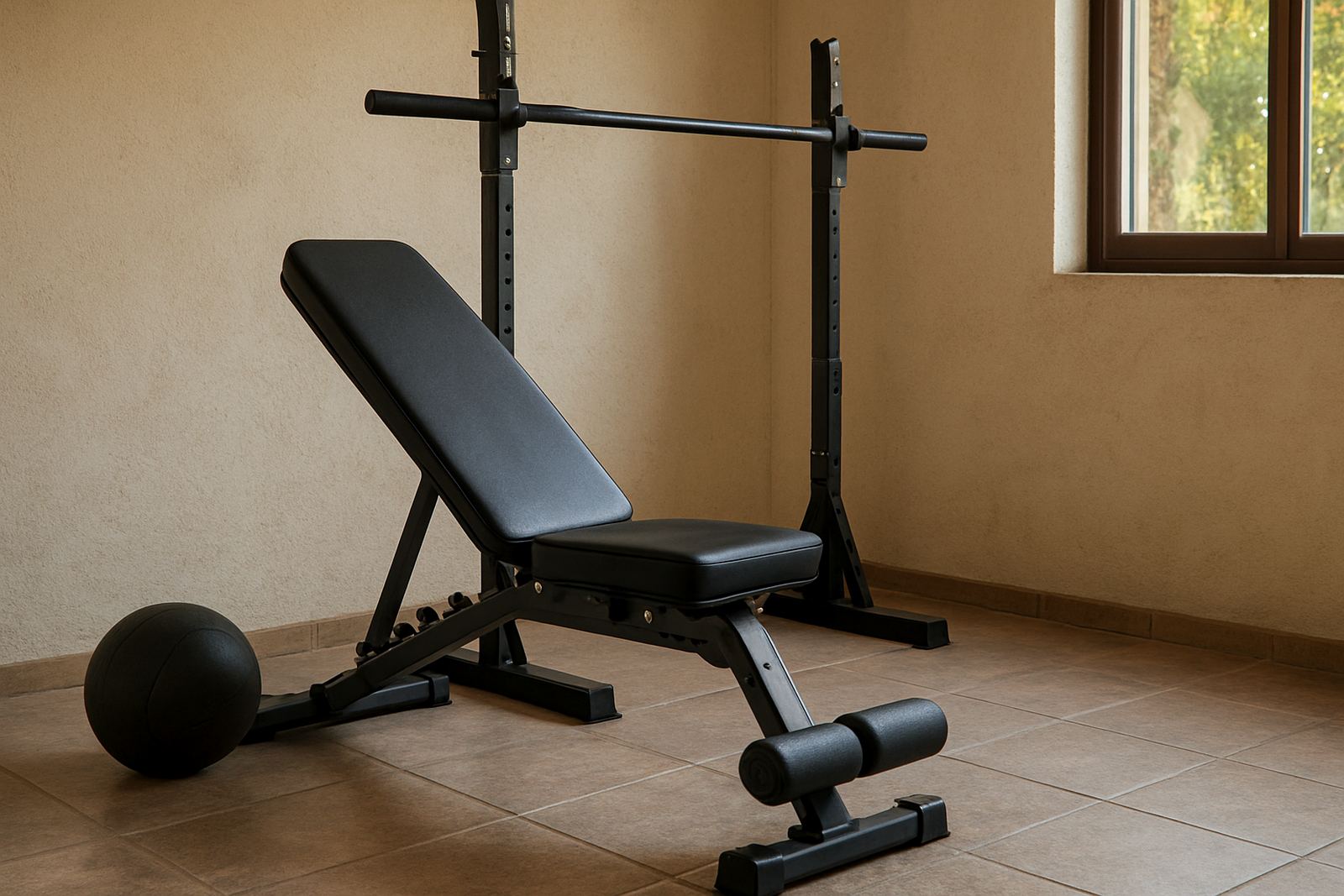
An adjustable bench is one of the most useful pieces of home training equipment because it lets you change the angle of your body for a wider range of exercises. Flat, incline and upright positions all serve different purposes, so one bench can support pressing, flyes, supported rows, shoulder work and core training without needing several separate stations.
For home users in Fourways, Sandton and surrounding areas, it is a practical choice when floor space is limited. It gives you a stable surface for dumbbell routines, bodyweight work and accessory lifts. If you are building a small setup in a garage, spare room or apartment gym, this is usually the first item that makes training feel organised rather than improvised.
The bench is suited to beginners and more experienced lifters alike. A starter can use it for simple chest press and abdominal work, while a more advanced user can set it to steeper angles for shoulder pressing or incline movements. It works well with a rack, adjustable dumbbells or cable attachments, depending on how you train.
Sizes, angles and build details to look for
When comparing benches, check the pad length, seat height, backrest range and overall weight rating. A good bench should feel steady when you sit down, shift position or press a pair of dumbbells overhead. If the frame rocks or the pad feels too narrow, the session becomes awkward very quickly.
- Backrest positions: flat, multiple incline settings and upright support for shoulder work
- Frame: steel construction with a powder coated finish for everyday home use
- Padding: medium firm foam that supports the back without sinking too much
- Surface: textured or vinyl covering for grip and easy wipe down cleaning
- Footprint: compact enough for spare rooms, garages and apartment training spaces
Most buyers want a bench that is easy to adjust but still locks firmly into place. For home use, quick pin or ladder style adjustments are common because they let you move between exercises without wasting time. If you do a mix of upper body and core work, multiple angle settings are worth prioritising over extra features you may never use.
On the numbers side, many home benches fall in the 25 kg to 40 kg range depending on the frame and padding. A stable bench should support regular training loads with no wobble at the joints. Always check the rated user and load capacity, especially if two dumbbells, a barbell or heavy bodyweight movements will be used, because a light bench can shift at the wrong time.
Best ways to use it in South African homes
This bench suits homes where the training space has to do double duty. In Gauteng, that often means a garage, covered patio or spare room that also needs to handle school bags, storage and daily movement. The adjustable format means you can train shoulders at one angle today and do a flatter chest session tomorrow without changing the rest of your setup.
It also works well if you are following a structured programme through the week. Chest and triceps, back and biceps, mobility work, and core sessions can all be done on the same bench. For households with more than one user, it is useful because each person can set a different angle for their height and exercise style.
- Upper body pressing with dumbbells or a barbell rack
- Supported rows and rear shoulder work
- Core training such as sit ups, dead bugs and weighted holds
- Stretching, mobility and recovery work after training
- Family sessions where adults and teenagers use the same unit
If you are in a coastal area, the bench should be kept under cover and wiped dry after sweaty sessions. Humidity and salty air can mark exposed metal over time, so storage matters just as much as the frame finish. In inland areas, dust from open garages is the main issue, so a simple cover helps keep the padding in good condition.
Installation, space and power requirements
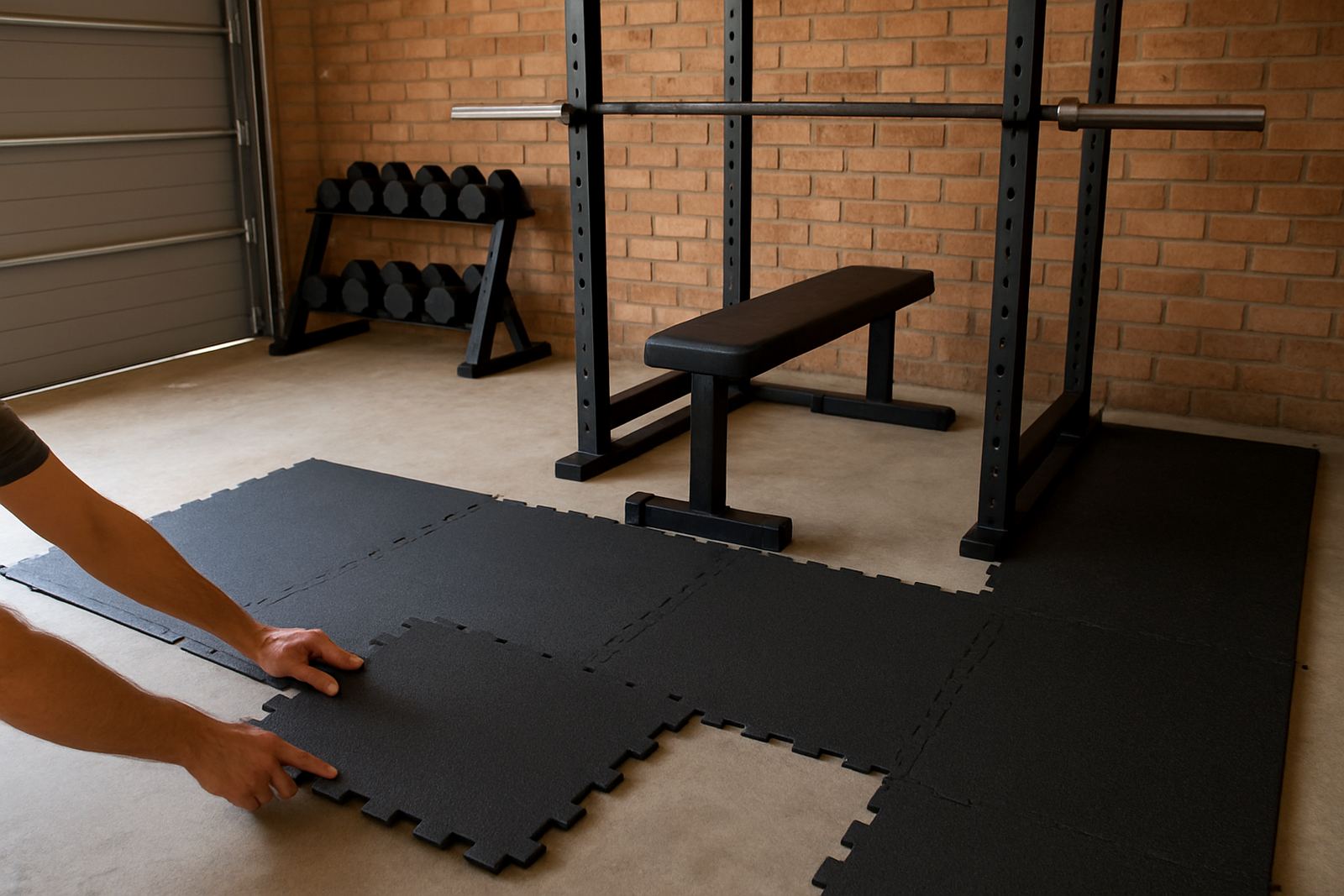
An adjustable bench does not need electricity or gas, which makes it easy to place in almost any room or outbuilding. What it does need is a flat surface and enough room for the user, the bench and the weights. If the floor is uneven or slippery, place it on rubber matting so it stays planted during pressing and seated work.
For most homes, allow space not only for the bench itself but also for the movement of your arms and weights. A compact bench can fit into a narrow training corner, but you still need clear access at both sides if you are using dumbbells. If the unit will sit in a garage, check that the door track, shelving and parked car do not interfere with the incline positions.
There are no wiring or plumbing needs, and that keeps setup straightforward. It is one of the reasons this product is so practical during load shedding or in homes where power cuts affect some equipment but not others. Your training can carry on regardless, which is useful when your schedule is already tight.
Care, cleaning and servicing over time
Routine care is simple. Wipe the pad after use with a soft damp cloth and a mild cleaner, then dry it properly so moisture does not sit on the seams. If you train often, dust and sweat build up around the adjustment points too, so a quick clean once or twice a week helps the bench move more smoothly.
Check the bolts, locking pins and hinge points regularly. If anything starts to loosen, tighten it before the next session. A bench used several times a week may need a basic service check every few months, especially if it is moved around or stored in a garage. That small bit of maintenance keeps it steady and reduces wear.
- Keep it indoors or under cover where possible
- Do not leave wet towels on the padding for long periods
- Inspect the frame after moving house or changing rooms
- Use floor protection if the unit sits on tiled or sealed concrete floors
With proper care, an adjustable bench should stay useful for a long time. The frame does the hard work, but the pad, hinges and fasteners need attention as well. A few minutes of upkeep saves frustration later and helps the bench feel solid every time you use it.
What to confirm before ordering your adjustable bench
Before ordering, confirm the dimensions, weight rating and adjustment range against your workout style. If you mostly train with dumbbells, you may want a bench with a narrower backrest and easy angle changes. If you do heavier pressing or more seated shoulder work, check that the upright setting feels secure and that your feet can stay flat on the floor.
Before ordering, check how the bench will get from the gate to the training area. In apartments, townhouse complexes and office parks, delivery may need lift access or security clearance. In suburban areas across Johannesburg, Pretoria East, Randburg and Roodepoort, access is usually simple, but it still helps to check gate width and storage space before the bench arrives.
When you order, look at the following details so there are no surprises:
- Bench length, width and folded or upright height if applicable
- Maximum user and training load rating
- Adjustment system and number of backrest angles
- Pad thickness and frame stability
- Delivery area and whether assembly support is needed
- Compatibility with your existing rack, dumbbells or training area
If you are setting up a full home gym, the adjustable bench is often matched with other core items like a rack, dumbbells or a tracker for your training progress. That combination keeps sessions structured, and it is usually the most practical way to build strength at home without wasting floor space.
Key facts
| Product type | Adjustable home training bench |
|---|---|
| Backrest settings | Flat, incline and upright positions |
| Frame material | Steel with protective coating |
| Padding | Firm foam with wipe clean covering |
| Typical footprint | Compact home gym size, room dependent |
| Power or gas needs | None |