
Protective flooring for everyday home training
Rubber floor tiles are made to take repeated foot traffic, dropped weights, and fast changes in movement without shifting around. They help reduce noise and vibration, which matters in Johannesburg complexes, upstairs rooms, and garage gyms where neighbours are close by. For homes with children or older family members, the added grip can also make the training area feel safer underfoot.
These tiles work well where you want a practical surface that is easier on joints than bare concrete or ceramic tile. They are a good fit for strength work, bodyweight sessions, indoor cycling corners, mobility training, and general conditioning. If you train early in the morning or during load-shedding, a well laid floor helps keep the space usable and tidy without needing power.
- Protects the floor beneath from scratches and dents
- Helps absorb impact from steps, jumps, and dropped plates
- Improves grip in sweaty training areas
- Reduces rattling and echo in garages and spare rooms
Tile sizes, thicknesses, and finish options
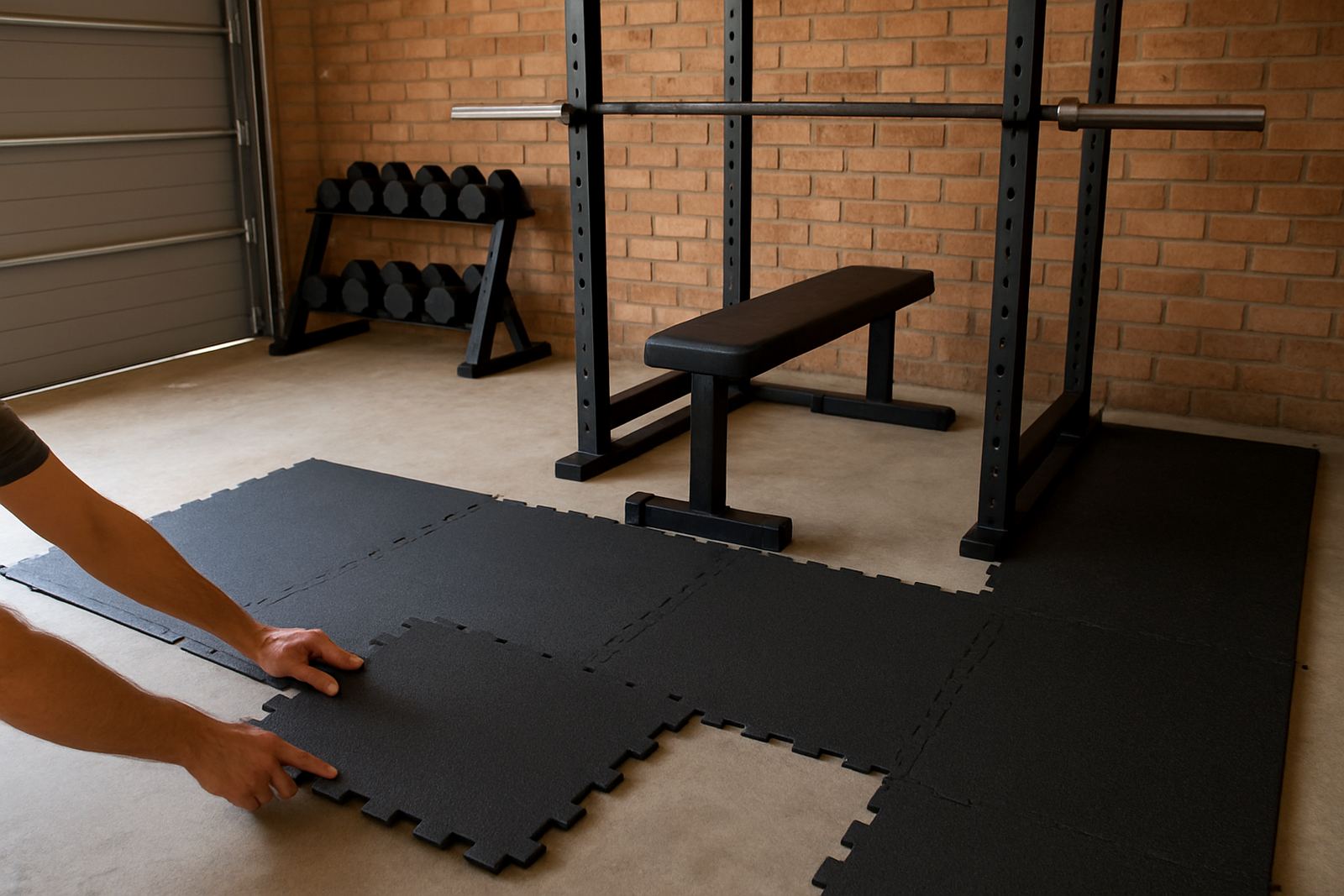
Most home gym tiles are supplied in interlocking square formats, commonly 500 mm x 500 mm, though larger tiles are also used in some spaces. Thickness usually starts around 8 mm for lighter use and goes up to 15 mm or 20 mm for heavier lifting areas. The thicker the tile, the more cushioning and sound reduction you get, but it also adds a bit more height at doors and thresholds.
Check whether you need a smooth finish for general exercise or a textured top for extra grip. Dark charcoal is common because it hides scuff marks well, but mixed fleck options can soften the look in family rooms. If you are building out a full gym in Fourways, Midrand, or Pretoria East, it helps to measure the room carefully so the cuts around pillars and corners stay neat.
- Square interlocking tiles for easy layout
- Typical sizes: 500 mm x 500 mm or similar modular formats
- Thickness options for light, medium, or heavier use
- Textured or smooth top surface depending on training style
Where rubber tiles suit best in your home
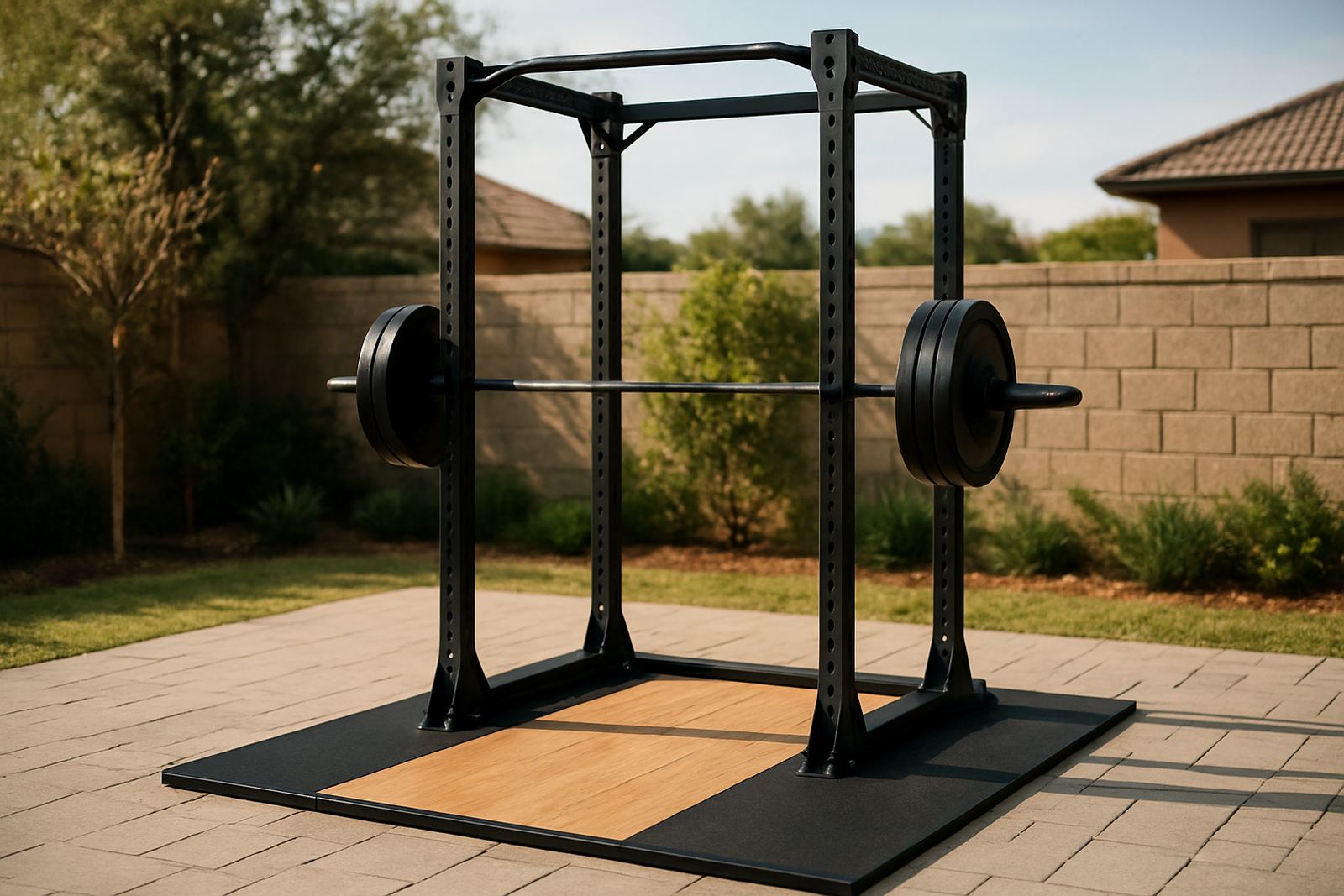
Rubber floor tiles suit garages, enclosed patios, spare rooms, and converted storage spaces where the floor needs protection and a more controlled training feel. They are particularly useful in homes with concrete slabs, because concrete can feel hard and cold in winter, and it can crack if equipment is dragged across it. In coastal areas, such as parts of Durban or the Cape, a rubber surface also handles humidity better than some softer coverings, provided the room is kept dry.
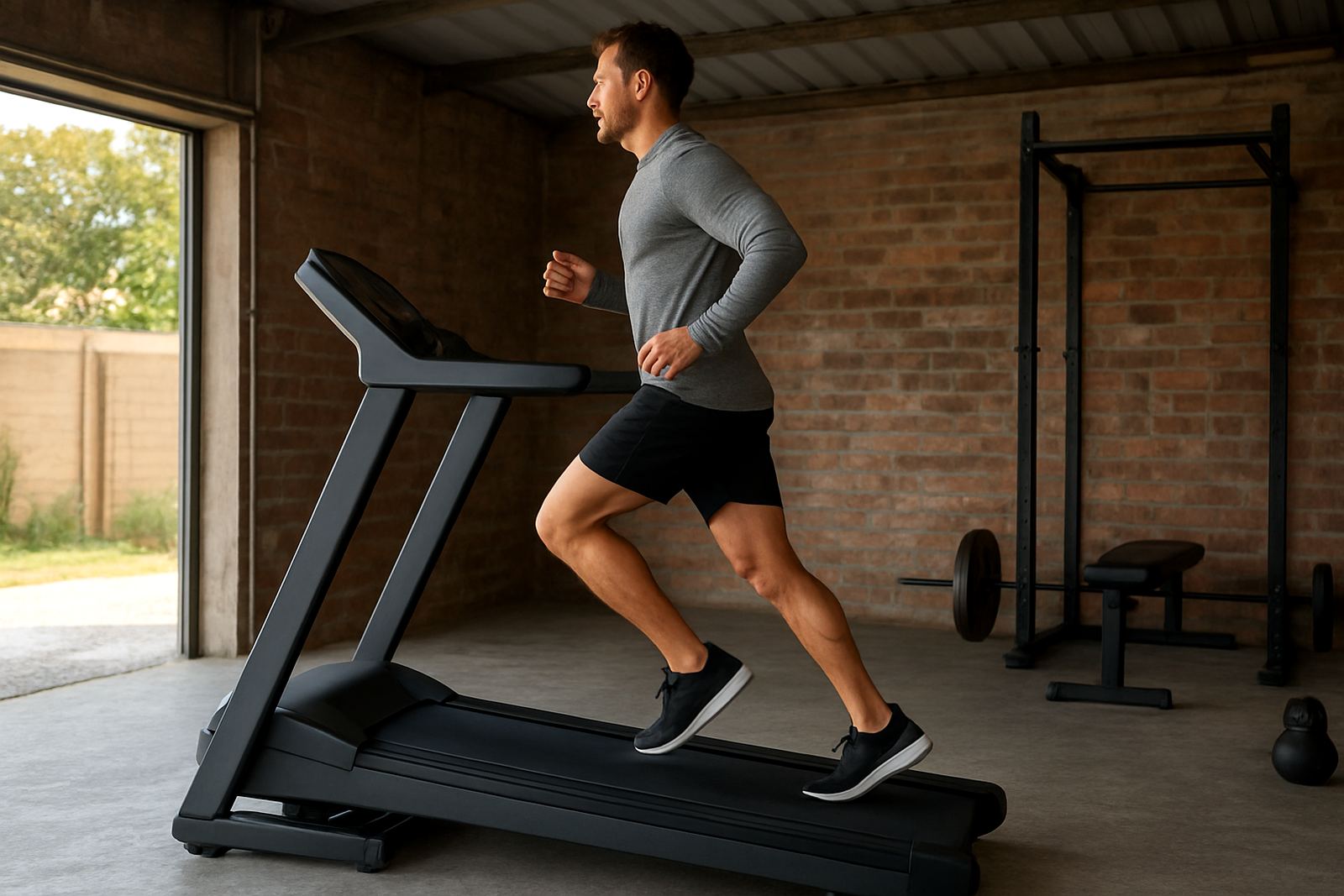
They are a sensible choice for a range of training styles. If your plan includes a treadmill, rower, exercise bike, kettlebells, dumbbells, or a compact multi-station setup, the tiles help define the workout zone. Families often use them in shared spaces because they are hard wearing but still comfortable enough for floor exercises and stretch sessions.
- Garage gyms with concrete floors
- Spare rooms used for weights or cardio
- Family training spaces and movement areas
- Home studios for mobility and floor work
Installation, edge detail, and room prep
Rubber tiles are usually installed on a clean, dry, level surface. In many home setups the tiles are simply laid and locked together, which makes them easier to remove or reconfigure later. If the room has a lot of movement or a tricky layout, edging strips or cut pieces may be needed along walls and doorways. A neat finish matters because it reduces trip points and keeps the room easier to sweep.
No gas is needed for this product, and there are no electrical requirements. That makes it a practical option during load-shedding, since the flooring itself does not depend on power. Before installation, check for damp coming through a slab or garage wall, especially in low-lying areas after heavy rain. If moisture is present, that should be sorted first or the floor may smell musty over time.
- Best laid on a clean, dry, level surface
- Interlocking fit supports quicker installation
- No power or gas needed
- Allow for door clearance and skirting height
Care, cleaning, and long-term servicing
Rubber floor tiles are easy to maintain with regular sweeping and a damp mop. Use a mild cleaner and avoid strong solvents, bleach-heavy mixes, or oily products that can leave the surface slick. In a garage, it helps to wipe up sweat, water, or chalk soon after training so the floor stays grippy and the tiles do not pick up grime along the seams.
For ongoing service, check the joins every so often and lift any tile that has moved out of line. If heavy equipment sits in one place for months, rotate it now and then to prevent compressed marks from becoming permanent. Rubber is durable, but it still benefits from sensible use. A little routine care goes a long way and keeps the training area looking tidy for longer.
- Sweep or vacuum regularly
- Clean with a damp mop and mild detergent
- Avoid harsh chemicals and excess water
- Check seams after moving equipment
What to check before you order
Before ordering, measure the full floor area in metres and note any columns, built-in cupboards, steps, or odd corners. Work out whether the tiles need to cover the whole room or just the training zone. If the space will hold weights, ask about thickness and shock absorption so the floor matches the load. A lighter bodyweight area may need a different spec to a room with dumbbells and a rack.
Also check the surface underneath. Paint, dust, cracks, and moisture can affect how well the tiles sit. If you are setting up in Fourways, Sandton, Randburg, Roodepoort, Midrand, or Pretoria East, it is worth thinking about delivery access too, especially if the property has stairs or limited parking. Confirm the number of packs needed, the colour, and whether you want spare tiles for future add-ons. It is easier to get that right first time than to chase a matching batch later.
- Measure length and width carefully in metres
- Confirm training type and likely equipment weight
- Check floor condition and moisture risk
- Order enough for cut-offs and future expansion
Key facts
| Product type | Interlocking rubber floor tiles for home gym use |
|---|---|
| Common tile size | 500 mm x 500 mm modular format |
| Thickness options | Approx. 8 mm, 15 mm, and 20 mm |
| Surface finish | Textured or smooth, depending on supply |
| Use areas | Garages, spare rooms, home studios, patios |
| Power or gas needs | None required |