
What an incline treadmill does for home training
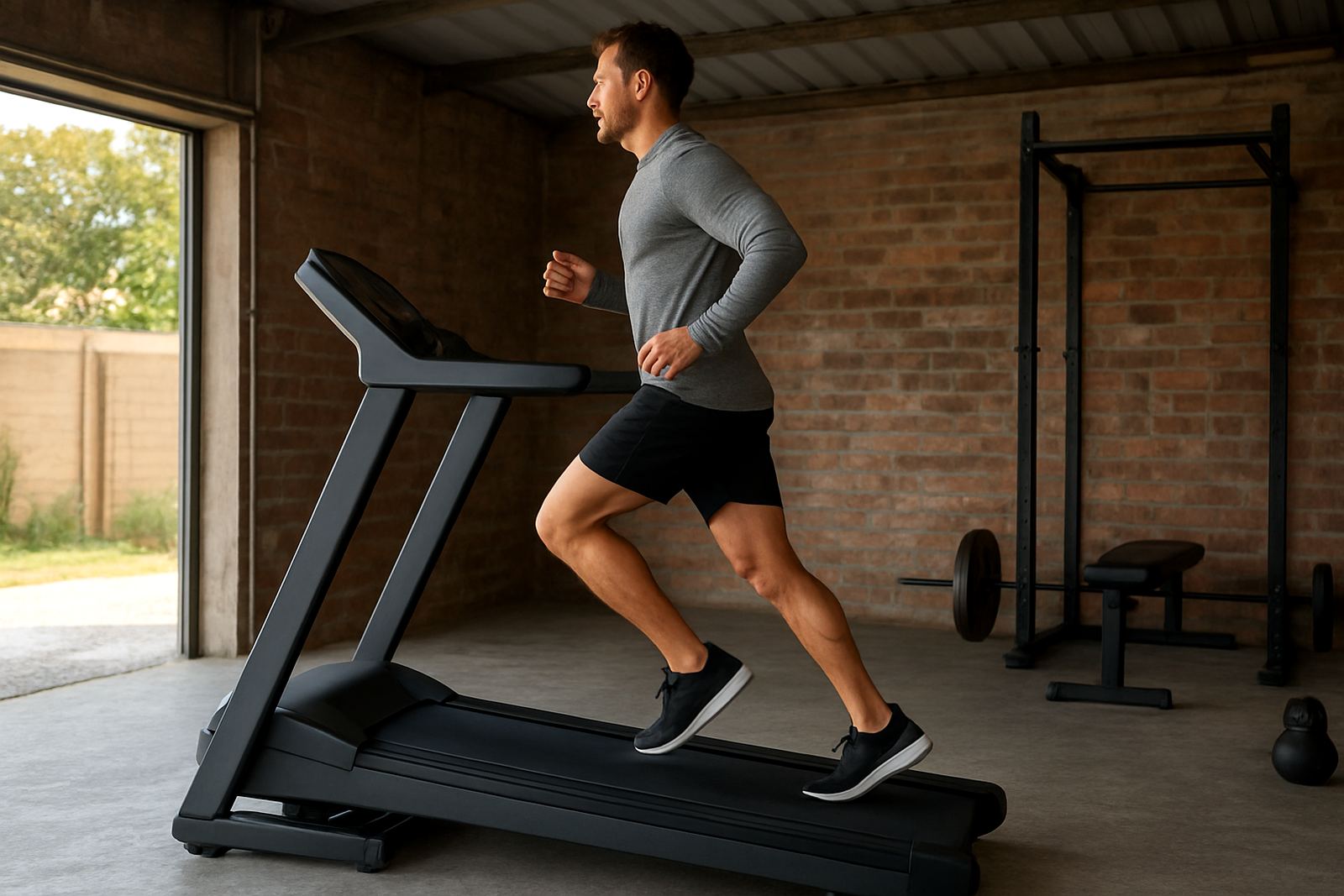
An incline treadmill changes the angle of the running deck so your workout feels more like a hill walk or hill run. That extra gradient increases effort without needing a higher speed, which is helpful if you want to build stamina, burn more calories, or reduce impact compared with constant fast running. For many Johannesburg households it also makes training easier to keep up during early mornings, load-shedding schedules, or rainy days when outdoor routes are not practical.
This type of machine suits users who want structured cardio at home, from beginners doing brisk walks to experienced runners doing intervals. It also works well for mixed family use because one person can walk at low incline while another trains at a tougher setting. The result is a machine that gets used often, not just when motivation is high.
Sizes, incline range and training features to compare
When choosing an incline treadmill, look at the running belt size, maximum user weight, motor size and incline range. A wider belt feels more comfortable for taller users and for longer strides, while a longer deck gives more confidence at jogging pace. Some models offer manual incline while others use motorised incline adjustment, which is easier to change during a workout.
- Running belt length: usually 120 cm to 140 cm for home use
- Running belt width: usually 42 cm to 52 cm
- Incline range: often 0 to 10 percent or 15 percent, depending on the model
- Motor size: commonly 1.5 HP to 3.0 HP for home training
- Speed range: ideal if it goes from a walking pace up to at least 12 km/h
- Display: time, speed, distance, calories, heart rate and incline level
If you plan to use the treadmill for walking and hill work only, a lighter motor may be enough. If you want daily family use or longer sessions, choose a sturdier frame and a stronger motor so it keeps its pace under regular wear.
Where it fits best in a Johannesburg home
An incline treadmill needs a stable, level surface and enough room to move safely around the machine. In Fourways, Sandton, Midrand and surrounding suburbs, many clients place it in a spare room, garage, covered patio or a dedicated training corner. If the area is damp or exposed to coastal humidity later on during transport or storage, keep the machine dry and covered when not in use.
You should allow space at the sides and behind the treadmill for safe stepping on and off, and for emergency stop clearance. A treadmill mat helps reduce vibration and protects tiles, laminate or cement floors. It also cuts down on dust getting into the underside of the frame, which is useful in garages and room with open doors.
- Best for flats, townhouses and homes with one dedicated training area
- Works well in a garage if the floor is flat and dry
- Needs clear headroom for taller users during incline use
- Should not be placed where direct rain, sun or standing water can reach it
Power needs and installation basics
Most incline treadmills run from a standard 220 to 240 volt household power point. It is best to plug the machine directly into a properly rated wall socket rather than an overloaded extension lead. If you use the treadmill during load-shedding, check whether your backup power system can handle the motor start-up load because some inverters struggle when the belt starts moving at incline. A qualified electrician should confirm if your circuit is suitable, especially where other heavy appliances share the line.
There is no gas requirement, only electrical power. Once the machine is assembled and levelled, test the belt at low speed first, then check the incline movement through its full range. If you are unsure about assembly, our team can help with equipment onboarding, home gym planning and installation coordination for Johannesburg and nationwide delivery areas.
How to care for the treadmill so it lasts longer
Regular care keeps the belt moving smoothly and helps the motor work less hard. Wipe sweat from the rails and console after each session, and vacuum around and under the frame to stop dust build-up. Check belt tension and alignment every few weeks, because a belt that drifts to one side can wear faster and feel rough underfoot. In busy homes, this simple check makes a noticeable difference.
Most treadmills need occasional lubrication under the running belt, depending on the deck type and usage. Follow the service interval in the manual, and do not apply oil too often because excess lubricant can attract dust. If you hear a new noise, feel slipping, or see an error on the display, stop using the machine and have it checked before the issue gets worse.
- Keep the machine dry and covered when not in use
- Use a surge protector where possible, especially during unstable power supply
- Wipe the console with a slightly damp cloth only
- Inspect bolts and handrails monthly on high-use units
- Book servicing sooner if the treadmill is used daily by more than one person
What to confirm before you order
Before you place an order, check the user weight limit, footprint, folded size if applicable, and whether the incline is manual or motorised. If the treadmill will be shared, choose a model with a wider belt and stronger frame. If you are training for weight loss, endurance or hill conditioning, a clear display and stable speed control are worth having because they make it easier to stick to a programme.
It also helps to confirm delivery access. Measure doorways, passages and stair widths, especially in older homes and complexes around Randburg, Roodepoort and Pretoria East. If you need help choosing between models, we can advise on starter programme use, cardio programme fit, and family fitness plans so the machine matches your routine rather than sitting unused. For support, send a message through our contact form and we will help you check the right options before ordering.
Key facts
| Product type | Home incline treadmill |
|---|---|
| Use case | Walking, jogging, hill training and endurance work |
| Power | 220 to 240 V household electricity |
| Motor | Approx. 1.5 HP to 3.0 HP depending on model |
| Incline | Manual or motorised, model dependent |
| User capacity | Typically 100 kg to 130 kg depending on model |