
What a power cage does in a home gym
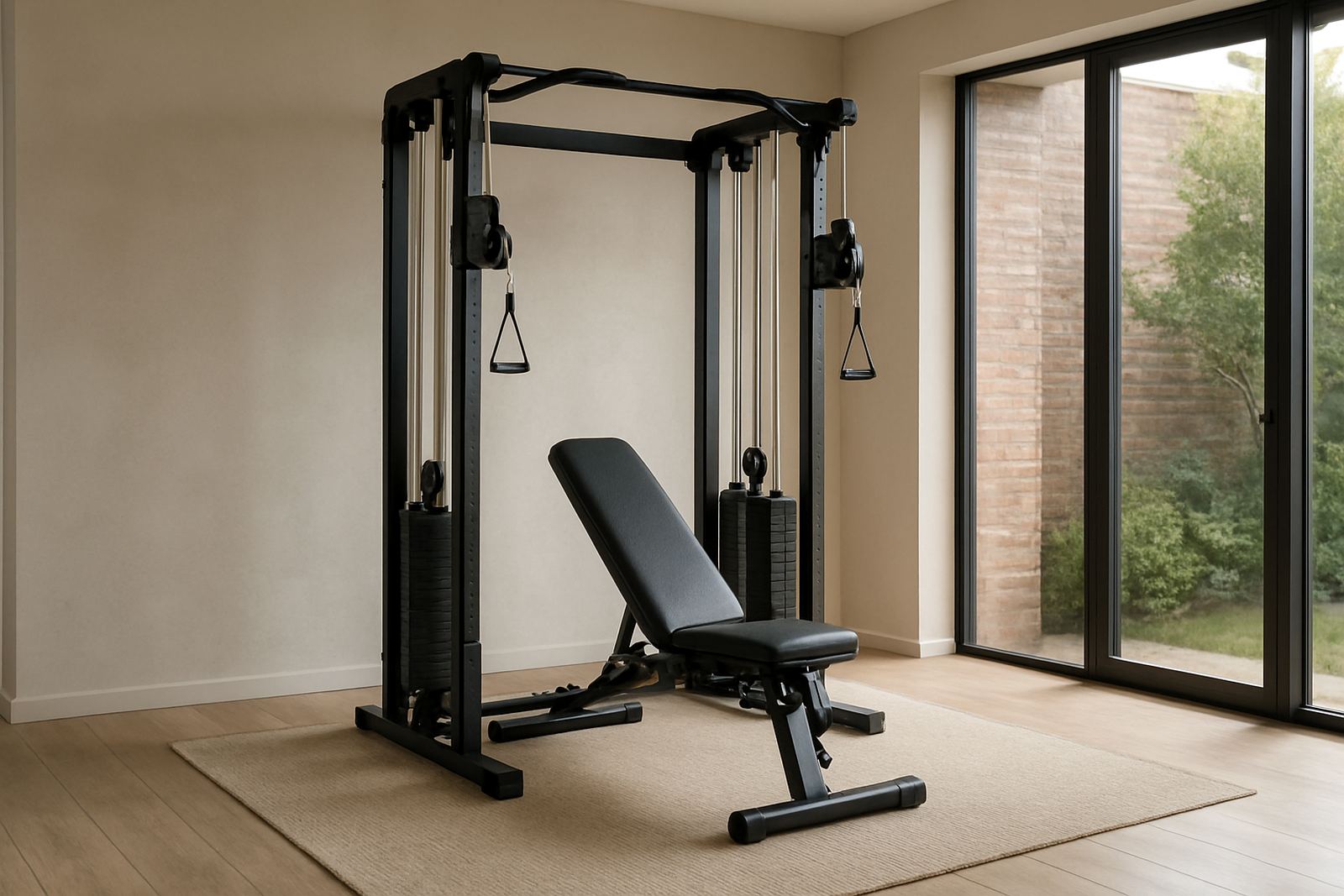
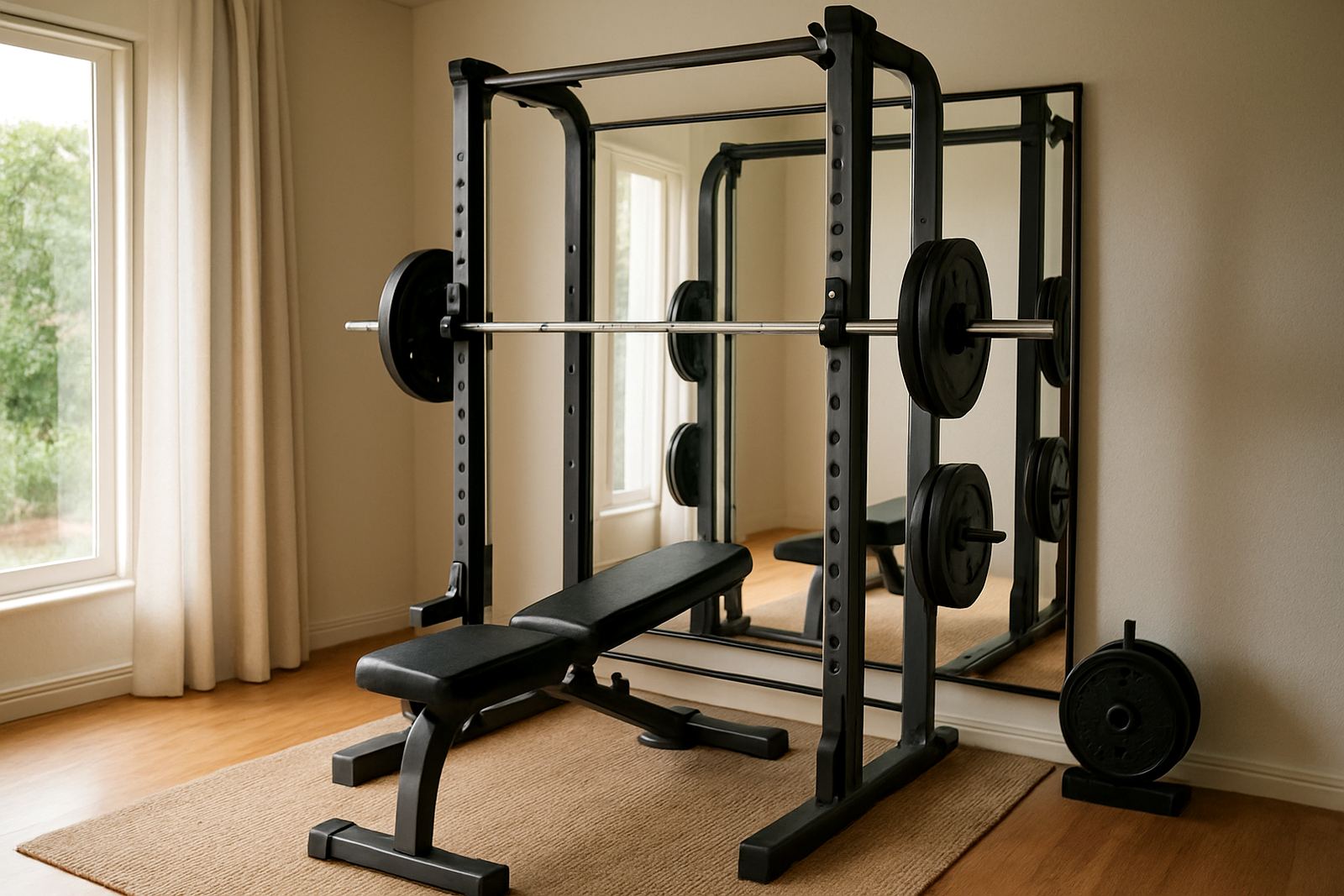
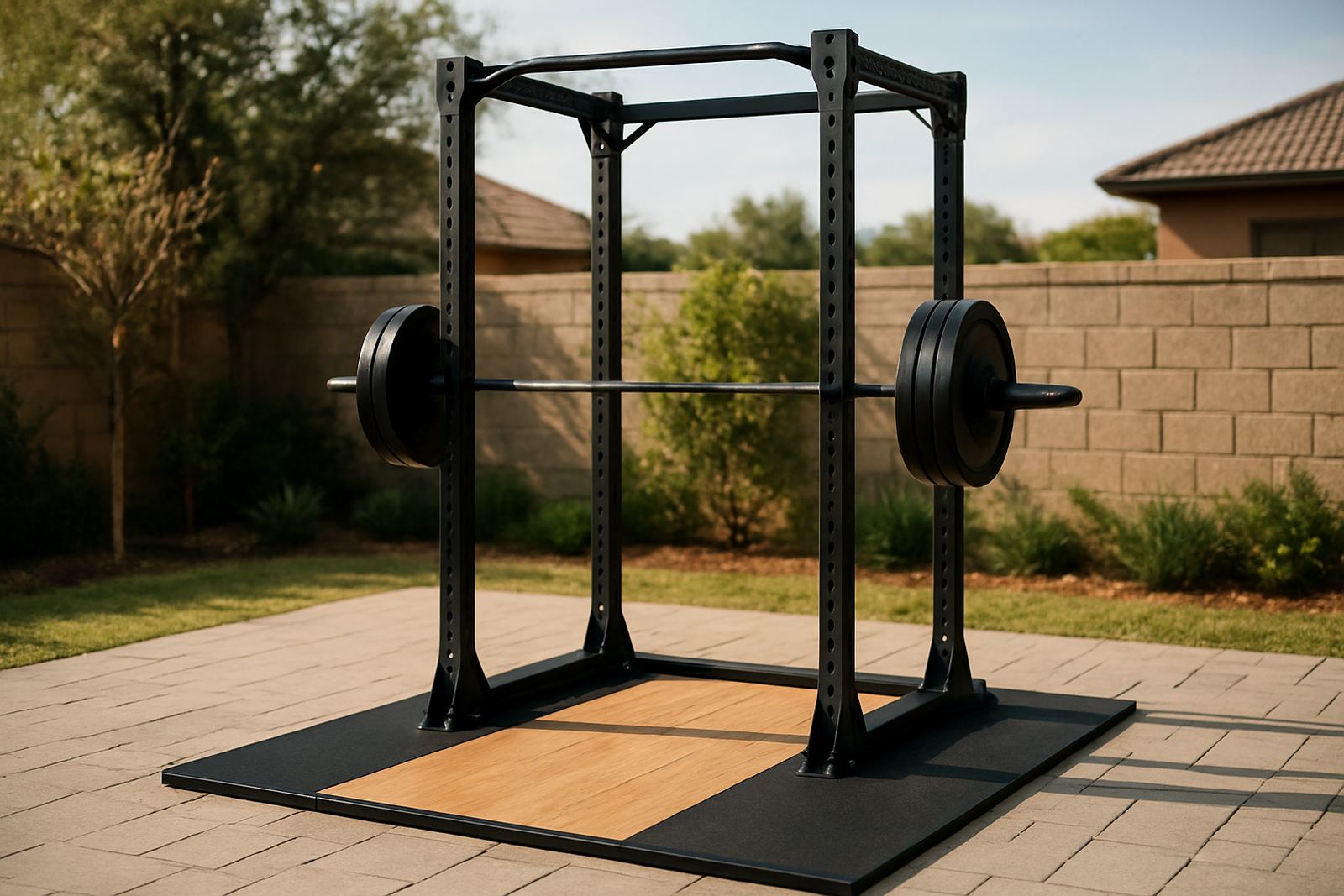
A power cage is a full steel frame with four uprights, safety bars and barbell hooks so you can train alone with more control. It gives you a defined lifting area for heavy compound work and helps reduce the risk that comes with free lifting without a spotter. For many home users in Johannesburg, Pretoria East and Sandton, it becomes the centre of the training space.
It suits lifters who want to squat, press and bench with consistent setup each time. If you are following a strength programme, weight loss coaching plan or a family fitness plan, the cage keeps sessions organised and practical. It also works well for garage gyms where the floor space must be used wisely, especially when load-shedding changes your training routine and you want to keep things simple.
- Supports barbell training with safety catches
- Can be used for squats, presses, rack pulls and pull-up work on some models
- Helps one person train more safely at home
- Useful for beginners and experienced lifters alike
Sizes, frame details and common options
Power cages come in different heights and widths to suit South African homes, garages and private training rooms. A standard full-size cage is often around 220 cm to 230 cm high, with a footprint near 120 cm by 120 cm, though compact versions are available for lower ceilings and tighter rooms. Check your ceiling height before ordering, especially in older houses, sectional garages or double-storey units.
Most cages are built from heavy steel uprights and include numbered hole spacing for easier bar placement. Some models include extra attachments such as dip handles, landmine units, weight plate storage pegs or pull-up bars. If you want a cleaner setup and less clutter, add-ons can make a big difference, but only if they suit the exercises you actually do.
- Common height range: 210 cm to 230 cm
- Common footprint: about 120 cm x 120 cm to 150 cm x 150 cm
- Upright steel thickness may vary by model
- Optional attachments can include pull-up bars, dip stations and plate storage
Where a power cage fits best in South African homes
This product works well in a garage, dedicated home gym, covered patio or spare room with enough ventilation. In coastal areas like Durban or parts of Cape Town, a cage should be kept dry and wiped down more often because moisture can mark bare metal and hardware. In Gauteng, dust from open garages can build up on the frame and moving parts, so a simple cleaning routine helps keep the setup looking tidy.
It is a good match for users who train three to five times a week and want a fixed station instead of moving equipment around. If your routine includes barbell work, progressive overload and short sessions before work or after load-shedding, a cage keeps everything ready in one place. It is less suitable if you need to pack all gear away daily, because this is a stationary piece of equipment.
- Best for garages, home gyms and enclosed training rooms
- Needs enough ceiling height for safe bar movement
- Works well where floor space can stay dedicated to training
- Not ideal if you need compact, fold-away storage every day
Installation, floor prep and power requirements
A power cage normally needs no power and no gas connection. Installation is mainly about correct assembly, level positioning and making sure the floor can handle the load. On tiled floors, rubber mats are useful to protect the surface and reduce movement. On concrete, you still need a level base so the frame stands square and the barbell hooks line up properly.
If the cage is being used for heavier lifting, anchoring may be recommended depending on the model and the room layout. Some customers choose to place it against a wall with enough clearance on all sides for loading plates and moving safely around the frame. If a pull-up bar is included, allow extra headroom so taller users do not hit the ceiling. We also suggest checking door widths and access routes before delivery, because some frames arrive in sections and need to fit through narrow gates or passages.
- No electrical power or gas required
- Flat, level floor is important for safe setup
- Rubber gym mats help protect tiles and concrete
- Check ceiling height, doorway width and turning space before delivery
Care and servicing for long-term use
Basic care keeps the cage safe and neat. Wipe the frame after use, check bolts now and then, and keep the safety bars and hooks free of dust and chalk build-up. In humid conditions or coastal air, a light protective wipe on exposed steel can help reduce surface marks. If the cage is used daily, a monthly hardware check is sensible, particularly where multiple people share the equipment.
Servicing is usually simple and involves checking for loose fittings, worn attachments and any movement in the frame. If you use bumper plates, iron plates or a barbell with aggressive knurling, the finish can show wear over time, that is normal. What matters is keeping the moving parts aligned and the frame stable. If anything feels off, stop and inspect before your next session.
- Wipe down after use to remove sweat and dust
- Check bolts, hooks and safety bars regularly
- Use a dry storage space where possible
- Keep plates organised so the frame does not get knocked during re-racks
What to check before you order
Before buying, check your ceiling height, training style and available floor space. Think about the exercises you do most, the weight you lift now and the space you need to step back safely. If you plan to add a bench, plates or a lat attachment later, it helps to choose a cage that already supports those accessories.
Also confirm how the unit will be delivered to your property in Fourways, Midrand, Randburg, Roodepoort or beyond. Some cages are heavy and may need two people for unpacking and assembly. If you are ordering for a home shared with family, make sure the footprint will not block walkways, garage access or storage space. A little planning now avoids headaches later, and saves you from buying the wrong size.
- Measure ceiling height and floor footprint first
- Confirm the maximum user weight and bar catch rating
- Check if attachments are included or sold separately
- Plan for delivery access and assembly space
Key facts
| Product type | Full frame power cage for home strength training |
|---|---|
| Typical dimensions | About 220 cm to 230 cm high, footprint varies by model |
| Frame material | Heavy steel construction |
| Use | Squats, bench press, shoulder press, rack pulls and more |
| Power or gas needs | None |
| Suitable areas | Garages, home gyms, covered patios and spare rooms |