
What a Functional Trainer Does in a Home Gym
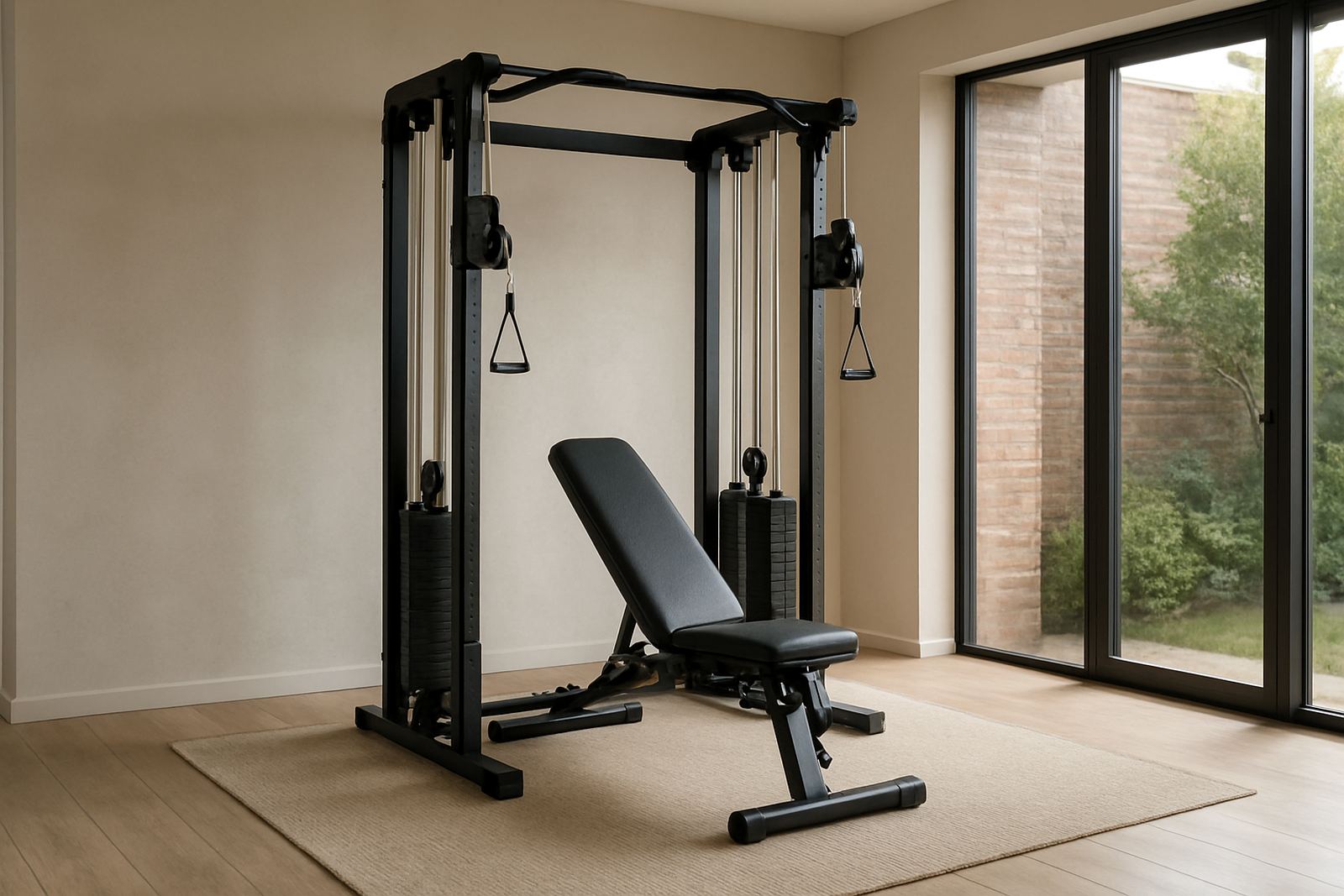
A functional trainer is a cable-based strength station with two adjustable pulleys, usually mounted on a frame or paired with a weight stack system. It lets you train in multiple directions instead of being locked into one path of movement, which is useful for sport work, general strength, and rehab style exercises. You can do chest presses, lat pulldowns, rows, woodchops, tricep pushdowns, bicep curls, face pulls and leg work with the right attachments.
For many homes in Johannesburg, Fourways, Sandton and Midrand, this is the one piece that turns a small gym room into a serious training space. It suits users who want a quieter setup than free weights alone, and it works well when the whole family shares the equipment. The movement is smoother than plate loaded machines, and that makes it easier to adjust form especially if you are recovering from a shoulder, back or knee issue.
- Suitable for strength, conditioning, mobility and rehab-led training
- Works for single arm and two arm exercises
- Good for beginners and advanced users alike
Sizes, Frame Options and Space Planning
Most functional trainers come in a few format choices. Compact home units are usually about 1300 mm to 1700 mm wide, 900 mm to 1200 mm deep, and 2100 mm to 2300 mm high. Larger dual-stack models can need more than 1800 mm in width and should be planned with enough room at the front and sides for full cable travel. If you are fitting one into a spare room or garage, allow extra clearance for stepping back from the handles and for changing attachments.
Some models use a single weight stack with a central crossover, while others use dual stacks for independent left and right loading. Dual-stack units are better if two people train together or if you want more balanced loading on each side. For apartments and townhouse garages, lower-noise options are worth considering because they are easier on neighbours, especially in complexes with shared walls.
- Check ceiling height before ordering, especially in converted garages
- Allow space for the user plus about 800 mm to 1000 mm working room in front
- Make sure the floor can handle the footprint and total unit weight
Best Rooms for a Functional Trainer in South African Homes
This product suits a range of home setups, from a dedicated gym room in Pretoria East to a double garage in Roodepoort or a spare room in Randburg. It is a strong choice where you want varied training without filling the house with several separate machines. Families often like it because one person can do shoulder rehab work while another does strength circuits, and the changeover is quick.
In coastal areas the main concern is moisture, so a powder coated frame and good rust care matter. In Gauteng, dust and general wear are usually the bigger issue. If your space is prone to load-shedding, a cable trainer still works fine because it does not depend on power, which is one less thing to think about when the lights go out.
We also see these units used in small studios, physiotherapy rooms and training spaces that need flexible movement patterns without a lot of clutter. That makes them a solid fit for users who want training to feel more organised and not just a pile of loose gear on the floor.
Installation, Anchoring and Power Requirements
Most functional trainers do not need gas or electrical supply. They are manual training systems, so once the frame is positioned and levelled, you are ready to go. Some larger units are freestanding and only need correct assembly, while others may benefit from wall bracing or floor anchoring depending on the model and the floor finish. If the machine is going onto tiles or epoxy coated concrete, the installer should check stability carefully.
For safe installation, the floor should be level, firm and able to take the point load from the frame and stacks. If your garage floor has cracks or uneven patches, get that checked before delivery. Installation time depends on the size of the unit, but it is usually quicker when access is clear and the area is already measured. Our team can help with onboarding and planning so you know where everything will sit before the machine arrives.
- No gas connection needed
- No plug point needed for standard models
- Level floor and proper clearance are important for safety
Care, Servicing and What Keeps It Running Well
A functional trainer needs regular basic care to stay smooth. Wipe the frame and handles after use, especially if the unit is in a warm room or a garage that gets a lot of dust. Check the cables for fraying, look at the pulley wheels, and make sure the guide rods or moving parts stay clean. A little silicone or manufacturer-approved lubrication on the right parts can help but do not overdo it.
In humid areas near the coast, look for early signs of surface rust around bolts and exposed metal. In Gauteng homes, the bigger issue is often dried sweat and dust build-up around the stack and attachment points. If the machine starts making a knocking sound or the cable travel feels uneven, stop and have it inspected rather than pushing through. Small faults are usually cheaper to sort out early.
- Wipe down after use to prevent sweat and grime build-up
- Inspect cables, pulleys and bolts every few weeks
- Keep the area dry and avoid storing water bottles directly on the frame
What To Check Before Ordering Your Functional Trainer
Before ordering, measure the full area twice and check where the machine will be delivered through. Some units arrive in large sections, so door width, passage width and stair access all matter. Also check whether you want standard handles only or a wider attachment set for rows, curls, ankle work and core exercises. If more than one person will train on it, dual adjustable arms can be a better choice than a fixed setup.
It is also worth confirming the weight resistance range, pulley adjustment positions and total product weight. A heavier frame is usually steadier, but it must still suit your floor and access. If you are planning home gym equipment around weight loss coaching, strength work or family fitness plans, the trainer should fit the type of sessions you actually do, not just look good in the room.
If you are unsure, ask for help with home gym planning before you commit. That saves time and avoids buying a unit that is too tall, too narrow or simply awkward for the space you have.
- Measure height, width, depth and doorway clearance
- Confirm the attachment range and resistance range
- Check delivery access for stairs, lifts or narrow gates
Key facts
| Type | Cable-based functional strength trainer |
|---|---|
| Use case | Pulls, presses, rotations, core work and rehab style movement |
| Typical footprint | From about 1300 mm x 900 mm for compact units |
| Typical height | About 2100 mm to 2300 mm, depending on model |
| Resistance | Weight stack or dual stack options, model dependent |
| Power and gas | No electrical power or gas required for standard use |