
A steady base for daily strength work
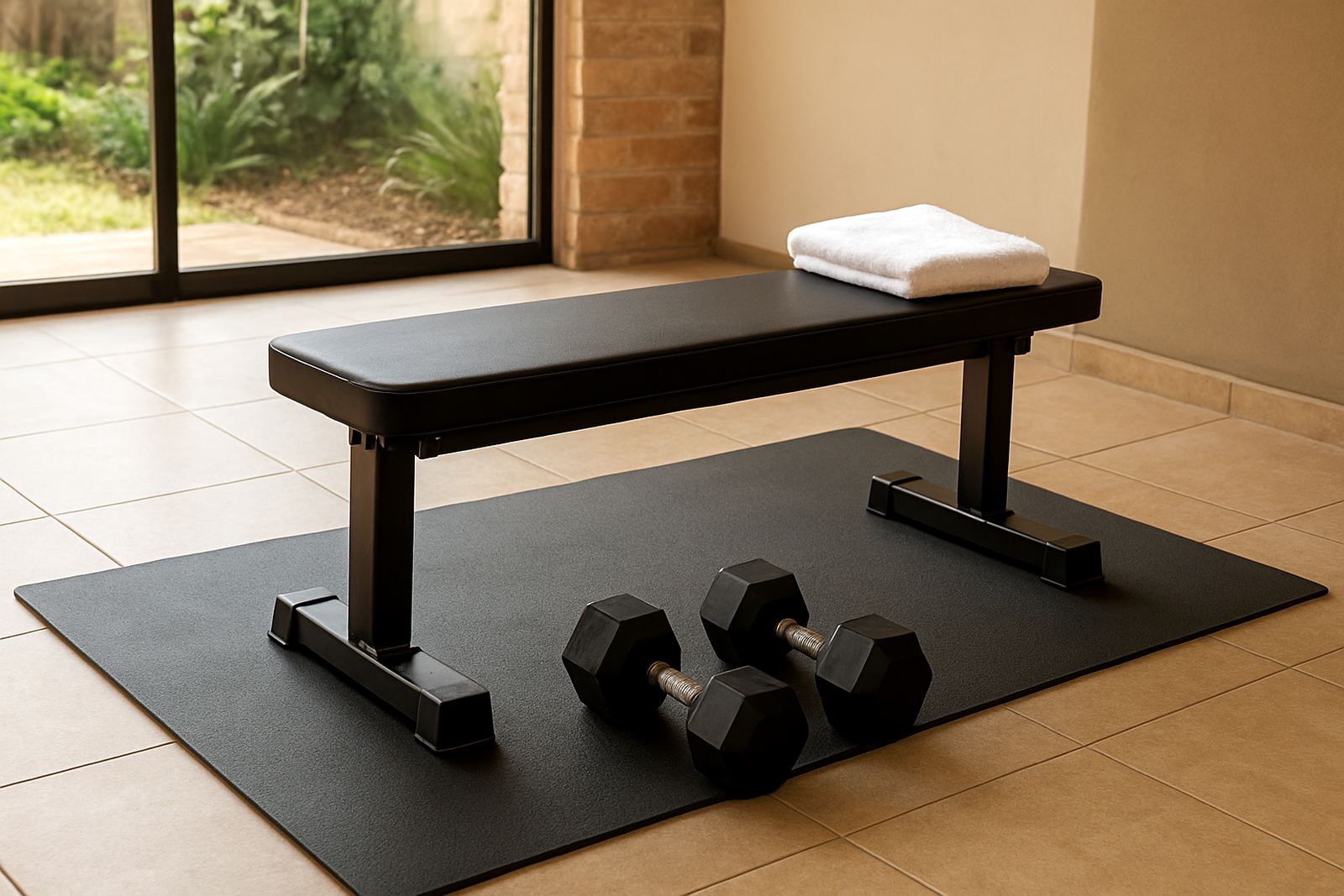
A flat bench is one of the most useful pieces of home training equipment because it stays simple. You use it for dumbbell press work, single arm rows, seated shoulder work, step ups and core movements, with no moving backrest or folded joints in the way. For many households in Johannesburg, Sandton and Midrand, that simplicity is exactly what helps training happen more often.
FitSmart flat benches are chosen for home use where space, stability and easy care matter. The bench sits low and level, so you can keep good foot placement and a clean setup for lifting. If you train early before work or late after load-shedding, you want something that is ready with no warm up, no power and no fuss.
Sizes, frame details and finish options
Most home flat benches are built to a practical size that fits into a room or garage without taking over the space. A typical bench is about 1100 to 1250 mm long, 300 to 320 mm wide and 420 to 450 mm high. That gives enough support for pressing while still leaving room to move around the rack, mats or dumbbells.
- Frame: powder coated steel for everyday home use
- Padding: medium density foam with a wipe clean cover
- Feet: non slip caps for tiled floors, concrete and epoxy surfaces
- Top surface: flat and level for pressing, rows and seated work
- Weight rating: usually 200 to 300 kg depending on the model
If you live near the coast, where humidity can be higher, it is worth checking the steel finish and keeping the bench dry after use. In inland areas like Fourways, Randburg and Pretoria East, dust and chalk build up more quickly, so the finish should be easy to wipe down.
Where a flat bench suits best
This bench suits anyone who wants a straightforward training base without complicated adjustments. It works well with dumbbells, barbells in a rack, resistance bands and bodyweight drills. For beginners, it is easy to learn on. For experienced lifters, it is useful for accessory work and controlled repetitions.
Homes and training areas that usually suit a flat bench include:
- Garage gyms with a rack and a pair of adjustable dumbbells
- Spare rooms where floor space must stay open
- Small apartment training corners with rubber flooring
- Family fitness areas where different users need a simple setup
If your goal is general strength, a flat bench is often enough on its own when combined with a rack, matting and a sensible programme. It also works for rehab style movement, mobility drills and low impact conditioning when you want a stable surface rather than a machine.
Installation, power needs and what to plan for
There is no electrical connection or gas requirement for a flat bench, so setup is usually straightforward. In most homes the bench arrives ready to place and use, though you should check that the floor is level and that there is enough clearance around it for safe pressing and racking the weights. A 1.5 m by 2.0 m area is a practical minimum for basic work, and more space helps if you use a barbell.
For installation planning, consider the floor type, ceiling height and any nearby storage. If the bench will sit on tiles, place a rubber mat underneath to reduce movement and protect the floor. In a garage, make sure the area stays dry during heavy rain and that the bench is not exposed to direct weather. If you are setting up in a family space, keep the bench clear of passage routes so children and pets do not trip over plates or dumbbells.
Our team can help with home gym planning and starter programme support, so you can match the bench with the rest of your equipment. That is useful if you are building a simple setup in Fourways, or sorting out a larger room in Pretoria East.
Care, cleaning and servicing over time
A flat bench needs very little upkeep, but regular care keeps it steady and clean. Wipe the pad after sessions, especially if you train with chalk or sweat heavily. Check the frame bolts every few weeks if the bench is moved often, and inspect the feet for wear on rough concrete or paving. A quick check now and then can prevent wobble before it becomes a problem.
- Wipe the padding with a soft cloth and mild cleaner
- Keep the bench dry after use in humid or coastal areas
- Store it under cover if the garage opens to the outside
- Check welds, bolts and feet during your normal equipment check
If the cover starts to split or the padding compresses unevenly, it may be time for servicing or replacement. A bench that feels unstable should not be used for heavy pressing until it has been inspected. That applies whether the bench is in a home gym in Midrand or a small training area in Roodepoort.
What to check before you order
Before ordering a flat bench, check the dimensions against your room size and your rack height if you plan to bench under a barbell. Make sure the bench height suits your leg length and pressing style. If you are shorter or taller than average, a few centimetres can make a noticeable difference to foot placement and comfort.
Also confirm the weight rating, frame thickness and padding density. A light frame might suit casual dumbbell use, but a heavier lifter will need more support. Ask whether the bench comes assembled or needs minor assembly, and check if any tools are included. If delivery is going to Sandton, Randburg or nationwide, confirm the packaging size so access through gates, staircases or narrow passages is not a problem.
Useful points to confirm before payment:
- Overall length, width and height
- Maximum user and load rating
- Frame finish and pad material
- Delivery time and access requirements
- Whether assembly is needed on arrival
- Compatibility with your rack, dumbbells and flooring
If you need help choosing the right bench for your training plan, our sales and support team can assist with product selection and home gym planning. That way you buy once and set up properly, instead of adjusting later.
Best fit for home pressing and rows
A flat bench is ideal when you want a reliable surface for regular strength work, without the extra parts that can wear out or rattle. It supports simple, effective training and fits well into a home routine that has to work around work, family and load-shedding. For many people, that makes it the easiest place to start and a bench they keep using for years.
Whether you are training in Fourways, Midrand, Pretoria East or anywhere else in South Africa, a good flat bench helps you keep your sessions practical. It is one of those pieces that earns its place quickly, because it gets used for far more than pressing alone, and it does not ask for much in return.
Key facts
| Product type | Flat strength bench |
|---|---|
| Typical length | 1100 to 1250 mm |
| Typical width | 300 to 320 mm |
| Typical height | 420 to 450 mm |
| Frame | Powder coated steel |
| Load rating | 200 to 300 kg depending on model |