
What bumper plates are and why they suit home training
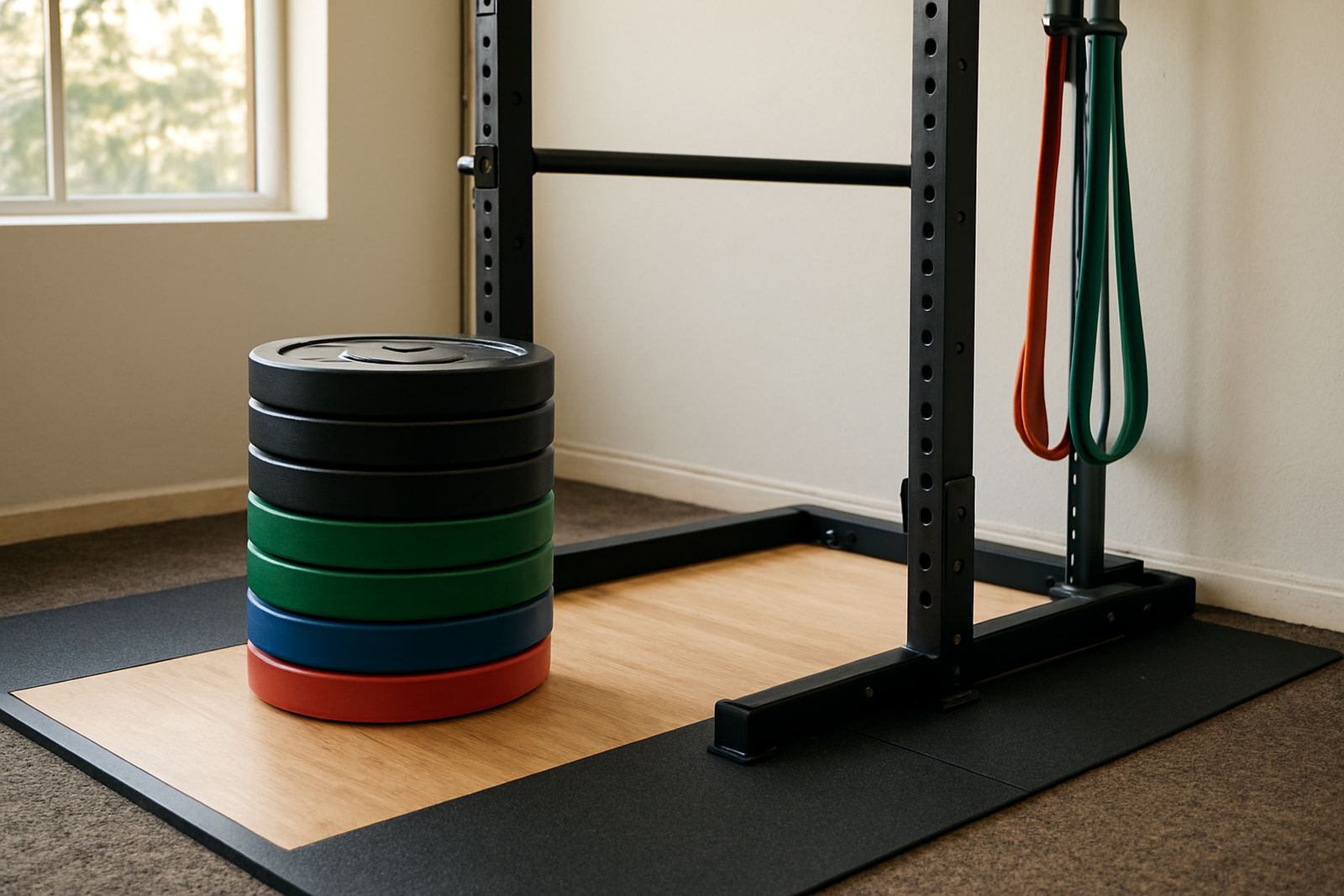
Bumper plates are weight plates with a thick rubber outer layer and a steel centre insert. They are designed to be loaded onto an Olympic barbell and dropped from controlled lifts without the hard impact you get from thinner cast iron plates. That makes them a practical choice for deadlifts, clean pulls, squats and general strength work where the bar may come down with force.
For home use, the main benefit is noise reduction and floor protection. In a garage in Fourways, a spare room in Randburg or a backyard gym in Pretoria East, the extra cushioning can help cut down on rattling, chipped tiles and cracked concrete. They are also easier to grip when moving plates around between sets, which helps if one person trains alone and needs to load and unload often.
FitSmart bumper plates are suited to lifters who want consistent training weight, whether they are just starting out or running a structured strength programme. They are a sensible fit for family gym spaces too, since the rubber finish is kinder on floors and less likely to leave marks.
Available sizes and plate pairings to check
Bumper plates are normally sold in standard pairings so you can build up your training load in a balanced way. The most common sizes are 5 kg, 10 kg, 15 kg, 20 kg and 25 kg. Some home users prefer a mixed set so they can warm up with lighter increments and still have enough total weight for squats and deadlifts.
When ordering, check that the full set matches your bar and your current training level. A starter setup for a garage gym often includes 5 kg, 10 kg and 15 kg pairs. Stronger lifters usually add 20 kg and 25 kg pairs for heavier work. If you are short on storage space, it can make sense to choose fewer larger plates rather than a wide mix of small ones.
- 5 kg plates for technique work and lighter accessories
- 10 kg plates for warm-ups and stepping up in smaller jumps
- 15 kg plates for general home strength sessions
- 20 kg and 25 kg plates for heavier squat and deadlift loads
- Matching pairs for even bar balance and safer lifting
Where bumper plates fit best in a Johannesburg home gym
These plates suit spaces where you want serious training without the noise and floor wear of harder iron plates. They work well in garages, lock-up training rooms, converted patios and small personal studios. In coastal areas they are also a good option because the rubber surface helps protect the metal insert from frequent handling, though you should still keep them dry and off damp floors.
If your training area uses rubber mats, a lifting platform or thick gym flooring, bumper plates sit well on top and are less likely to scuff the surface. They are a strong choice for anyone doing programmed training with deadlifts, barbell complexes, or home coaching sessions. For users in apartment complexes or shared homes, they can reduce impact noise, which is useful when you are training early mornings or after load-shedding changes your schedule.
They are not only for advanced athletes. Many first-time buyers choose bumper plates because they want one set that can support beginner work now and heavier work later, without replacing the full setup later on.
Installation, bar fit and what you do not need
Bumper plates do not require installation in the usual sense. They simply need a barbell with an Olympic-sized sleeve and enough clearance for the full loaded width. Before ordering, check that your bar takes 50 mm centre holes, since that is the standard fit for this type of plate. If your bar uses a smaller sleeve, these plates will not sit correctly.
No power supply or gas connection is needed. That makes them straightforward for home use, rental properties and outbuildings where you may not want extra equipment tied into the house services. All you need is a level floor, enough space to load the bar safely, and storage that keeps the plates from rolling or standing in damp corners.
- Confirm Olympic bar compatibility before ordering
- Measure the available sleeve space on your barbell
- Allow room for loading, unloading and walking the bar out
- Use mats or a platform for better floor protection
- Keep storage low and stable to prevent tipping
Care, cleaning and longer life in South African conditions
With normal home use, bumper plates need only basic care. Wipe them down with a damp cloth after training to remove sweat, dust and floor grime. If the plates are stored in a garage or near an open door, a quick clean helps limit the build-up of dirt on the rubber surface and around the steel insert.
Avoid leaving them in standing water or direct sun for long periods. In humid weather, especially in parts of Gauteng after summer rain, moisture can sit in corners and around storage racks. That can affect both the plate finish and the bar sleeves if you are not careful. Keep them off bare ground, and dont drag them across rough concrete because that can mark the outer layer over time.
If a plate starts to smell strongly after cleaning, use a mild soap and water mix rather than harsher chemicals. Check the inserts now and then for movement, cracking or any loose fit on the bar. Regular attention goes a long way when the plates are used most days of the week.
Key things to check before ordering your barbell set
Before you buy, work through the details that affect daily use. The right choice depends on the bar you have, the weights you already own and how much room you have to store everything. If you train deadlifts often, it can help to choose a set with enough total load for your current working weight plus a little extra for progress.
Also consider who will use the equipment. A family gym may need lighter plates for shared sessions, while a focused strength setup may call for heavier pairs and a rack or stand nearby. If you are building a compact garage gym in Midrand or Roodepoort, storage height and wall clearance matter as much as the plate size. Delivery anywhere in South Africa is also worth confirming up front, especially if you are timing other equipment to arrive together.
- Barbell sleeve size and full compatibility
- Total training weight you need for the next 6 to 12 months
- Available floor space and storage space
- Whether you need lighter pairs for technique work
- Condition of your flooring and whether mats are in place
- Delivery timing to your area and access for offloading
Key facts
| Type | Bumper plates for Olympic barbells |
|---|---|
| Common sizes | 5 kg, 10 kg, 15 kg, 20 kg, 25 kg |
| Centre hole | 50 mm Olympic fit |
| Use case | Deadlifts, squats, pulling work, home gym training |
| Finish | Rubber outer layer with steel centre insert |
| Best for | Garage gyms, home setups, coached strength programmes |