
Why resistance bands work for everyday training
Resistance bands are elastic training tools used for mobility, activation and strength work. They add tension through the movement, which makes them useful for glutes, shoulders, hips, arms and core training without needing a full rack or heavy plates. In a flat in Sandton, a townhouse in Midrand or a spare room in Pretoria East, they take very little space and can be used before a run, after weights or as a full session on their own.
They are also handy for people who travel between home, office and gym. A band set can fit into a small bag, which is helpful if you train early, share a room or need a simple option during power cuts. The key is to choose the right resistance level and width for your training goal, not just the heaviest one.
- Useful for warm-ups, rehab-style movement and low-impact strength work
- Easy to store in a drawer, cupboard or kit bag
- Works well for home users with limited floor space
- Good for controlled repetitions and steady progress
Band types, sizes and resistance options
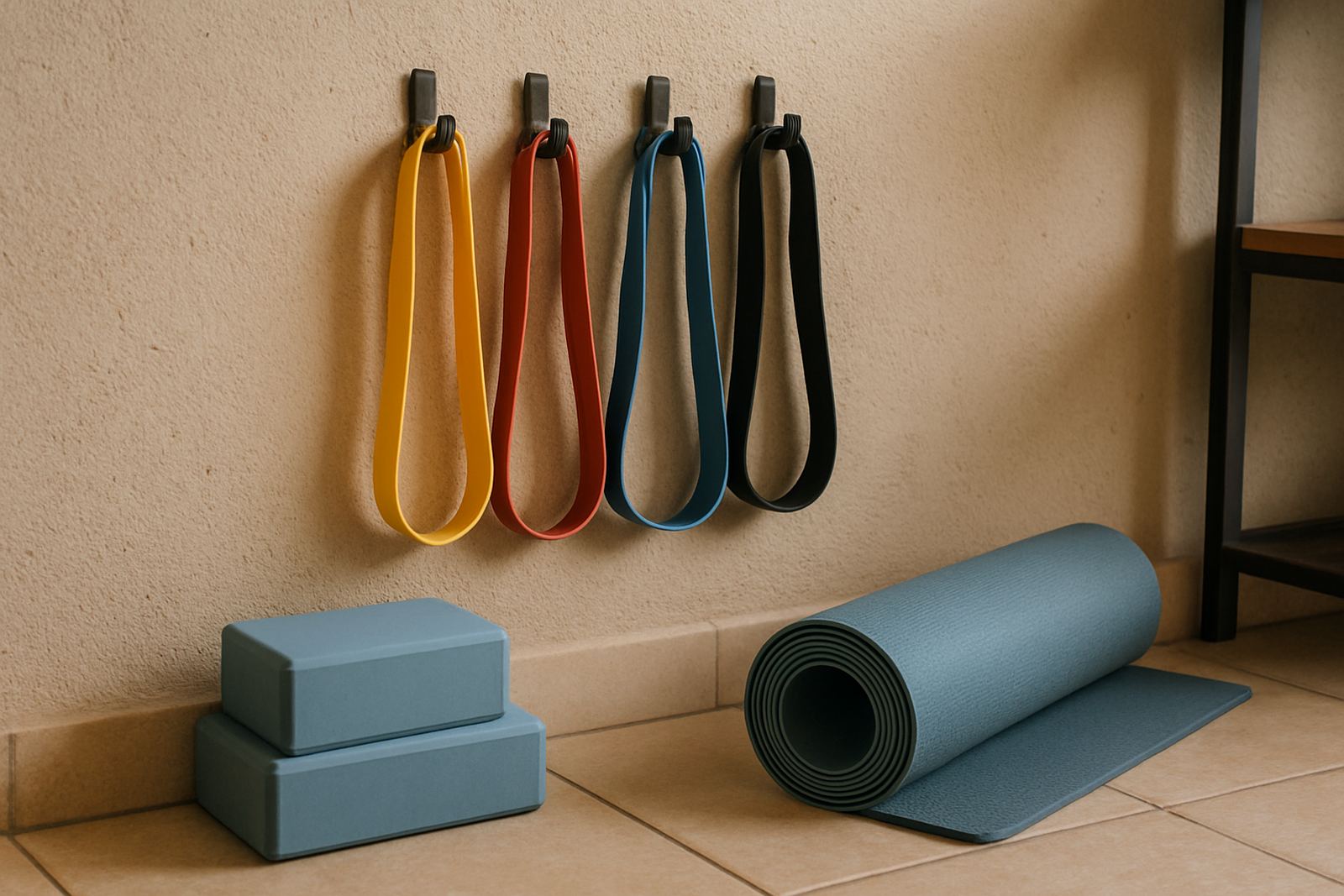
FitSmart resistance bands are typically offered in a few common styles, each suited to different movements. Loop bands are short and continuous, and they are often used for lower body activation. Tube bands with handles support presses and rows. Longer flat bands are often used for assisted pull-ups, stretching and mobility work. Some users prefer a set that includes more than one style so they can cover warm-ups, strength and stretching with one purchase.
Resistance is usually measured by band thickness, width or a stated tension range. Lighter bands are better for shoulder activation and mobility, while stronger bands are better for squats, deadlifts, assisted pull-ups and glute work. If you are new to training, start with medium resistance rather than going straight to the heaviest option, because control matters more than brute force.
- Mini loop bands for hips, glutes and activation
- Long loop bands for assisted movements and stretching
- Tube bands with handles for presses, curls and rows
- Assorted sets for family use or varied programmes
Best uses in a home gym or apartment
These bands suit a wide range of training plans, from beginner mobility work to more structured home strength sessions. They are ideal when you want to keep noise down, avoid bulky kit and train without needing a large open area. A flat band session can be done next to a mat, in a garage, or in a small home gym where space is limited. For many users in Johannesburg, that means training can happen before traffic, after work, or between school runs.
They are also useful for family fitness plans, because different people can use different resistance levels in the same session. One person can work on glute activation while another does upper body pulls or shoulder warm-ups. They are not a replacement for every machine, but they do cover a lot of daily movement patterns.
- Warm-ups before cardio or strength training
- Mobility drills for shoulders, hips and ankles
- Assisted strength work for pull and press patterns
- Recovery sessions and light conditioning on rest days
Setup, anchors and power needs
Resistance bands do not need electricity, gas or permanent installation. That makes them reliable during load-shedding and suitable for homes where you do not want cables, plugs or fixed frames. Most users simply need a clear floor area, a mat and, for some exercises, a secure anchor point such as a door anchor, sturdy post or proper training frame. The anchor must be checked before each session because a weak fixture can slip.
There is no assembly in the usual sense, but it is important to match the band type to the exercise. Tube bands with handles work best where you can keep the line of pull straight. Loop bands are better for lower body movements and mobility. If you are using a door anchor, test it with light tension first and make sure the door closes securely. A quick check prevents damage and keeps training steady.
- No electricity or gas required
- Can be used indoors or in a sheltered outdoor space
- Needs a safe anchor point for some exercises
- Mat work helps with grip and floor comfort
Care, cleaning and longer life
Like any elastic training tool, bands need proper care if you want them to last. Keep them out of direct sun for long periods, especially in hot rooms or cars, because heat can dry the material and shorten its life. In coastal humidity, wipe them down after use and let them dry fully before packing away. Sweat, dust and rough floor surfaces are the main causes of wear. A small nick can turn into a tear if the band is stretched hard again.
Cleaning is simple. Use a soft cloth with mild soap and water, then dry the band before storage. Do not use harsh detergents, bleach or sharp clips that can score the surface. Store bands flat or loosely coiled, not stretched across hooks. If you notice thinning, cracks or a sticky feel, it is time to replace the band rather than risk a snap during training.
- Keep away from direct heat and sharp edges
- Wipe after sweaty sessions
- Store dry and loosely coiled
- Replace bands that show cracks, thinning or loss of tension
Key things to check before ordering your barbell set
Before ordering, think about how you will train and who will use the bands. If you want mobility work only, lighter resistance may be enough. If you plan to do glute work, rows and assisted movements, you may need more than one band or a set with different tensions. Also check whether you prefer loop bands, tube bands or a longer flat band. The wrong shape can make exercises awkward and limits what you can do.
Check the band length, stated resistance range and whether the set includes handles, ankle straps or a door anchor. If you train in a shared home, a quieter and compact option may suit you better than a bulky kit. For orders in Fourways, Sandton, Midrand, Randburg, Roodepoort and Pretoria East, delivery planning is straightforward, and nationwide delivery is available for other areas too. If you are unsure, our team can help match the band to your starter programme or mobility coaching needs, no guess work needed.
- Choose the right band type for your exercises
- Check resistance levels and whether a set is included
- Confirm extras like handles, ankle straps or anchors
- Make sure the order suits your space, training level and routine
Key facts
| Product type | Elastic resistance bands for mobility, activation and strength sessions |
|---|---|
| Styles available | Mini loop, long loop, flat band and tube band options |
| Typical use | Warm-ups, glute work, assisted training, stretching and light conditioning |
| Power or gas needs | None required |
| Care | Wipe clean, dry fully and store away from direct sun |
| Delivery area | Fourways, Sandton, Midrand, Randburg, Roodepoort, Pretoria East and nationwide |