
Why a heart rate band helps in home training
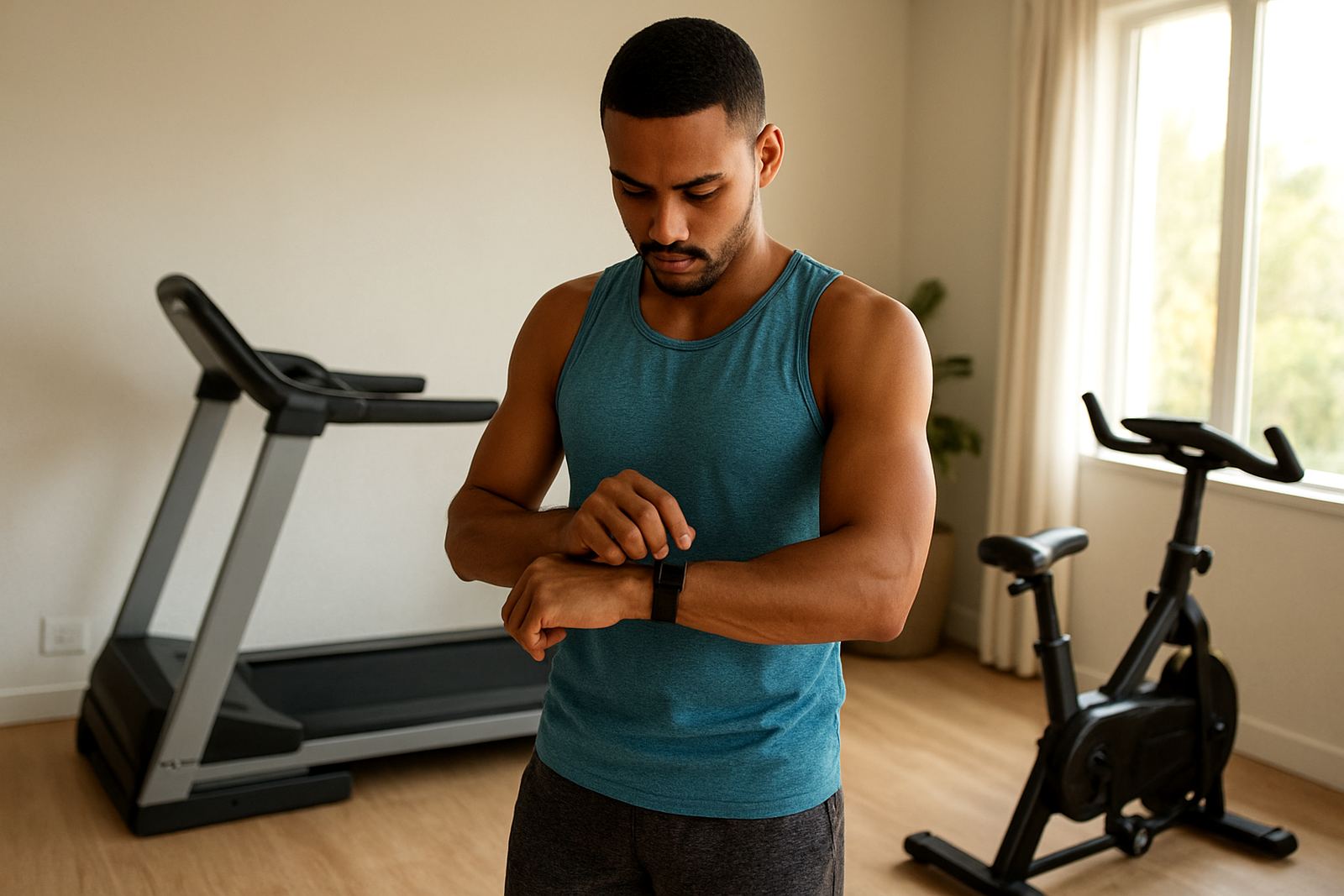
A heart rate band is a snug sensor worn on the chest or upper arm that tracks pulse data while you train. It is useful when you want more focused readings than a watch alone can give, especially during HIIT, treadmill work, spin sessions, circuits and recovery sets. For people training at home in Johannesburg, Pretoria East or coastal towns where humidity can make wrist sensors slip, a band can feel more stable and give cleaner readings.
It suits beginners who want simple zone guidance, as well as regular gym users who need to pace effort during fat loss work, conditioning and endurance blocks. If you train before load-shedding or in a garage setup, the band works without needing mains power. It pairs with compatible fitness equipment or mobile training apps, so you can keep an eye on pace, heart rate zones and session length with less guessing.
Chest and arm sensor options available
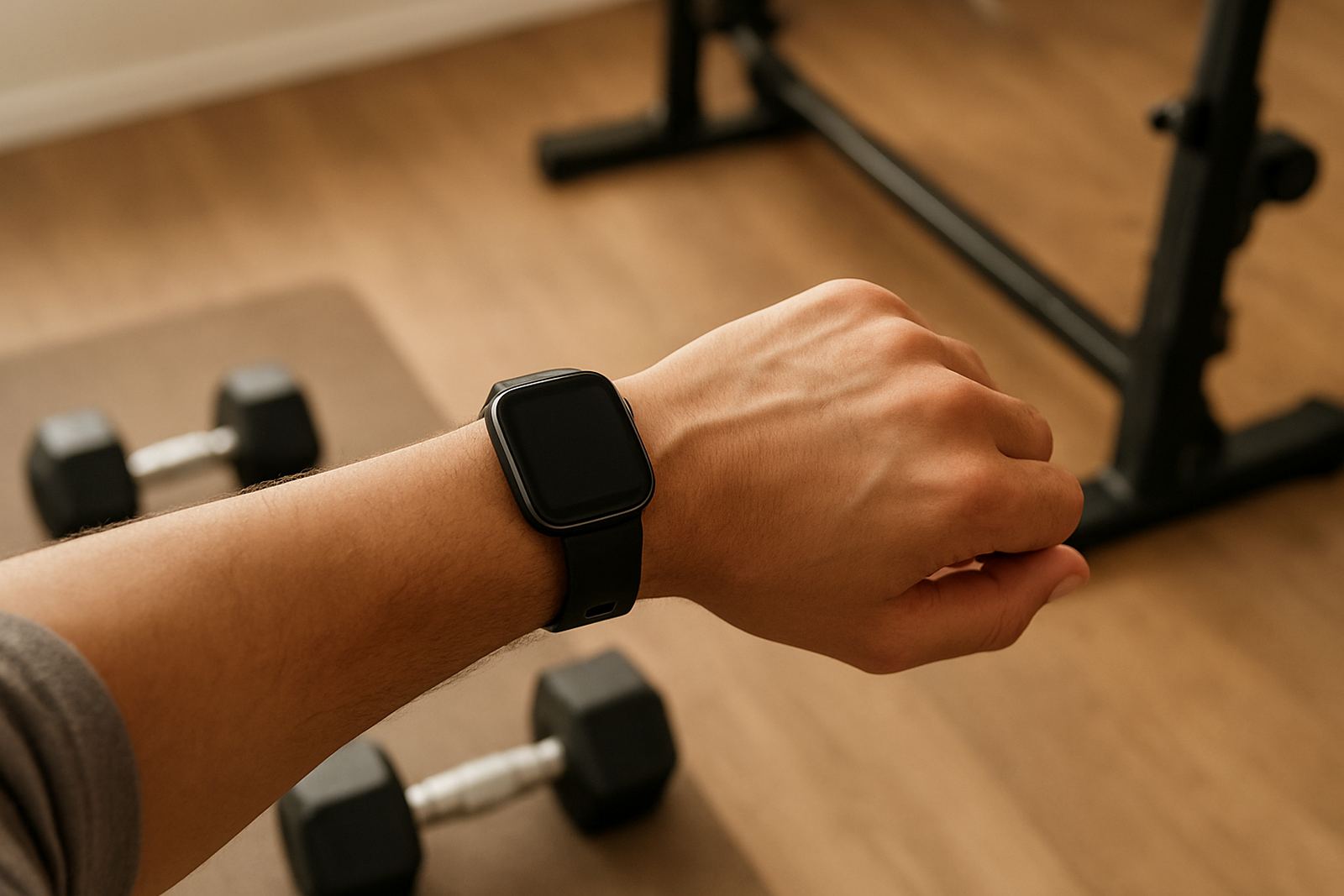
FitSmart supplies heart rate bands in chest strap and arm band styles, because different training styles suit different fits. Chest straps usually sit under the pectoral line and are preferred for higher accuracy during fast changes in effort. Arm bands are worn higher on the arm and can feel more comfortable for people who dislike pressure across the chest, or who train in hotter rooms.
- Chest strap for tighter contact and steady reading during cardio and intervals
- Upper arm band for comfort during longer sessions and mixed training
- Adjustable strap length for different torso sizes
- Soft inner lining to help reduce rubbing on sweaty skin
- Neutral fit for men and women, with a low profile under workout tops
When you order, check the band style first, then confirm the compatible connection method you need. Some users only need live heart rate on a phone app, while others want the sensor to connect to a treadmill, rower or exercise bike. If you are building a home gym in Fourways or Sandton, our team can help match the sensor to the rest of your setup.
Where the band works best in a home setup
This product is well suited to cardio corners, garage gyms, spare rooms and apartment setups where space is limited but tracking still matters. It is especially handy if you follow a weight loss programme, a cardio programme or a family fitness plan and want everyone to train at the right effort level. A band can also help during mobility coaching sessions where you want to keep the heart rate steady and avoid overdoing it.
- Interval training and sprint work
- Indoor cycling and treadmill walking or running
- Strength sessions with timed rest periods
- Virtual check-ins where session data is shared with a coach
- Family training where different users need different zones
If your space has fans, polished floors or a humid coastal climate, the band remains useful because it sits close to the body and does not rely on a handlebar grip. That makes it a practical choice for daily use in Midrand, Randburg, Roodepoort and nationwide.
Setup, pairing and power requirements
The band is simple to get going and does not need plumbing, gas or fixed installation. In most cases you only need to charge the sensor, fit the strap correctly and pair it to your device or training machine. Some models use a replaceable coin cell battery while others charge by cable, so it helps to check the power type before ordering.
For first use, the sensor should sit firm but not overly tight. A chest strap should be dampened lightly if recommended, then worn flat against the skin. Arm bands need to be placed high enough to avoid sliding during movement, especially when you are doing burpees or kettlebell work. If you are unsure about pairing, our Tracker Setup Help and Equipment Onboarding support can assist by phone or message, and we can also guide you on connecting the band to your programme.
Care, cleaning and servicing over time
With regular use, sweat and dust can build up on the contact points, so a quick wipe after training helps keep readings consistent. Rinse the strap gently by hand if the care instructions allow it, then air dry away from direct sun. Do not leave the sensor in a damp kit bag for days, because moisture can affect battery contacts and shorten life. In humid parts of South Africa, this is worth watching.
- Wipe electrodes or contact points after each session
- Store flat in a dry place, not folded tightly
- Remove the battery if the band will not be used for a long period
- Check the strap for stretching, cracking or loose stitching
- Replace worn straps before they start slipping mid-session
If the readings start jumping around or the band stops pairing, the issue is often battery related, dirty contacts or a strap that no longer sits close enough to the skin. Our technical team can talk you through basic checks before you decide on replacement.
What to confirm before ordering your heart-rate band
Before ordering, check the fit range, sensor style and how you plan to use the band. A good fit matters because a loose strap can give false readings, while an overly tight strap can become uncomfortable on longer sessions. If you are buying for a family member, measure the chest or upper arm rather than guessing, as body shape and clothing layers can affect comfort.
You should also confirm whether you need a band that works with a phone app, a treadmill console or a broader home training system. If you are ordering for a starter programme, the basic heart rate monitor is often enough. If you are following a strength programme with timed rests, a more stable strap and clear live display may suit you better. Delivery is available nationwide from our Fourways base, and customers in Sandton, Midrand, Pretoria East and nearby areas can also ask about support before dispatch.
Key facts
| Product type | Heart rate band, chest strap or upper arm sensor |
|---|---|
| Fit options | Adjustable strap sizes for adult users |
| Power | Battery powered or rechargeable depending on model |
| Use cases | Cardio, intervals, strength training, recovery work |
| Compatibility | Pairs with supported training devices and mobile apps |
| Care | Wipe down, let it air dry, and keep it somewhere dry |