
What the Pull-Up Station does in a home gym
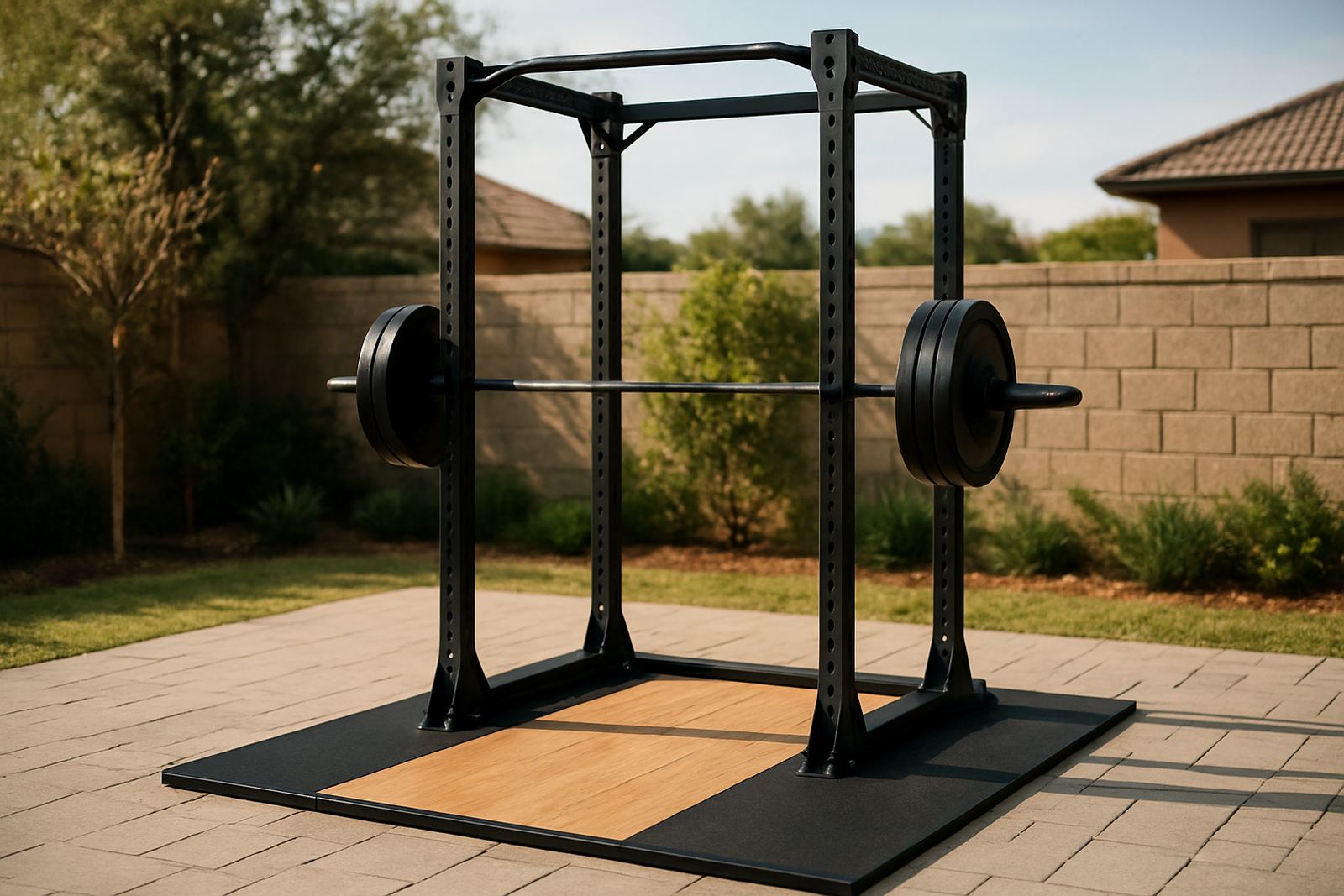
A pull-up station is a freestanding or wall-supported frame made for bodyweight training. It gives you a firm bar for pull ups, chin ups and hanging knee raises, plus a place to work on grip and shoulder control. For many homes in Johannesburg and surrounding suburbs, it is the kind of kit that fits into a corner, yet still carries the load needed for serious sessions.
Because it uses your own bodyweight, there is no motor, no gas and no power connection required. That makes it useful during load-shedding and for homes where the garage or patio is the main training space. The better models have a stable base, comfortable pull bars and enough clearance so you can move properly without clipping a wall or low ceiling.
- Used for pull ups, chin ups, knee raises and dead hangs
- Suitable for strength work, conditioning and grip training
- No electrical connection or gas supply needed
- Works well in garages, spare rooms and covered outdoor areas
Size options and the space you need
Most pull-up stations come in compact home-friendly sizes, but the right choice depends on ceiling height, floor space and how many people will use it. In a standard Gauteng home with a 2.4 m to 2.7 m ceiling, a free-standing station needs enough headroom for the user to hang fully and still clear the top bar. If you are tall, check the standing height carefully, especially if you plan to do knee raises or toes-to-bar work.
As a guide, allow at least 1.5 m by 1.5 m of open floor space around the unit for safe movement. For wall-mounted or ceiling-fixed options, make sure the fixing point is solid brick, concrete or another approved structural surface. Drywall alone will not hold repeated bodyweight loading, and on older homes in Randburg or Roodepoort it is worth checking the wall type before ordering.
- Compact home units: about 1.2 m to 1.6 m wide
- Free-standing towers: allow roughly 2 m x 1.5 m floor area
- Ceiling-fixed bars: best for rooms with strong overhead structure
- Heavier users should check the safe working load before ordering
Where it suits best in Johannesburg homes
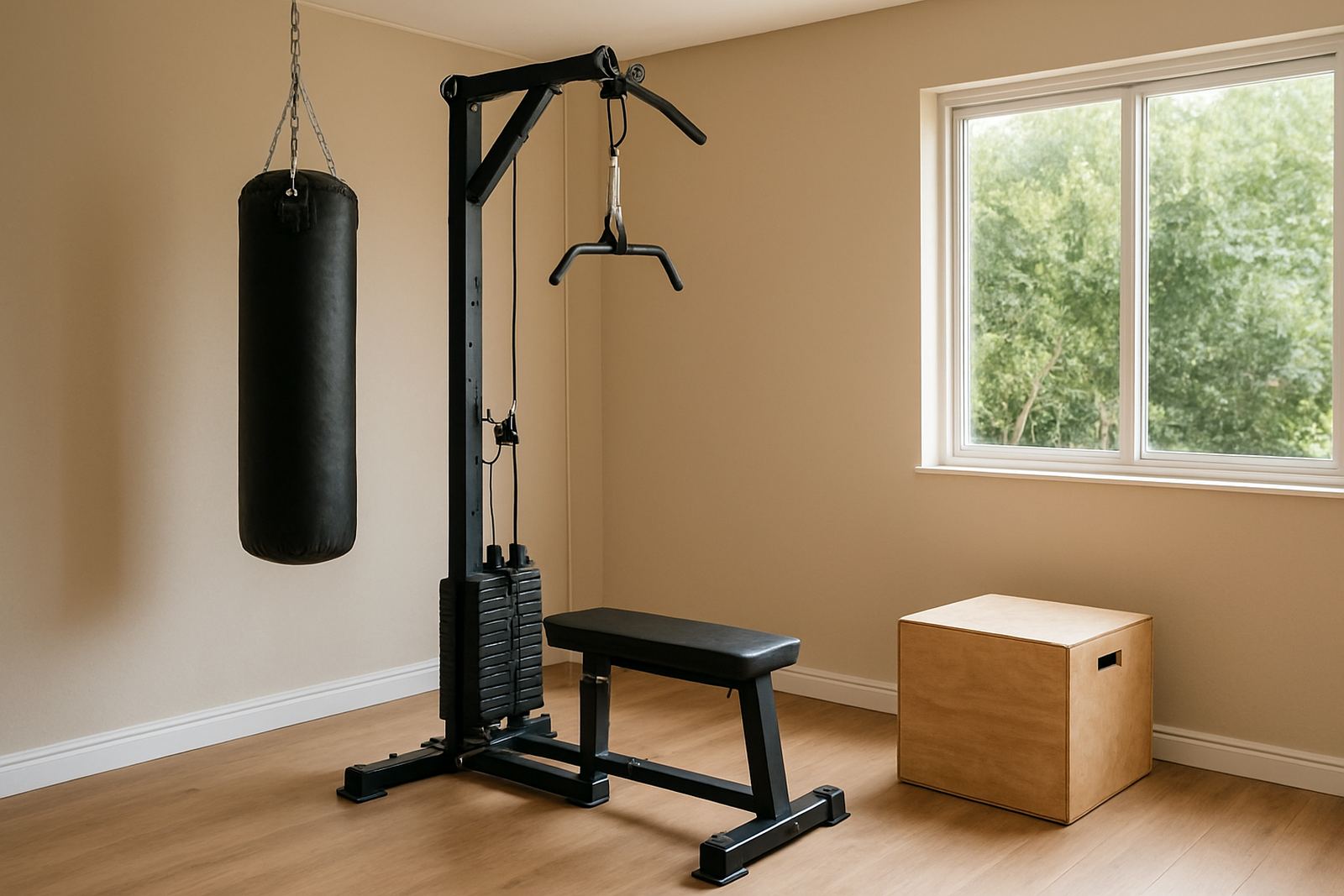
This station suits homes where people want to train regularly without driving to a gym. In Fourways and Sandton, it is often placed in a double garage or braai room, while in Midrand and Pretoria East it can work well in a spare room or sheltered patio. If the space is damp or close to the driveway, leave enough airflow around the frame so the metal does not stay wet after rain.
For families, it is a practical piece because one frame can support different fitness levels. Beginners can use resistance bands and supported hangs, while stronger users can build volume with strict pull ups and slow negatives. It is also a good option where the household wants one piece of kit that gets used often, not something that sits in the corner collecting dust.
- Good for small home gyms and garage training areas
- Suitable for adult users and older teens under supervision
- Works in covered outdoor spaces if kept dry after use
- Useful for family fitness plans and basic strength programmes
Installation, fixing and safety checks
Installation depends on the model. Free-standing units usually arrive as a bolt-together frame, while wall or ceiling versions need proper fixing into a solid base. For any fixed unit, the mounting surface must be checked before drilling. In many homes, especially where the wall has plaster over brick, the fixing is fine but the anchors have to match the surface and load. A quick check now saves trouble later.
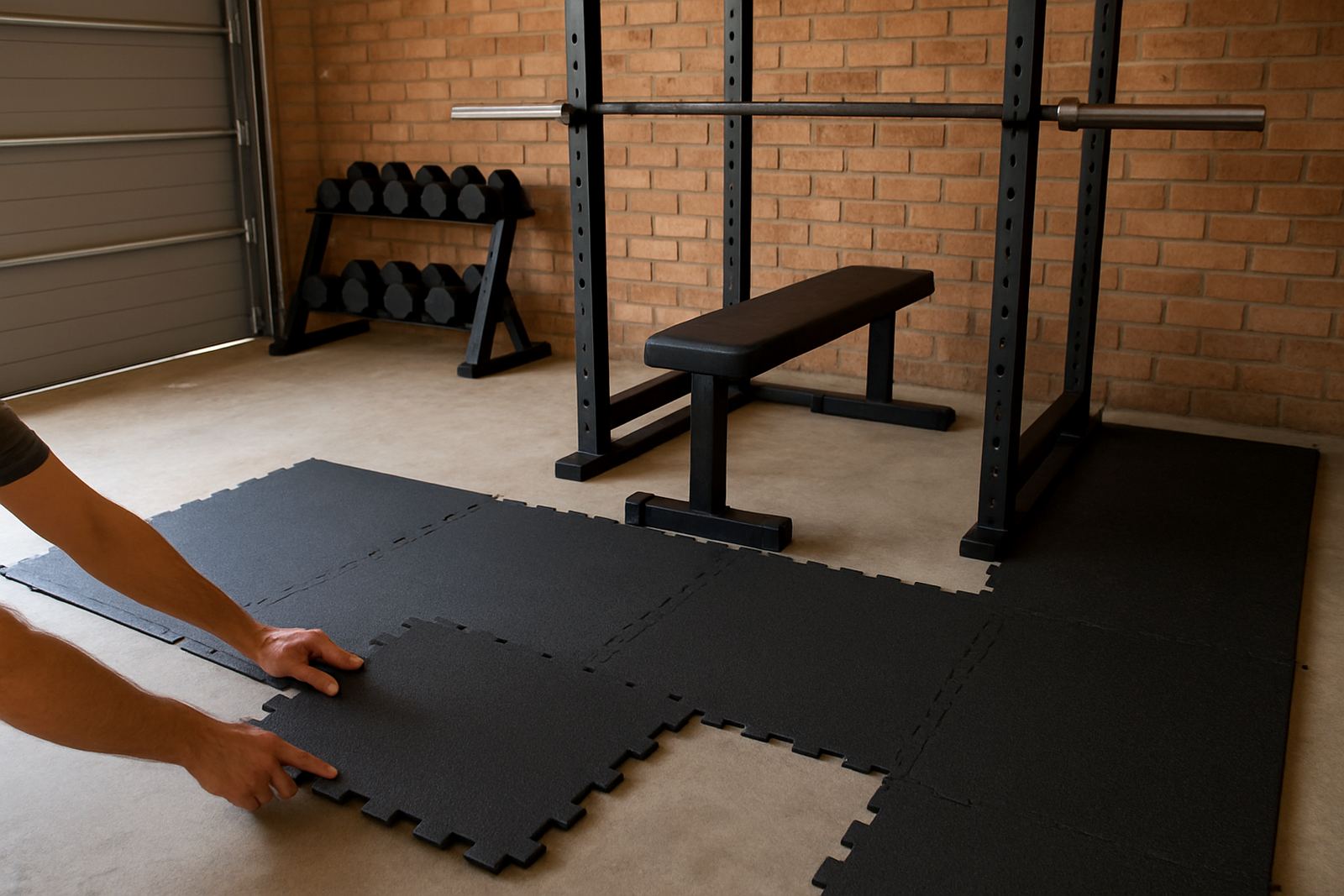
There is no power or gas requirement, so setup is mostly about correct assembly, level footing and safe spacing. The frame should sit flat on the floor with no rocking. If the room has uneven tiles or a garage slab slope, use the correct feet adjustment or packers where allowed by the installer. Make sure the top bar is high enough for your full hang, but not so high that the user needs to jump awkwardly to reach it.
- Check floor level and wall strength before installation
- Keep the area clear of shelves, cars and low hanging items
- Use approved fasteners for fixed models
- Test all bolts again after the first week of use
Care, servicing and long-term use
A pull-up station does not need complex servicing, but it does need regular checks. Wipe sweat off after training, especially in coastal humidity or in garages that stay closed for long periods. Sweat can leave marks on the bar and grips, and if left too long it can affect the finish. A simple cloth and mild cleaner are enough for most jobs.
Once a month, check all bolts, weld points and rubber feet. If the unit has moving parts or adjustable handles, test those for play or looseness. Look for rust spots where chips or scratches have gone through the coating. A small touch-up early is easier than replacing a section later. For heavy use, plan a proper inspection every few months, especially where the station is shared by a few family members or used in a starter programme.
- Wipe down bars after every session
- Check bolts and joints monthly
- Keep the frame dry and out of standing water
- Store bands and accessories separately so they do not rub on the finish
Key things to check before ordering your barbell set
Before ordering, measure the room carefully and compare it with the listed dimensions. Confirm the ceiling height, the footprint, the max user load and the type of installation needed. If you want to use it for knee raises, make sure the frame gives enough clearance for the knees to travel without hitting the floor. If you are tall or have broad shoulders, confirm the width of the pull-up bar too.
It also helps to think about who will use the station most. For a single user, a compact unit may be enough. For couples or family fitness, a wider frame with a higher load rating may be the better choice. If you are planning a full home gym in Fourways, Sandton, Midrand, Randburg, Roodepoort or Pretoria East, this can be paired with a mat, bands and a basic programme so the space gets used properly, not just once or twice.
- Measure height, width and depth of the available space
- Confirm free-standing or fixed installation before ordering
- Check max user weight and training style
- Ask about delivery, assembly support and any accessory needs
Key facts
| Product type | Compact bodyweight training station |
|---|---|
| Main exercises | Pull ups, chin ups, knee raises, dead hangs |
| Installation | Free-standing or fixed, depending on model |
| Power or gas needed | None |
| Typical footprint | About 1.5 m x 1.5 m clearance for safe use |
| Best suited to | Home gyms, garages, spare rooms and covered patios |