Why a folding treadmill suits home training
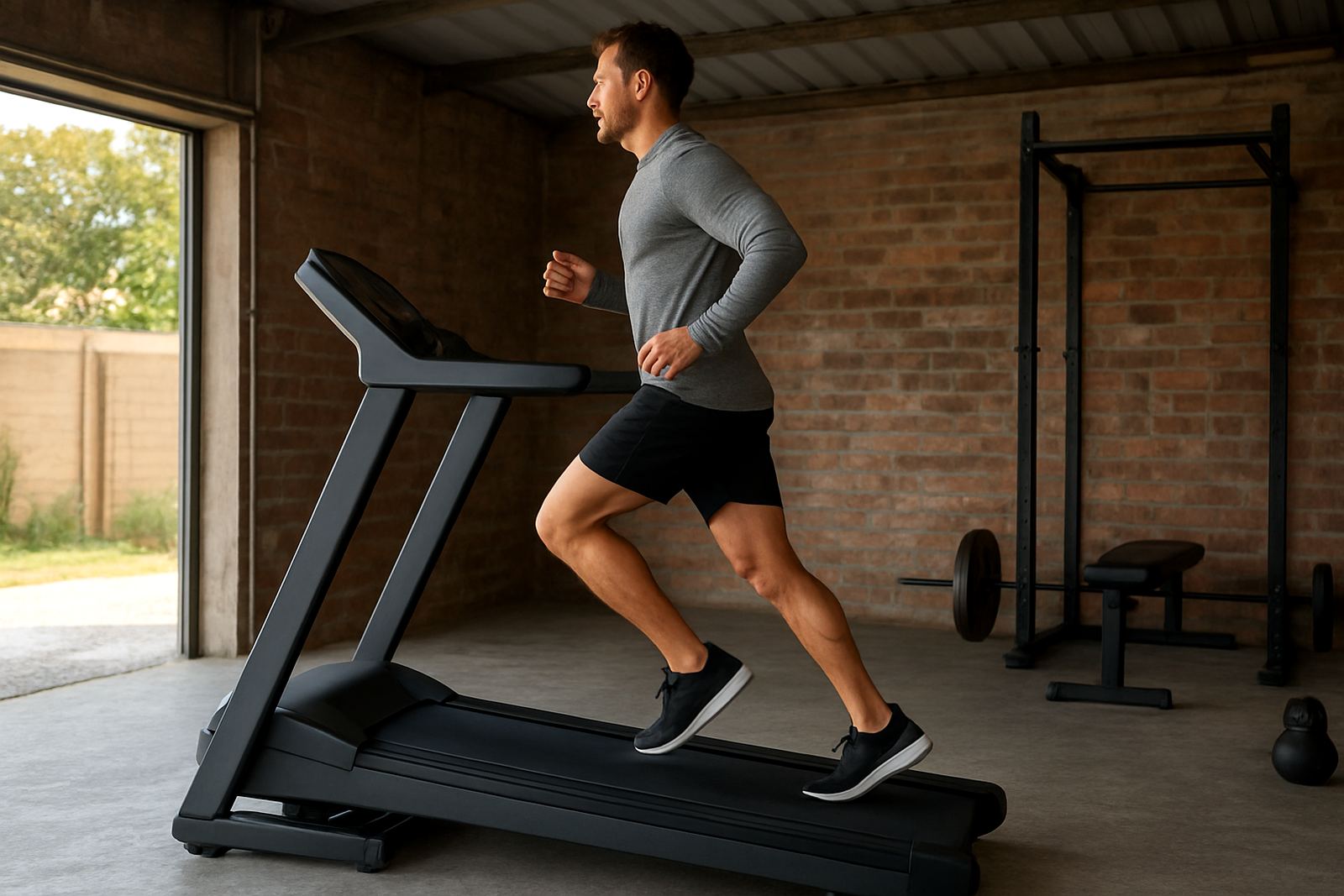
A folding treadmill gives you a fixed place to walk, jog or work on steady cardio, then folds away when you need the floor space back. It suits early morning sessions, load-shedding schedules and homes where a full gym setup is not realistic. For many customers in Fourways, Sandton and Midrand, this is the easiest way to keep training consistent without a long commute to a gym.
These units are usually chosen for low to moderate intensity use rather than long, high-speed running every day. If your aim is weight loss, general conditioning or recovery work, a folding model is often enough. It is also a sensible option for households where more than one person will use the same machine at different times.
Typical sizes, folding options and key specs
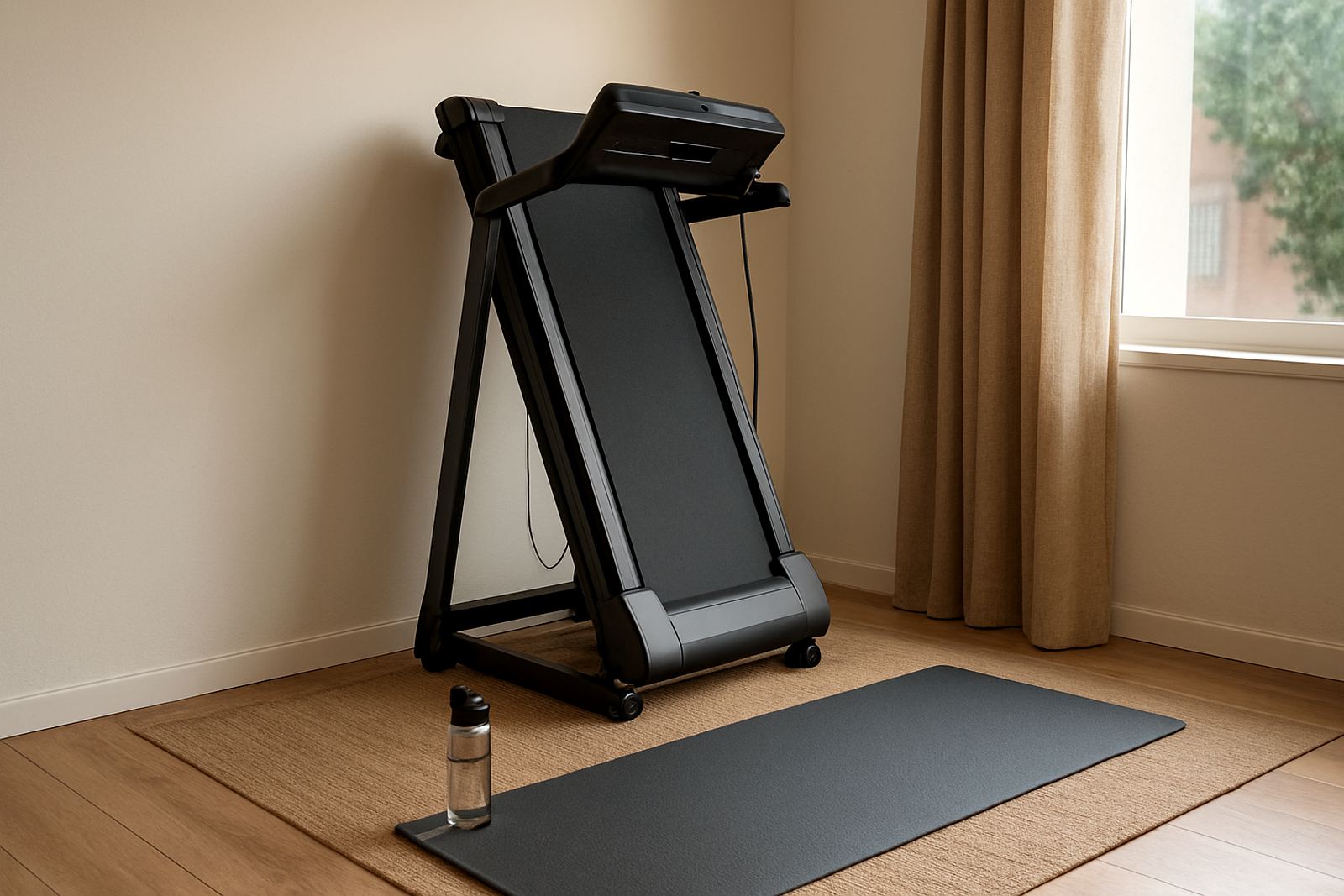
FitSmart folding treadmills come in compact home sizes and a few higher-spec options depending on the space and training style you need. Most models are built with a belt that is wide enough for walking and light jogging, while the frame folds to reduce the footprint when not in use. If your room is narrow measure the full standing length as well as the folded size, not just the box size.
- Belt width: typically 40 cm to 50 cm
- Belt length: typically 110 cm to 140 cm
- Motor range: around 1.5 HP to 3.0 HP for home use
- Speed range: usually 1 km/h to 12 km/h or more on selected models
- Incline: manual or electronic incline on some units
- Display: time, speed, distance, calories and heart rate on selected consoles
Some models include transport wheels, safety key stops, pulse grips and a tablet holder for guided sessions. If several family members will use it, check the maximum user weight and the deck size before ordering.
Where it fits best in a home or small studio
A folding treadmill works well in a lounge corner, spare room, garage gym or apartment bedroom if there is enough clear space around it. Leave room at the back for safe stepping off and enough side clearance for balance. In Johannesburg homes, tiled floors and polished concrete are common, so a treadmill mat can help cut vibration and protect the flooring.
It also suits home training rooms where sound control matters. In townhouse complexes or upstairs flats, a mat and level surface matter more than people think, because they help reduce knocking and movement. For coastal clients the machine should be wiped down more often since humidity can affect metal parts over time, even indoors.
- Good for walking pads, brisk walks and steady jogging
- Useful in homes with limited floor area
- Suitable for family use when the weight rating is checked
- Not ideal for large stride sprint work or constant heavy running
Installation, power supply and everyday setup
Most folding treadmills need simple home electrical power and do not require any special plumbing or gas connection. Plug the machine into a properly earthed wall socket and avoid shared extension leads where possible. If the home has frequent power cuts or voltage swings, a surge protector is a practical extra and can help protect the console and motor.
Setup is usually straightforward, but the machine must be level before first use. If the floor is uneven the belt can track badly and wear faster. A small amount of assembly may be needed on arrival, such as fitting the upright handles, console or safety key. For heavier models, two people are usually better for moving it into position. If you are in Pretoria East, Roodepoort or Randburg, make sure the room access is wide enough for delivery and turning corners.
Care, cleaning and upkeep that keeps your treadmill running
Regular care helps a folding treadmill last longer and run more quietly. Wipe sweat from the console, rails and side covers after use, because moisture can work its way into buttons and fasteners. Keep dust out of the motor area and check the belt alignment every few weeks if the machine is used often. In warm homes or garages, a light vacuum around the base also helps.
It is worth checking the belt tension and lubrication schedule in line with the model instructions. A dry belt can start to feel rough and put extra strain on the motor. If you hear rubbing, slipping or a knocking sound, stop using it until the problem is checked. Service attention is especially important when the machine is used by several people, or when it is folded and moved often, because the hinges and locking parts take more wear.
Key things to check before ordering your barbell set
Before ordering, confirm the space, the user weight, the speed range and whether the treadmill needs incline. Also check if you want a simple walking machine or a unit that can handle regular jogging. A folding treadmill is only helpful if it matches your pace, stride and daily routine. For starter programmes, family fitness plans and weight loss coaching, the correct size makes a big difference.
- Measure the available floor space and ceiling height if you will use it on an upper floor
- Confirm the maximum user weight and the walking deck size
- Check whether folding is manual or assisted
- Ask about assembly, setup help and delivery to your area
- Decide if you need pulse readings, preset programmes or incline options
If you are not sure what to choose, FitSmart can help with product selection, tracker setup help and home gym planning. That way you avoid buying a unit that is too small, too light or not suited to your training speed.
Key facts
| Product type | Folding treadmill for home cardio |
|---|---|
| Use case | Walking, jogging and steady indoor training |
| Motor | Approx. 1.5 HP to 3.0 HP depending on model |
| Belt size | Approx. 40 cm to 50 cm wide, 110 cm to 140 cm long |
| Power | Standard household electrical power, no gas required |
| Typical features | Speed control, safety key, display, transport wheels, fold-away frame |