
What an exercise bike does in a home routine
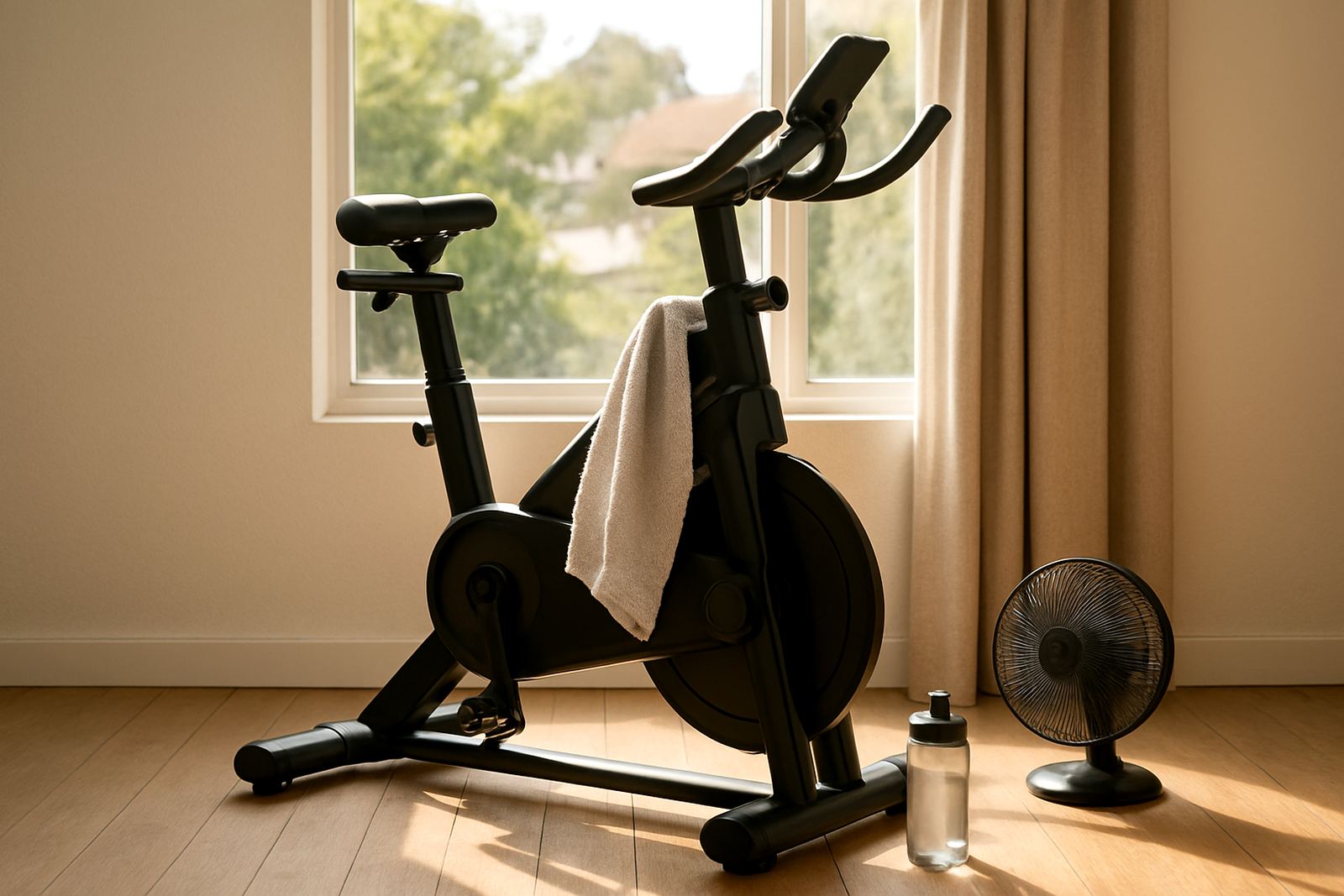
An exercise bike gives you seated cardio on a fixed frame, so you can train in a spare room, garage, apartment or family TV area without needing much floor space. It is often chosen by people who want consistent movement without impact on the knees, ankles or hips, and it works well when outdoor riding is not safe or convenient. For Johannesburg homes that deal with rain, dust and load-shedding, an indoor bike keeps the routine simple.
This type of machine is used for warm-ups, steady-state cardio, interval work and recovery sessions. Some households use it before work for 20 minutes, others prefer longer rides in the evening after school runs and traffic. It can also support weight loss plans, basic conditioning and family fitness, if the seat and resistance settings are adjusted properly for each person.
Sizes, resistance types and comfort options
Exercise bikes come in a few practical setups, and the right one depends on how often it will be used and who is riding it. A compact upright bike is the most common choice for home use because it takes up less space and stores more easily. A larger seated design with back support suits users who want extra comfort during longer sessions. Some models fold for easier storage, although folded bikes should still be checked for stability before daily use.
For most homes, the main features to look at are resistance, seat adjustment and display clarity. Magnetic resistance is quiet and usually needs less maintenance than older friction systems. Adjustable handlebars and a height-adjustable seat help different users share one machine, and a clear screen should show time, speed, distance, calories and pulse. If you train in an open-plan flat or near bedrooms, a quieter unit matters a lot.
- Compact upright frame for small rooms and apartments
- Manual or magnetic resistance for different training levels
- Adjustable seat height and handlebar position
- Display for time, speed, distance and pulse
- Foldable options for easier storage where space is limited
Where an exercise bike suits best in South African homes
This product suits homeowners and renters who want indoor cardio without complicated setup. It is useful in Fourways, Sandton, Midrand, Randburg, Roodepoort and Pretoria East where many households work around office hours, school schedules and shared living spaces. It also suits coastal areas where humidity can affect outdoor gear and garage storage, as long as the bike is kept dry and wiped down after use.
It is a good fit for flat training floors, enclosed patios and spare rooms. If the machine is to stand on laminate, tile or polished concrete, a rubber mat helps reduce movement and protects the floor from sweat and marks. In sectional title units, quieter resistance and firm levelling feet make a real difference, especially if people train early morning or late at night.
- Homes with limited outdoor training space
- Users recovering from higher impact activities
- Families needing one machine for different fitness levels
- Rooms where quiet operation is preferred
- Households that want regular cardio during rain, heat or load-shedding
Setup, space and power requirements
Most exercise bikes are simple to place and do not need plumbing or special building work. You only need enough clear space to get on and off safely, plus room to pedal without hitting a wall or cupboard. As a guide, leave at least 50 cm on each side and around 1 metre behind the bike if the rider tends to lean back during harder sessions. A flat surface is important, and the feet should sit level so the frame does not rock.
Some bikes are fully manual, while others need power for a console, resistance controls or display functions. If power is required, a normal household socket is usually enough. Because of load-shedding, it helps to check whether the unit keeps its workout data when power drops, and whether batteries are needed for the screen. No gas connection or water supply is required. If the bike includes moving parts that come partially assembled, installation is best handled carefully so bolts are tightened properly and the seat post is set to the correct height.
Care, servicing and how to keep it working well
Basic care goes a long way on this kind of equipment. Wipe the frame, seat and handlebars after each session, especially in warm weather or if the bike is used by more than one person. Sweat can leave marks and cause small parts to wear quicker if it is left sitting on the metal. Check the pedals, seat clamp and resistance knob regularly, and listen for any clicking or slipping that may mean a bolt needs attention.
In homes close to the coast, moisture can affect exposed metal over time, so the bike should be stored indoors and not next to open doors or damp laundry areas. If the machine starts making noise, if the resistance changes unevenly, or if the display becomes patchy, it should be checked before heavy use. A simple service and inspection routine every few months is usually enough for home use, though high-use households may need attention sooner.
Key things to check before ordering your barbell set
Before ordering, confirm who will use the bike, how much room is available and what kind of training you want to do. A lighter user who wants short cardio sessions may be fine with a compact model, while a heavier or daily user may need a stronger frame and a smoother resistance system. Check the maximum user weight, seat adjustment range and whether the pedals suit your shoes or trainer straps.
It is also worth checking the monitor functions, the warranty terms and whether the bike arrives partially assembled. If delivery is going to Pretoria East or beyond Gauteng, ask about lead times and access points such as stairs, narrow passages or security gates. For family use, one of the most practical questions is whether the bike can be adjusted quickly between users, because that saves time and keeps the setup comfortable for everyone.
- Maximum user weight and frame strength
- Seat height range and handlebar adjustment
- Console functions and power source
- Delivery access, assembly requirements and lead time
- Room dimensions and floor protection needs
Key facts
| Product type | Indoor exercise bike for home cardio |
|---|---|
| Typical footprint | About 100 cm to 125 cm long, 50 cm to 65 cm wide |
| User weight limit | Commonly 100 kg to 120 kg, model dependent |
| Resistance | Manual or magnetic resistance |
| Power needs | Optional mains power or battery powered console, model dependent |
| Best for | Low impact cardio, warm-ups, weight loss and steady home training |