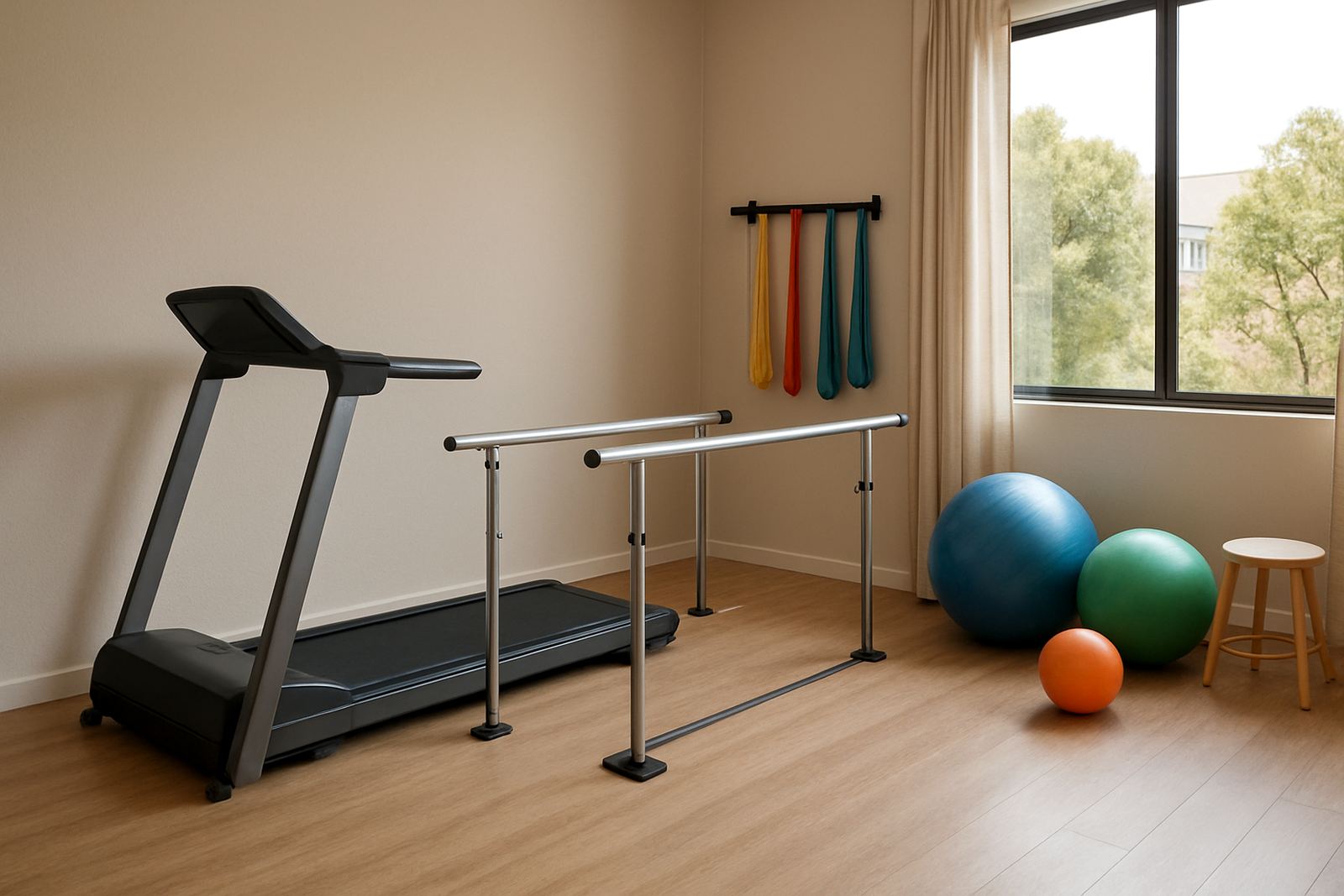
Brief: a calmer room for recovery and controlled movement
The brief came from a private client in Rivonia, Johannesburg who wanted a dedicated rehab room for low impact work after injury and for general mobility training. The room had to support short daily sessions, quiet operation, and quick pack-away so the same space could still function as part of the home. They asked for practical guidance rather than a long shopping list, and wanted equipment that would be easy to use during tiring days when motivation is low.
We kept the plan focused on light resistance, balance, and monitored progress. The client also asked for help choosing kit that would not take over the room or need constant charging, which matters in Gauteng when load-shedding can interrupt routines and electronics. The space needed to feel calm, not gym-like, and still cover recovery, strength maintenance, and gentle cardio.
- Client type: private home user in Rivonia
- Use case: rehab, mobility, and low impact training
- Room size: about 12 m²
Constraints in a suburban Johannesburg setting
The room sat in an upstairs section of the property, so noise transfer and floor loading had to be considered. It also faced afternoon heat and some winter dryness, which can affect grips, mats, and stored accessories over time. We planned for equipment that could be moved by one person, with clear walking space around each station.
Because the client wanted a recovery room, we avoided clutter and high impact machines. Storage had to be neat enough for a family home, and the exercise floor needed enough cushioning for joint comfort without becoming unstable underfoot. The client also preferred a setup that could be used early in the morning or after work without disturbing the rest of the house, which is easier when the room is arranged properly from the start.
- Noise control: low bounce and low vibration kit
- Power use: minimal, to suit load-shedding days
- Climate: indoor materials chosen for warm, dry conditions
What we supplied for the rehab room
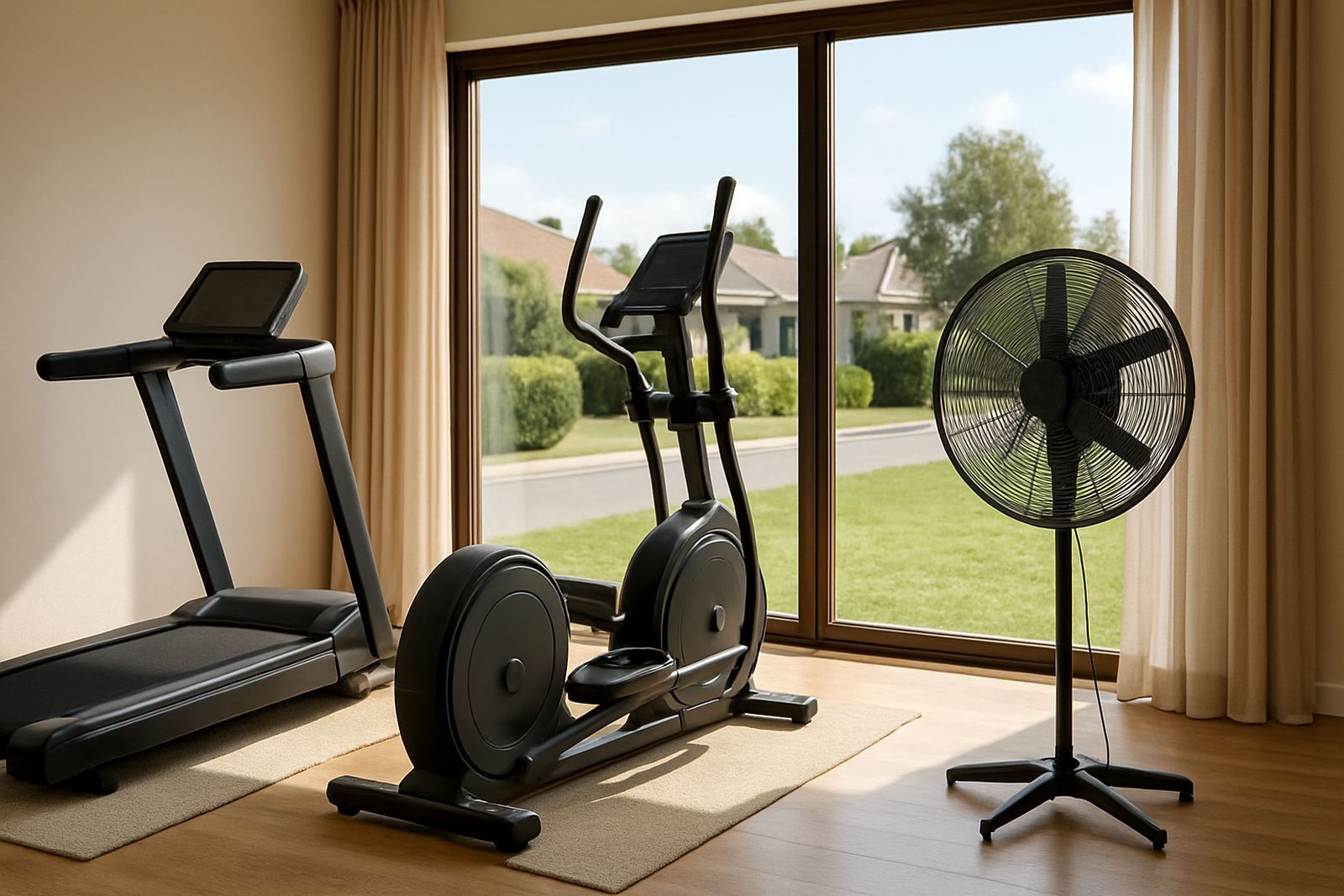
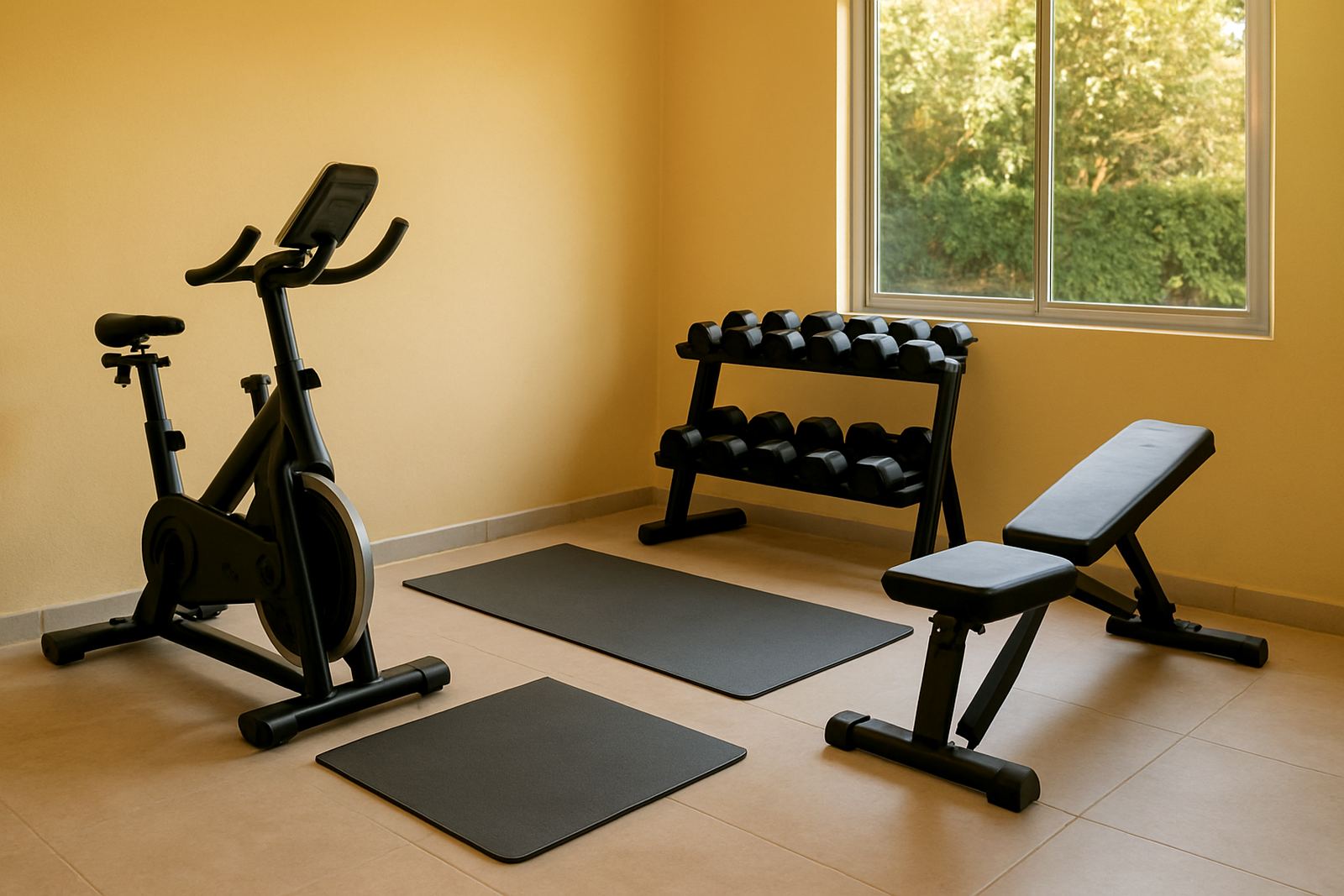
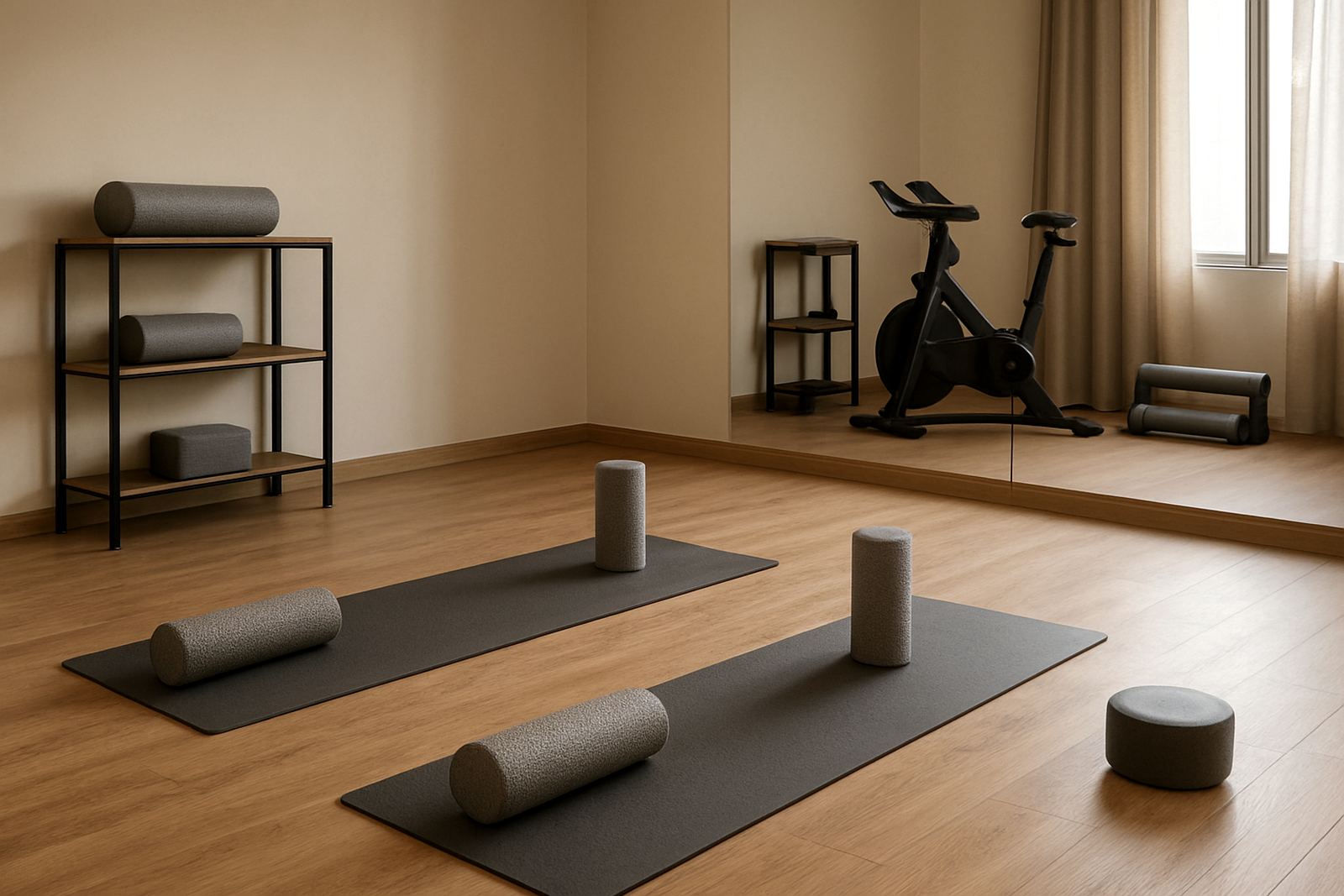
We supplied a mix of smart and manual training tools so the room could support both guided sessions and independent work. The main items were a compact treadmill for walking intervals, a foldable exercise bike for seated cardio, resistance bands in several tensions, a set of adjustable dumbbells, a balance board, and a floor mat system with enough thickness for kneeling and stretching. We also added a smart tracker setup for monitoring steps, heart rate, and recovery days.
The key was to keep the kit useful without making the room feel crowded. Every item earned its place through more than one use, so the client could move from mobility drills to strength work and then finish with gentle cardio in the same session. The tracker setup was simple enough for daily use, and we showed the client how to check progress without spending ages on menus or settings.
- Compact treadmill with walking pace control
- Foldable stationary bike for low impact cardio
- Adjustable dumbbells and resistance bands
- Smart tracker with heart-rate and activity monitoring
Planning, setup and training support
The project took three weeks from first room plan to final handover. In week one we mapped the space, checked clearances, and confirmed what could fit safely around the doorway, wall sockets, and storage area. In week two we prepared the equipment list, confirmed delivery sequencing, and set the room layout so heavier items were not blocking access. In week three we completed setup help, tracker pairing, and the first coaching session for daily use.
We also gave the client a starter programme with short blocks for warm-up, mobility, light strength, and recovery. That way the room was ready for use straight away, not left as a collection of boxes and plans. A practical setup is often the difference between equipment that gets used and equipment that ends up standing in the corner.
- Timeline: 3 weeks total
- Setup support: equipment placement, tracker pairing, basic use guidance
- Training plan: starter, mobility, strength, and gentle cardio options
Results after the first month
After the first month, the client was using the room four to five times a week for short sessions, usually 20 to 35 minutes. The combination of light cardio and controlled resistance helped keep the rehab routine consistent, and the tracker data made it easier to see when to push a little and when to back off. The room stayed tidy and practical, which mattered because the client wanted something that would support habits over the long term.
The feedback was that the room felt less like a spare space and more like a working recovery area. That may sound small, but it is what keeps people going once the first burst of enthusiasm fades. The client also appreciated that the equipment was simple to share with other family members for walking, stretching, and low impact conditioning.
- Use frequency: 4 to 5 sessions per week
- Session length: 20 to 35 minutes
- Benefit: easier routine adherence and clearer progress tracking
What worked well in this Bryanston home gym build
We would approach a similar room the same way: start with movement goals, not product names. For rehab work, the right answer is usually a balanced mix of support, accountability, and enough variety to keep the body moving without strain. The room in Rivonia worked because it was planned around how the client actually lives, including load-shedding, limited floor space, and a need for quiet sessions before or after work.
If we were doing it again, we would keep the same method of short progression steps, simple storage, and careful equipment selection. That keeps costs sensible and makes the room easier to maintain in Johannesburg conditions, where dust, heat, and busy schedules can interfere if the setup is too complicated.
- Start with room measurements and movement goals
- Choose kit that can do more than one job
- Keep the room easy to reset after each session
Key facts
| Project name | Rivonia Rehab Room |
|---|---|
| Town | Rivonia, Johannesburg |
| Room size | About 12 m² |
| Timeline | 3 weeks |
| Main use | Recovery, mobility and low impact training |
| Key setup | Treadmill, exercise bike, adjustable dumbbells, resistance bands, smart tracker |