
What Mobility Coaching Covers for Home Training
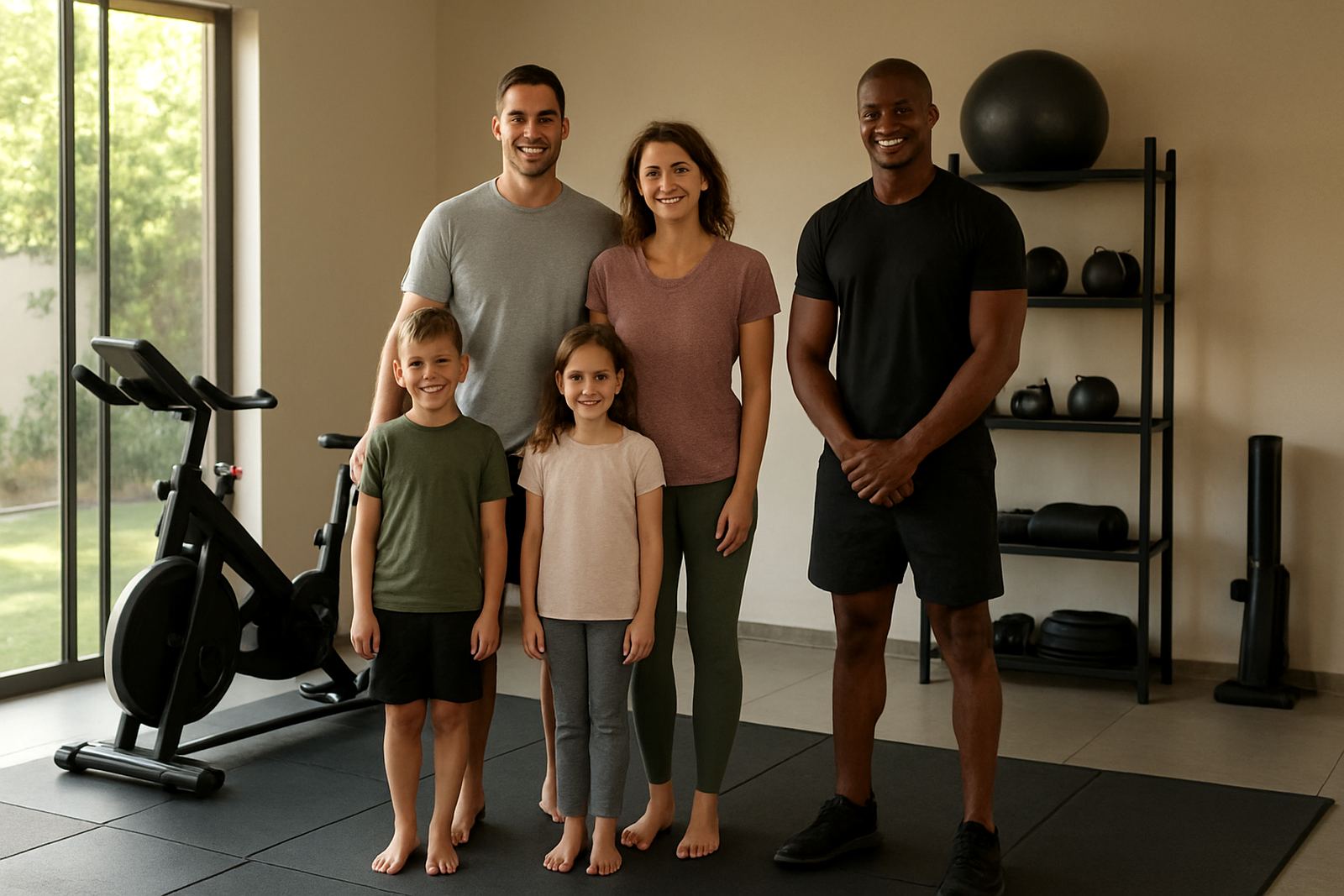
Mobility coaching is for people who want to train regularly but also want to move without stiffness, pinching or that tight feeling that builds up after long days at a computer or a hard gym session. We focus on practical movement work for shoulders, hips, ankles, thoracic rotation and the lower back, with simple routines that fit into real life. The aim is not to turn stretching into a full time job, but to help you warm up properly, recover faster and keep form cleaner during squats, presses, rows and cardio work.
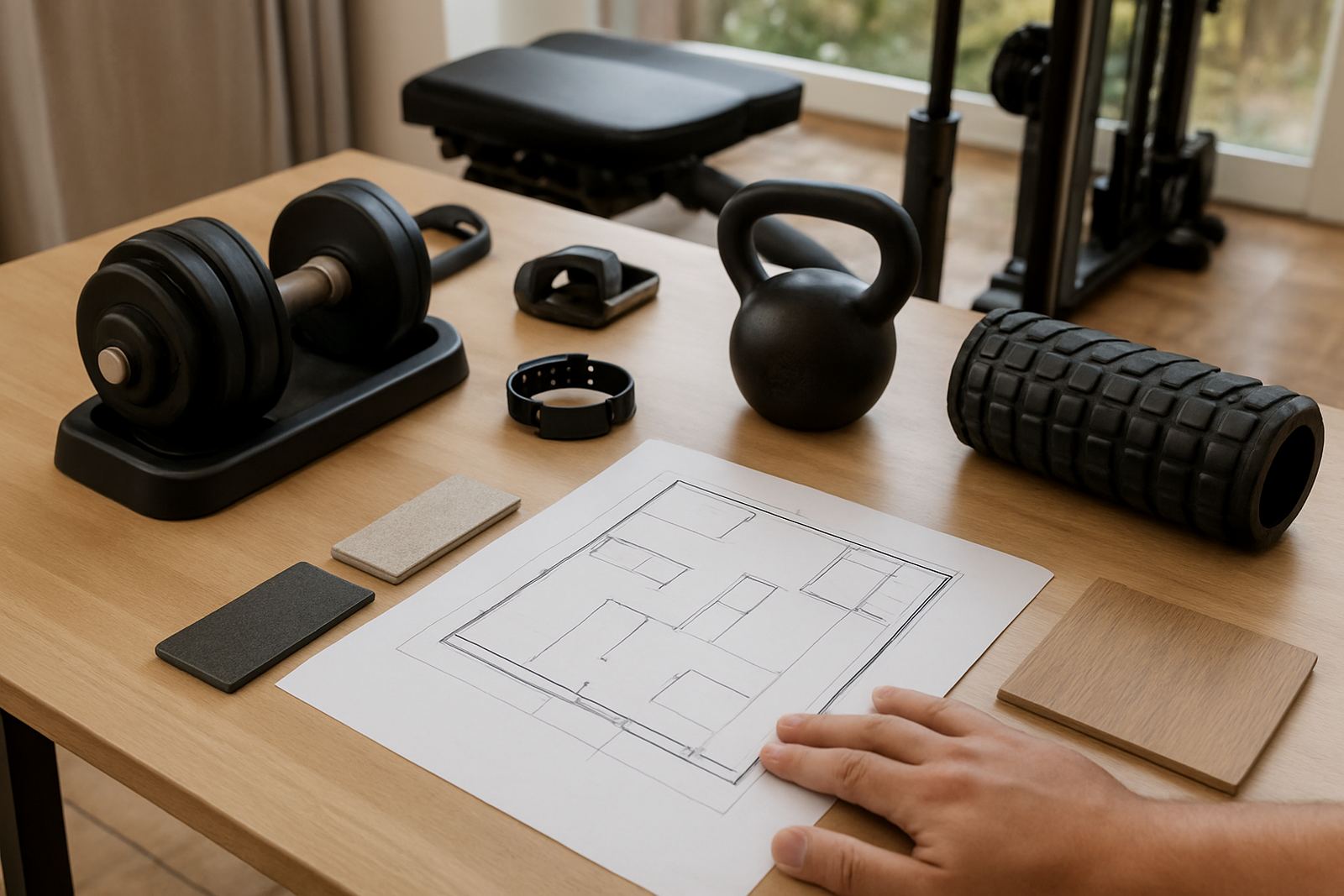
For homes in Fourways, Sandton, Midrand and across the country, the setup is straightforward. We assess the type of training you are doing, how much space you have, and whether you need light recovery tools such as a mat, foam roller, massage ball or resistance band set. If you already own equipment, we work around it. If not, we recommend only what you will actually use, not a long list that just gathers dust.
What Is Included in a Mobility Coaching Session
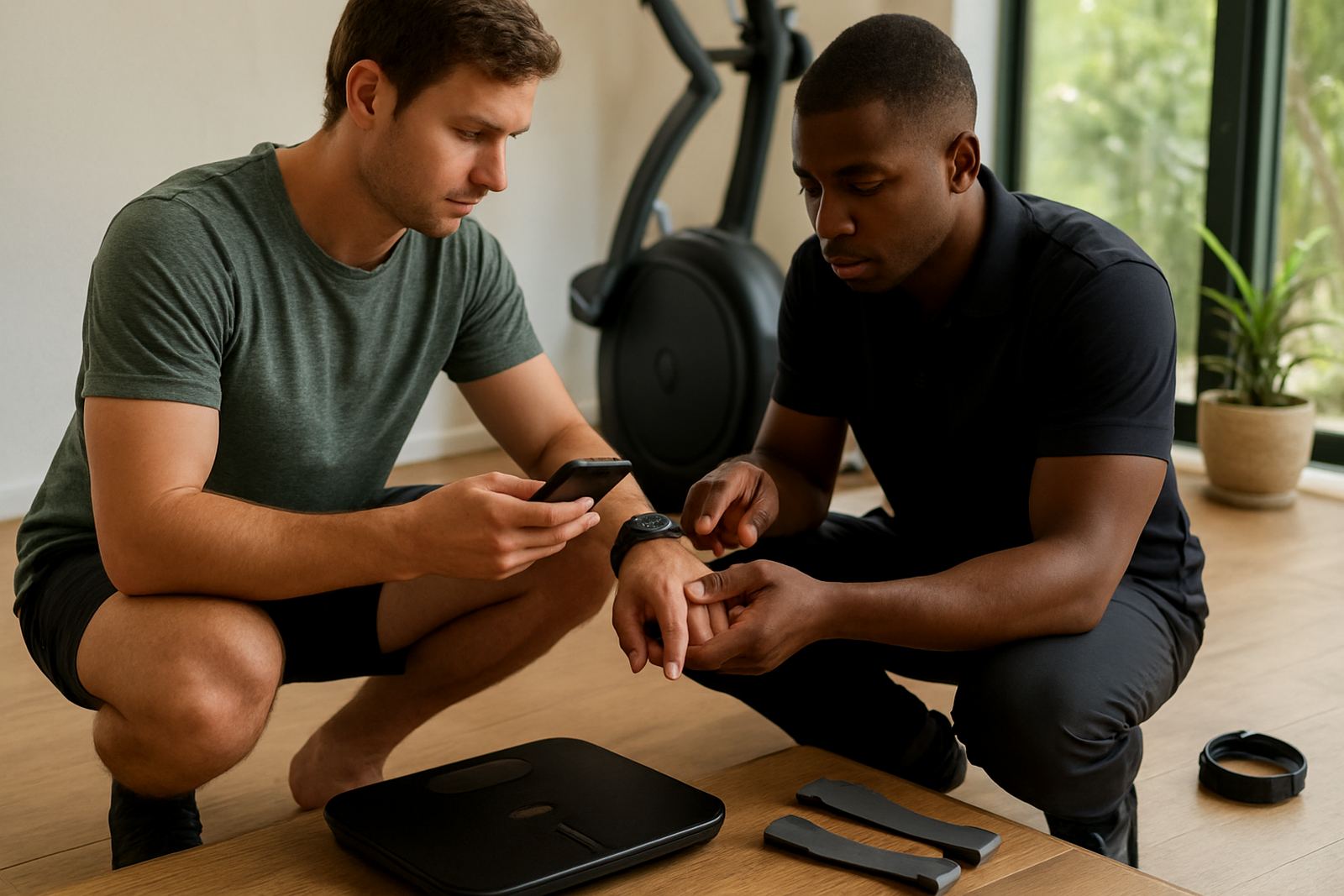
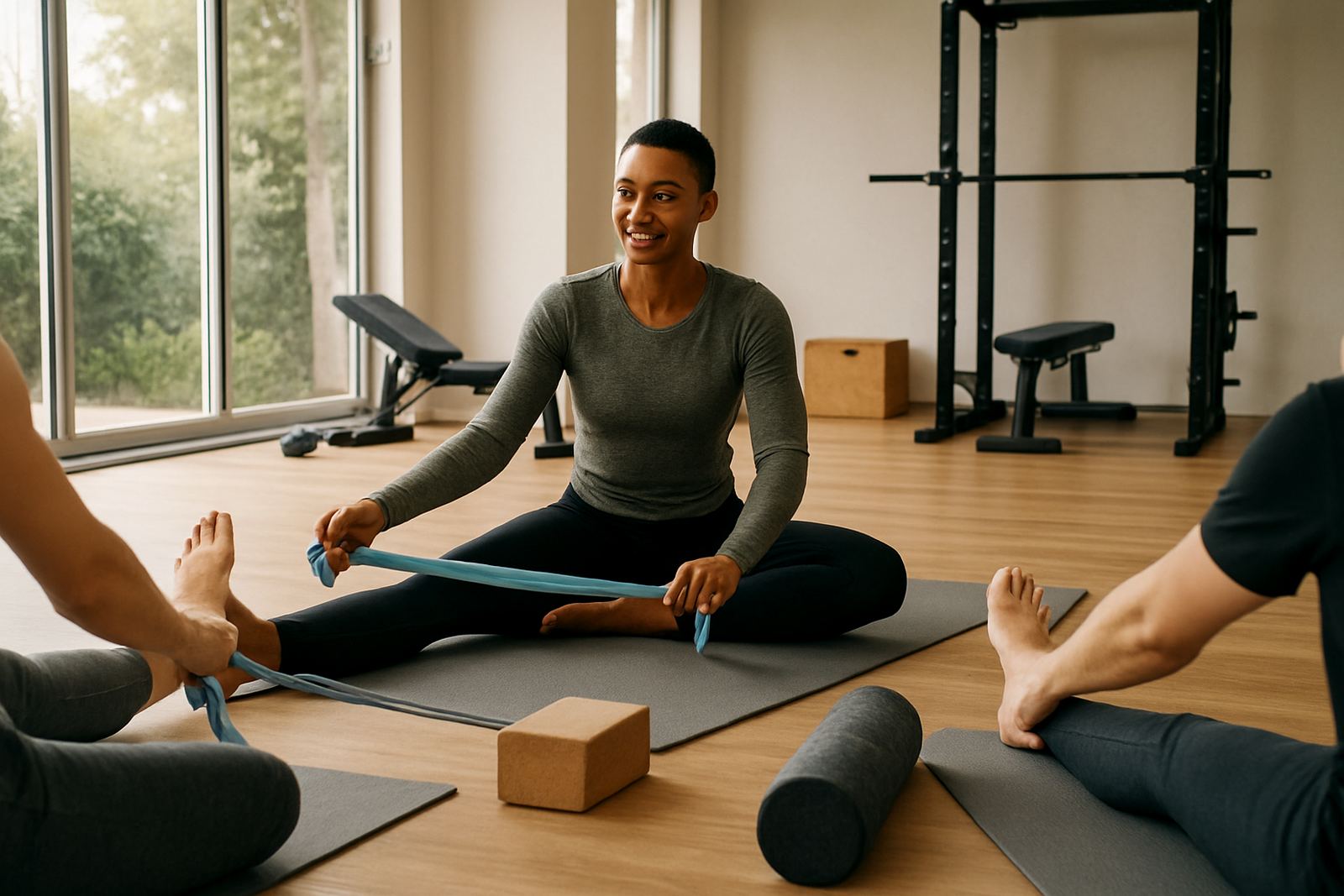
Each coaching session is shaped around your current movement limits, training goals and recovery habits. You can expect guided work for joint prep, active stretching, cooldowns and simple drills that improve control. We also look at sleep, counter time, commute stress and how often you train during the week, because tightness rarely comes from one thing only.
- Movement check for hips, shoulders, ankles and spine
- Stretching plan for pre training and post training use
- Recovery tool guidance for mats, rollers, balls and bands
- Training form notes where mobility is limiting performance
- Simple home routine that takes 10 to 20 minutes
- Progress markers so you can see if range and comfort are improving
We also help you decide when to use mobility work and when to rest. If a joint feels sore after a session, the answer is not always more stretching. Sometimes you need lower intensity work, more hydration, better load management or an extra recovery day. That kind of judgement matters, especially when people are training around family time, shift work or load-shedding interrupted schedules.
How We Set Up Your Mobility Plan
The process starts with a short intake so we can understand your movement goals, training style and any repeat problem areas. After that we map out a plan that is realistic for your space and your week. Someone in a small apartment in Randburg will need a different routine to a family using a garage gym in Pretoria East, so we keep the plan specific rather than generic.
- Step 1: Tell us about your training, pain points and daily routine
- Step 2: We identify the main areas that need better movement quality
- Step 3: You receive a practical routine and tool suggestions
- Step 4: We check that your setup works in your home space
- Step 5: Adjustments are made after a few sessions if needed
For most standard requests, the first coaching outline is prepared after we have the needed details. If you need more detail for a family plan or a mixed programme with strength and cardio, it may take extra planning, and we keep the process clear. We serve Johannesburg and nationwide, with support through our contact form and virtual check ins where needed.
Recovery Tools and Home Equipment We Recommend
Mobility coaching often works best when it is paired with the right tools. We do not overcomplicate it. A good mat, one or two resistance bands, a foam roller and a compact massage ball will cover most home routines. For people doing more demanding training, we may suggest a split squat block, a stretching strap or a compact recovery kit that stores easily in a cupboard or under a bed.
Typical specs we work with include mats around 6 mm to 10 mm thick for comfort and floor grip, bands in light, medium and heavy resistance, and rollers with a medium density that does not feel too hard on the first use. For apartments or smaller homes, compact gear matters because it needs to fit between sessions and not take over the room. In coastal areas, we also suggest checking metal parts for moisture and wiping equipment down after use, especially if the air is damp. That small habit saves money over time.
- Non slip mat for floor work and kneeling drills
- Resistance bands for activation and controlled stretching
- Foam roller for back, glutes, quads and calves
- Massage ball for feet, upper back and tight glute areas
- Light storage basket or bag for easy tidying
Pricing Approach and What Affects the Cost
Mobility coaching is priced according to the level of support you need, the number of sessions, and whether you want it as a stand alone service or as part of a broader training plan. A simple starter plan costs less than a more detailed package that includes virtual follow ups, family use, or combined strength and cardio programming. We keep pricing practical and explain it before any work starts.
For many clients, the best value is a short coaching block rather than a once off session only. That gives enough time to test the routine, see how your body responds and make small changes where needed. If you already have the equipment, the cost stays lower. If you need recovery tools included, we will outline the items clearly so there are no surprises. Payments are handled in Rand and support is available for Johannesburg, Gauteng and nationwide delivery orders.
Maintenance Intervals and How to Stay on Track
Mobility work is not something you do once and forget. The body changes with training load, age, stress and even weather. We normally suggest a quick daily routine of 10 to 15 minutes, plus a longer reset session once or twice a week. If you are training hard, sitting for long hours or recovering from a heavy block, a slightly higher frequency may help. The goal is consistency, not punishment.
Equipment maintenance is simple. Mats should be wiped after use and left to dry flat. Bands need to be checked every few weeks for small cracks or weak points, especially if they are used often. Rollers and balls should be cleaned regularly, and anything stored in a garage or near a window should be kept away from direct sun. In damp or coastal conditions, a quick dry-off after use is worth it. If you notice a tool slipping, tearing or losing shape, replace it before it becomes a problem.
We also recommend a review of your mobility plan every 6 to 8 weeks. That is usually enough time to see whether your range of motion has improved and whether the routine still matches your training. If your goals change, for example moving from fat loss to strength work, the mobility focus should change too. We keep the adjustments simple, practical and easy to follow.
Key facts
| Service area | Fourways, Sandton, Midrand, Randburg, Roodepoort, Pretoria East and nationwide |
|---|---|
| Session type | Virtual coaching with practical home routines and equipment guidance |
| Routine length | 10 to 20 minutes per session, with weekly review options |
| Common tools | Mat, resistance bands, foam roller, massage ball, stretching strap |
| Review interval | Every 6 to 8 weeks for most home training plans |
| Typical turnaround | 2 to 4 working days for an initial coaching outline |