Why family training needs a different setup
A family home gym is not the same as a solo workout space. One person may want strength work before school drop off, another may need low impact cardio after work, and younger teens often need simple, supervised training that keeps form and safety first. The right setup lets everyone use the space without moving half the house around.
In Johannesburg homes, especially in Fourways, Sandton, Midrand and Randburg, space is often shared with a TV room, study nook or garage parking. That means the gear has to be compact, quick to pack away and tough enough for daily use. It also needs to cope with load-shedding, heat and dust, so anything electronic should be easy to store and keep charged.
For many households, the goal is consistency rather than fancy gear. A few well chosen pieces can support walking, strength, mobility and weight management for the whole family. That is where planning matters, because a good family setup saves money and makes it easier for everyone to keep going.
Typical family training kit for mixed ages
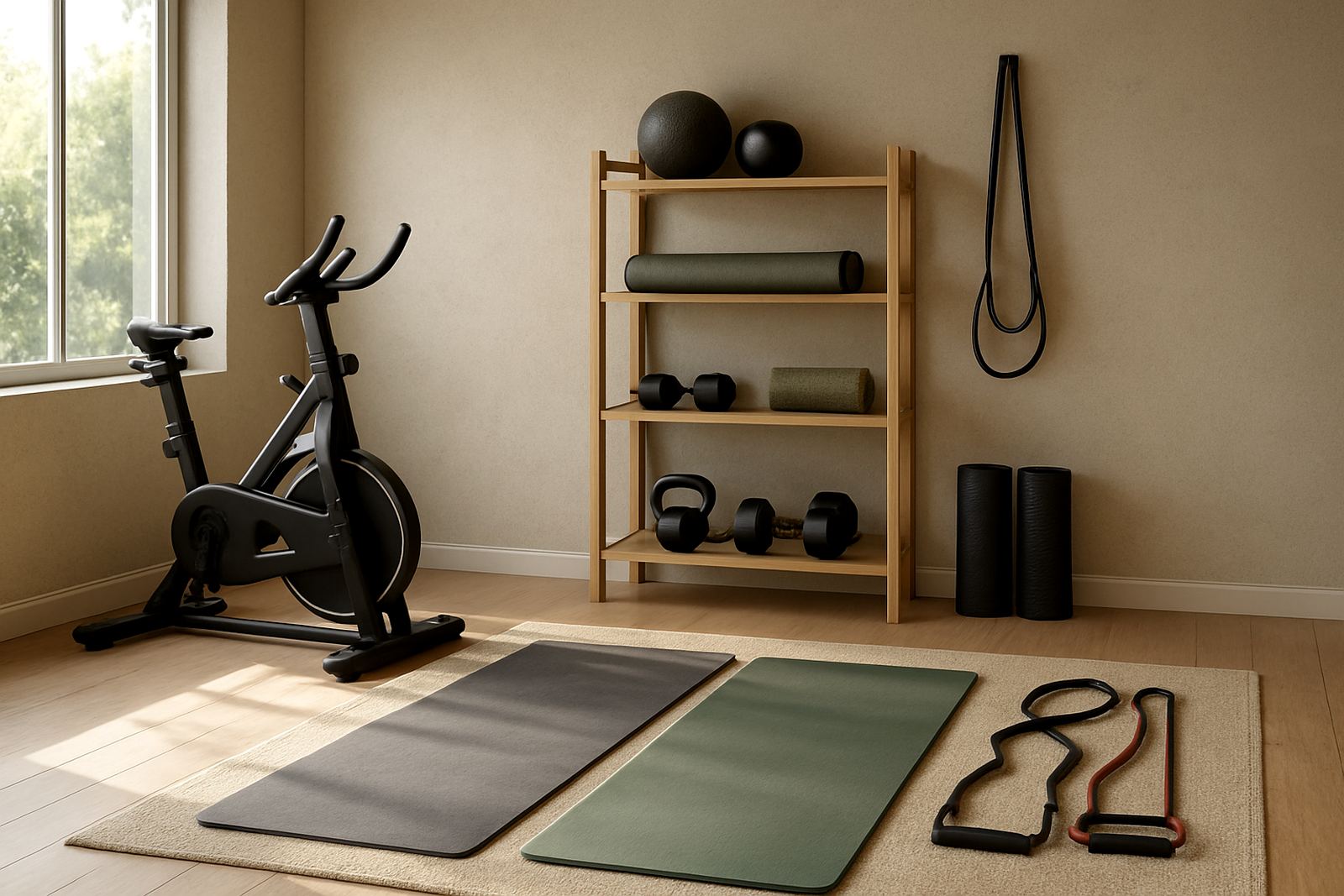
A balanced kit usually starts with items that suit both beginner and regular users. The mix depends on available space, current fitness levels and whether the family wants cardio, strength or general conditioning. In most homes, a sensible starting point is compact and flexible rather than oversized.
- Adjustable dumbbells or fixed light to medium dumbbells for strength and mobility work
- Resistance bands for warm ups, rehab style movement and assisted exercises
- A folding exercise mat for floor work, stretching and core training
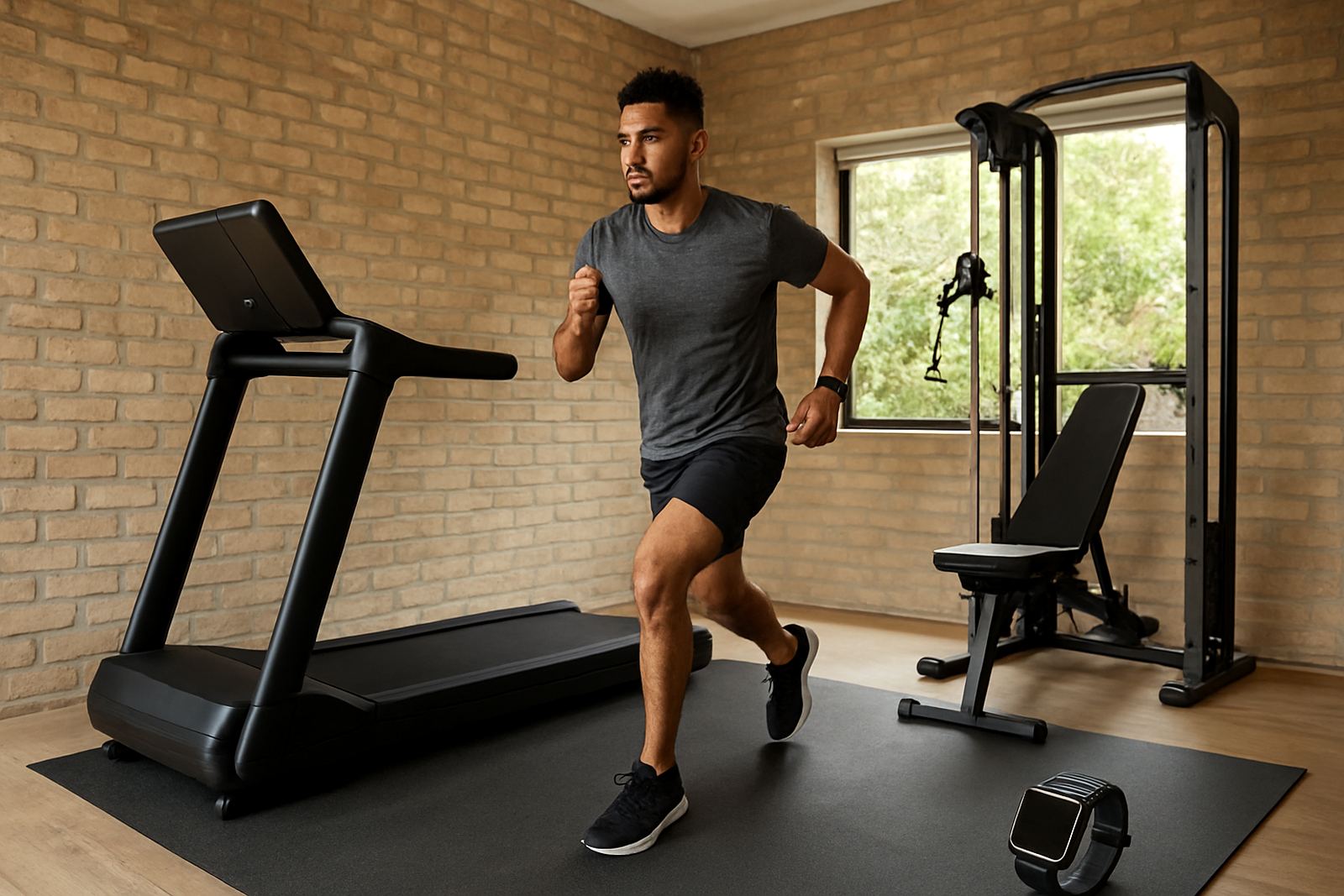
- A smart fitness tracker for daily steps, heart rate and activity goals
- A compact bike, treadmill or rower where budget and floor space allow
- Small storage options for weights, bands and accessories so the room stays usable
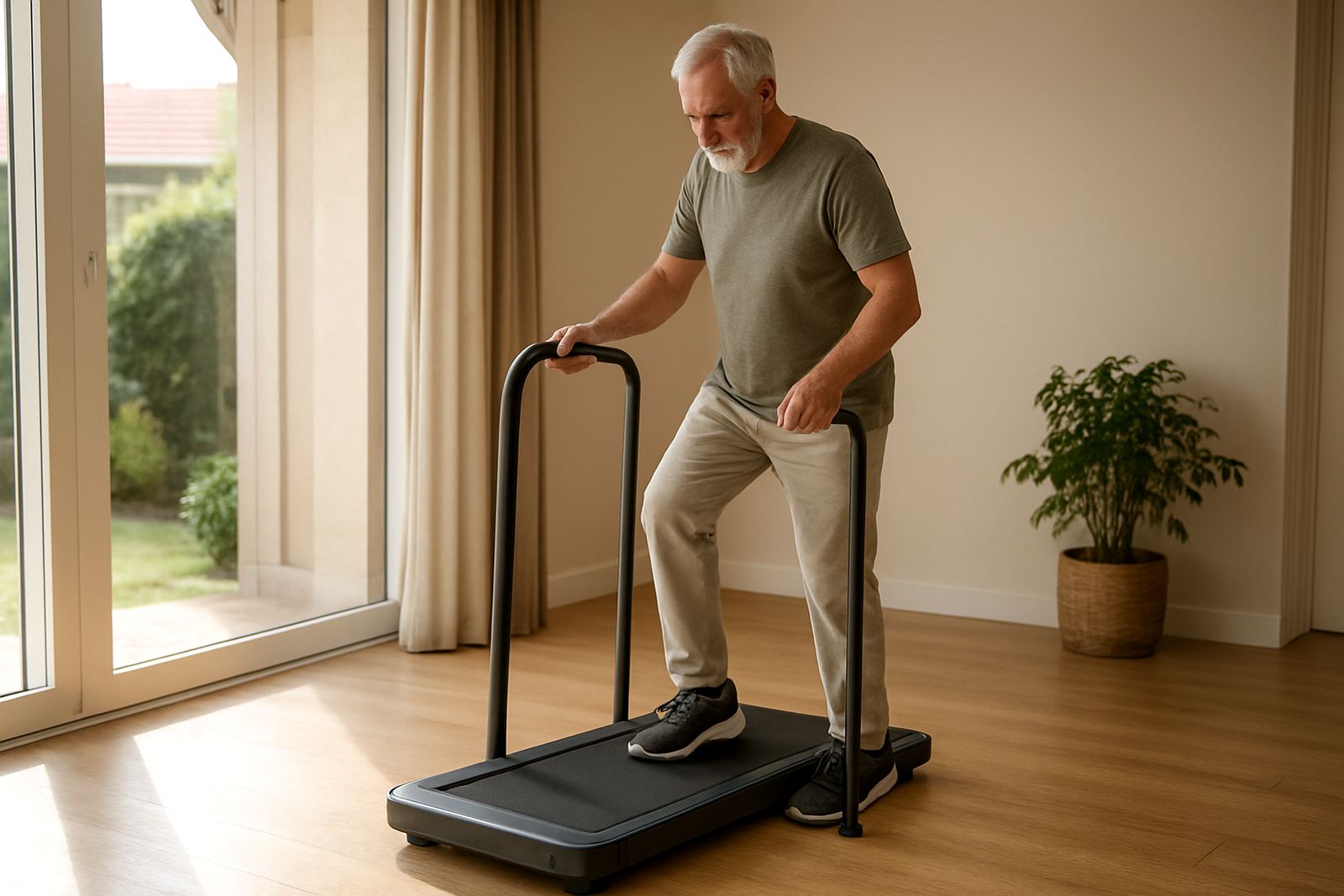
For families with children or older parents, the emphasis should be on safe resistance levels and easy exercise progressions. You do not need heavy machines to get moving. Many households do well with a simple strength corner, one cardio machine and wearable trackers for each active member. It keeps training practical and prevents gear from sitting unused in a corner.
How to plan the room so everyone can use it
Good layout makes family training easier from day one. Start by choosing one clear zone in the house, garage or covered patio. Leave enough floor clearance for bodyweight work and make sure the space allows two people to move without bumping into each other. If the area is near a bedroom or shared living room, look at noise levels before placing a treadmill or bike there.
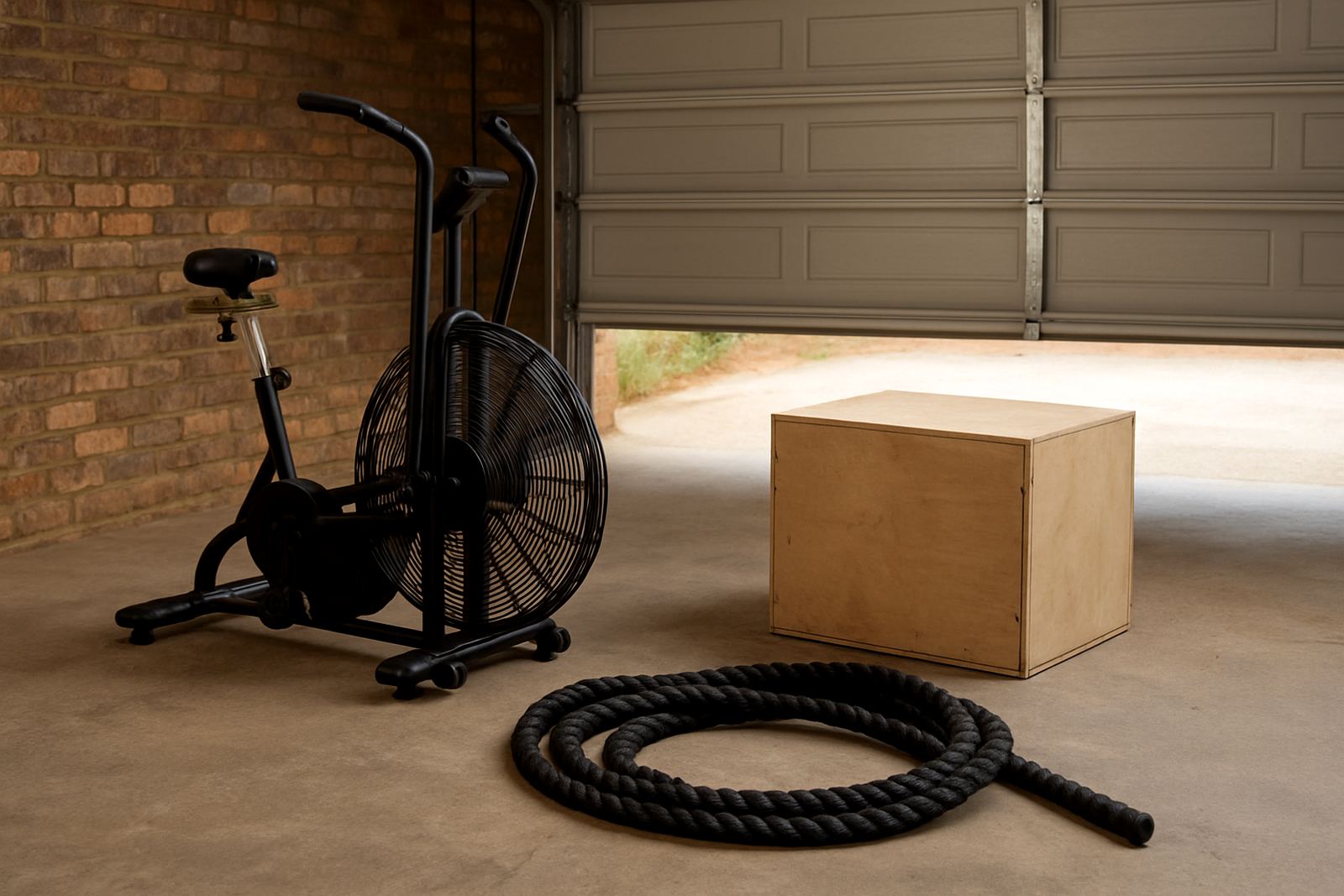
In coastal or humid areas, gear should be stored off damp floors and wiped down after use. In Gauteng, dust and dry air are more common, but you still need a simple cleaning routine and a safe spot for charging trackers and consoles during power cuts. If you are using a garage, check ventilation and lighting, because training in a dark hot space tends to kill the mood pretty fast.
Families in Pretoria East, Roodepoort and Midrand often ask for setups that can be used in 20 to 30 minute blocks. That is a smart approach. Short sessions fit around school runs, work calls and sports practice. It also helps children and beginners stay focused without feeling overwhelmed.
- Keep the main walking path open so the room still functions for daily use
- Place mirrors only where they help form checks, not where they create glare
- Use one charging point for trackers and portable equipment
- Store weights low and near the wall for safer access
Common mistakes families make when buying equipment
One of the biggest mistakes is buying too much at once. Families often start with large machines that look useful, then realise the space feels crowded and the younger members avoid using it. Another common issue is choosing equipment that suits only one person, which leads to arguments and wasted money.
Some households also skip planning for the floor finish. A hard concrete garage floor can be rough on joints and noisy in the evening. Mats, rubber tiles or proper underlay can help a lot, especially if someone wants to train early or late. Another mistake is ignoring how the family actually trains. If nobody enjoys long cardio sessions, then a big machine may not earn its keep.
The aim should be fit for purpose, not full of extras. A practical setup can grow over time. Start with the basics, see what gets used and then add equipment that matches real habits. That approach usually works better than trying to build a complete gym in one go.
Budget ranges that make sense in Rand
Family training budgets can be modest or quite substantial, depending on how much equipment you want and how many users need trackers. For a starter setup, many households spend between R3 500 and R8 500 on mats, bands, light weights and one or two trackers. This is enough for basic daily movement, mobility and beginner strength work.
A more balanced home training space with a bike or compact cardio machine, better storage and a few sets of weights usually falls in the R9 000 to R22 000 range. Larger family setups with multiple trackers, adjustable weights and more advanced cardio equipment can move into the R25 000 to R45 000 range. The right number depends on whether you want a shared fitness corner or a full training room.
It helps to spend first on the items that will be used most often. For most families, that means trackers, mats, bands and one main strength option. If money is tight, build in phases. It is better to have a setup that gets used every week than one that looks impressive but gets ignored.
Tracker setup and programme support for shared goals
Wearable trackers are useful in family homes because they keep goals clear without turning exercise into a competition. Step counts, active minutes, heart rate and sleep trends help each person follow their own pace. That is especially helpful when adults are training for weight loss and children or teens are just building healthier habits.
FitSmart can help with equipment onboarding, tracker setup help and family fitness plans so the whole household understands how to use the gear properly. We also support starter programmes, strength work, cardio routines, mobility coaching and virtual check ins. That support is handy when one family member is confident and another still needs guidance with posture or pacing.
- Set separate goals for adults, teens and older family members
- Use the tracker data to build weekly movement habits, not just daily targets
- Keep one simple routine everyone can follow on busy days
- Review progress after a month and adjust the plan if needed
When everyone knows what they are doing, the equipment gets used more often and there is less friction around training time. A family setup should feel practical, not like another admin task.