Training Goals for Athletes Working Outside Formal Facilities
Sport conditioning usually sits between general fitness and full competition prep. The aim is to build explosive output, anaerobic capacity, repeat sprint ability and enough endurance to hold form when the session gets ugly. For many athletes in Fourways, Sandton, Midrand and the wider Gauteng area, training happens at home before work, after school runs, or between loadshedding windows, so the equipment needs to be quick to use and easy to store.
The right setup depends on the code, but the pattern is similar. You need tools for short high-intensity bursts, tempo work, mobility and recovery. That means not only machines, but also items that let you track heart rate, work intervals and recovery time. A good plan keeps the athlete honest, because it is very easy to under-train when the kit is too basic, or overdo it when the space is not planned properly.
Typical Conditioning Kit for Home Use
A balanced home conditioning area does not need every possible machine. It needs the right mix for repeated sessions and low fuss setup. In most homes we work with a combination of compact cardio tools, free-weight items and tracking equipment. For coastal areas like Durban and George, we also factor in humidity and storage, because metal fittings and floors need a bit more care.
- Smart fitness tracker for heart rate, recovery and interval timing
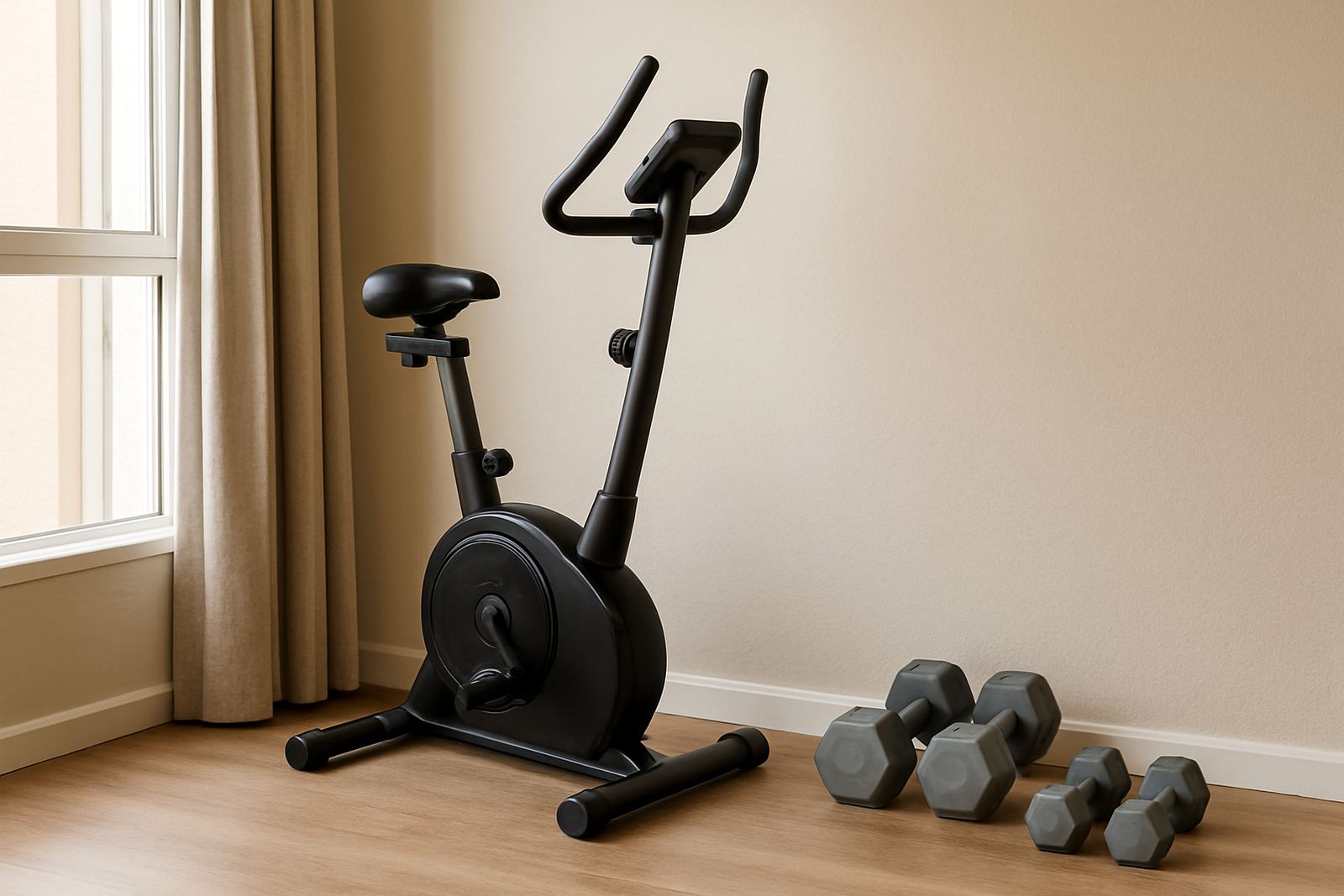
- Adjustable dumbbells or kettlebells for power and strength circuits
- Skipping rope for fast footwork and conditioning blocks
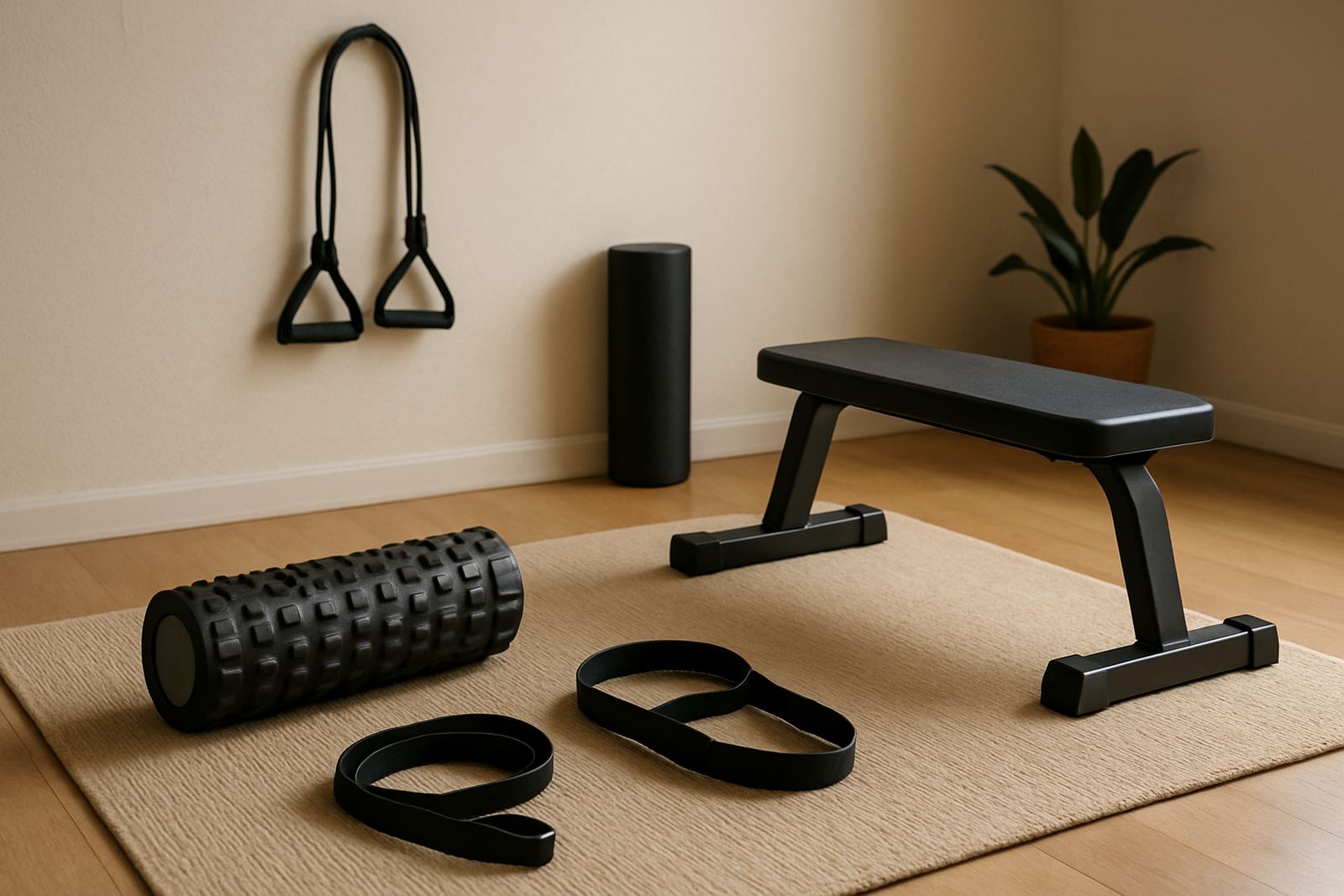
- Resistance bands for activation, warm-up and accessory work
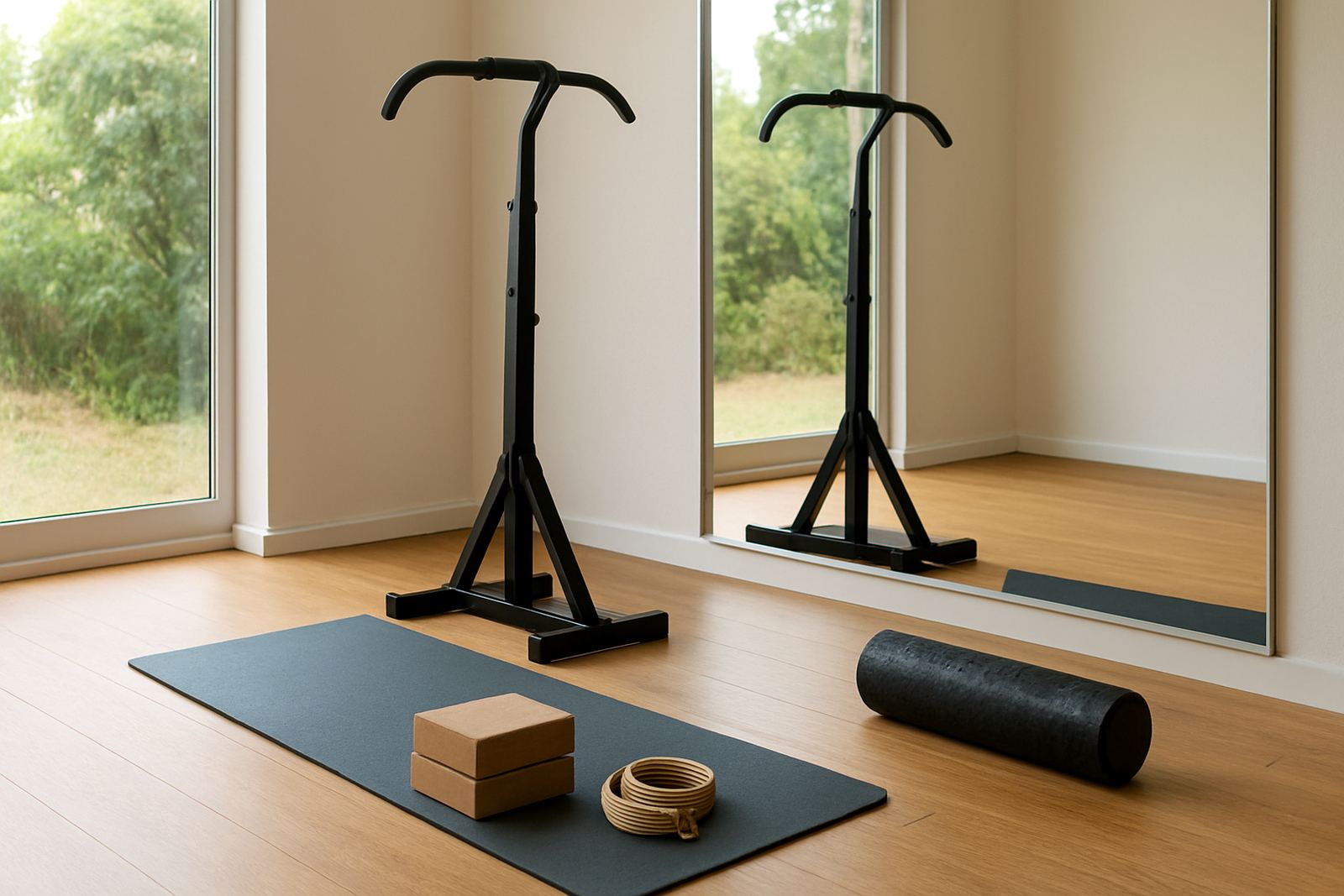
- Exercise mat and floor protection for mobility and core work
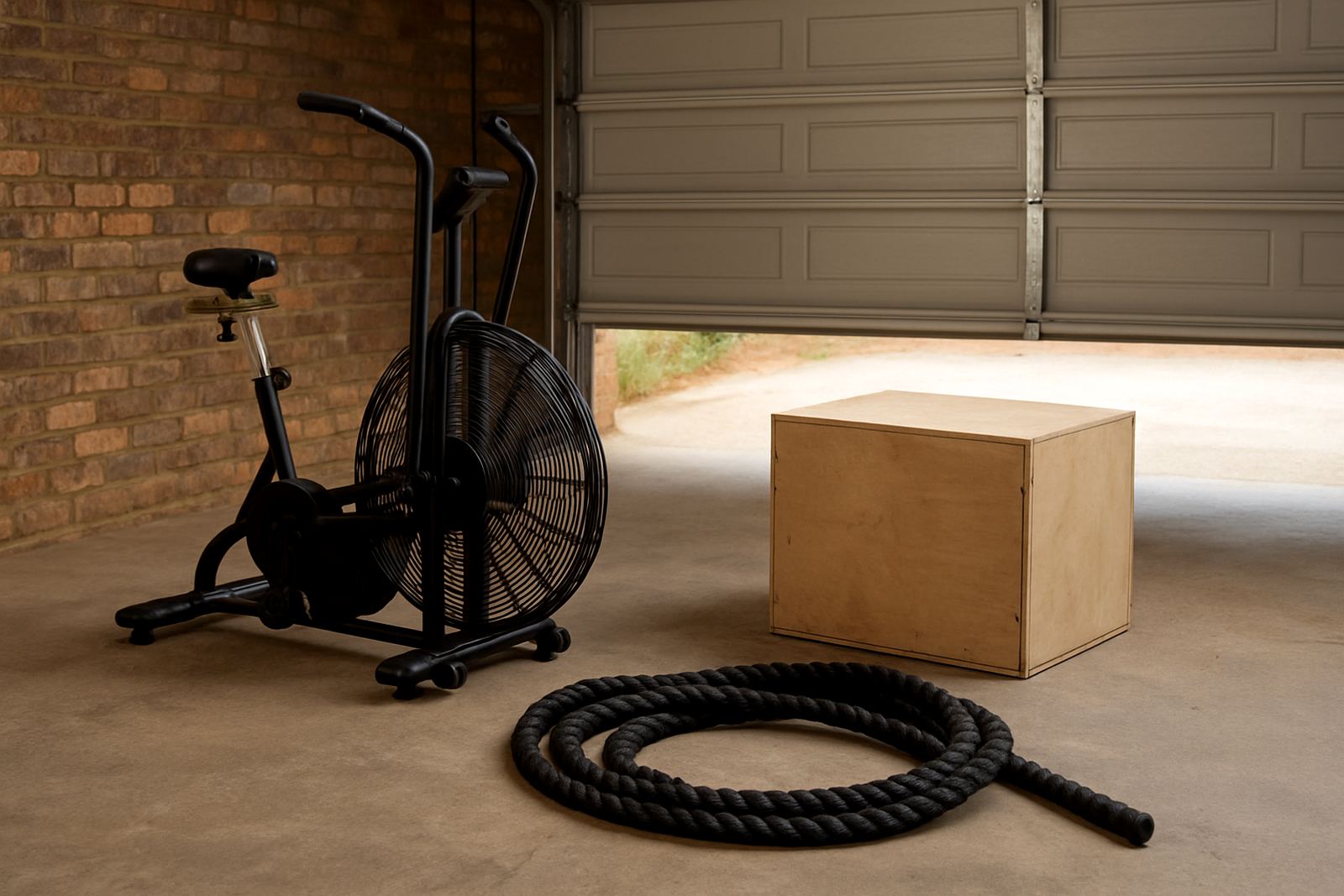
- Compact cardio unit such as a bike, rower or treadmill for tempo sessions
- Medicine ball or slam ball for explosive throws and rotational work
If space allows, a pull-up station or sturdy frame is useful for upper body control and trunk strength. Athletes working on field sports often need sled-style work or resistance drills too, but these must be matched to the available floor space and surface strength.
Layout Planning That Keeps Sessions Moving
The biggest mistake in sport conditioning is building a corner that looks ready but wastes time between drills. A proper layout should let the athlete move from warm-up to power work to aerobic finishers without carrying equipment across the room every minute. In a garage, spare room or patio, leave a clear training lane of at least 2.5 to 3 metres if possible, and check ceiling height before buying taller gear.
We normally separate the space into three zones. First is the prep zone for shoes, tracker and mobility. Second is the work zone for lifting, skipping or shuttle drills. Third is the recovery zone for stretching, breathing and post-session notes. If the floor is tiled or concrete, use mats to reduce noise and protect joints. In complexes and sectional title units, this also helps with municipal and body corporate noise complaints.
- Keep frequently used items within one reach, not stacked in boxes
- Use storage that keeps cables and bands off the floor
- Place cardio units near ventilation or a fan
- Allow safe clearance around moving equipment
- Check power points if the unit needs charging or plug-in use
Common Setup Errors We See in Home Sport Conditioning
Athletes often start with one big purchase and then discover they lack the smaller items that make training useful. Another common issue is buying heavy equipment before checking floor strength, access paths or delivery measurements. A treadmill that fits the budget but not the room becomes a storage problem very quickly.
Another mistake is ignoring progression. If the setup only suits one type of session, the athlete gets bored or plateaus. Conditioning should cover explosive work, steady aerobic work and recovery. In South African homes, we also see poor planning around power cuts. If your session depends on a single plug-in machine, load-shedding can interrupt the routine unless there is a backup plan with manual equipment.
- Buying too much at once instead of building in stages
- Choosing kit that is too light for the athlete’s bodyweight or sport demands
- Using smooth flooring without mats or grip support
- Skipping heart rate tracking and recovery measurement
- Placing equipment where it blocks doors, windows or parking access
Budget Ranges in Rand for Practical Setups
Budget depends on the athlete’s level and the type of work being done. A compact starter conditioning setup can begin around R3 500 to R8 000 for bands, a tracker, skipping rope, mat and a few strength items. This is suitable for mobility, aerobic base work and short home sessions.
A more complete mid-range setup usually falls between R12 000 and R35 000. That range can include an adjustable strength option, a better cardio machine, more durable flooring and extra recovery tools. For serious sport conditioning, full home zones can move into R40 000 to R90 000 or more depending on machine choice, floor covering and whether installation is needed. The best spend is not always the biggest one, it is the one that matches the athlete’s weekly schedule and training goals.
For families in Pretoria East, Randburg or Roodepoort, we often recommend phased buying. Start with the items that will be used three to five times a week, then add specialty gear once the routine is settled. That reduces wasted spend and helps the athlete stay consistent.
How FitSmart Supports Sport Conditioning Setups
FitSmart works with athletes, parents and home users who want a conditioning space that is practical from day one. We help with equipment selection, tracker setup, home gym planning and programme support that includes starter, strength, cardio and mobility sessions. If the athlete trains with the family at home, we can also shape the setup so more than one person can use it without constant adjustments.
Our team in Fourways supports deliveries across Johannesburg, Pretoria and nationwide. For questions on equipment choices, setup or spacing, send a message through our contact form. A good conditioning area should save time, not create it and that is the point of planning properly from the start.