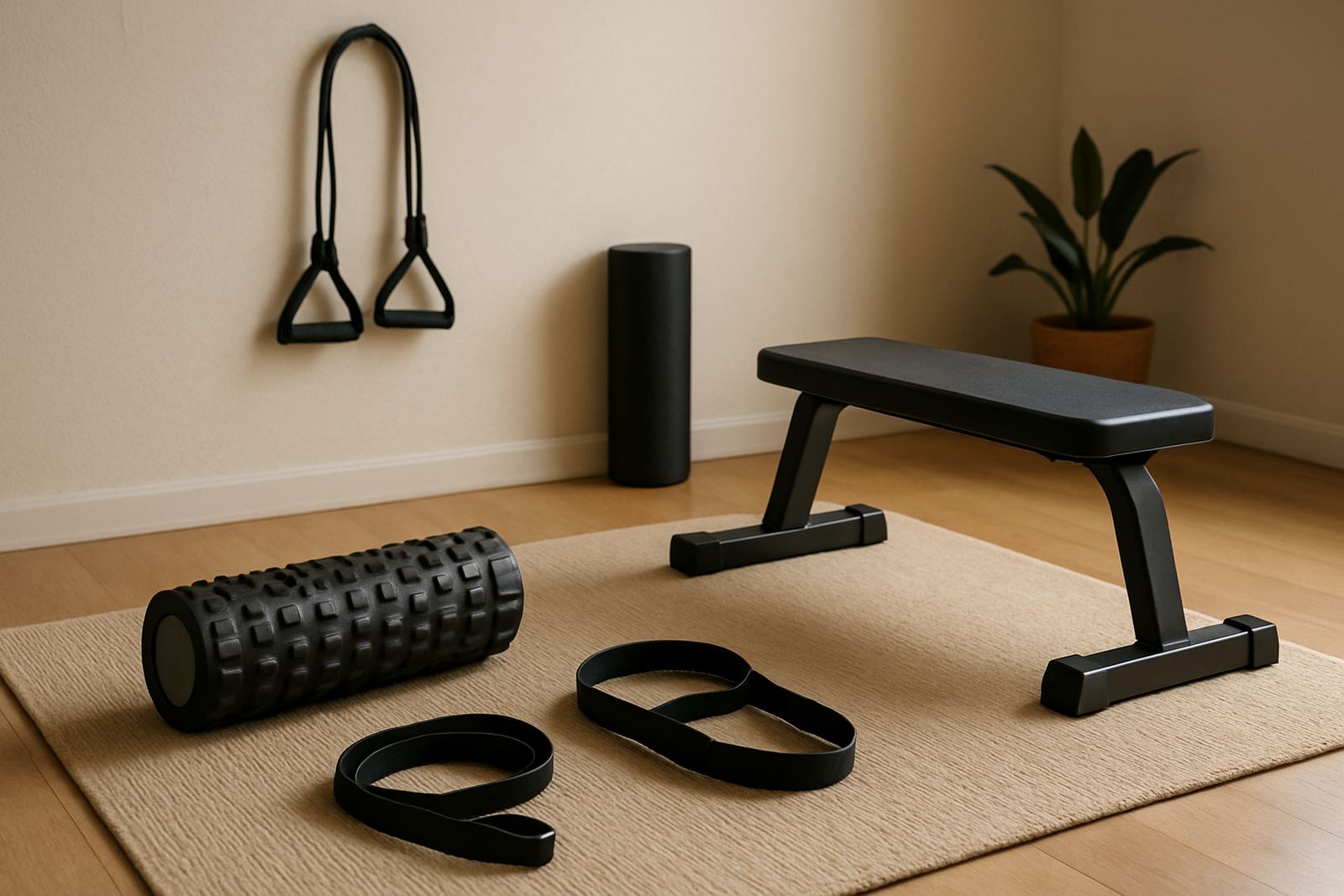
Returning to exercise without pushing too hard
Rehab and recovery customers usually want one thing first: confidence. That might mean easing back after a knee op, managing lower back stiffness, rebuilding strength after illness, or keeping active while a physio has asked for controlled movement only. In that stage, the home space must support short sessions, safe footing and easy monitoring, not a full gym feel.
For many homes in Johannesburg, the plan starts in a spare room, garage or covered patio. The floor should be flat and dry, with enough clear space to step away from walls and furniture. If load-shedding affects your routine, it helps to choose equipment that still works without mains power and can be used in daylight or by torchlight if needed, no fuss.
Typical equipment for gentle rehab work
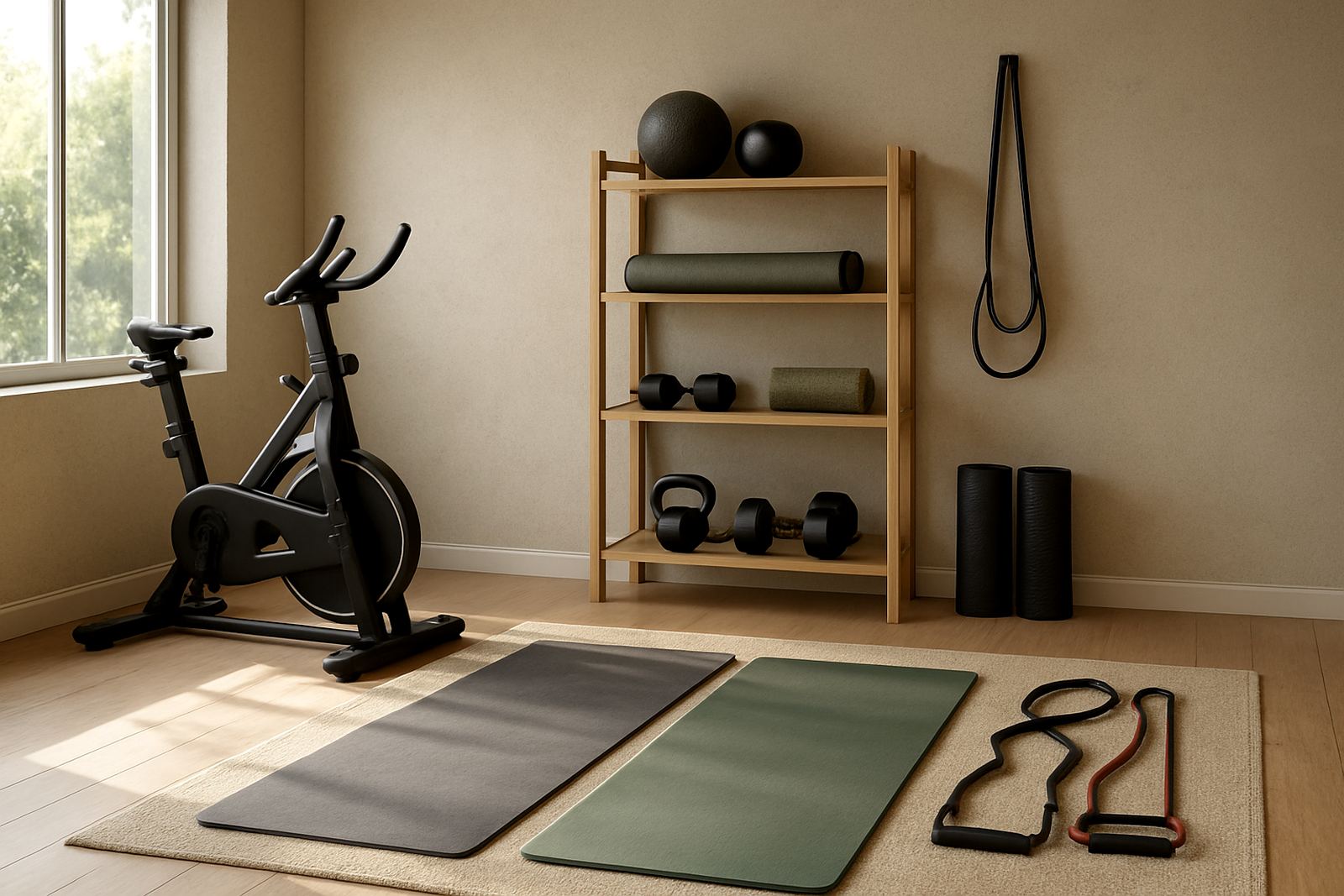
A recovery setup does not need heavy machines. The focus is on low impact tools that help you move a little more each week and track signs that you are not overdoing it. Many customers pair movement tools with a simple tracker so they can see heart rate, steps, sleep and workout time in one place.
- Light resistance bands for activation and assisted movement
- Adjustable hand weights for controlled upper body work
- Foldable exercise mat for floor mobility and stretching
- Balance pad or small step platform for stability drills
- Compact pedal exerciser or low resistance cardio option
- Smart tracker for pulse, recovery trends and daily activity
- Foam roller or massage ball for soft tissue work at home
Where space is tight in Sandton flats or Randburg townhouses, compact pieces are easier to keep in use. A set that stores under a bed or in a cupboard gets used more often, which matters when consistency is the goal.
How to plan the room so movement feels safe
The room should support easy entry and exit, stable footing and clear sight lines. Keep a chair nearby for seated breaks, and do not place equipment where cables, pet bowls or loose rugs can cause a stumble. For older homes in Pretoria East and Roodepoort, check that the floor does not slip on tile when you sweat. A small non slip mat can help a lot.
If more than one person uses the space, separate rehab gear from heavier family training items. That avoids mix ups and reduces the chance of someone grabbing the wrong weight, which is a common mistake when everyone stores gear in one corner. Make sure the tracker charger and any small accessories have a fixed spot, so they are not lost between sessions.
- Leave at least 1.5 metres of open floor for stretches and side steps
- Place a mirror where you can check posture during slow movements
- Keep water, towel and tracker within arm reach
- Use a low box or bench only if your physio has approved it
- Store weights low down so there is no lifting from overhead
Common mistakes we see during recovery phases
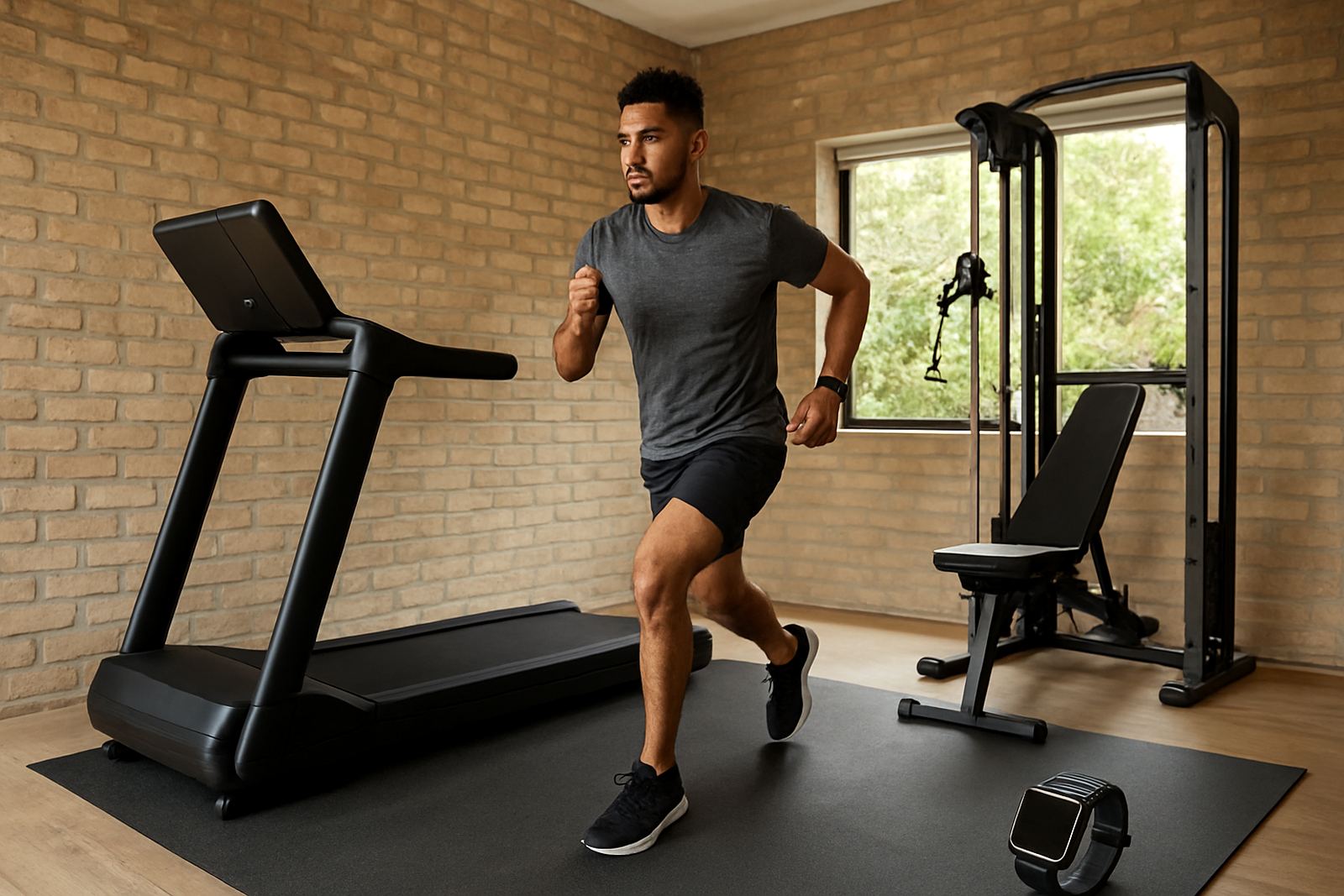
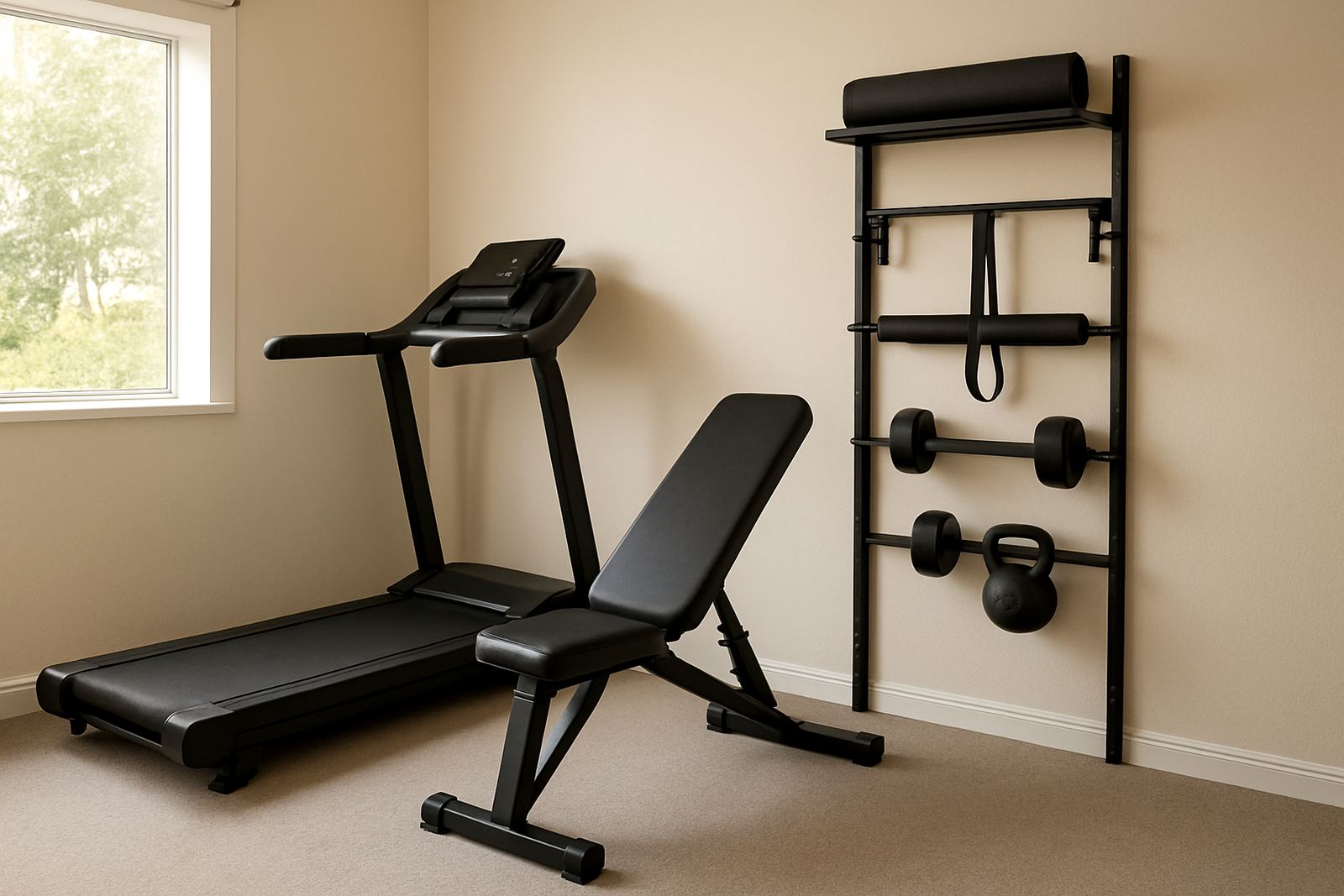
People often buy too much too soon. A large treadmill or heavy weight stack may look useful, but if you are still rebuilding strength it can turn into an expensive clothes rack. Another error is skipping the tracker altogether and judging progress by feel alone. In rehab, day to day changes are small, so having numbers for activity, sleep and pulse can be very helpful.
Another issue is training through pain because the session is going well. Gentle movement should feel controlled, not forced. If the heart rate stays high for longer than expected, or swelling returns after a workout, the setup may be too advanced. Start with shorter sessions and build up slowly. A bit of patience now saves a lot later, thats the honest truth.
Budget ranges for rehab and recovery setups
Budgets vary depending on whether you only need basic mobility work or a fuller home recovery corner. For most households, it is sensible to start small and add pieces only when they are being used regularly. Below are common spend ranges we see from Fourways to nationwide delivery orders.
- R800 to R2,000 for a starter mobility kit with mat, bands and a basic tracker strap or entry level wearable
- R2,000 to R6,000 for a better tracking device, hand weights, balance tools and a pedal exerciser
- R6,000 to R15,000 for a more complete home rehab space with adjustable weights, storage, cardio support and tracking accessories
Delivery costs and installation needs can change the total, especially for larger items going to Pretoria East, Midrand or further out. If you are working to a tight budget, we normally suggest starting with the tools that support daily consistency first, then building from there.
Support for family homes and shared spaces
Recovery work often happens in homes where other people are training too. That is common in Fourways, where one person may be easing back after surgery while another is on a strength plan. In those cases, the safest layout is one that keeps rehab items separate and easy to identify. Labelled storage boxes, a fixed mat area and clear rules around who uses what make a real difference.
FitSmart also supports equipment onboarding, tracker setup help and virtual check ins, which can be useful when you want a second set of eyes on your routine. If you are planning for a parent, a teenager or a busy working adult, the best solution is the one that fits the body, the room and the weekly schedule. Slow progress is still progress, and the right setup helps people keep going.