
When weight loss needs a home routine that actually sticks
Most people do not need a complicated training room to lose weight, they need a space that makes it easier to start. In Johannesburg, where traffic, school runs and long work hours eat into the day, home training often gives better consistency than waiting for a free slot at a gym. A good weight loss setup should help you move more often, track what you are doing and keep sessions short enough to fit into a normal week.
FitSmart works with clients in Fourways, Sandton, Midrand, Randburg, Roodepoort and Pretoria East, as well as nationwide delivery. The aim is practical progress, not fancy kit sitting in a corner. For some households that means a tracker and a walking pad. For others it means a compact bike, a set of dumbbells and a mat. The right plan depends on your space, your budget and how much time you can honestly set aside.
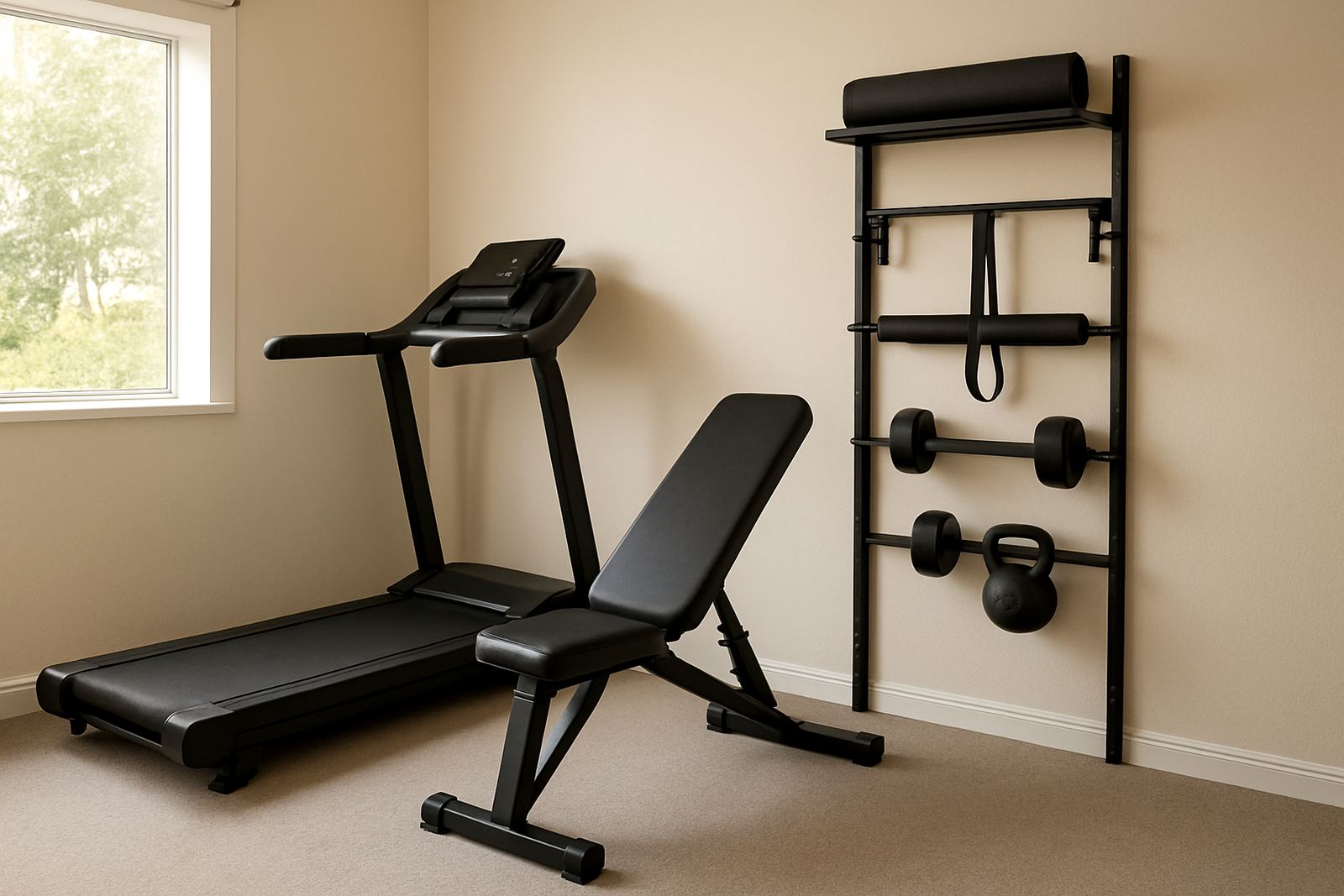
A typical weight loss equipment set for home use
For weight loss, the best setup usually combines cardio for calorie burn, strength work for muscle support, and a tracker to keep the effort honest. You do not need every machine from the start. A simple set up often gives better results because it is easier to use, easier to store and less likely to collect dust after two weeks.
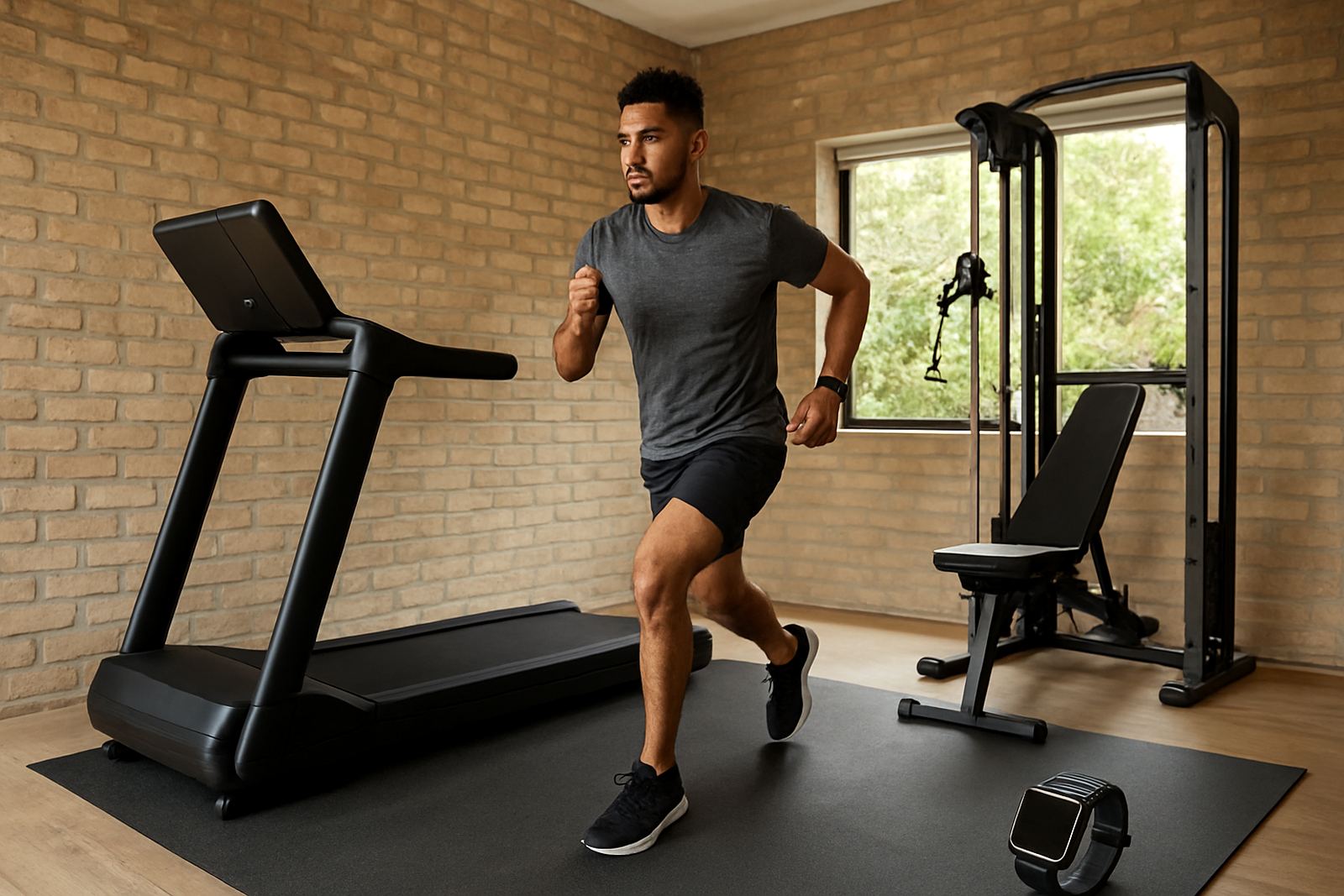
- Activity tracker or smart watch for steps, heart rate and workout timing
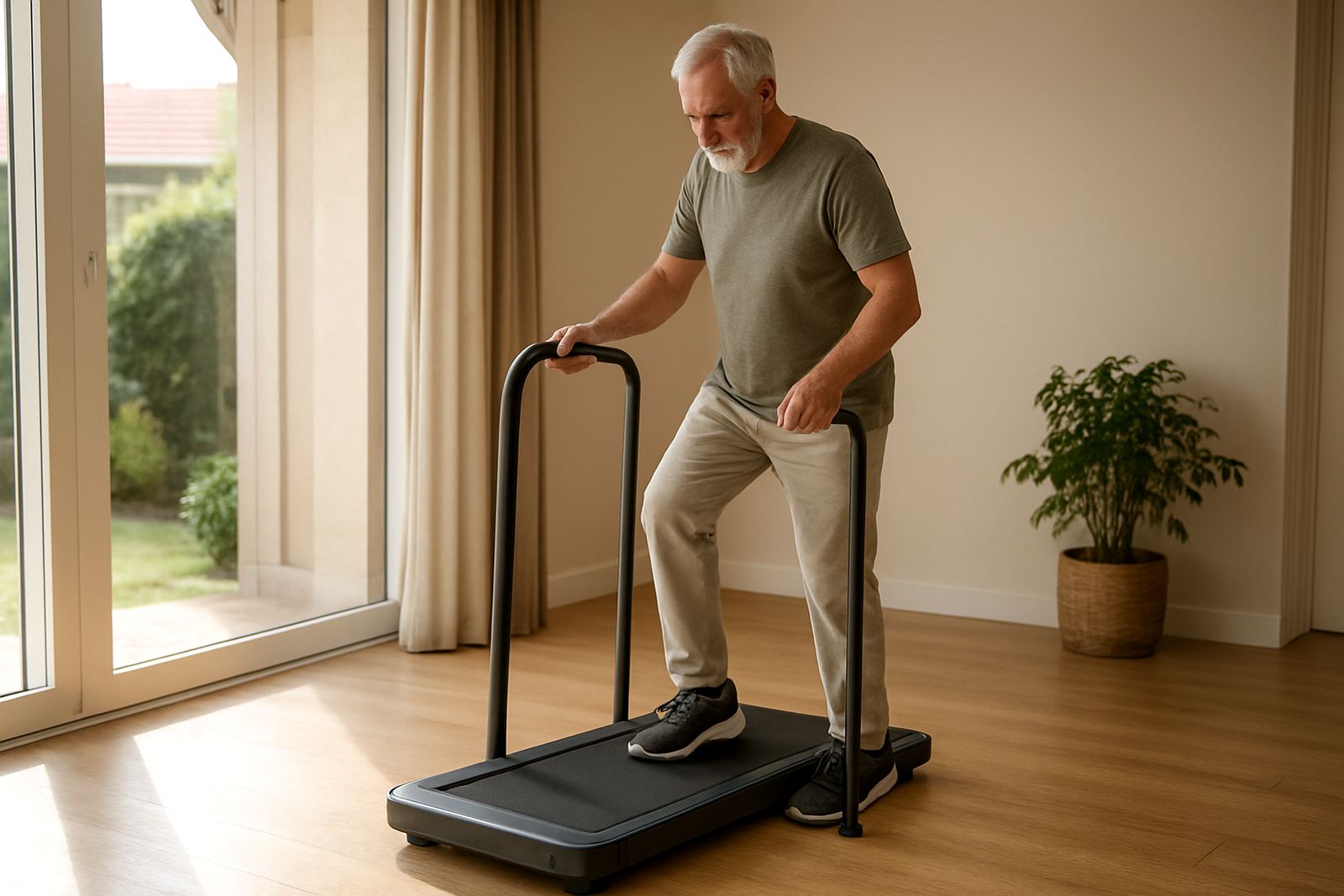
- Treadmill, exercise bike, rowing machine or walking pad for cardio
- Dumbbells, kettlebells or adjustable weights for strength sessions
- Resistance bands for warm ups, mobility and lighter days
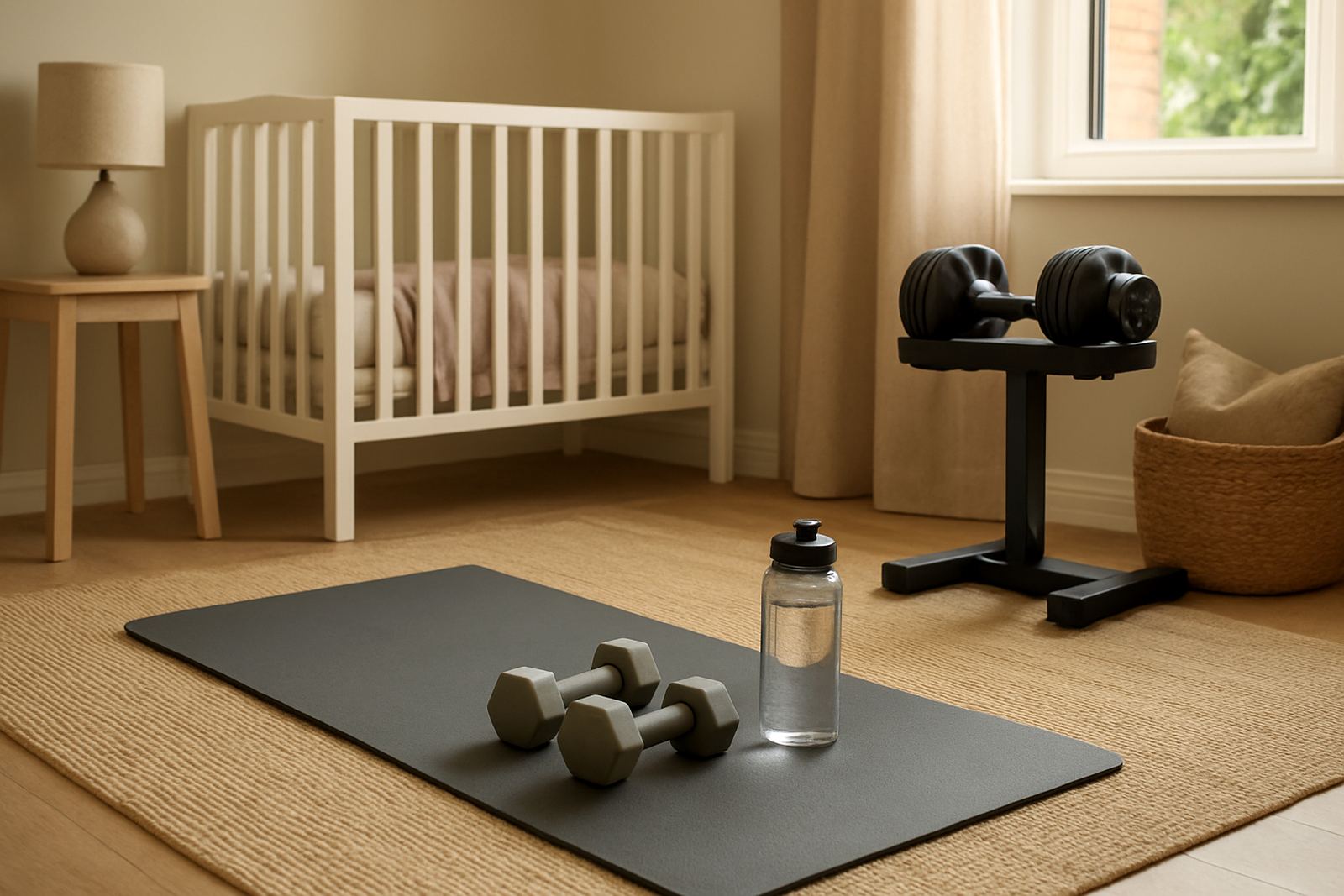
- Training mat for floor work, core sessions and stretching
- Water bottle holder, fan placement and a small storage rack for order
If you live in a townhouse or flat, the quieter machines usually work best. Bikes and bands create less noise than running on a hard floor, and that matters when the neighbours are close. In coastal areas, moisture can affect metal parts, so it helps to store equipment in a dry room and wipe down handles after use.
Planning a small space that supports steady progress
A weight loss setup should fit the way your family actually lives. Before buying anything, measure the room and leave enough clearance to move safely around the equipment. A treadmill or bike needs space for getting on and off, while a mat area should allow arm movement without bumping a wall or coffee table. If the room does double duty as a lounge or spare room, choose items you can move or fold away.
Lighting and power matter too, especially with load-shedding. If your sessions depend on an electric machine, think about where the sockets are and whether an inverter or backup source is needed for regular training. In many homes, the best answer is a mix of low-power kit and bodyweight work so you can train even when the power goes off. That way your routine does not stop when the supply changes.
- Use one clear corner for cardio and one clear strip of floor for strength work
- Keep the tracker charged and near where you change clothes or grab keys
- Store weights low down so they are easy to use and not in the way
- Keep a towel, mat and water together so the session starts quicker
Common mistakes that slow weight loss at home
The biggest mistake is buying too much too soon. Many people start with a full wish list, then realise they only use one or two items. It is better to begin with the basics and add gear once the routine is settled. Another issue is choosing equipment that feels hard on the joints or too intimidating to use after a long day. If a machine feels awkward, it usually gets avoided.
People also forget that tracking matters. A tracker can show whether steps are rising, whether heart rate is getting up and whether sessions are happening often enough. Without that feedback it becomes easy to guess, and guessing does not help when the goal is fat loss. The other mistake is poor layout, where equipment is packed too tight. If it takes effort to unpack the machine every time, the habit breaks down.
We also see homes where everyone wants to use the same machine at the same time. If you are training as a family, it helps to have a second option such as bands, a mat or a lighter pair of weights. That keeps things moving, even when one person is on a school call or another is finishing supper.
Budget ranges in Rand for different starting points
For weight loss, budget depends on how much of the work you want the equipment to do and how much room you have at home. A tracker and a few basics can get you moving for a modest spend, while a full cardio setup costs more but may suit a household that wants daily use. There is no need to overbuy on day one.
- Starter setup: R1 500 to R4 000 for tracker, mat, bands and light weights
- Mid-range setup: R5 000 to R12 000 for a stronger cardio option plus weights and accessories
- Higher-use setup: R12 000 to R30 000 for better built cardio equipment, adjustable weights and storage
If you are comparing options, think beyond the sticker price. Cheap equipment that shakes, squeaks or breaks under regular use often costs more in the long run. It is also worth allowing for delivery and setup if the item is large. In areas like Fourways, Sandton and Midrand, many homes have enough room for a proper layout, but access stairs, security gates and narrow passages can affect what works best.
Support that helps the routine continue
Weight loss is easier when someone helps you match the equipment to the plan. FitSmart offers Home Gym Planning, Equipment Onboarding, Tracker Setup Help, Starter Programme, Weight Loss Coaching, Virtual Check Ins and Family Fitness Plans. That means you can start with the right items, learn how to use them properly and keep the focus on steady progress instead of random sessions.
For some clients, the next step is a simple walking and strength routine built around daily life. For others, it is a fuller setup with cardio, resistance work and a clearer weekly structure. Either way, the point is the same: make it easy to train at home, keep the momentum going and avoid the stop-start pattern that usually slows results.
If you are in Johannesburg or anywhere in South Africa and want a weight loss setup that fits your space, budget and routine, we can help you choose the right mix of equipment and support. A practical plan is usually enough, no need for extras you will never use.