
Settling Back Into Exercise After Birth
After birth, most women do not need a hard push, they need a routine that fits around feeding, sleep, school runs and recovery. In Fourways, Sandton and Midrand we often speak to mums who want to move again without jumping straight into heavy sessions or fast cardio. The right setup supports breathing, posture, pelvic floor recovery and confidence, while keeping the workout short enough to finish before the baby wakes.
Postnatal training is usually about re-entry rather than intensity. That means walking, mobility work, light strength, low impact cardio and consistent check ins. If there was a caesarean, pelvic floor symptoms or ongoing pain, the plan should be conservative and cleared by a medical professional first. A good setup helps you start at 10 to 20 minutes and build from there without needing a full home gym room.
Equipment That Works Well For Postnatal Training
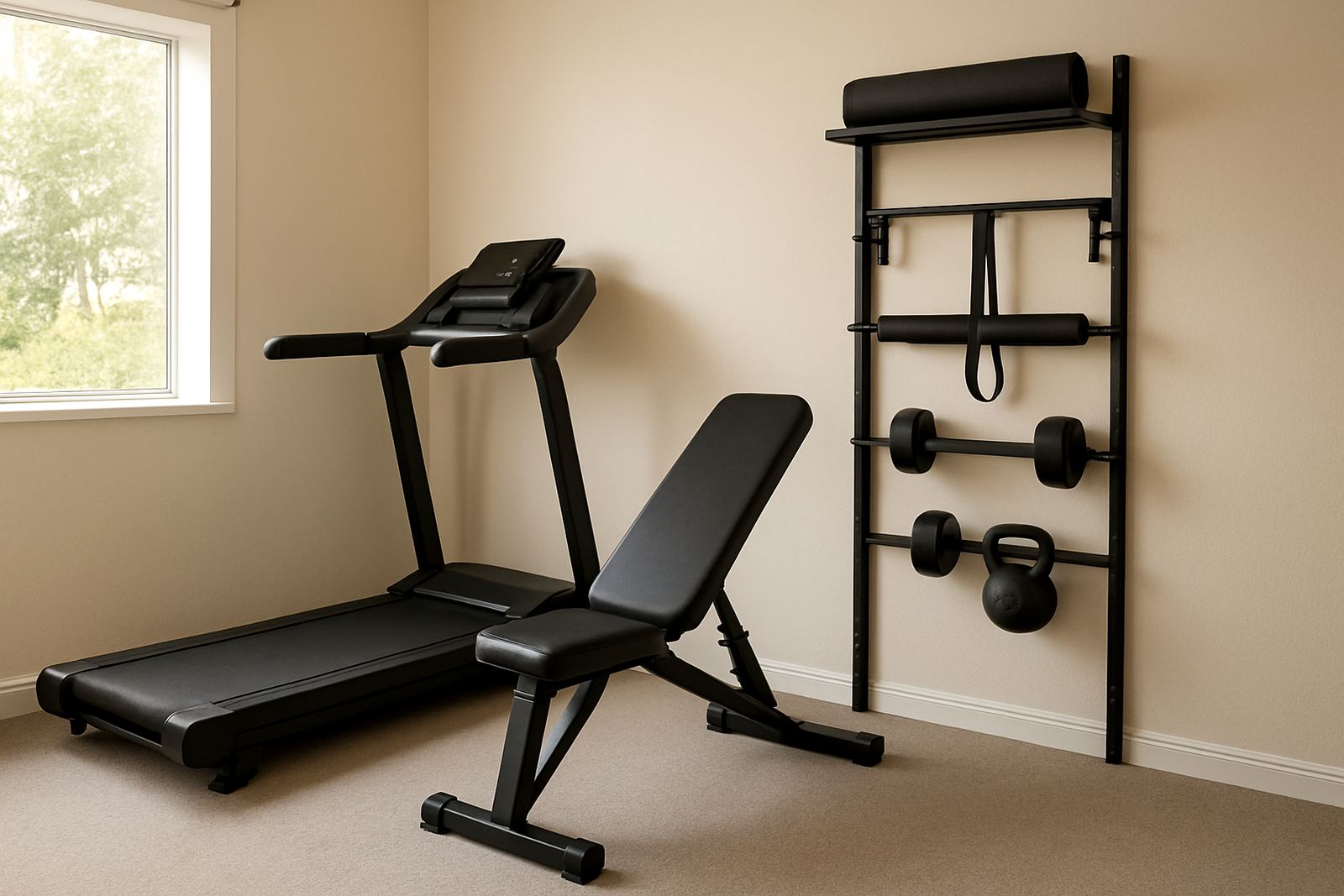
You do not need much to get going. The most useful items are the ones that can be used daily, stored easily and adjusted as your strength returns. In many Johannesburg homes a small corner in the lounge, a spare room or even a shaded patio is enough. Durban humidity is not the issue here, but in Gauteng homes dust and load-shedding mean it helps to keep equipment simple, portable and easy to clean.
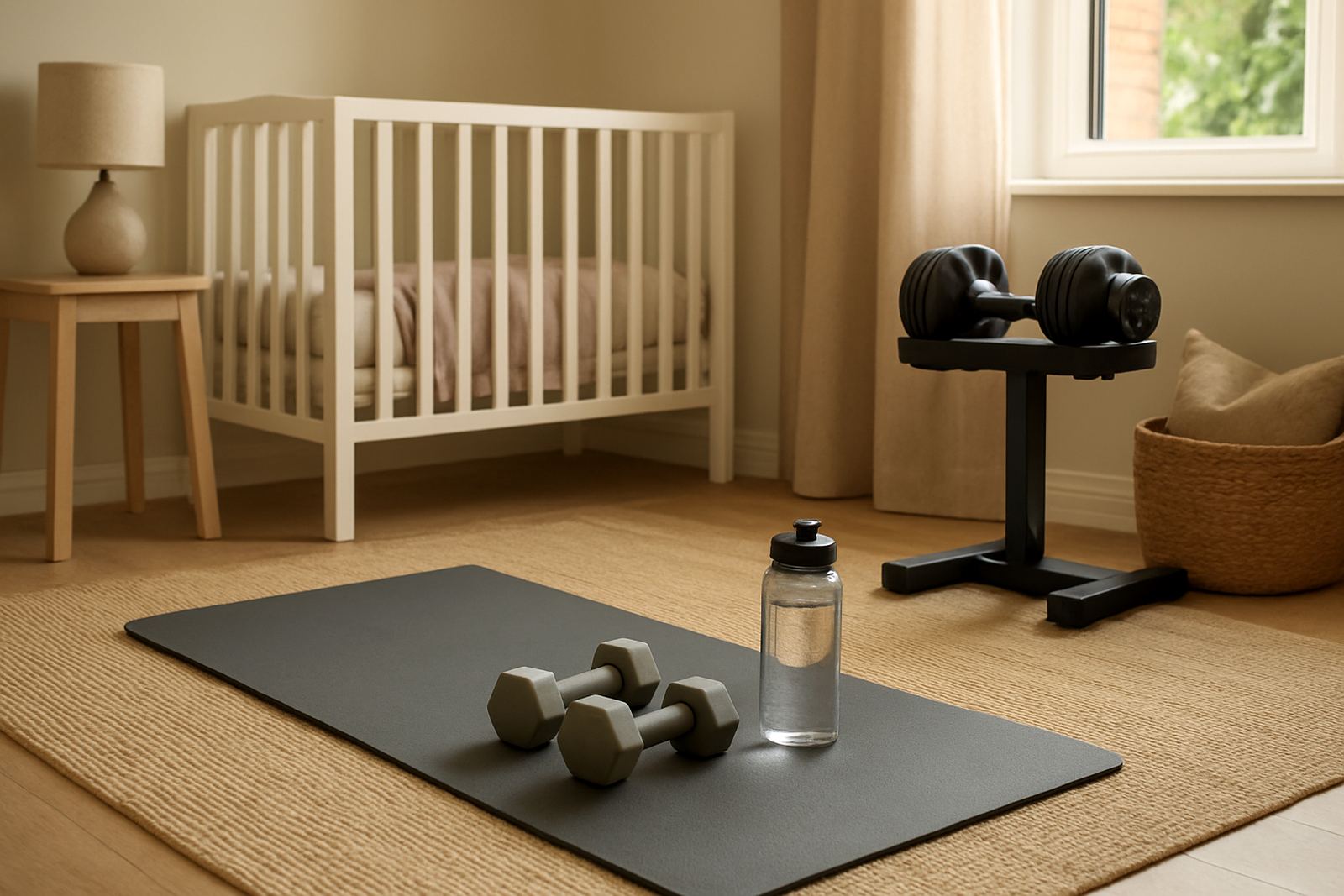
- Yoga mat or thicker training mat for floor work and core support
- Light resistance bands for glutes, upper body and mobility
- Adjustable dumbbells or a small pair of 1 kg to 5 kg weights
- Low step platform or stable box for gentle cardio and strength moves
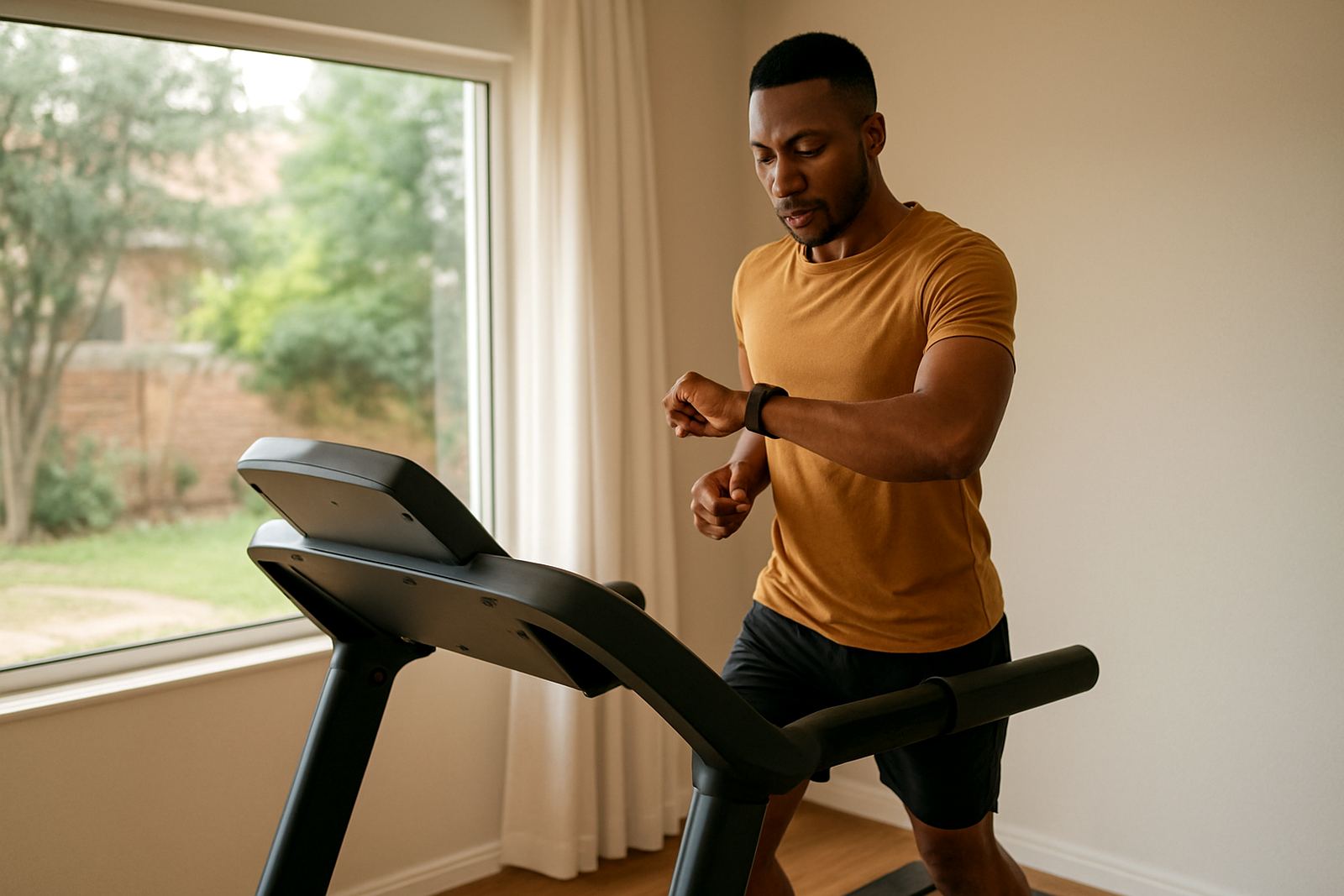
- Smart fitness tracker for heart rate, steps, sleep and active minutes
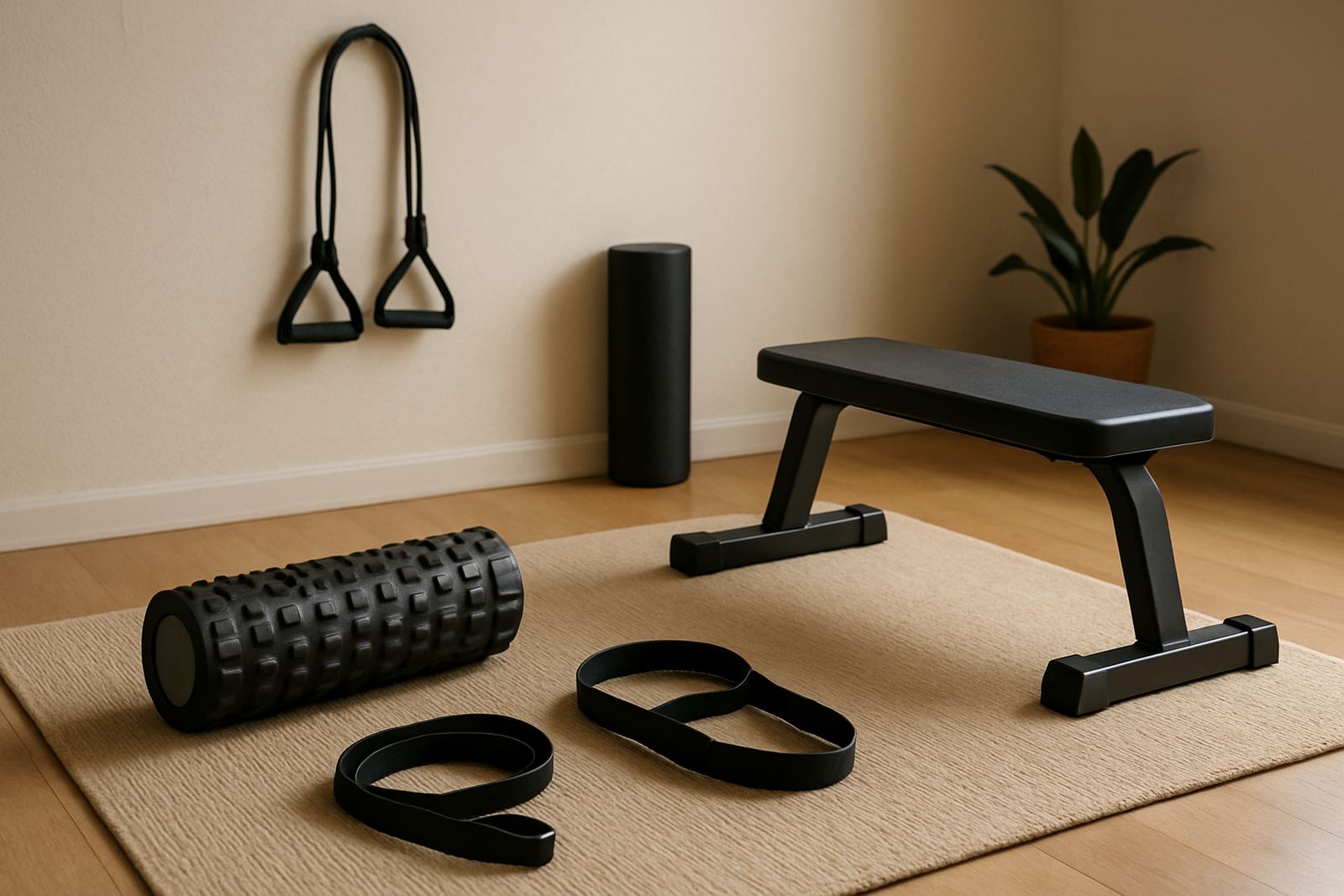
Many clients also add a foam roller, small stability ball and a water bottle stand so everything is close by. For families in Pretoria East, Randburg and Roodepoort, compact equipment matters because the same space often needs to work for children, work calls and normal living too.
Planning A Safe Corner At Home
Postnatal training works best when the space is easy to use at short notice. A clear floor area of about 2 metres by 2 metres is usually enough for a mat, bands and light weights. If you are using a tracker or follow guided sessions on a phone, place the screen at eye level so you are not straining your neck while feeding or moving between sets. Good lighting and a fan help too, especially in summer when even a short session can feel heavy.
It also helps to think about the order of the room. Keep the mat, bands and towel together in one basket or shelf, and leave the weights within arm’s reach. If you are sharing the room with a pram, baby gym or toy storage, avoid clutter that makes quick workouts feel like a mission. A neat setup removes excuses and makes it more likely you will keep going on tired days.
What A Gentle Weekly Routine Can Look Like
A good postnatal programme usually mixes walking, mobility, light strength and recovery days. The aim is not to burn out but to rebuild. For many women, the first few weeks are about restoring stamina and getting used to movement again. A tracker can help you spot whether you are doing too much too soon, especially if sleep is poor and energy keeps changing.
- 2 to 3 short strength sessions of 15 to 25 minutes
- Daily walking broken into 10 minute blocks if needed
- Mobility work for the hips, back, shoulders and chest
- Breathing and core control drills before heavier exercises
- One or two rest or active recovery days each week
We often advise clients to use simple programme stages, starting with bodyweight work, then bands, then light dumbbells. That makes it easier to track progress and avoid overreaching. Some mothers in Sandton and Fourways prefer morning movement before the house gets busy, while others fit a 15 minute session in after a school drop off or nap time.
Common Mistakes We See In Postnatal Home Training
The biggest mistake is trying to return to pre-pregnancy training too quickly. High impact cardio, heavy abdominal work and aggressive calorie restriction can set you back, especially if your body is still healing. Another common issue is ignoring pain, leaking, heaviness or doming through the midsection. Those are signs to slow down and adjust the programme, not push harder.
- Using weights that are too heavy before the core is ready
- Doing hundreds of crunches instead of controlled core work
- Skipping warm ups because the session is short
- Training in a space that is cramped or unsafe for movement
- Relying only on motivation instead of a simple plan
It is also easy to forget recovery. If you are feeding at night or running on broken sleep, your body may need lighter sessions than you think. Small consistent efforts usually work better than big bursts that leave you sore for three days.
Budget Ranges For A Practical Setup
For most postnatal clients, a useful starter setup can be kept fairly affordable. A basic mat, band set and tracker usually sits around R850 to R2 500 depending on the features you need. If you add light dumbbells, a step platform and a few recovery items, many home setups land between R2 500 and R6 500. For a more complete family-friendly corner with adjustable weights, tracker support and planning help, budgets can reach R7 000 to R15 000.
Equipment onboarding and tracker setup help are useful if you are not sure where to begin. We also assist with home gym planning for flats, family homes and small spaces in areas like Midrand, Roodepoort and Pretoria East. The goal is to match the setup to your real routine, not an ideal one that never gets used.