
When cardio training has to fit around real life
Most people looking at cardio fitness are trying to solve a practical problem: how to keep moving when the gym is too far, the mornings are rushed, or the weather and load-shedding interrupt routine. In Johannesburg, that often means a room, garage corner, or patio space that needs to work for one person, a couple, or the whole family. The right kit should make it easier to start, not harder.
For some homes, a simple fitness tracker and a compact bike are enough. Others need a treadmill, rower, or cross trainer with enough feedback to keep sessions on track. The aim is steady progress over time, not buying equipment that becomes a clothes rack after three weeks. A good cardio setup should support daily use, fit the space and match the way you actually train.
FitSmart works with clients in Fourways, Sandton, Midrand, Randburg, Roodepoort and Pretoria East, as well as nationwide deliveries. That matters because a treadmill that works in a townhouse in Bryanston may not be the same setup needed in a family home in Centurion or a flat in Braamfontein.
Typical cardio kit for a home setup
The best home cardio mix depends on your goals. If the main goal is stamina, you need equipment that keeps the heart rate up without taking over the whole room. If the goal is weight loss, consistency and session length matter more than fancy extras. If the goal is heart health or recovery, lower impact options often make more sense.
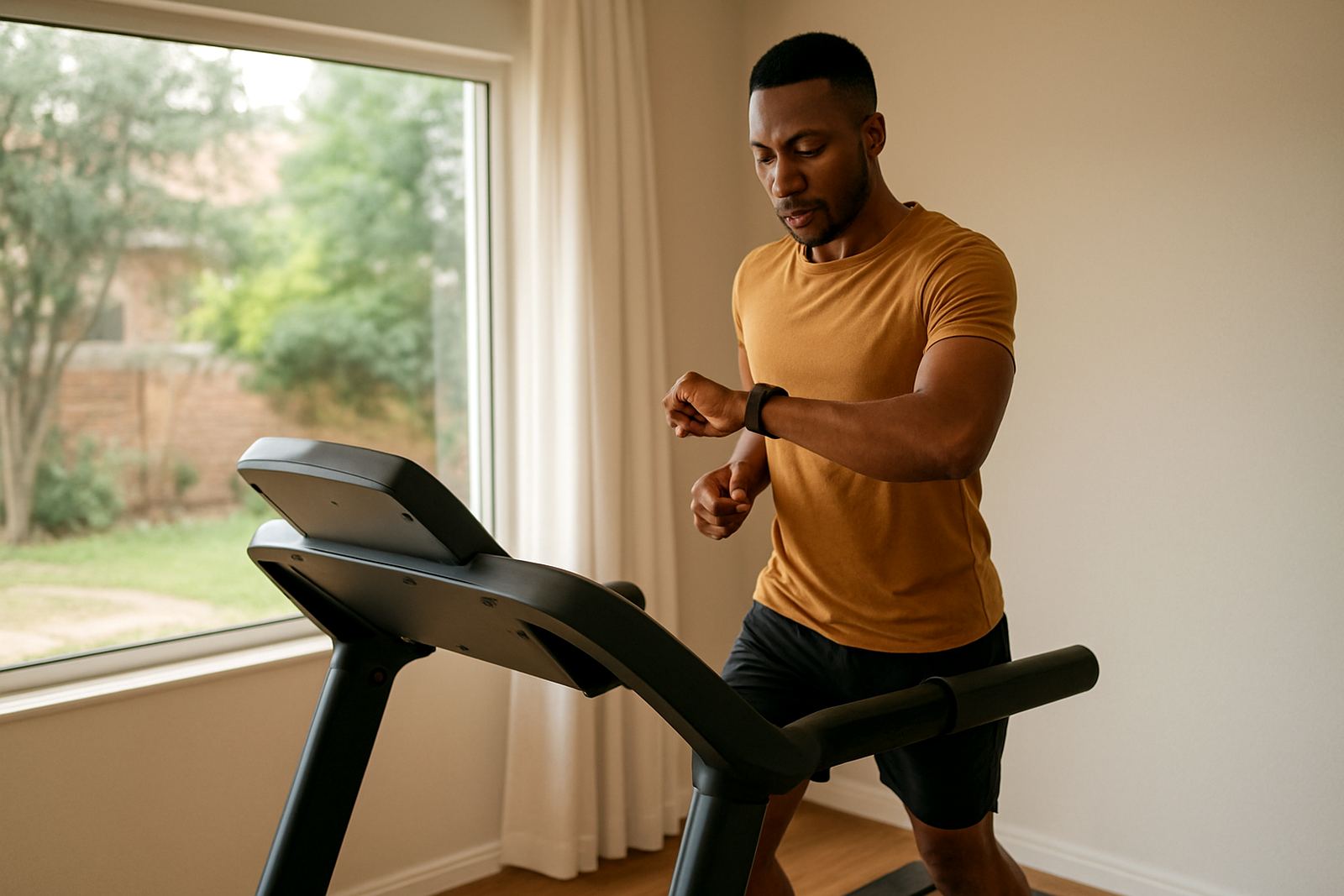
- Fitness tracker or smartwatch for heart rate, steps, calorie estimates and workout timing
- Treadmill for walking, jogging and interval sessions
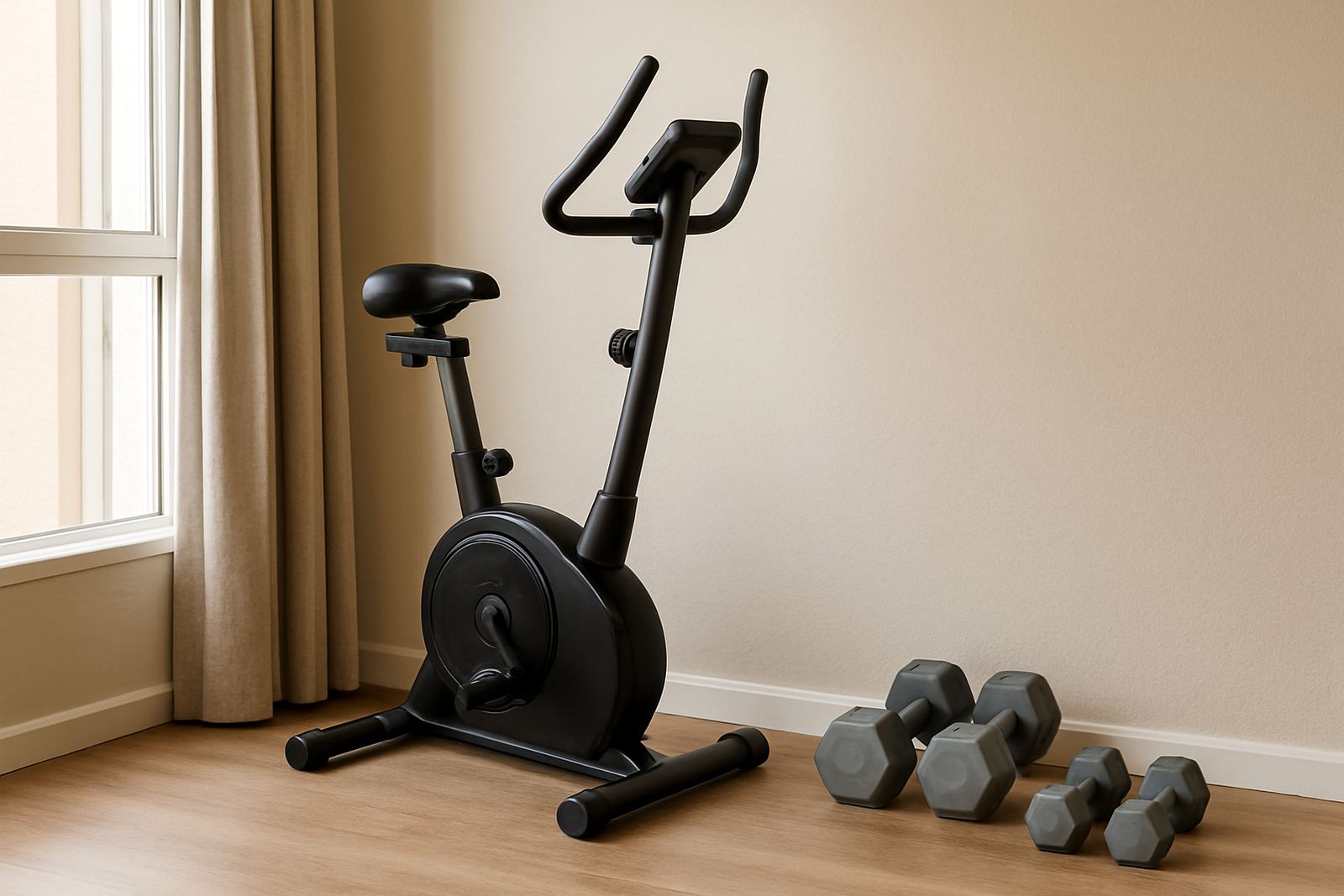
- Exercise bike for low impact training and quiet use in shared homes
- Rowing machine for full body cardio with strength work built in
- Cross trainer for smooth movement and reduced impact on knees and ankles
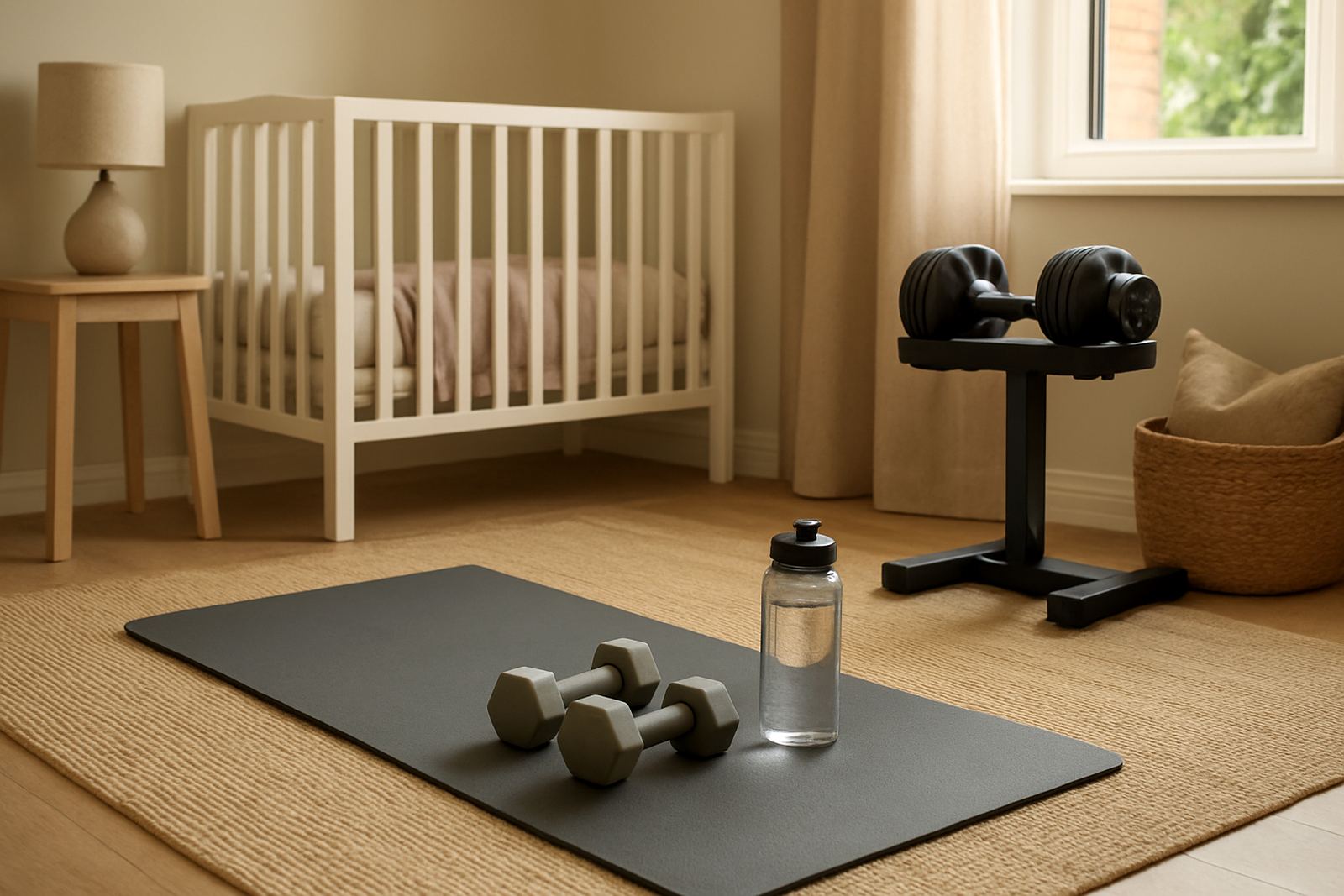
- Mat, water bottle and floor protector to keep the space safe and easier to clean
For many households, a good tracker is just as important as the machine. It gives feedback on pace, heart rate and session length, which helps people stay honest about effort. That small bit of data can be enough to keep someone from drifting through workouts and calling it training.
Planning the room before you buy anything
Cardio equipment needs clearances, power points and a floor that can take repeated use. A treadmill or rower shoved too close to a wall becomes awkward fast, especially in a smaller home. Leave enough space for getting on and off safely, and make sure you can step away without turning sideways. In an open-plan flat, sound and vibration matter too.
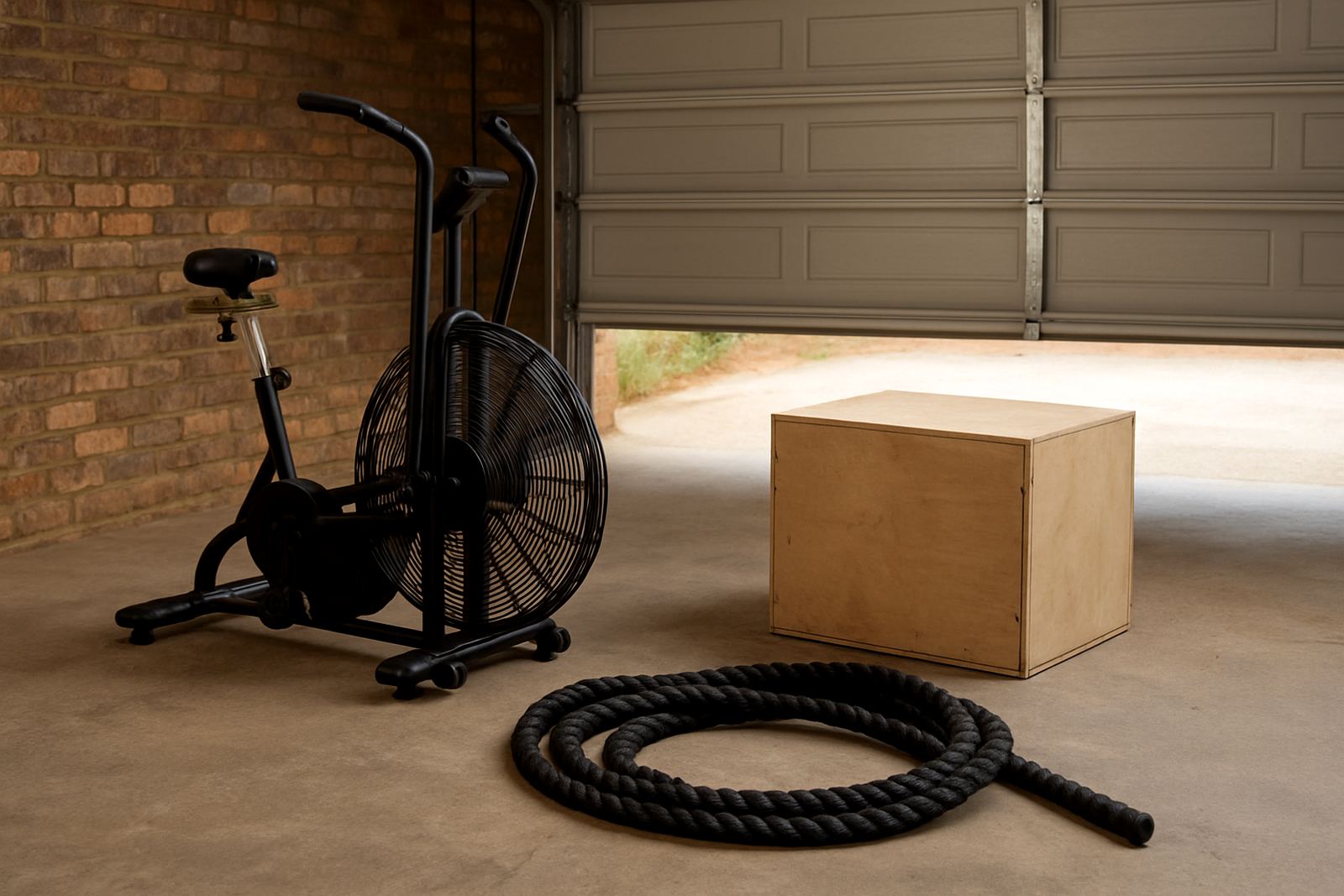
If the equipment will sit in a garage or enclosed patio, think about dust, moisture and ventilation. Coastal humidity in places like Durban or Port Elizabeth can affect metal parts and electronics if the space is not well managed, while a hot garage in Pretoria can make long sessions unpleasant. A fan, wipe-down routine and a stable surface go a long way. Also check whether the power supply is stable enough for motorised kit during outages, because a backup plan saves frustration later.
At home, the layout should support movement in a straight line where possible. Keep weights, shoes and charging cables out of the main training area. If the setup is for a family, define who uses what and when, otherwise the machine ends up being moved around every day and that gets old quickly.
Common mistakes that waste money and motivation
One of the biggest mistakes is buying cardio equipment for the idea of training, not the habit itself. A large treadmill looks impressive, but if you prefer short evening rides then a bike may be the better choice. Another common issue is choosing a machine that is too advanced and never learning the basic settings. People then use only one speed, one mode and one programme, which limits value.
- Buying for space you do not have
- Ignoring user weight limits and stride length
- Skipping heart rate tracking when consistency is the goal
- Forgetting maintenance like belt checks, battery charging and surface cleaning
- Placing equipment where it blocks doors, cupboards or airflow
Another problem is expecting one machine to solve everything. Cardio fitness improves faster when equipment matches the routine, and the routine is realistic. A 20 minute session done four times a week beats a machine that only gets used when visitors come over. Small, repeatable sessions matter more than big plans that never stick.
Budget ranges that make sense in Rand
Budgets vary a lot depending on whether you want a tracker only, a starter setup or a full training corner. As a rough guide, a basic fitness tracker can start in the lower hundreds of Rand, while a simple home cardio machine usually begins in the low thousands. Mid-range equipment with better monitoring, smoother operation and more training options can sit further up, while larger motorised machines and multi-user setups can cost considerably more.
For a starter cardio setup, many households in Gauteng land somewhere between R3 500 and R12 000, especially if they want one machine and a tracker. A more complete family setup can move into the R15 000 to R35 000 range, depending on the machines selected and whether planning, delivery and installation support are included. If you are fitting out a larger room or combining cardio with strength work, the budget should be set before the shopping starts so the numbers stay realistic.
It also helps to think about long term value. A slightly better machine that gets used five days a week is cheaper in the long run than a bargain unit that rattles, needs constant attention, or gets ignored after a month. Paying once for the right size and level of equipment usually works out better than replacing it later.
Support that keeps cardio training consistent
Cardio training works best when the setup is easy to live with. FitSmart helps with Equipment Onboarding, Tracker Setup Help, Home Gym Planning, Starter Programme guidance, Weight Loss Coaching, Mobility Coaching and Virtual Check Ins. For families, Family Fitness Plans can make shared use less awkward and help everyone know what the week should look like.
That support is useful when you are deciding between a treadmill, bike or rower, or trying to fit equipment into a room with limited floor space. Michael Petersen handles installation coordination, while Irfaan Bhamjee supports technical product questions. For customers who want help setting a clear routine, Siyanda Ntanzi and the wider team can guide the next steps without overcomplicating it.
From Fourways to nationwide delivery, the goal is the same: equipment that fits the home, the budget and the training plan. When that is in place, cardio stops being a chore and becomes part of the week, which is exactly what keeps progress moving.