When mobility work becomes part of the plan
Most people start looking at mobility when they feel tight hips, stiff shoulders or a lower back that complains after sitting through the work day. In Johannesburg, Pretoria East and the suburbs around Fourways, this often comes up with home users who train before load-shedding starts or late in the evening after traffic, then rush straight into a workout with no warm-up. Mobility and flexibility work gives you a better start point so your squats, presses, runs and everyday movements feel smoother.
A good setup does not need a full room. It needs a small area that is clear, quiet and easy to use every day. The best results come from short sessions done often, not long sessions that happen once in a while. If you already use a tracker, it can help you watch recovery trends, resting heart rate and workout consistency, which is useful when you are trying to tell the difference between normal stiffness and overtraining.
Typical home kit for stretching and recovery
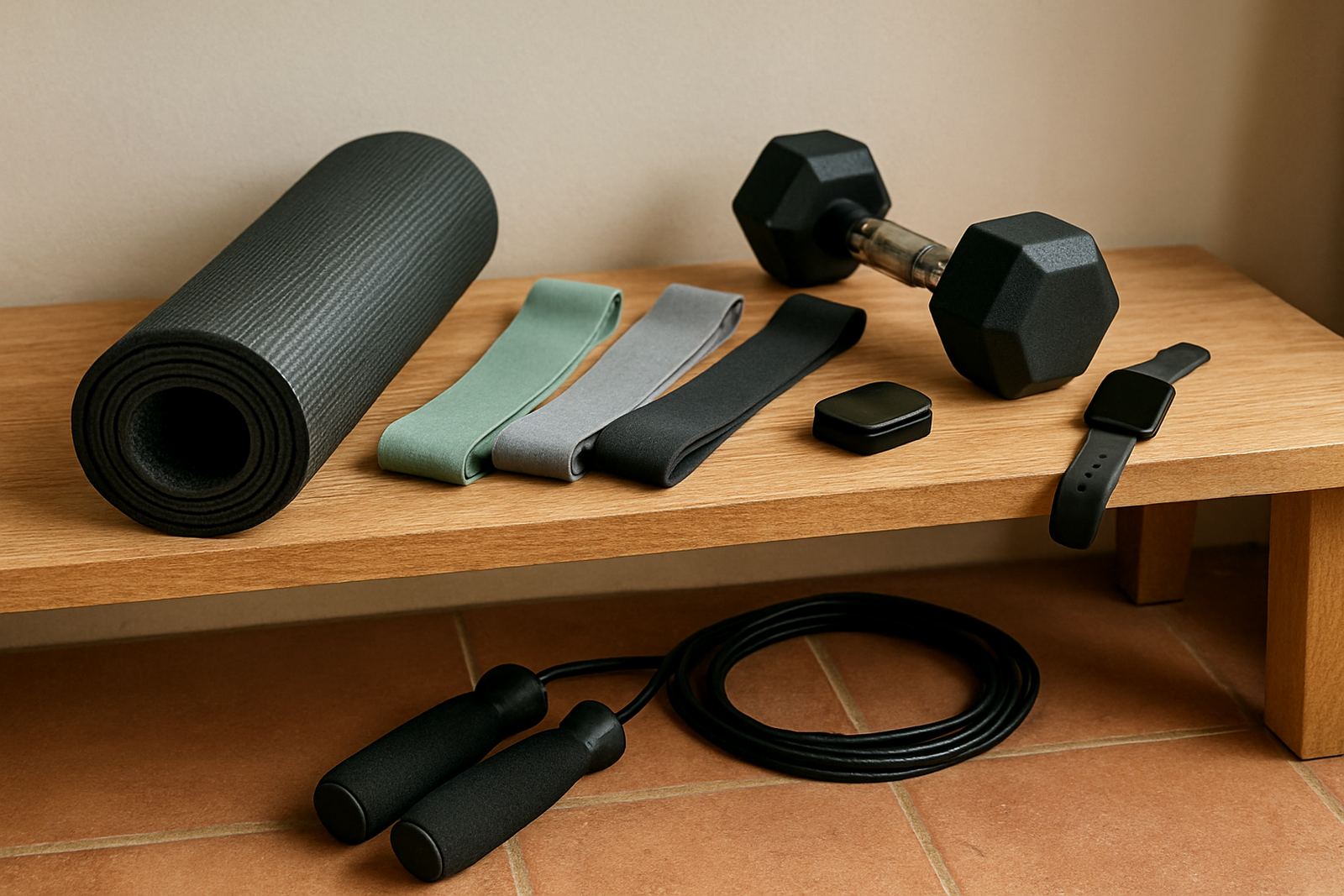
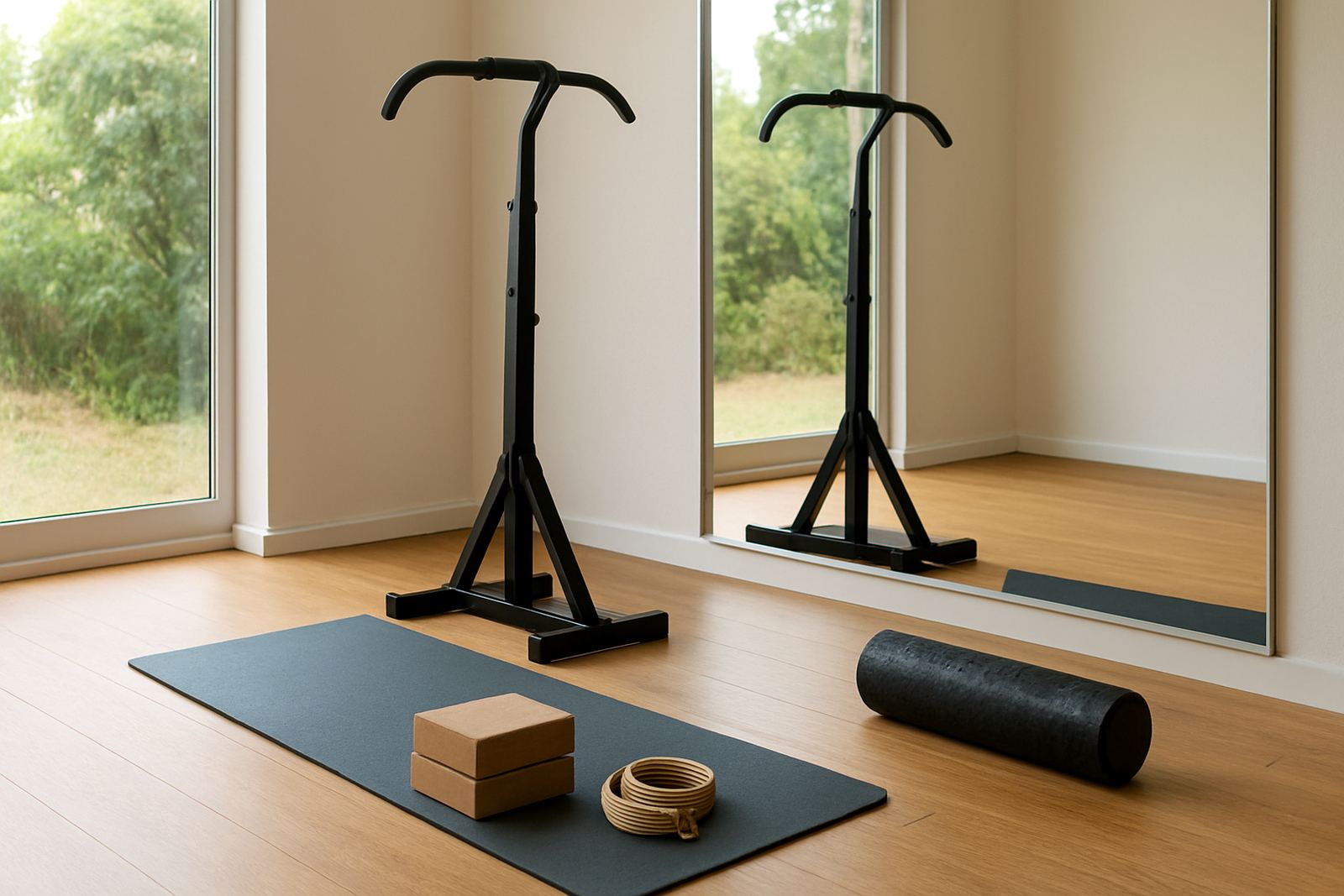
The right equipment depends on your body and your space, but a practical mobility corner usually starts with a few simple items. These are easy to store, work in apartments or family homes, and can handle regular use without taking over the room. In humid coastal areas like Durban or East London, wipe equipment down after use so grips and foam surfaces do not stay damp.
- Exercise mat for floor stretches, breathing drills and recovery work
- Foam roller for calves, hamstrings, quads, back and glutes
- Massage balls for feet, upper back and smaller tight spots
- Resistance bands for shoulder opening, hip work and assisted stretching
- Light hand weights or small kettlebells for controlled mobility flows
- Tracker for steps, sleep and recovery habits if you want to monitor progress
If you are working around children, pets or shared living space, choose items that pack away fast and do not need wall mounting. That makes the routine easier to keep up with on busy weekdays.
How to set up the space so you actually use it
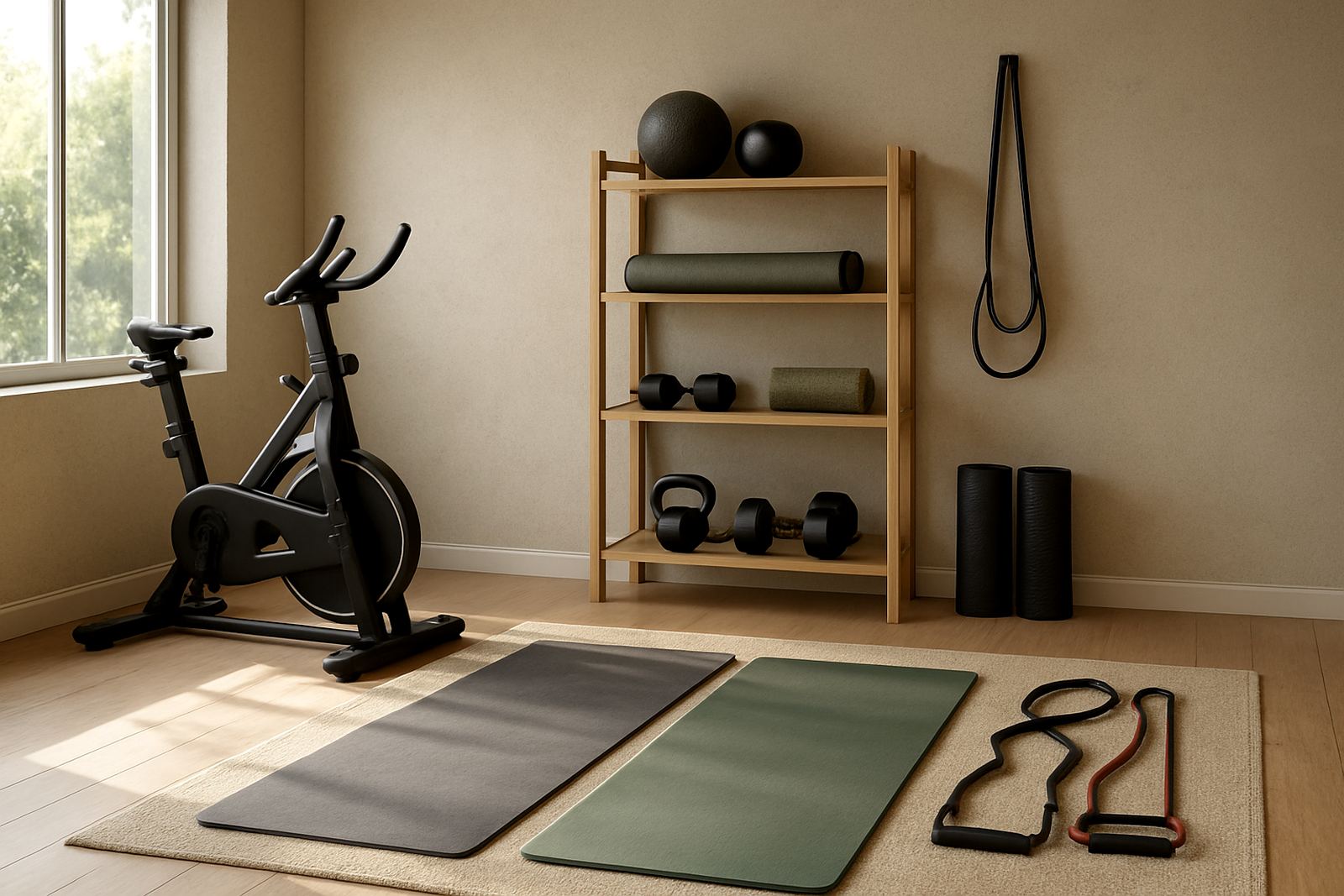
Planning matters. A mobility area should be close enough to the normal training spot that you use it without thinking, but not so crowded that you skip the session because moving furniture is a mission. Leave enough room to lie flat with your arms outstretched, plus a little extra space for band work or leg swings. For most homes, a clear area of about 2 metres by 2 metres is enough.
Keep the kit in one basket or shelf so you are not searching for a band or ball before every session. If you live in a flat or townhouse, place the mat where the floor is level and not near a sliding door where dust and damp collect. In homes with regular municipal water interruptions, it helps to keep a small spray bottle and cloth nearby so equipment stays clean after sweaty sessions.
- Use a non-slip mat on tiled floors
- Store bands out of direct sun to stop early wear
- Keep rollers away from heaters and hot windows
- Use soft flooring or a rug under heavier standing drills
- Make sure the area is clear before any dynamic stretching
Common mistakes that slow progress
One of the biggest mistakes is treating mobility like a once-off fix. Tightness returns if you only stretch when you feel sore. Another common error is going too hard on the roller or forcing positions that cause pain. Mobility work should challenge the body, not leave it bruised or irritated. If a stretch causes sharp pain, back off and shorten the range.
People also forget to match the routine to the goal. Someone doing weight training needs hips, ankles and thoracic spine work. A runner may need calf, foot and hip flexor focus. Someone sitting at a computer all day may need shoulders and chest opening first. You do not need every tool on the market, but you do need the right sequence and a bit of patience.
Another issue is poor recovery habits. Stretching after a hard session helps, but sleep, water intake and rest days still matter. If you are using a tracker, watch for repeat spikes in fatigue or poor sleep. That tells you when to lighten the load rather than push through.
Budget ranges for different home setups
Mobility and flexibility gear can be affordable or more advanced depending on how much guidance and monitoring you want. A small starter setup for home stretching in South Africa usually sits between R500 and R1 500. That can cover a mat, a basic band set and one roller or massage ball. It is a good option for someone starting out in Randburg, Midrand or Pretoria East.
A mid-range setup often falls between R1 500 and R4 500. This may include better mat quality, multiple bands, a few recovery tools and a tracker for activity and sleep. Families often choose this range because it supports different users with different needs. If you want structured planning, coaching or help matching tools to a rehab or training goal, allow a higher budget so you can include advice and follow-up.
For a larger home programme with several users, more training space or a mix of strength and mobility work, budgets can move from R5 000 upwards depending on the equipment chosen. The best value usually comes from buying for the routine you will actually keep, not the routine you hope to do one day.
Who benefits most from a mobility-focused home plan
Mobility and flexibility work suits almost any home user, but it is especially useful for people who train often, sit for long hours, or feel stiff getting out of bed. It is also a smart add-on for weight loss plans, family fitness plans and strength programmes because better movement quality helps with consistency. If your shoulders lock up during pressing, your hips feel tight in squats, or your back feels compressed after long drives between Johannesburg and Pretoria, a targeted plan can help.
FitSmart supports home users across Fourways, Sandton, Midrand, Randburg, Roodepoort and Pretoria East with practical setup help, tracker guidance and home gym planning. If you are not sure where to begin, start with one mat, one band and one recovery tool, then build from there as your routine settles in.
- Good for warm-ups before strength or cardio sessions
- Useful for recovery after running, cycling or gym work
- Helpful for older adults who want safer movement at home
- Suitable for families sharing one training space