
Teen Training Brief From a Lonehill Family Home
The client was a family in Lonehill, Johannesburg, planning a dedicated training room for two teenagers who needed regular exercise between school, sports and exam periods. They wanted a setup that felt organised and encouraging, with enough variety for strength work, cardio and mobility, but not so much equipment that the room became hard to use every day.
The main request was simple: keep it safe, keep it tidy, and make it easy for the teenagers to start training without needing constant supervision. That meant equipment had to be sized for younger users, controls had to be clear, and the room needed a layout that still worked when one child was training and the other was in class or doing homework. In a home setting like this, consistency matters more than fancy features.
Room Constraints, Power, Noise and Safety Considerations
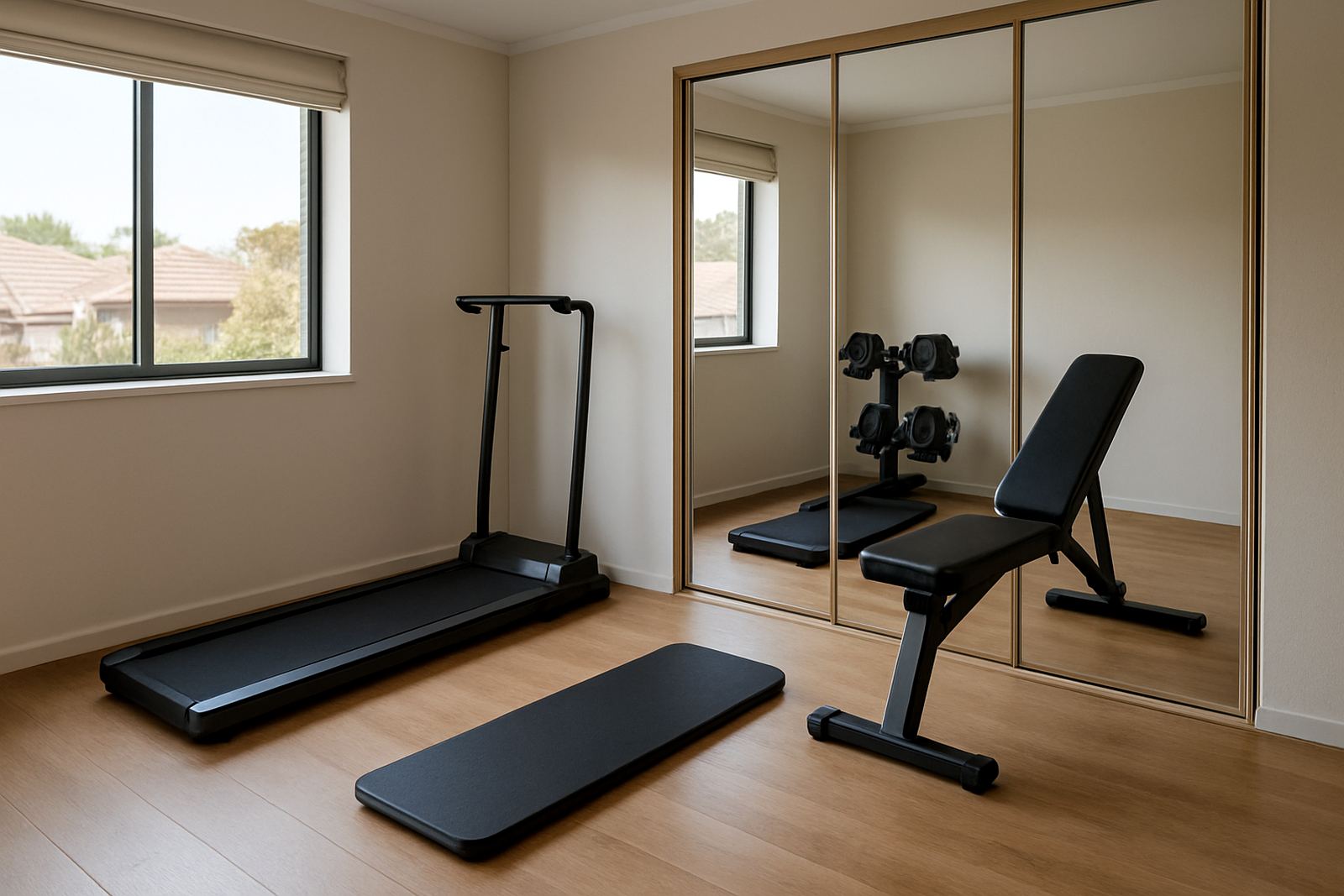
The room was a spare upstairs space in a suburban home, so we had to work within a fairly narrow footprint and avoid bulky items that would crowd the walkway. There was also a practical South African reality to consider, namely load-shedding and heat build-up in a closed room. We chose equipment that could still be used in short sessions when power was limited, and we kept the layout open enough for airflow and a ceiling fan to do its job.
Because the home is in Johannesburg, we also took into account winter dryness and summer dust, both of which affect indoor equipment over time. Surfaces needed to be easy to wipe down, moving parts had to stay protected, and the storage plan had to keep smaller accessories off the floor. Teenagers work better when the room feels ordered and easy to use, not like a storage space that happens to have gym gear in it.
- Space planned for 2 users at a time
- Clear floor area for warm-up, bodyweight work and stretching
- Low-noise equipment suited to a family home
- Simple storage for bands, mats and small accessories
What We Supplied for the Teen Fitness Room
We supplied a compact mix of home training equipment with a strong focus on safe progression. The setup included a cardio option, adjustable resistance tools, a mat for floor work, mobility accessories and a basic tracking solution so the teenagers could monitor sessions and see progess over time. We also helped the family choose equipment that would remain useful as the teenagers got stronger, rather than needing to be replaced after a few months.
Our team handled equipment onboarding, tracker setup help and a short starter programme so the family could begin with confidence. The room was planned around daily 20 to 40 minute sessions, which is realistic for school weeks. We also included guidance for a family fitness plan, since the parents wanted the room to be used for occasional shared sessions on weekends.
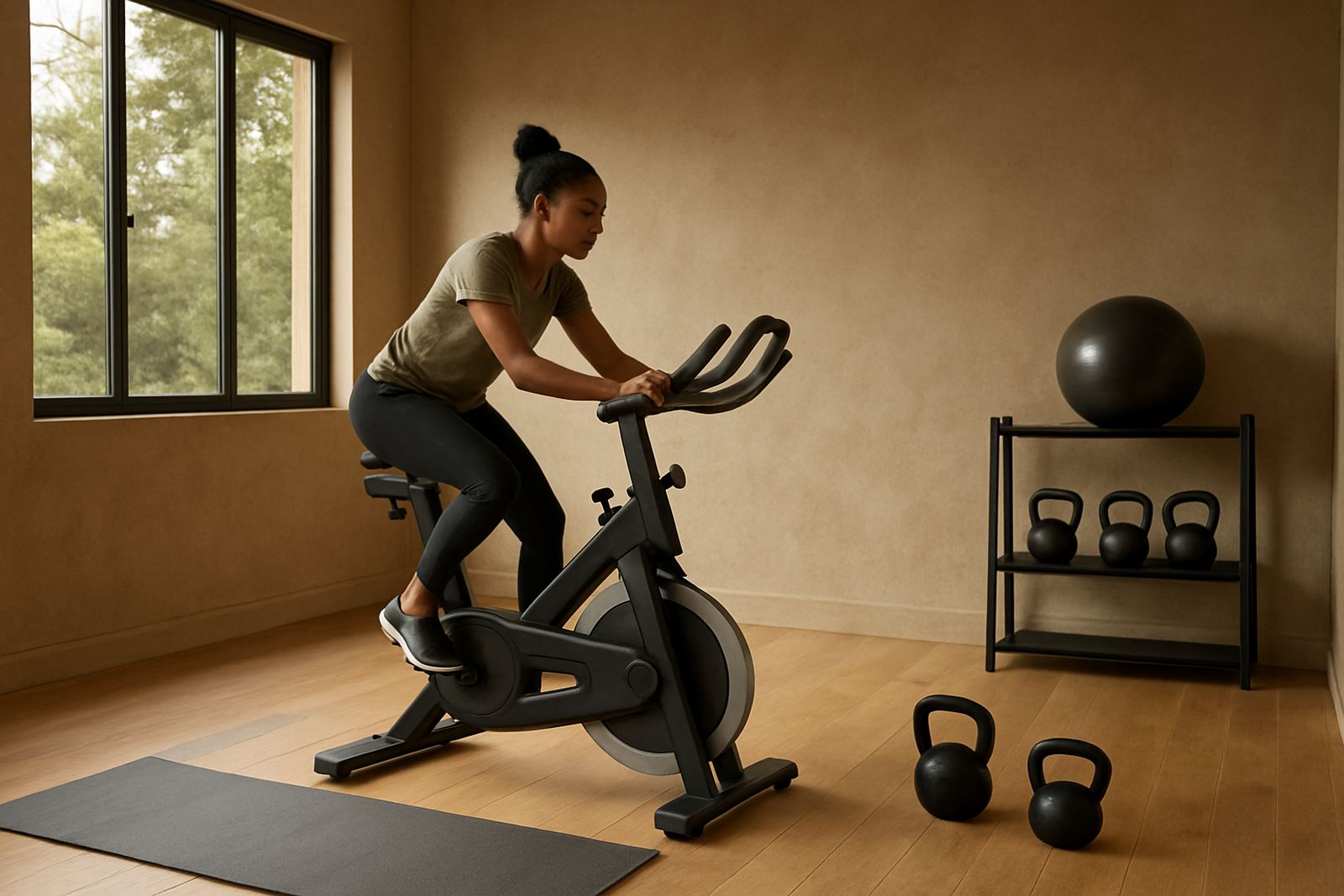
- Cardio equipment with a compact footprint
- Adjustable resistance tools for strength basics
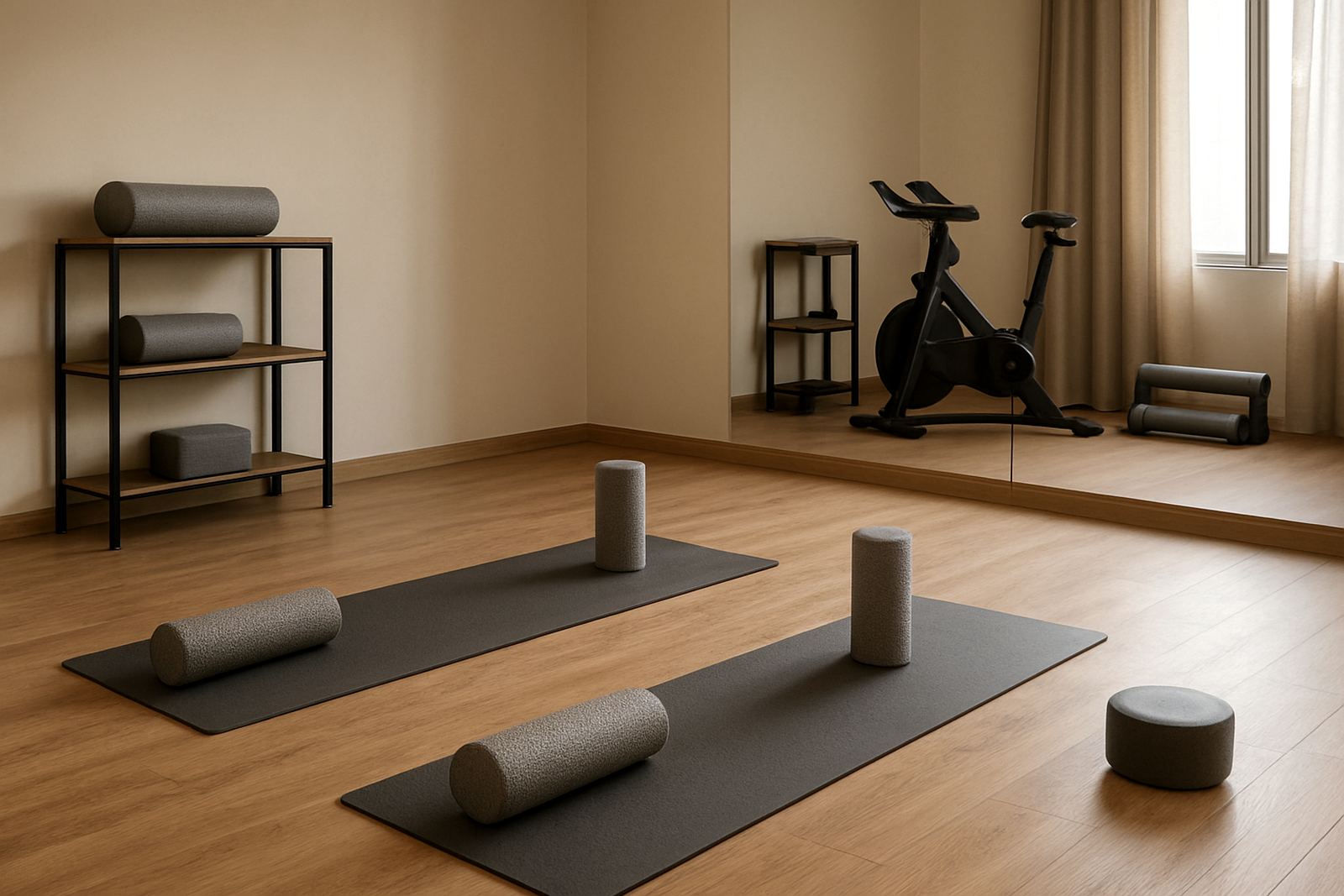
- Exercise mats, mobility aids and recovery accessories
- Activity tracker support for teen-friendly goal setting
- Starter training plan for school week scheduling
Timeline and Installation in Four Weeks
The project ran over four weeks from first brief to final handover. Week one covered the site discussion, measurements and training goals. Week two was used to confirm the equipment mix and room layout. Week three covered supply, delivery planning and tracker setup preparation. In week four we completed the handover, tested the layout and walked the family through safe use, storage and cleaning routines.
Michael Petersen coordinated the practical setup, while Siyanda Ntanzi handled support questions around tracker pairing and daily use. Christo Brits assisted with product selection, and the customer also received follow-up advice from our team in case they wanted to adjust the programme as school sport changed during the term. The process was straightforward, and the family appreciated that nothing was overcomplicated.
Results After the First Few Weeks of Use
The biggest result was routine. Once the room had a clear layout and the equipment was easy to reach, the teenagers began using it more often without being reminded every day. The family reported better session consistency, fewer excuses around setup time, and a better understanding of how short workouts can still support strength, conditioning and mobility. That kind of structure is often what keeps young users interested.
The tracker setup also helped make training feel more measurable. Steps, session time and workout targets were easier to follow, which gave the teens a bit of healthy accountability. The parents liked that the room could be used without loud machinery or complicated instructions, and that the kit suited a family home in a quiet residential setting. In practical terms, the room did what it was meant to do, it made healthy movement easier to fit into normal life.
- More regular use during school weeks
- Less time lost setting up before sessions
- Better visibility of exercise habits and targets
- Room stayed neat and simple for family use
What We’d Repeat for Another Lonehill Teen Training Room
For another teenage fitness room, we would keep the same approach: start with the room, not the catalogue. That means understanding who will train there, how much supervision is realistic, and what kind of sessions will actually get done. In homes across Lonehill, Fourways and Sandton, a compact plan usually works better than a crowded one.
We would again prioritise safe equipment, easy storage and simple guidance. For teenagers especially, the right setup is one that supports habits first and numbers second. A clear room, a short programme and tracking that makes sense to a young user can do far more than expensive kit with no routine behind it.
Key facts
| Project type | Teen fitness room planning and equipment supply |
|---|---|
| Town | Lonehill, Johannesburg |
| Timeline | 4 weeks |
| Room size focus | Compact spare room, 2 user layout |
| Included support | Equipment onboarding, tracker setup help, starter programme |
| Best suited for | Teen strength, cardio, mobility and family fitness use |