
1. Start with your training goal, not the biggest weight
Before you compare handles, trays and locking systems, decide what you want the set to do. A beginner doing two or three full-body sessions a week does not need the same range as someone following a progressive strength plan with heavier presses, rows and goblet squats. If your focus is fat loss or general fitness, lighter jumps and quick changes between exercises are more useful. For strength work, you need enough room to grow over time.
In Johannesburg homes, space is often the first issue. A compact system can replace many pairs of fixed dumbbells, which helps in a flat, townhouse or garage gym. It also makes it easier to keep your training area tidy, especially if you train around load-shedding and need to pack away equipment quickly. Look at the full weight range and ask yourself whether it will still suit you 12 months from now.
- Beginners: look for a moderate range with small weight jumps
- Mixed households: choose a set that suits more than one user
- Strength focused users: confirm the top weight is high enough for presses and rows
- Small spaces: check the base length, handle size and storage footprint
2. Check the adjustment system and how fast it changes between weights
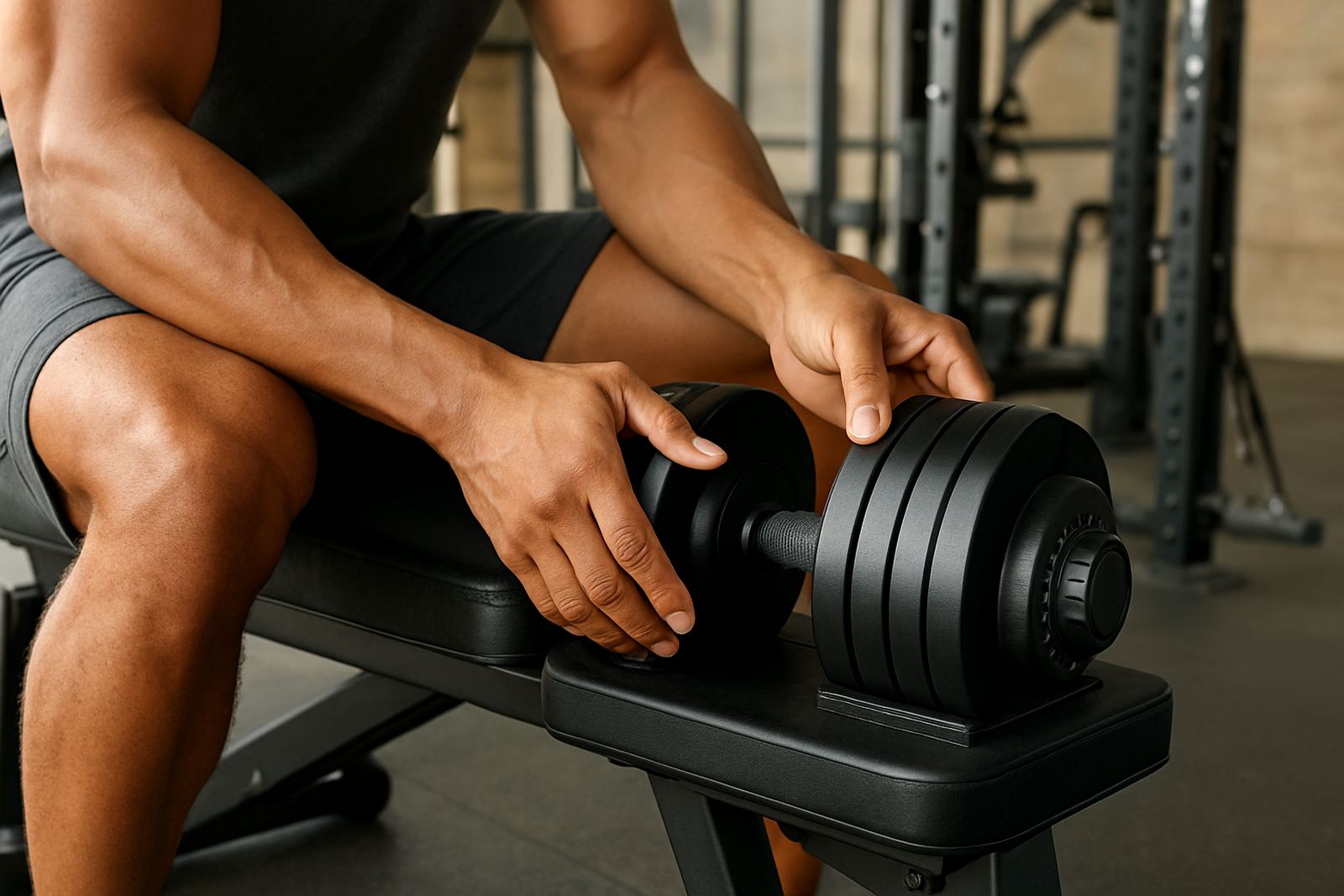
The best system is the one you will use properly every time. Some sets change by selecting a weight on a tray, while others use dials, pins or removable plates. Fast changes matter when you move from curls to shoulder presses to lunges in one session. If it takes too long, your workout loses flow and you may skip the heavier option because it feels like too much faff.
Test how the handle feels in your hand. It should be easy to grip even when you are sweaty, and the locking action must feel positive. If the dumbbell rattles or the plates do not sit neatly, that is a sign to be careful. In coastal humidity, metal parts can start to show wear sooner, so a neat fit and sensible storage matter. Ask how the set should be cleaned and whether the parts need occasional checking for tightness.
- Look for simple weight selection with clear numbers
- Check that both sides of the dumbbell adjust evenly
- Make sure the handle is long enough for two-handed movements
- Choose a system that is easy to reset between sets
3. Compare the materials, handle feel and actual durability
Not all adjustable dumbbells feel the same in use. The material around the plates, the finish on the handle and the quality of the locking parts all affect long-term comfort. A set may look neat in photos but feel awkward once you start moving through a proper training plan. If you can, hold the handle before buying or ask for exact dimensions and weight details.
For home use, durability often comes down to how the set handles daily storage and repeated use. If you plan to train in a garage, consider dust, heat and floor protection. In a home near the coast, avoid leaving metal components damp after cleaning. A simple wipe-down after training goes a long way, and a rubber mat under the system helps with noise and floor marks. Small things like this keep the set usable for longer, and save you money.
Also think about whether the dumbbells feel balanced. Uneven weight distribution can make presses and rows feel off, especially if you are doing controlled reps. A solid set should sit well in your hand and not shift around mid-lift.
4. Match the weight range to your programme
The right range depends on your current strength and your next few training phases. If you are doing a starter programme, you may only need light to moderate loading for squats, presses and deadlifts. If you are following a strength programme, you will need enough top-end weight to keep challenging your muscles without replacing the set too soon.
As a practical rule, think about the exercises you will do most often. Pressing movements, rows and split squats tend to need different loads. One pair of dumbbells can cover all of them if the increments are sensible. Very large jumps between weights can make progress clunky, while small increments help you keep building steadily. That matters when you are working from home and trying to stay consistent week after week.
- Check the lightest setting for warm-ups and shoulder work
- Check the middle range for most of your weekly sessions
- Check the top end for lower-body and back exercises
- Make sure the increments support gradual progress
5. Plan your home setup before the delivery arrives
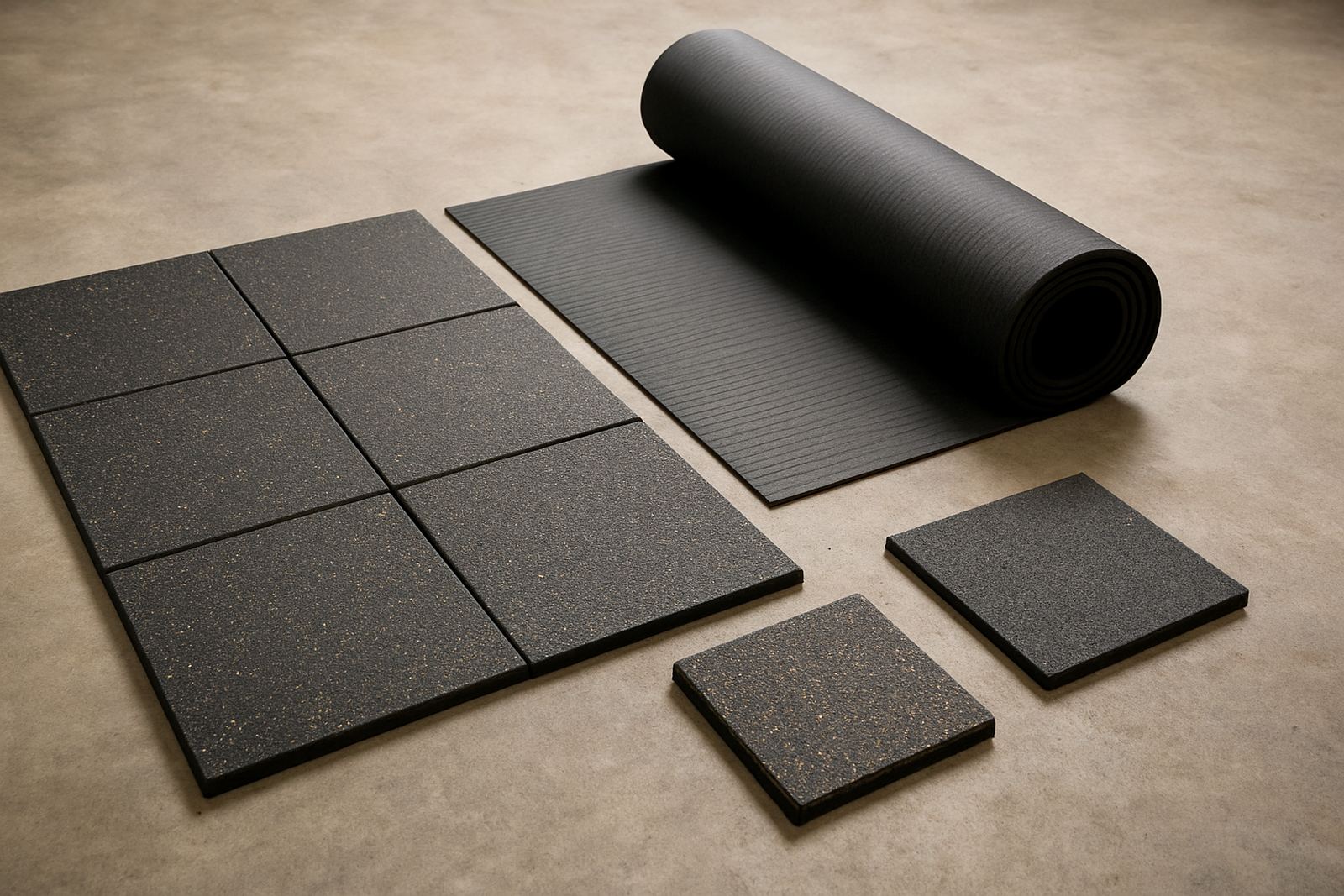
A compact dumbbell set still needs a proper spot. Measure the area first, then allow room to lift, turn and place the weights down safely. A small mat or rubber flooring helps protect tiles and reduces noise for neighbours, especially in apartment complexes or sectional title homes where complaints can happen quickly. If you have children or pets, choose a place where the dumbbells can be stored out of reach after each session.
It also helps to think about the rest of your training setup. If you want to follow a home gym planning approach, place the dumbbells near a mirror, bench or open wall space for mobility work. Keep a water bottle nearby and your programme card or notes where you can see them. This sounds basic, but it makes a difference on busy evenings after work when motivation is lower than usual.
- Measure your training space before ordering
- Allow clearance for arm movement and walking lunges
- Use a mat to protect floors and cut noise
- Store the set where it will not be in the way
6. Use the set properly so it keeps paying off
Once your dumbbells are in the house, the value comes from regular use. Start with a simple programme and learn the movements properly before pushing weight too fast. Good form protects your joints and helps you get better results from a smaller amount of equipment. If you are unsure, ask for starter programme support, or book virtual check ins so your routine stays on track.
Families often benefit from one shared system, especially if different people are training at different levels. One person may use the weights for weight loss coaching and cardio circuits, while another follows a strength plan or mobility routine. Keep the adjustment settings clear, put the weights back in the same place every time and check the moving parts every few weeks. That kind of care keeps the equipment ready and avoids drama when someone wants to train and the dumbbells are not set up correctly.
If you are buying in Fourways, Sandton, Midrand, Randburg, Roodepoort or Pretoria East, it also helps to confirm delivery timing and access notes before the order is sent. For nationwide deliveries, a clear contact message and exact address details make the process smoother.
7. Checklist before ordering adjustable dumbbells for your home gym
Use this checklist before you decide. It will help you avoid buying a set that looks good but does not suit your training or space. If you can tick most of these boxes, you are probably on the right track.
- Does the weight range match your current and future training?
- Is the adjustment method easy enough to use mid-workout?
- Does the handle feel comfortable and secure?
- Will the set fit your room, garage or flat?
- Are the storage and cleaning needs practical for your home?
- Do you know how the set should be used with your programme?
Buying adjustable dumbbells should make training simpler, not complicated. If the set fits your goals, your space and your routine, it becomes one of the most useful pieces of home gym equipment you can own.