
What a smart scale should measure at home
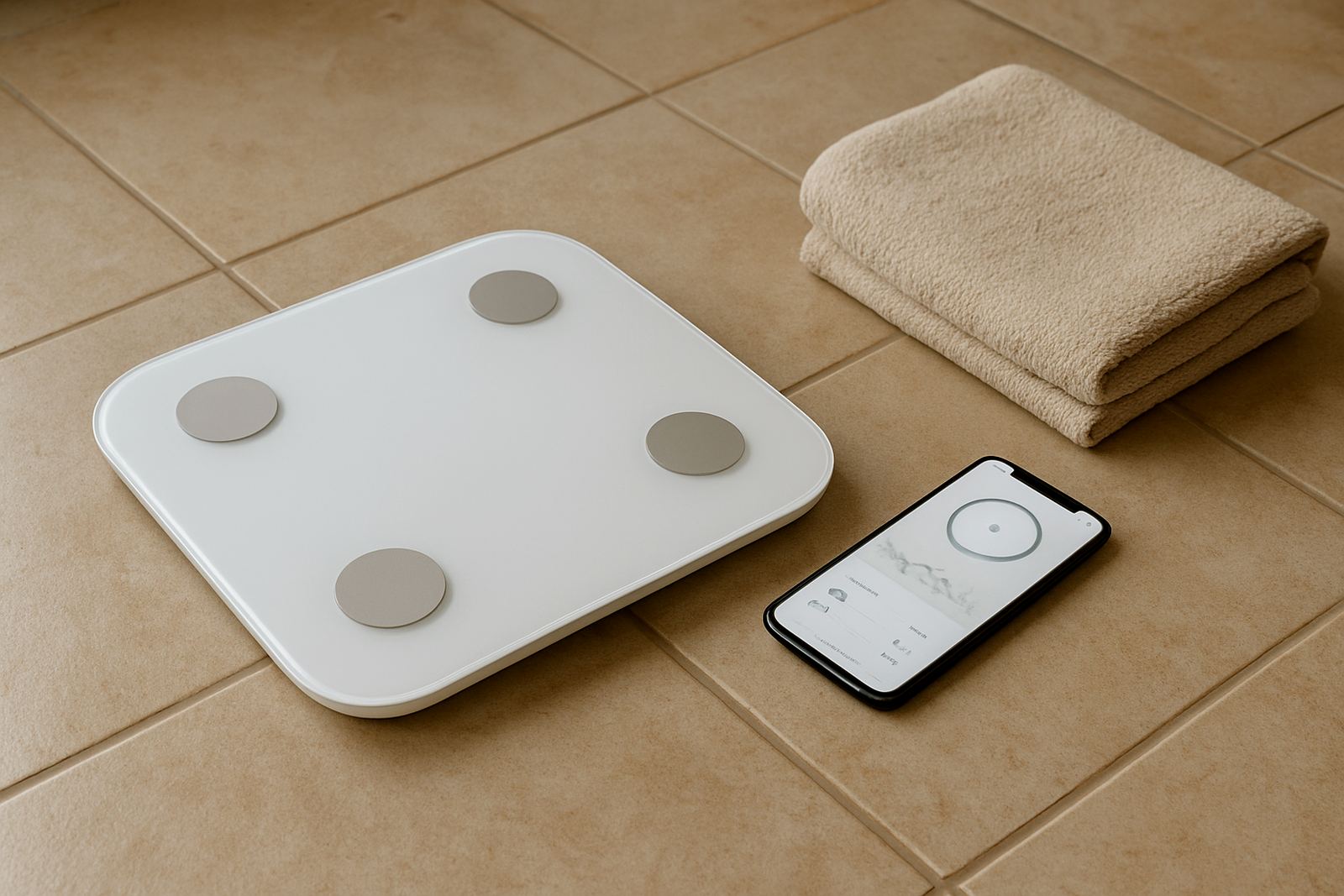
A basic bathroom scale only gives you one number. A smart scale can show body weight, body fat percentage, muscle mass, water levels, BMI, and sometimes bone mass. For most people in Johannesburg, Pretoria East, and surrounding areas, the main value is not one reading on one day. It is seeing the trend over time.
When you compare readings from the same time each morning, before breakfast and after the toilet, you get a clearer picture of whether your training, meals, and sleep are working. That helps if you are following a weight loss programme, building strength, or just trying to stay consistent during busy weeks. It also helps households with more than one person, because many scales can store profiles for the whole family.
Look for a scale with clear app syncing, stable sensors, and a weight limit that suits all users in the home. If the family includes teenagers, older adults, or anyone recovering from injury, it is useful when the scale gives simple readouts that are easy to understand without guesswork.
Features worth checking before you buy
Not every smart scale is the same. Some are better for casual tracking, while others suit people who want detailed training data. Before you choose, check the basics first. A reliable scale should sit flat, read quickly, and reconnect to your phone without needing repeated setup. In homes where load-shedding affects routines, it helps if the scale saves readings and syncs later when the phone is nearby.
- Weight and body composition tracking
- Multiple user profiles for families
- Bluetooth or app connectivity
- Good weight capacity for adults and older teens
- Large display that is easy to read
- Stable feet for tiles, laminate, or vinyl flooring
- Battery life that lasts for months, not days
If you live near the coast or in a humid area, choose a model that handles moisture well and keep it in a dry room. In Gauteng, dust and hard floors can affect accuracy too, so avoid placing the scale on a thick mat or uneven paving stones near the garage.
Simple setup steps for accurate readings
Setup should be quick, but take a few minutes to do it properly. Start by placing the scale on a hard, level floor. Do not use it on a carpet. Switch it on, let it calibrate, and then step on once before your first real reading if the instructions call for it. This helps the sensors settle.
Next, connect the scale to the app on your phone and create separate profiles for each user. Use correct height, age, and gender details where requested, because those inputs affect the body composition estimates. Keep your phone close during pairing and make sure Bluetooth is on. If the signal drops, move the phone nearer or re-pair the device, then test with one morning reading.
- Place the scale on a hard, flat surface
- Use the same room each time
- Step on barefoot, with dry feet
- Weigh at the same time daily or weekly
- Stand still until the reading locks
- Keep the app updated when needed
A small mistake many people make is weighing after exercise or after a very salty meal. Water retention can shift the reading by enough to confuse you, so try to keep your routine steady.
How to read the numbers without overthinking it
The scale should support your habits, not worry you. Body weight can move up and down because of water, food, sleep, menstrual cycle changes, stress, or a late-night braai. That does not always mean you gained fat. Instead of reacting to one day’s result, look at the average over two or three weeks. That gives a clearer view of progress.
Body fat percentage is useful, but it should be treated as an estimate. The same applies to muscle mass and water percentage. These figures are best used to spot direction, for example if weight is steady but waist size is dropping, or if your weight training is improving while body fat trends down. For home users in Fourways or Randburg, that can be more practical than chasing a perfect number.
If you coach yourself at home, write down three things each week: body weight, energy levels, and how your clothes fit. That simple combination often tells you more than the app alone.
Best routines for families, couples, and solo users
A smart scale works best when the household uses it the same way. Pick a weigh-in day and stick to it. For some families, that is Monday morning before school and work. For others, it is Saturday after the first cup of coffee. The exact day is less important than the repeatability.
If more than one person uses the scale, make sure each profile is named correctly and the app is installed on the right phone. Children and teens should only use body composition readings with guidance from a parent or coach, especially if the numbers may cause concern. A scale can be useful for family fitness plans, but it should never replace proper advice where medical issues are involved.
- Agree on one weigh-in day per week
- Use the same scale in the same spot
- Record weight after waking and before eating
- Keep profiles clearly named
- Review trends monthly, not only daily
- Use measurements and photos alongside the scale
For people following strength, cardio, or weight loss coaching, the best plan is to pair scale data with a simple log of workouts and meals. That way, the numbers make sense and you can adjust early if progress slows.
Care tips so the scale lasts longer
Smart scales need basic care to stay accurate. Wipe the surface with a dry or lightly damp cloth, and keep water out of the battery compartment. If the scale is used in a bathroom, make sure it is stored away from splashes and steam. On coastal or humid days, dry it after use instead of leaving it on a wet floor.
Replace batteries when readings become erratic. If the display flickers or the app stops syncing, check the contacts and clean them gently. Avoid dropping the scale or carrying it by the glass top if it has one. And if the floor is uneven, move it rather than forcing the feet to compensate, because accuracy can drift over time.
Good care is not complicated, but it does matter. A scale that is looked after properly gives steadier results and less frustration during busy weeks.