Start with your training goal and who will use it
Before you compare specs, be clear on how the treadmill will be used. A walker in Fourways, a runner in Midrand and a family sharing one unit in Randburg will need different features. If you only want 30 minute walks after work, you do not need the same machine as someone training for 10 km road races or doing interval sessions three times a week.
Think about the heaviest user, the longest session, and whether more than one person will use it. If the treadmill is for weight loss, general fitness or recovery work, a simpler model can be enough. If it is for daily running, look for better cushioning, higher top speed and a stronger motor. This one decision makes the rest of the buying process much easier.
- Walkers: steady pace, shorter sessions, lower impact
- Joggers: moderate speed, wider belt, better cushioning
- Runners: higher top speed, stronger motor, larger running area
- Families: easy controls, safety key, simple storage
If you are unsure, write down the main user, the average session time and the training goal. That small step saves a lot of back-and-forth later.
Check the motor, speed range and incline before you compare price
Motor size is one of the first things to check. For home use, a bigger motor usually means smoother performance and less strain during longer sessions. If you want brisk walking or light jogging, a basic unit may do the job. If you plan to run often, do not buy on price alone. A motor that is too small can overheat, sound rough and wear out faster, especially in Gauteng homes where equipment can run often and power interruptions may affect usage patterns.
Look at the speed range and incline settings too. A treadmill with low maximum speed limits your progress, while incline gives you more variety for fat loss and leg work without needing a bigger footprint. Manual incline can be fine for a starter setup, but motorised incline is easier if you change sessions often.
- Motor: match it to walking, jogging or regular running
- Speed: make sure it covers your current pace and future goals
- Incline: useful for cardio variety and hill work
- Noise: important for flats, cluster homes and early morning training
For apartments in Sandton or townhouses in Roodepoort, quiet operation matters. If you share walls or train early, ask about motor sound and vibration before ordering.
Measure the running belt and the space at home properly
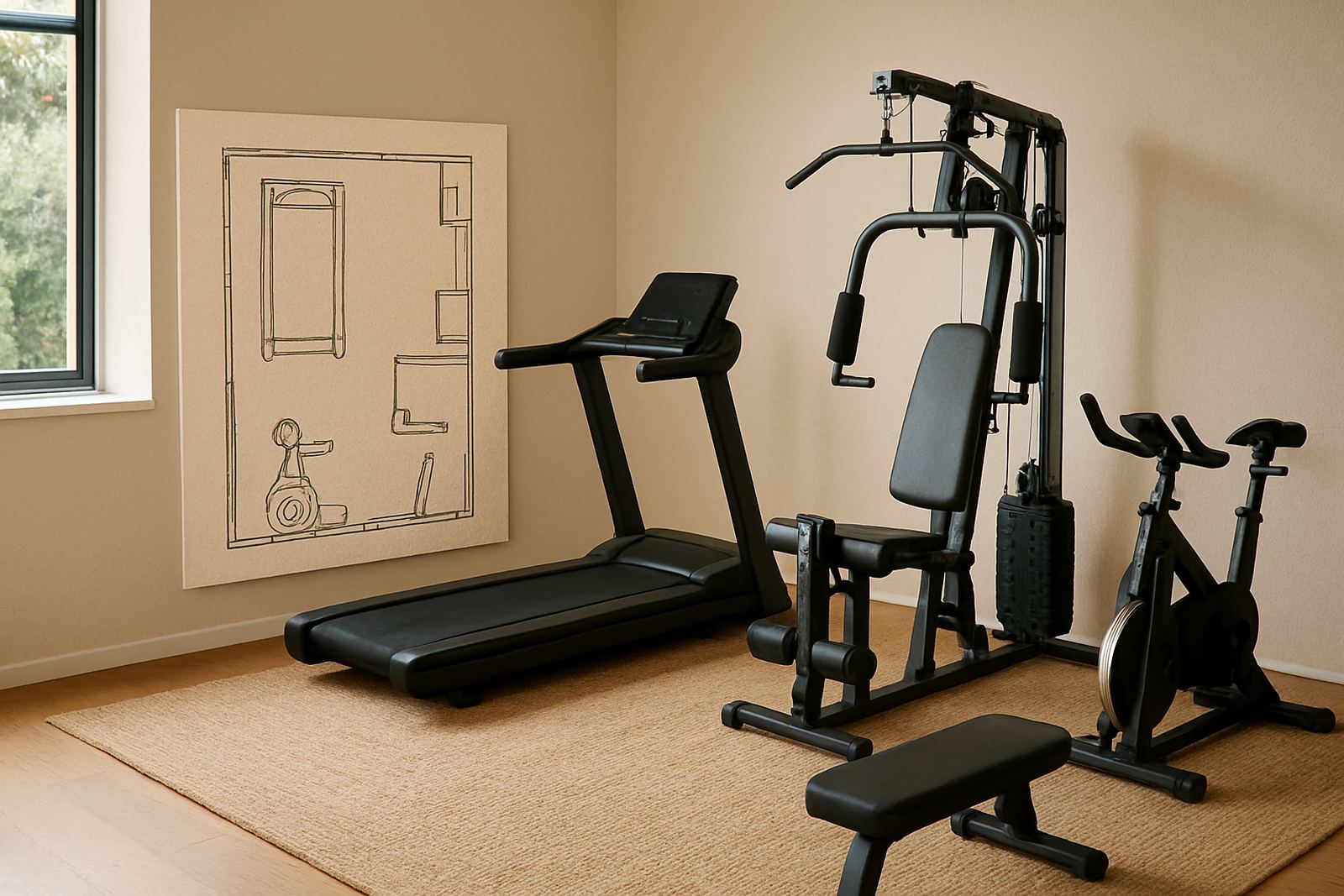
People often focus on features and forget space. Measure the floor area where the treadmill will stand, then allow extra room for safe entry, exit and movement around it. If the unit folds, check the folded size as well because a folded treadmill still needs a home. A neat fit in the showroom can feel cramped in a real lounge or spare room.
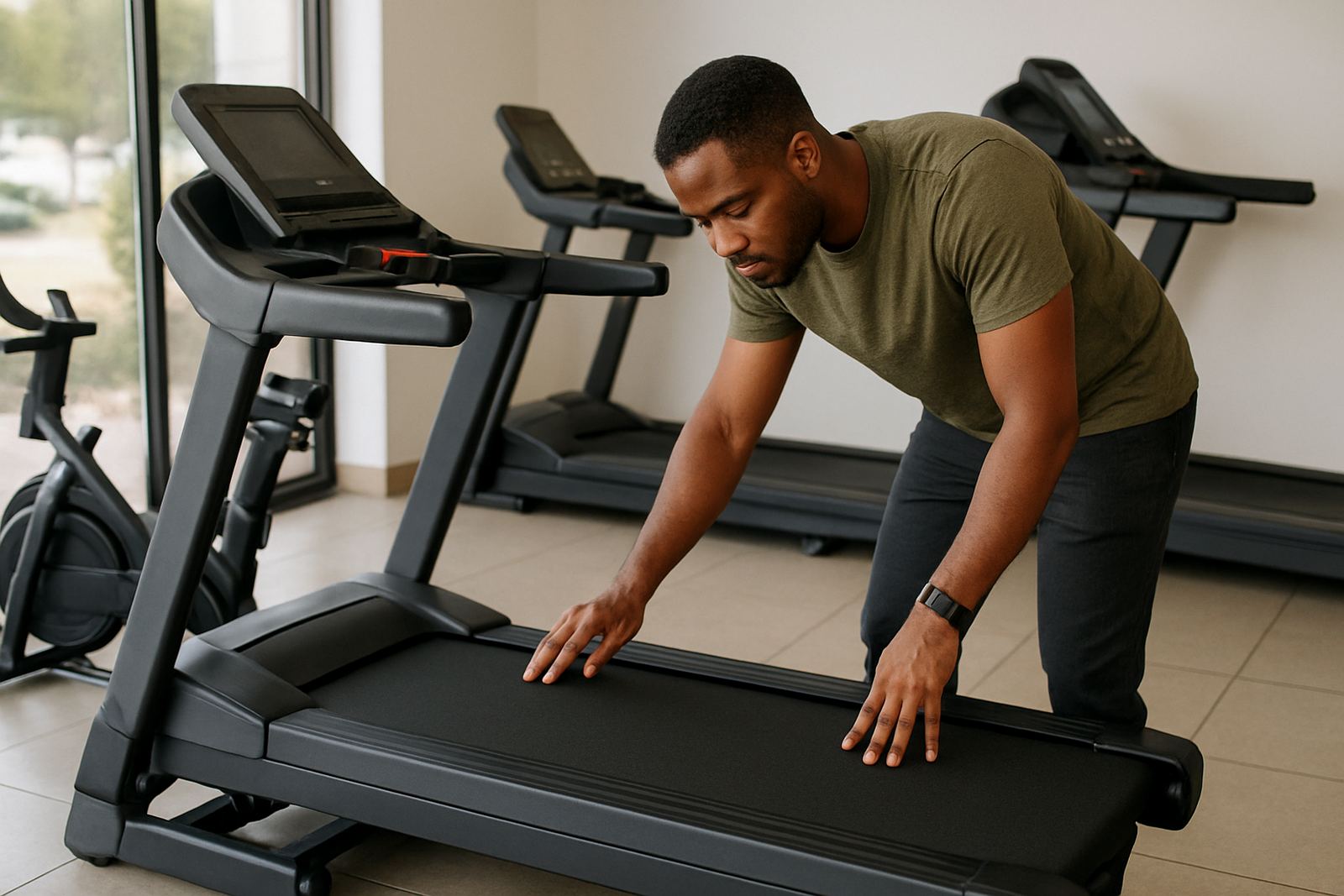
Running belt size matters for comfort and safety. Taller users and anyone with a longer stride need more belt length and width. A narrow belt may be acceptable for walking, but it can feel restrictive once you start jogging. If the machine will be used by different family members, choose a slightly larger running area so nobody feels forced to shorten their stride.
- Measure room length, width and ceiling height
- Check doorways, stairwells and turns for delivery access
- Allow space behind the treadmill for safety
- Confirm whether you need a mat for floor protection and noise reduction
In homes with tiles or laminate flooring, a good mat helps reduce movement and vibration. It also protects against scuffing, which is worth considering if you are in a sectional title unit with rules on noise and floor protection.
Compare console features, tracking and user controls
Console features should support your training, not distract from it. A clear display that shows time, speed, distance, calories and heart-rate data is usually enough for most home users. If the buttons are confusing, the treadmill may end up collecting dust in the corner. Simple controls are often better for the whole family.
If progress tracking matters to you, look for preset programmes and easy data monitoring. Some users want beginner walking plans, while others want interval settings for cardio. Fitness trackers and connected workout tools can help you stay accountable, especially if you like seeing weekly totals and session consistency. That said, the machine must still feel easy to use without a long learning curve.
- Clear display with large numbers
- Safety key or emergency stop function
- Preset training programmes for different fitness levels
- Heart-rate tracking and session history if you use data to stay on track
For families, check whether profiles can be reset quickly so each person can track their own progress. Small controls and clear icons are more useful than a crowded screen full of features you may never use.
Plan for delivery, assembly, power and maintenance at home
Buying a treadmill is only part of the job. You also need to think about delivery access, assembly and ongoing care. In Fourways, Midrand or Pretoria East, many homes have narrow passageways, stairs or tight garage spaces, so measure the route from the gate to the final position. If you live in an estate, confirm delivery rules and booking times before the truck arrives.
Check the power requirements and place the treadmill where you can use a proper socket. If load-shedding is a regular issue in your area, think about whether you will train before outages, after them, or around your household schedule. Keep the belt clean, check bolt tightness, and follow the lubrication schedule in the manual. A little regular care keeps the machine quieter and helps it last longer.
- Confirm delivery route, access times and building rules
- Ask whether setup help is available
- Keep a mat under the machine
- Dust the motor cover and vacuum around the base regularly
Coastal humidity can be harder on equipment, so even if you are buying in Johannesburg, it is worth storing the treadmill in a dry room. If the unit will sit in a garage, make sure the area does not get damp.
Use this last checklist before you order a home treadmill
When the options all start to look similar, use a simple checklist to decide. Match the machine to the main user, the type of training and the space available. Then compare warranty cover, service support and whether the supplier can help with setup or planning. That final bit matters when you want the treadmill working properly from day one.
Here is a practical order checklist you can use before paying:
- Does the treadmill suit walking, jogging or regular running?
- Is the motor strong enough for the heaviest user?
- Will the belt size feel comfortable for your stride?
- Does it fit the room and delivery route?
- Are the controls easy to use for everyone in the home?
- Is there support for setup, coaching or after-sales help?
If you are comparing options in Johannesburg, Sandton, Randburg, Roodepoort, Midrand or Pretoria East, keep the decision practical. Buy the treadmill that fits your training, not the one with the longest feature list. A well matched machine is usually the one you will use consistently.