
Measure the room before you buy anything
Start with the actual floor space, not the idea of the room. Measure wall to wall, then note door swing, windows, plugs, skirting boards and any low ceilings or beams. In many Johannesburg homes a spare room or double garage has just enough space, but only if you leave room to move around equipment without clipping walls or furniture.
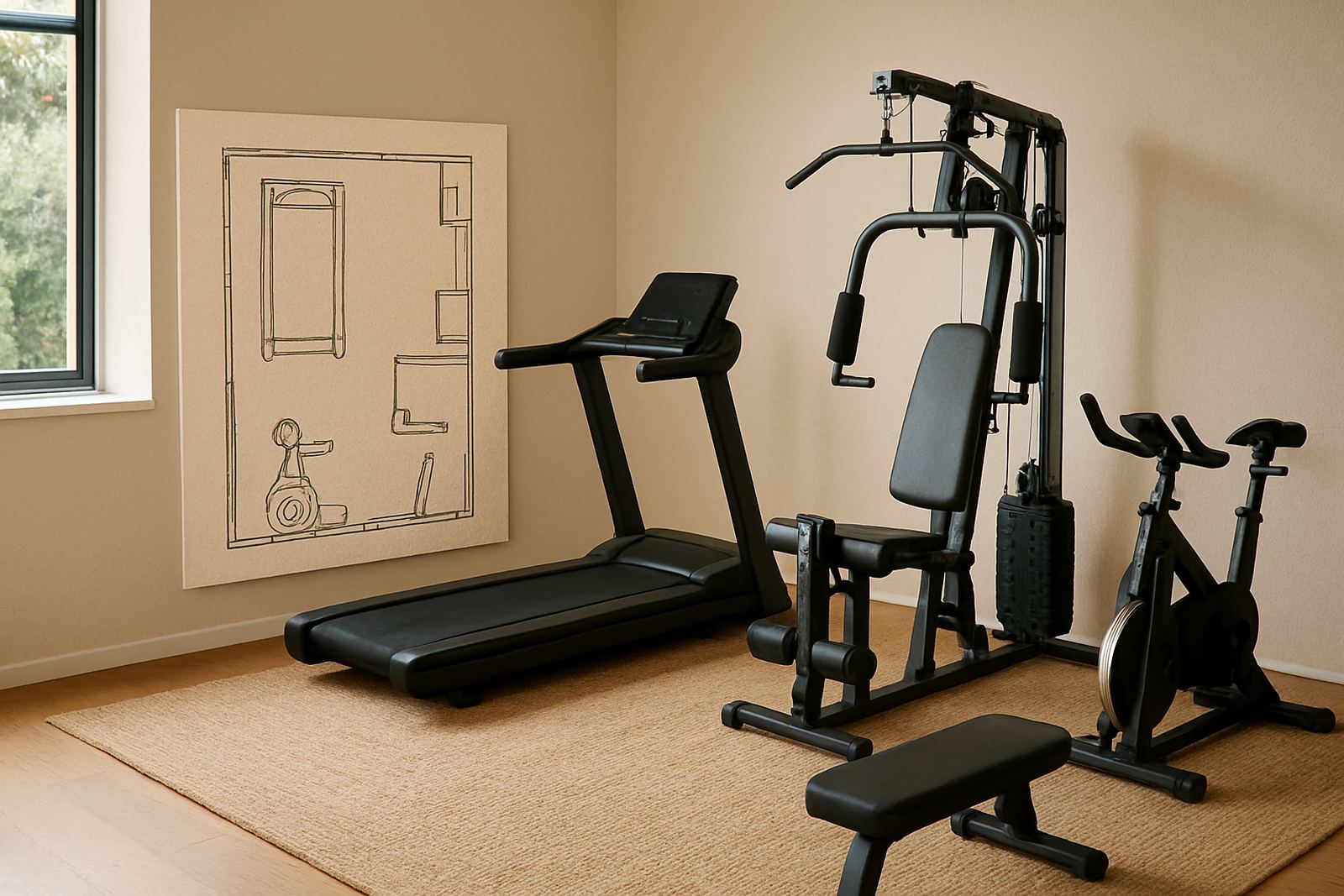
A practical rule is to mark out the space on the floor with masking tape before you order anything. This shows you where a treadmill will sit, whether a bike fits under a window and if you can still do bodyweight work safely. If you live in a sectional title complex, check body corporate rules for noise, floor protection and equipment kept in common areas.
- Measure length, width and ceiling height
- Check door openings and turning space
- Mark plug points and cable routes
- Allow space for stretching and warm ups
Choose equipment that suits the room, not the other way round
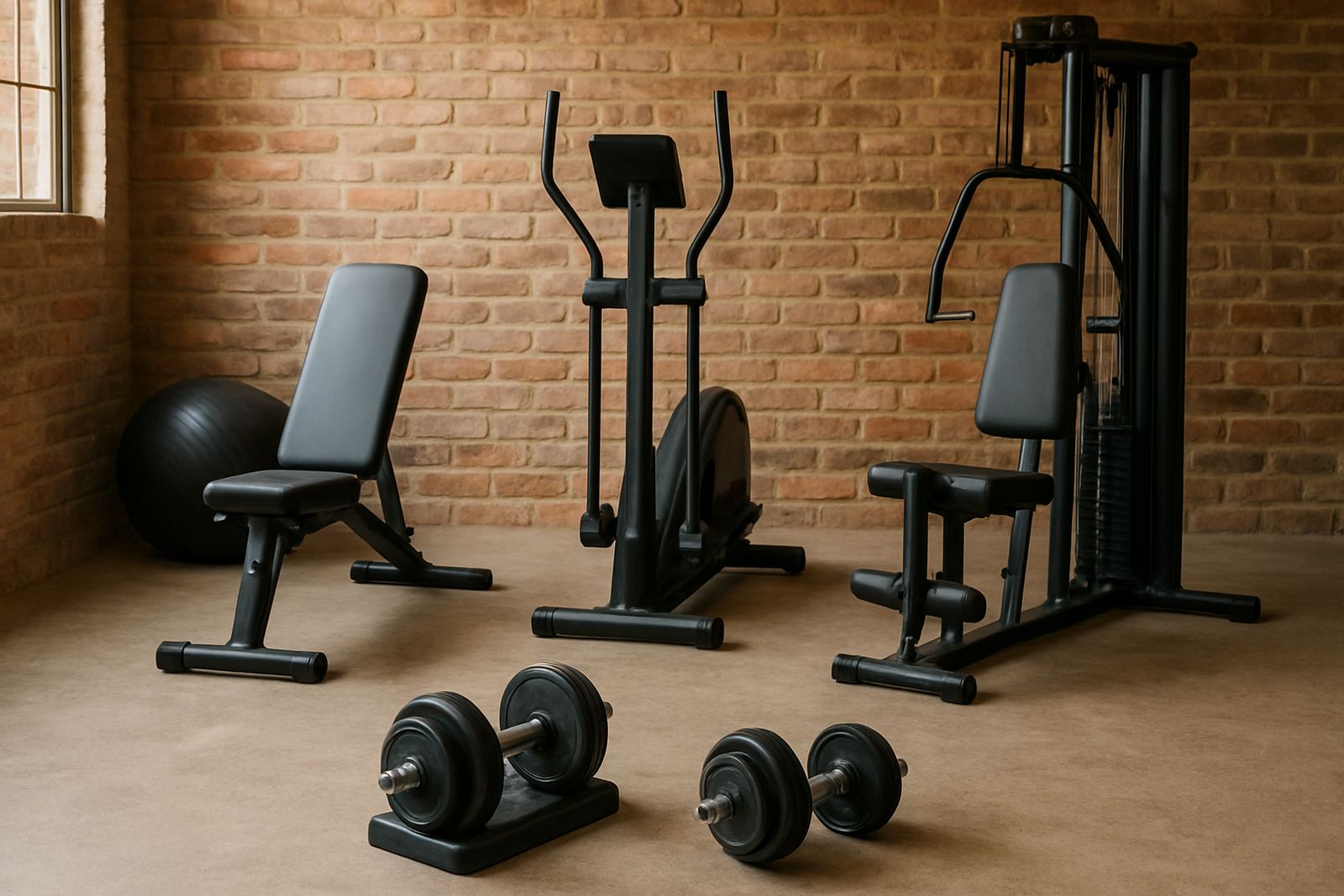
For a small gym, compact usually works better than bulky. Adjustable dumbbells, resistance bands, a foldable bench, a mat and one cardio machine are often enough for a full programme. If your goal is strength and conditioning, think about multi use items that can handle more than one exercise and can be stored without taking over the room.
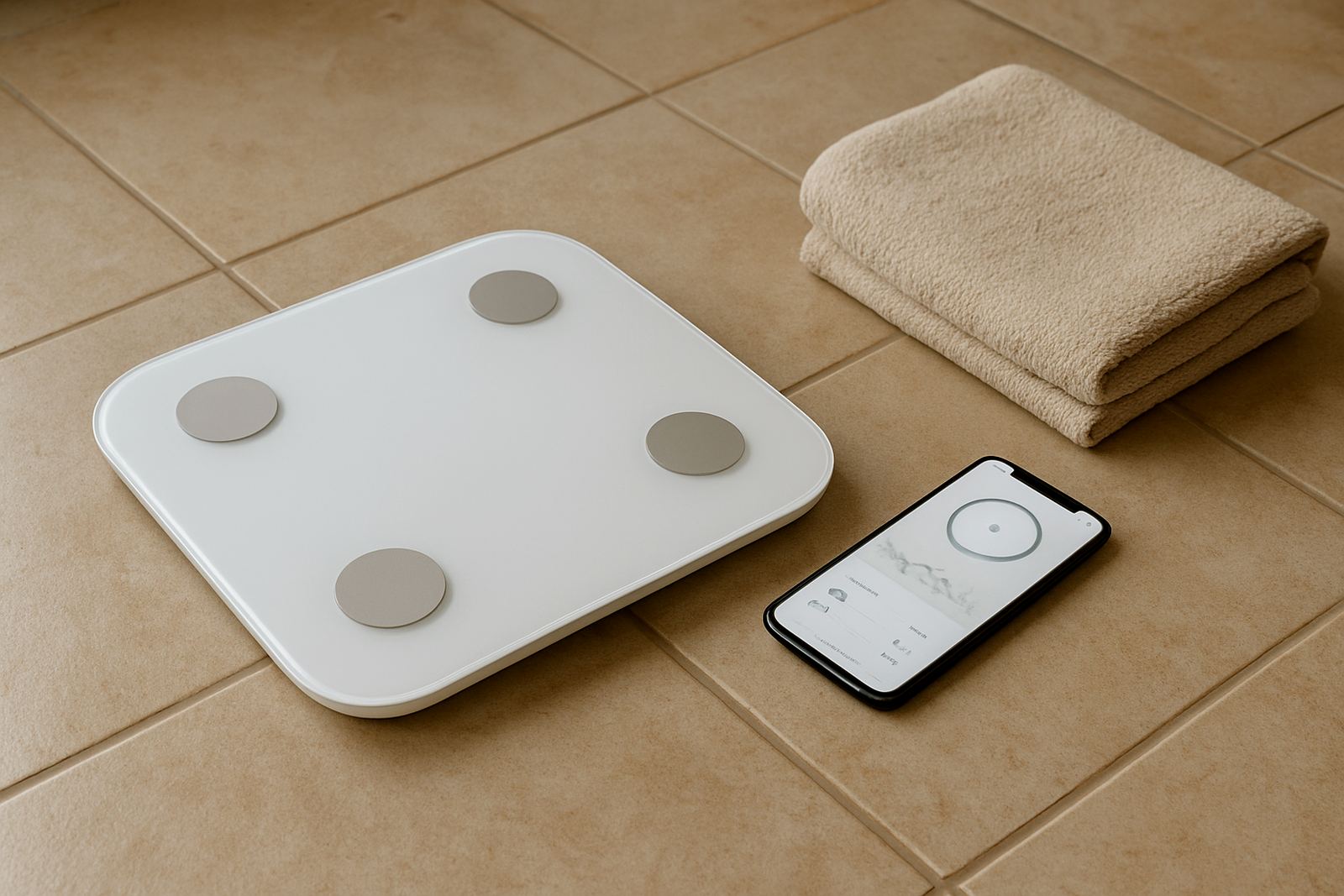
Smart fitness trackers help here too because they let you monitor steps, heart rate and training load without needing a large setup. For home training, that matters when load shedding interrupts your usual routine and you need to keep the session short and focused. Pick equipment you will use three times a week, not gear that looks good but stays in the corner.
- Adjustable dumbbells instead of a full rack
- Foldable bench for presses and seated work
- Exercise mat for floor work and mobility
- Resistance bands for warm ups and rehab style work
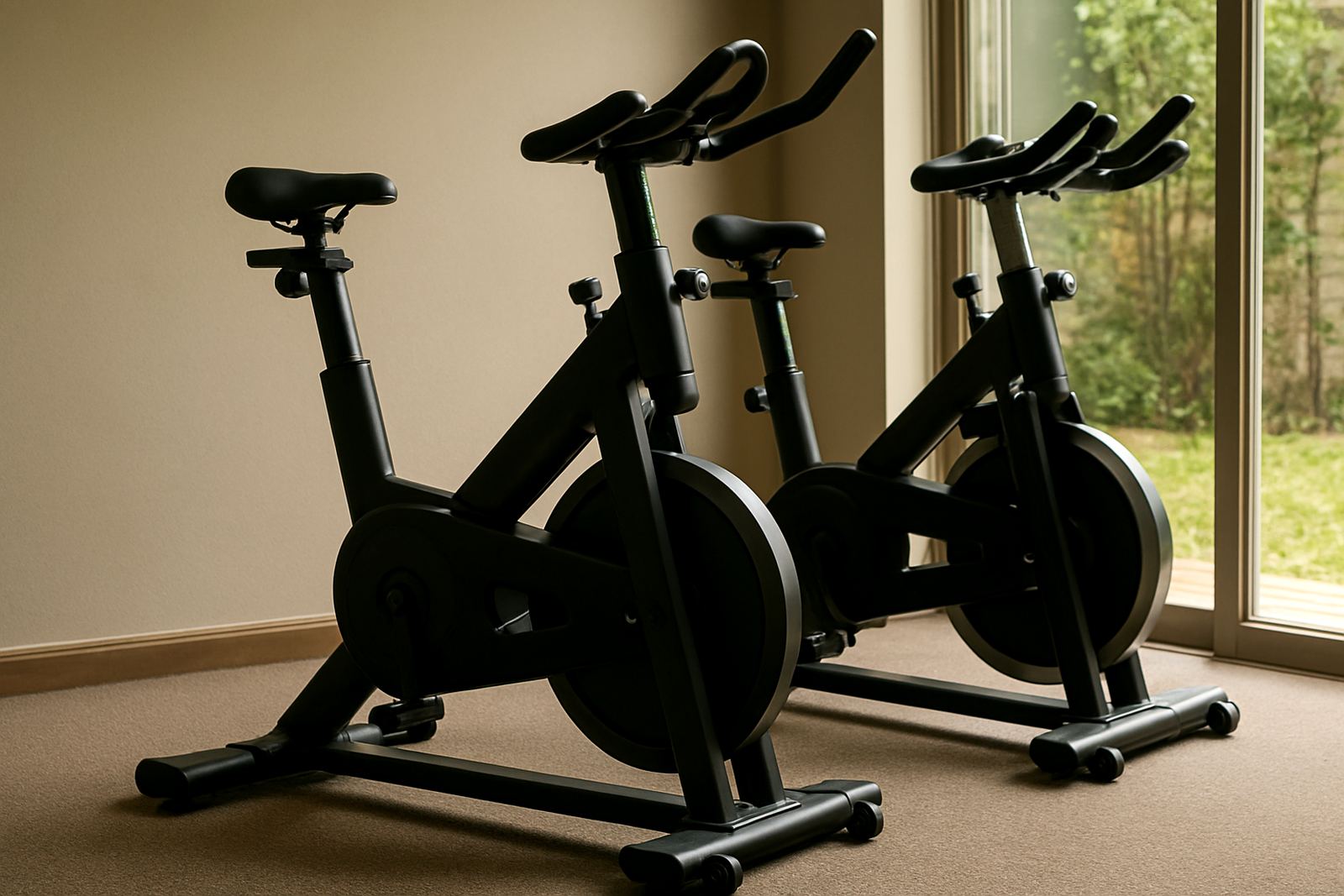
- Compact bike or treadmill if cardio is a priority
Plan traffic flow so the room still feels open
Your training area should have a clear path from the door to the main exercise zone. If you have to shift a chair or step over a box every session, the room becomes hard to use. Keep the centre open and push storage to one wall. In a garage or spare room, try to keep at least one metre of clear walking space where you will step, lunge or swing a kettlebell.
Think about the session from start to finish: warm up, main set, recovery and packing away. If the space is tight, choose equipment that can move quickly from one use to another. A rowing machine may work for some homes, but for others it is simply too long. In Pretoria East or Fourways, where homes often have mixed indoor and garage spaces, the easiest setup is usually the one that can be reset in five minutes.
Protect the floor and manage noise
Flooring is not just about looks. It protects tiles, concrete and timber from dropped weights, sweat and vibration. Rubber mats, interlocking tiles or thick gym flooring can make a big difference, especially in upstairs rooms and homes with neighbours close by. On coastal humidity or in a damp garage, choose materials that are easy to wipe dry so mould does not build up under equipment.
Noise matters as much as flooring. A treadmill on bare concrete can rattle the whole room, and even bodyweight circuits create impact if the floor is thin. Keep music at a sensible level and use rubber under machines where needed. If you train early before work, this helps keep peace with the rest of the house and with the people next door too.
- Use rubber or foam flooring under heavy items
- Place mats under bikes, racks and benches
- Keep towels nearby for sweat and spills
- Ventilate the room after every session
Build storage into the layout from day one
Good storage is what keeps a small gym usable after the first month. If everything has a home, packing away becomes part of the session instead of a separate chore. Wall hooks, vertical racks, bins and shelves can hold bands, mats, straps and smaller items without crowding the floor. Keep frequently used items at waist height so you can reach them quickly.
Label tubs by training type if more than one person uses the room. That helps with family fitness plans and stops small items disappearing into the rest of the house. A neat setup also makes cleaning easier, which matters when dust comes in from the driveway or when an open window brings in moisture. Small systems save time and keep the room ready for teh next session.
- Store light items higher and heavy items lower
- Use closed tubs for small accessories
- Hang bands and skipping ropes on hooks
- Keep a basket for towels and cleaning cloths
Match the space to the programme you will actually follow
The best small gym is the one that supports your real training plan. If your aim is weight loss, a bike, tracker and floor space for intervals may be enough. For strength work, a bench, adjustable weights and a solid mat can cover most sessions. If mobility and recovery matter, leave room for stretching, foam rolling and controlled movement rather than filling every corner with hardware.
Before you buy, write down your weekly plan and check whether the room supports it. If the answer is no, reduce the equipment list until it does. A small home gym should make training easier on busy days, not create more admin. If you are unsure how to combine equipment with your goals, ask for a home gym plan that fits your space, your family and your budget.
- Weight loss: compact cardio, tracker and open floor space
- Strength: bench, adjustable weights and safe clearance
- Mobility: mat space, bands and low storage clutter
- Family use: simple equipment that resets quickly