
Start with the rider, not the catalogue
Before you look at features, decide who will use the bike and how often. A bike for short daily cardio in a flat in Fourways will not need the same setup as one for longer sessions in a family home in Pretoria East. Think about height, weight, training style and whether the bike will be used by one person or shared across the household.
For most homes, the best choice is the one that feels easy to use from day one. If the seat is awkward, the pedals feel unstable or the display is hard to read, the bike may end up standing unused in the corner. A good match should feel simple to mount, easy to adjust and steady when you increase pace.
- Check the rider height range before anything else.
- Make sure the maximum user weight suits all household users.
- Decide if the bike will be used for recovery, fat loss, or harder training.
- Measure the space where it will stand, including room to step off safely.
Comfort details that make a real difference
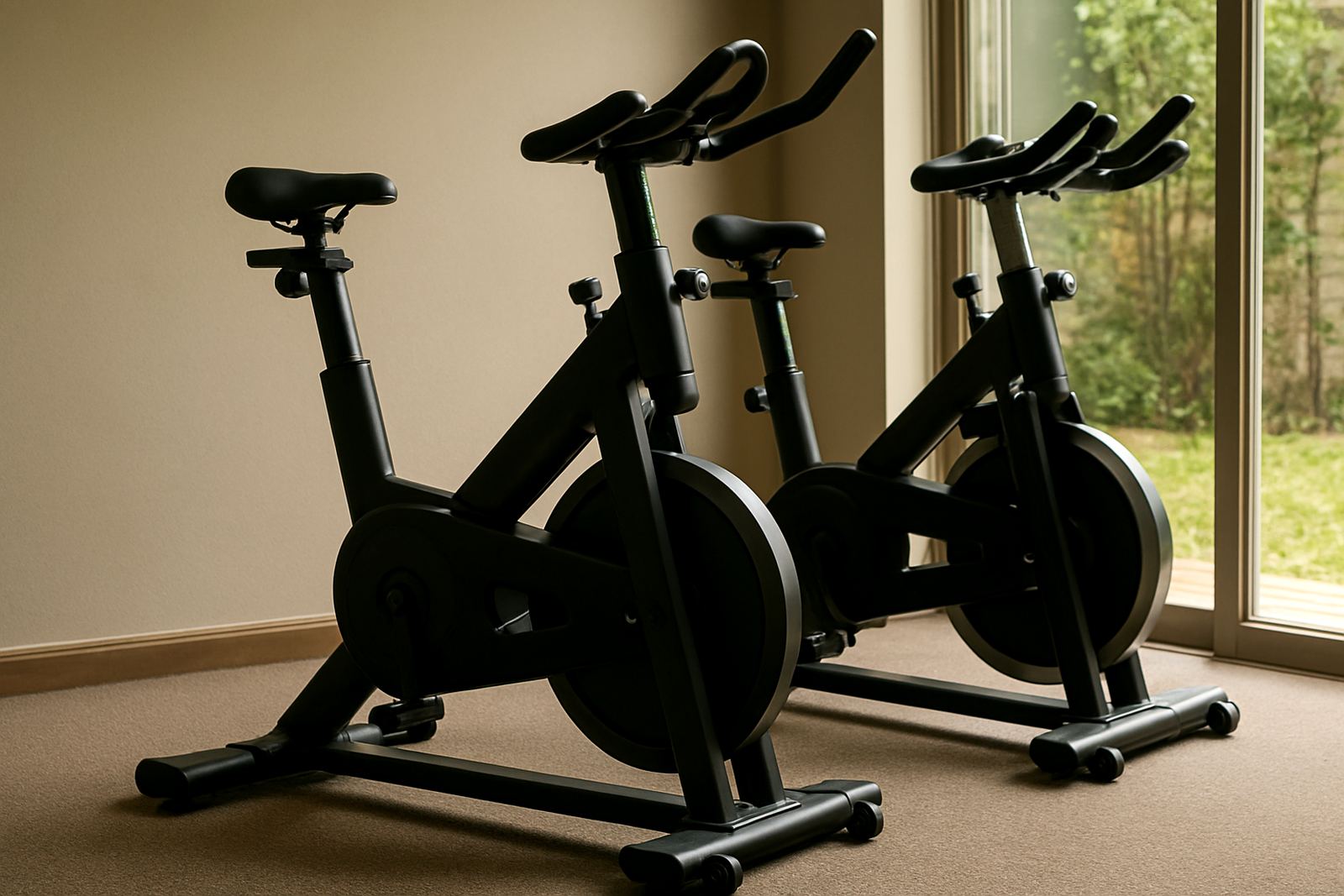
Comfort is not a luxury on an indoor bike, it affects whether you keep using it. Seat shape, handlebar position and adjustment options all matter. A narrow racing style seat may suit some riders, but many home users prefer a wider seat for longer rides. If you plan to ride several times a week, small comfort issues can become very noticeable.
Look for a bike with easy saddle height adjustment and handlebar positioning that suits both upright and slightly forward riding. Pedals should feel secure underfoot and straps should hold the foot in place during faster work. If more than one adult will use the bike, quick adjustments are very useful for daily use.
- Test whether the seat height changes smoothly.
- Check if the handlebars give enough reach without forcing a rounded back.
- Look for non-slip pedals with strong straps.
- Consider a step-through frame if balance is a concern.
Resistance type and what it means for training
Resistance is what makes the bike feel easy or hard to pedal. For home use, consistency matters more than fancy terms. Some bikes offer manual resistance with a simple knob, while others use more controlled resistance settings for structured sessions. What matters is whether the bike can match your programme and give enough range for warm-ups, steady rides and harder intervals.
If your aim is general fitness or weight loss, you want enough resistance to raise your heart rate without making the bike feel jerky. If you are using it for stronger training, it should feel smooth when you increase intensity. In humid coastal areas or homes with less ventilation, a bike that runs smoothly and needs little fuss is often the easier choice.
- Ask how many resistance levels are available.
- Make sure the resistance changes without sudden jumps.
- Check whether it supports both light cardio and harder sessions.
- Think about noise if you train early or late in shared spaces.
Footprint, storage and room planning at home
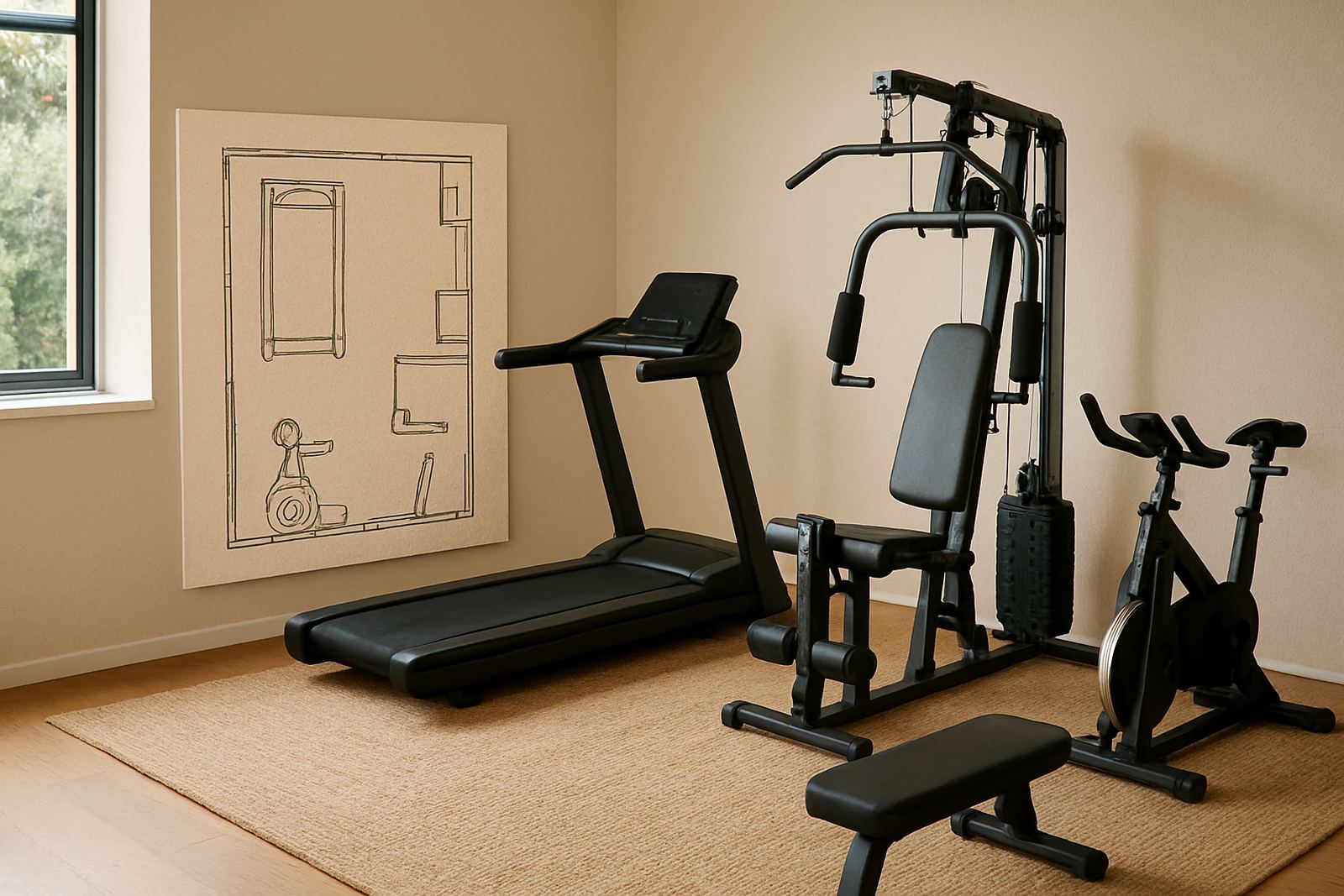
One of the biggest mistakes people make is choosing a bike before measuring the room. The bike itself may seem compact, but you still need space around it for getting on and off, moving the handlebars and storing a mat or water bottle. In apartments or smaller homes in Randburg and Roodepoort, footprint becomes just as important as training features.
Measure the floor space in metres and leave a margin around the bike. If the bike will sit on tiles or laminate, a mat helps with grip and protects the floor from sweat. If load shedding is a regular issue, make sure the bike still suits your routine without depending on powered extras. Simpler setups are often easier to keep in service.
- Measure the floor area before ordering.
- Check doorway width if the bike must be moved between rooms.
- Leave space for safe mounting and dismounting.
- Use a mat to reduce movement and protect flooring.
Useful features versus extras you may not need
It is easy to be drawn to extra functions, but many households only need a bike that gives clear feedback and a comfortable ride. A simple display that shows time, distance, speed and calories can be enough for most goals. If you like tracking progress closely, then more detailed workout data can help, but only if it is easy to read and use.
Some users want built-in training guidance, while others prefer to follow a plan on their own phone or watch. For families, basic setup and reliable use are often more valuable than extras that only one person understands. If you are buying for mixed ages or fitness levels, choose functions that are straightforward to use without a long learning curve.
- Prioritise clear readings over complicated menus.
- Choose the features you will use weekly, not once a month.
- Make sure the display is visible from your riding position.
- Keep the focus on comfort, stability and consistent use.
A simple buying checklist before you order
Once you have narrowed your options, do a final check against your home, your training style and your budget. This helps avoid returns and makes setup easier when the bike arrives. It also helps if you want support with equipment onboarding, home gym planning or a starter programme after purchase.
Use this quick list before you buy:
- Have you measured the room and the bike footprint?
- Does the rider height range suit everyone who will use it?
- Is the seat comfortable enough for sessions of 20 to 45 minutes?
- Does the resistance offer enough range for your goals?
- Will the bike fit your routine during load shedding or early morning training?
- Do you want help with setup, coaching or family fitness plans?
If you want advice that suits a home in Johannesburg, Sandton, Midrand, Pretoria East or nearby areas, a practical conversation can save time and money. The right exercise bike should fit your body, your space and your routine, not the other way round.