
Start with the space and the monthly Rand limit
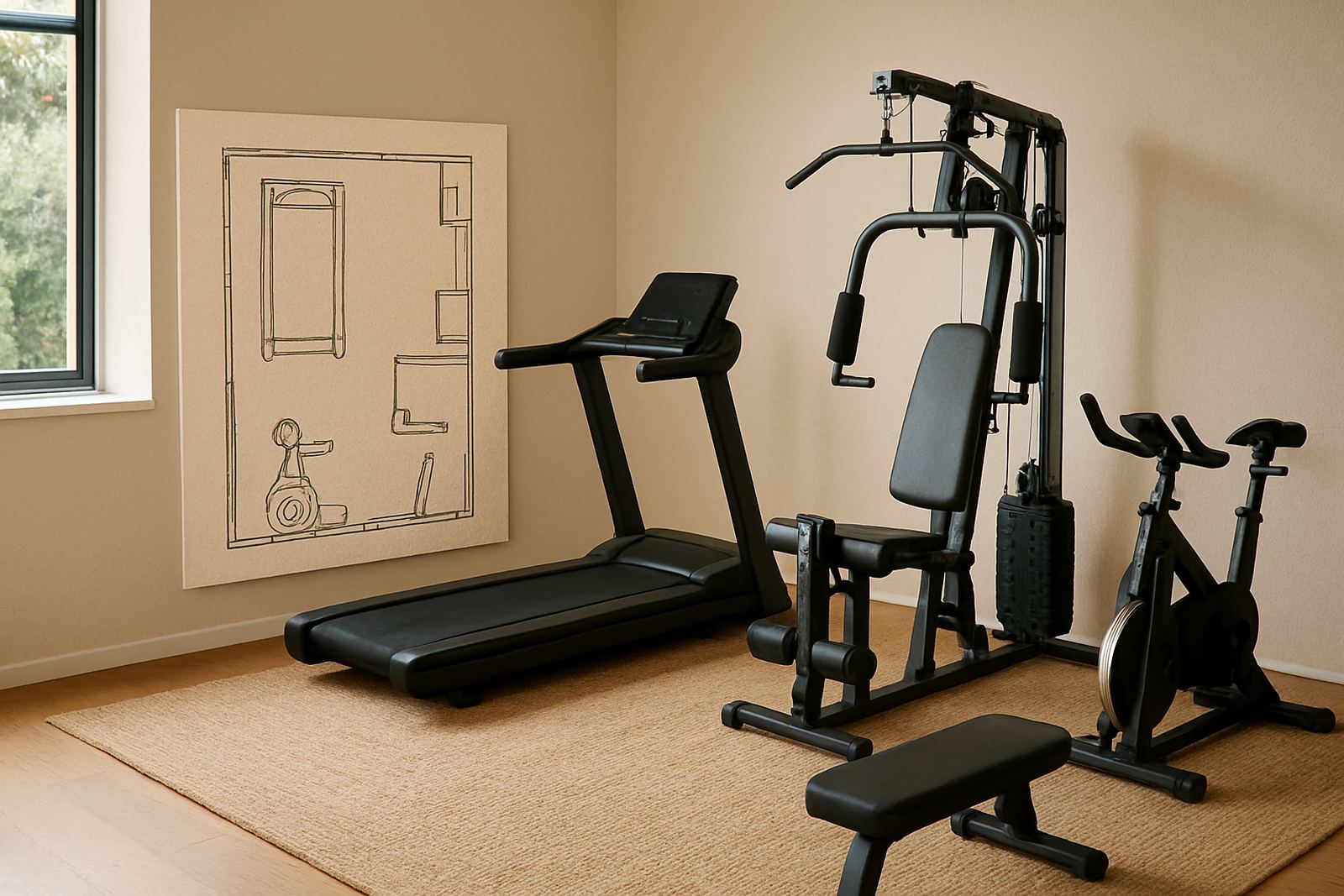
Before you buy a single item, measure the room, garage corner or patio you plan to use. In Fourways or Midrand homes, space is often the first limit, not motivation, so write down the usable metres, ceiling height and whether the floor can take dropped weights or heavy movement.
Set a monthly amount you can afford without squeezing grocery money, school fees or fuel. If load-shedding, travel and other costs already affect your routine, a phased plan usually works better than one large purchase. A clear cap also helps you avoid buying small extras that do not add much value.
- Measure length, width and ceiling height
- Check floor strength and ventilation
- Allow space for storage and movement
- Set a realistic Rand amount per month
Buy the items that give you the most training value first
The best budget starts with tools you will use often. For most homes, that means one or two core items that support strength and cardio without taking up much space. If you are based in a flat in Randburg or a townhouse in Pretoria East, compact equipment makes daily use much easier.
A smart order is to begin with a tracker, then basic training gear, then larger machines if the habit sticks. A fitness tracker helps you follow steps, heart rate, sleep and training time, which can keep you honest when motivation drops. After that, add the equipment that matches the programme you will actually follow.
- Fitness tracker or heart rate device
- Exercise mat and water bottle
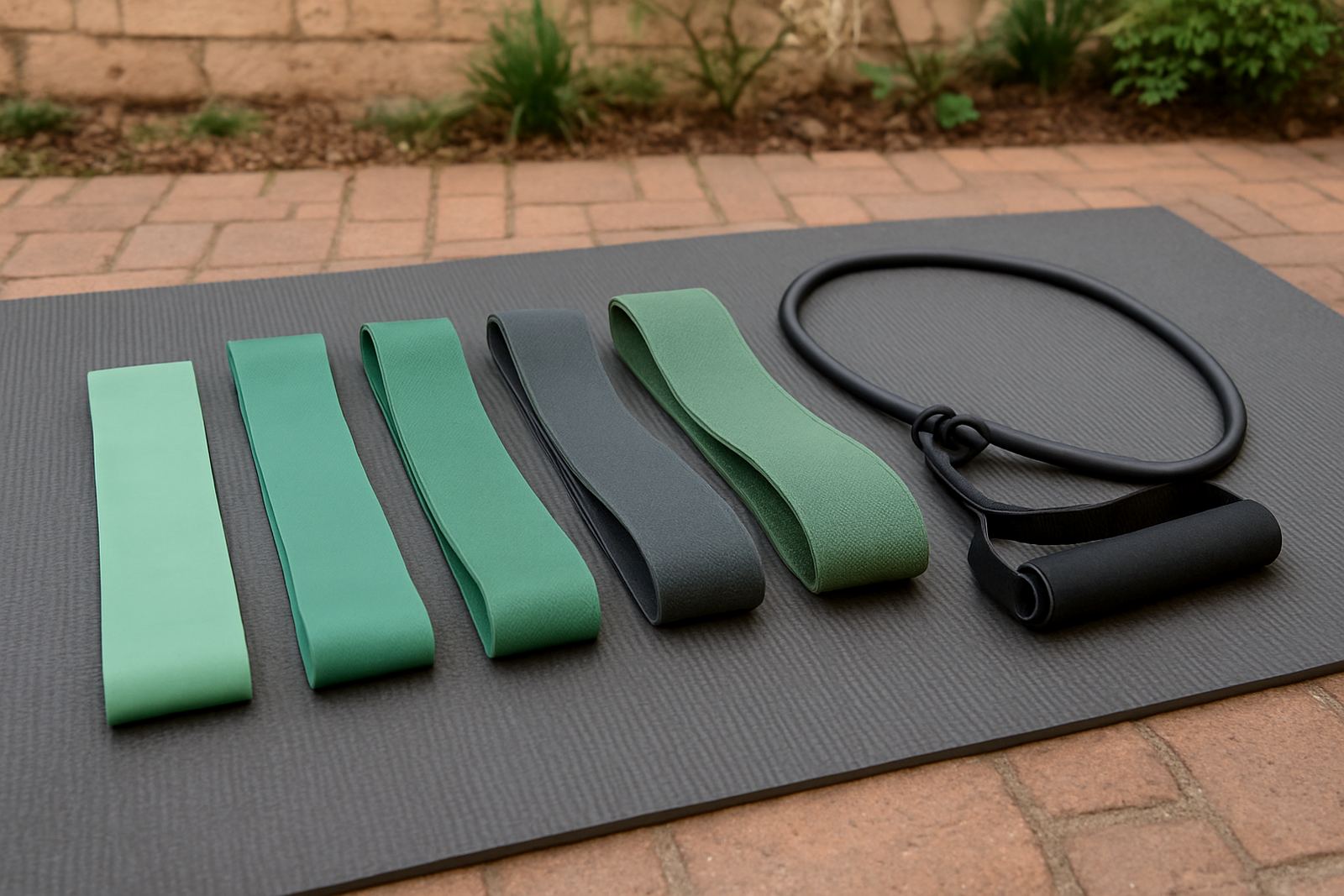
- Resistance bands or adjustable weights
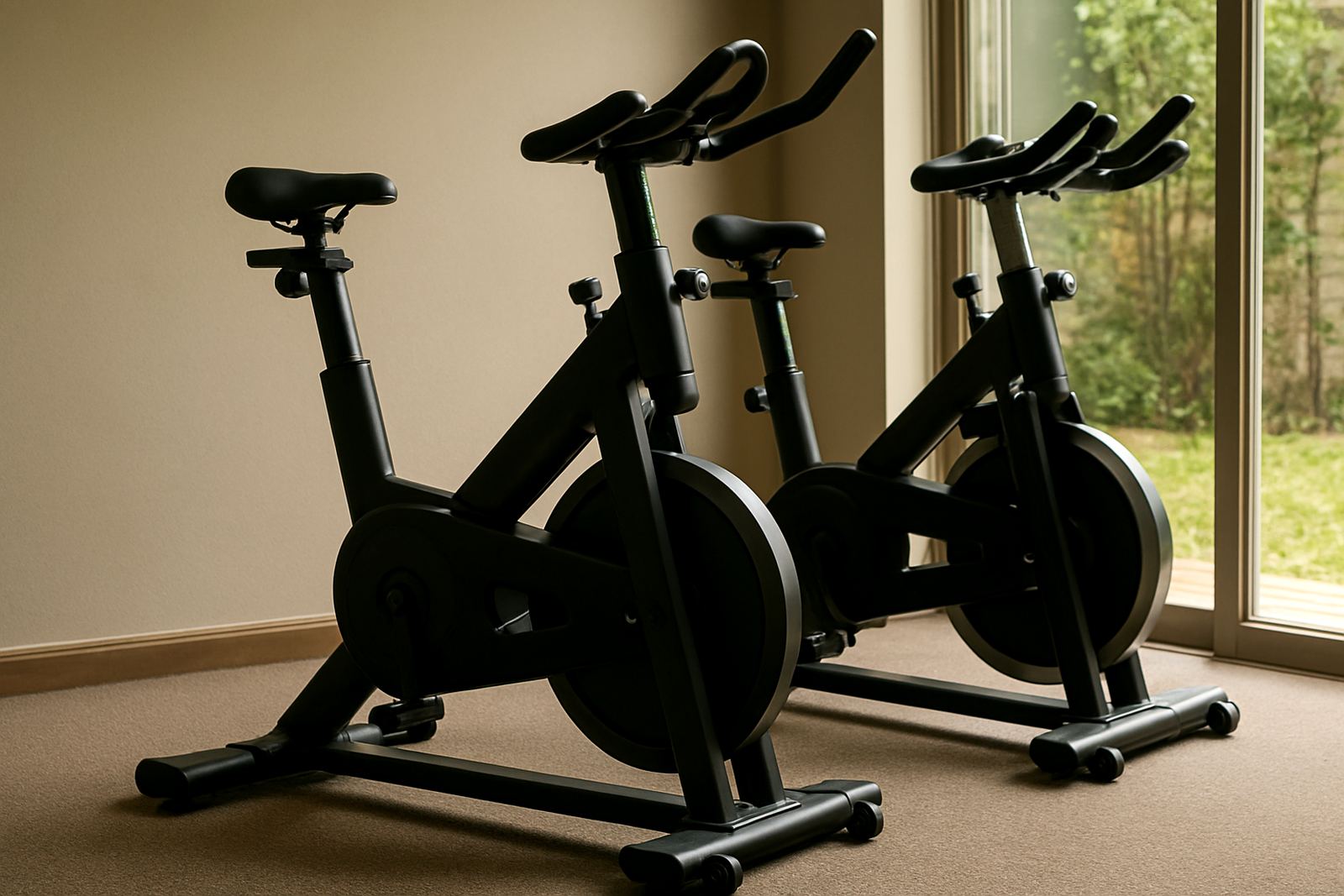
- One cardio option such as a compact bike or skipping rope
Phase your setup over 3 to 6 months
Phasing your purchases spreads the cost and gives you time to test what you really need. Many people spend on too much gear at once, then discover they only use two or three pieces every week. A phased plan keeps the room usable and your budget steady.
A simple plan is to start with tracking and floor work, then add strength tools, then cardio and recovery. If you have family members using the same area, add shared items earlier so the space works for everyone. It also helps to line up each buy with a clear training goal, like weight loss, strength or mobility.
- Month 1: tracker, mat, bands
- Month 2: dumbbells or adjustable weights
- Month 3: cardio equipment
- Month 4 to 6: storage, recovery and upgrades
Match equipment to the programme you will follow
It is easier to stay within budget when each item has a job. A weight loss plan needs different gear from a strength plan, and a mobility routine needs less equipment than a full lifting setup. If you want one space to do more than one thing, choose versatile items first.
For example, adjustable weights can serve beginners and experienced users, while a sturdy mat supports stretching, bodyweight work and core training. If you are building for the family, choose gear that suits different heights and fitness levels. This is where a starter programme or family fitness plan can save money because it keeps the setup practical.
- Weight loss: tracker, cardio gear, mat
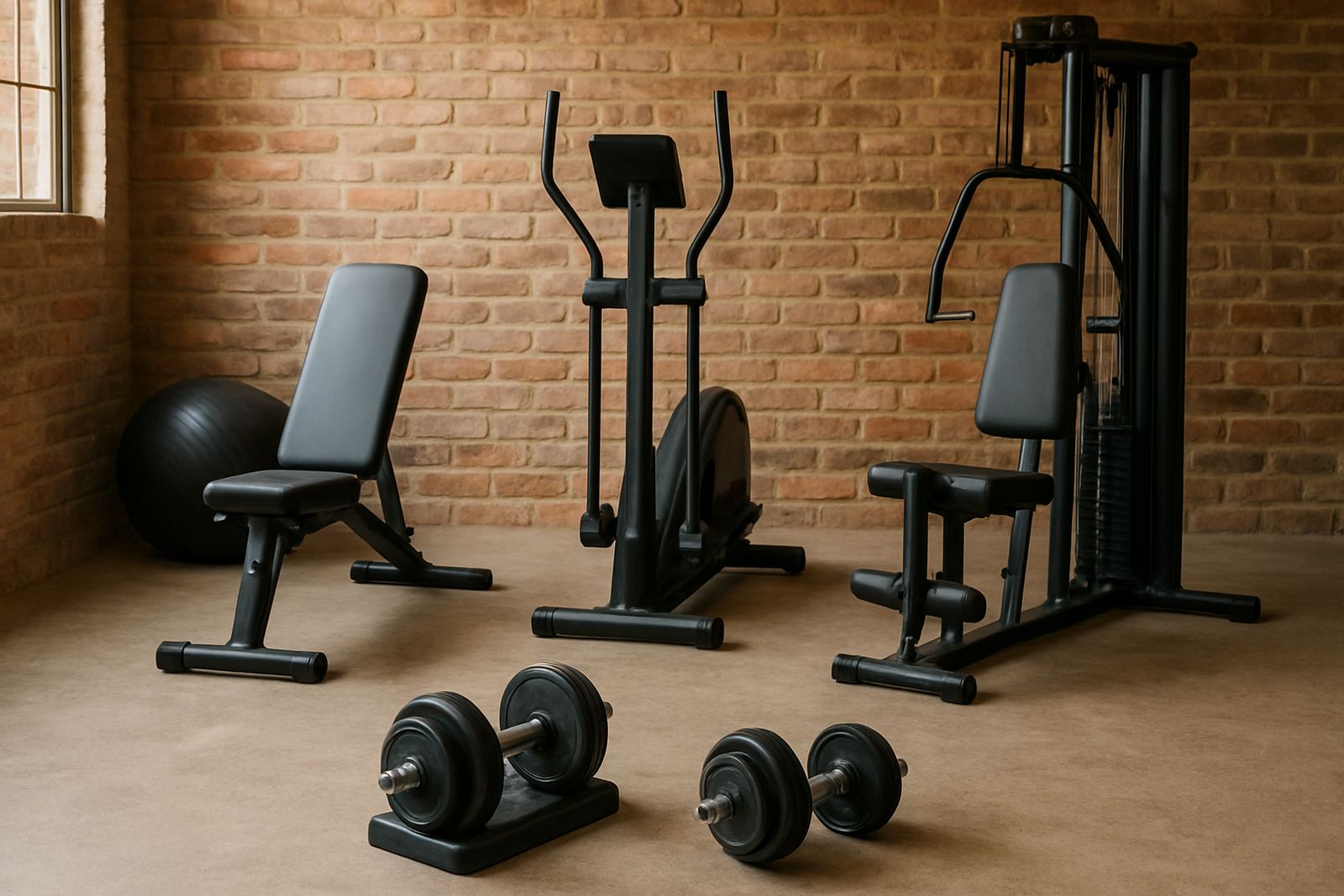
- Strength: weights, bench, storage
- Cardio: bike, rope, step platform
- Mobility: mat, bands, light accessories
Factor in power, storage and South African conditions
Some home gym costs only show up later. In many South African homes, load-shedding affects electronic equipment, so battery life and charging needs matter. If you live near the coast, moisture can affect metal parts, so choose equipment that stores well and wipe it down after use.
Storage also saves money because gear that is easy to put away lasts longer and gets used more. A small rack or shelf can stop clutter from taking over the room. If you live in a complex, check noise rules and be careful with heavy drops or early-morning workouts. That avoids neighbour complaints and damage to the floor.
- Keep electronics charged and protected
- Store metal parts in a dry area
- Use mats to reduce noise and impact
- Check body corporate or municipal rules if needed
Use a simple buying checklist before each purchase
Every item should earn its place. Before you spend, ask whether the product fits your space, your programme and your budget. A good purchase feels useful from day one, not like something you hope to use later.
If you are unsure, talk through the plan with someone who understands home training setups. A quick check can help you avoid buying duplicate items or equipment that is too advanced for your current routine. Keep receipts, note maintenance needs and review the setup after four weeks, then adjust if the room is not working for you.
- Will I use it at least 3 times a week?
- Does it fit the room and storage space?
- Does it suit my current programme?
- Will it still be useful in 6 months?
Build around habits, not just equipment
The strongest home gym budget is one that supports consistency. If the gear is easy to access, the programme is clear and the setup suits your daily routine, you are more likely to train often. That matters more than buying the most expensive item on the list.
Start with what you need now, then add only when your training justifies it. For many homes in Johannesburg and nearby areas, that means a clean floor space, a few versatile tools and a tracker that shows progress week by week. Keep the plan simple and practical, and your budget will go further than you expect.