Start with your space, noise and training habits
Before comparing features, measure the area where the rower will live. A standard machine can take up about 2 to 2.5 metres in use, so check your floor space, ceiling height and where the handle will move during each stroke. If you are in an apartment in Sandton or a townhouse in Randburg, noise matters as much as footprint. If you train early mornings or during load-shedding with a backup light and fan, a quieter machine may suit you better.
Think about how often you will use it. A machine that folds away neatly is useful if the room also serves as a lounge or study. If you plan daily workouts, it may be better to keep it set up and ready. The best choice is not always the biggest one, it is the one you will use consistently.
- Measure length, width and ceiling clearance.
- Check whether the room has enough ventilation for longer sessions.
- Decide if the rower will stay out or be stored after each use.
- Consider neighbours, especially in flats and upstairs units.
Compare resistance types before you buy
Resistance type changes the feel of the stroke, the noise level and the kind of workout you get. Some rowers feel smooth and steady, while others give a more natural pull that increases as you work harder. A good buyer looks at the resistance system first, then the extras.
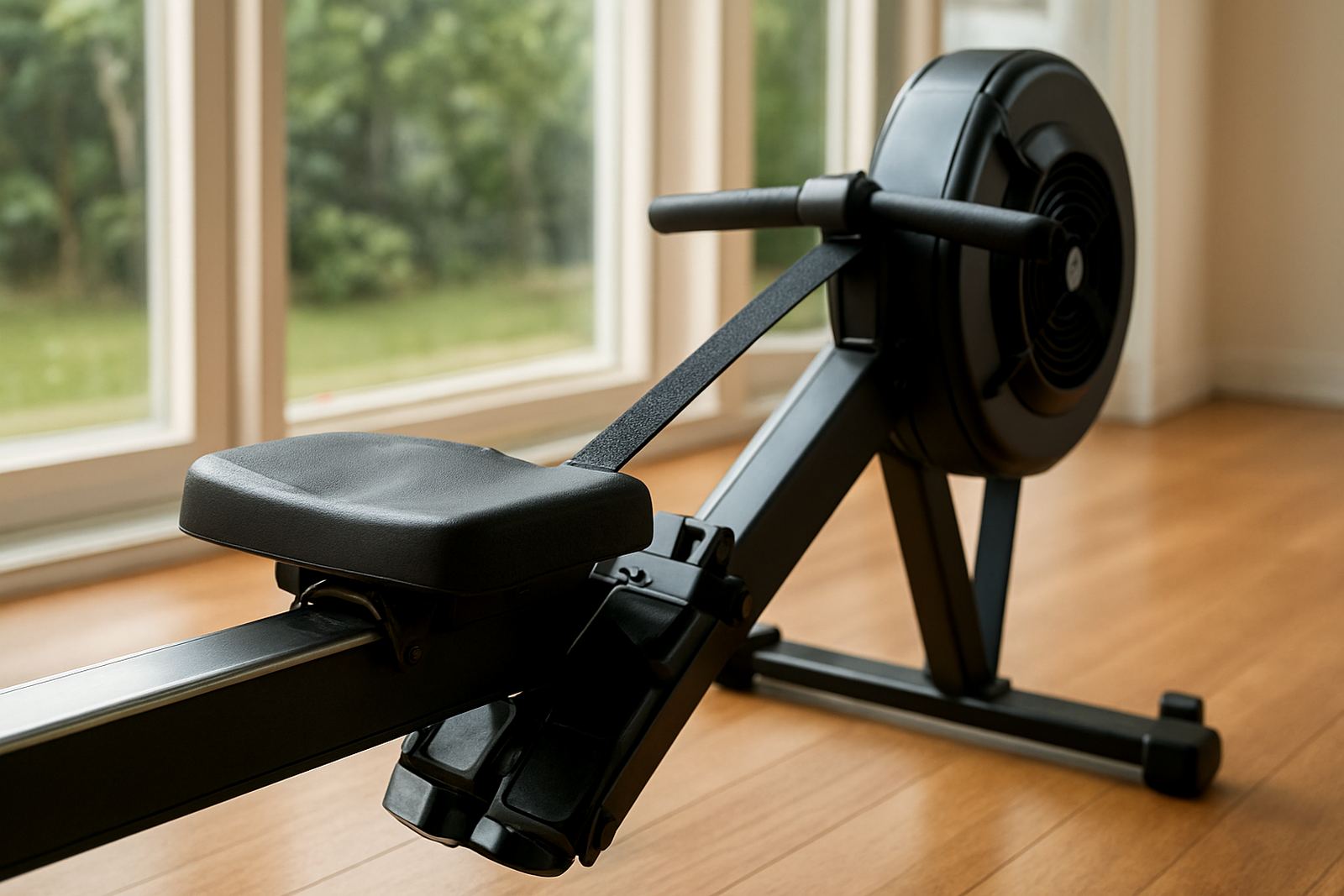
Air resistance is common for people who want a responsive workout. The harder you pull, the more resistance you feel. It is usually louder than other types, so it suits garages, home gyms or spare rooms rather than shared living spaces. Water resistance gives a more natural stroke and a softer sound, which many users prefer for longer cardio sessions. Magnetic resistance is quieter and often easier to control, making it practical for early sessions in Fourways homes where family members may still be sleeping. Some machines combine systems for a balanced feel, but the main point is matching the machine to your training style.
Also check how smoothly the seat rolls and how stable the frame feels. If the machine rocks or twists during hard intervals, it can become unpleasant and may affect form.
- Air: best for intense intervals and performance-focused training.
- Water: good for smoother strokes and a more natural feel.
- Magnetic: usually quieter and better for mixed home use.
- Hybrid: useful if you want a blend of feel and control.
Choose the right machine for your workout goal
Rowers can support fat loss, cardio conditioning, strength endurance and general fitness. The right model depends on what you want most. If your goal is weight loss, look for a machine that is easy to use for 20 to 40 minute sessions and has levels that let you build gradually. If you want stronger legs, back and core, pay attention to resistance range and how well the machine supports short, powerful strokes.
For beginners in Midrand or Pretoria East, comfort and clear display readings help you stay consistent. A simple monitor that shows time, distance, strokes per minute and calories is often enough. More advanced users may want interval settings, pace tracking and heart rate pairing through a chest strap or wrist tracker. If you already use a fitness tracker, make sure the rowing machine data can work alongside your broader programme.
If several people in the house will use the same rower, choose a model with easy adjustment and a seat height that suits different body types. A family plan works better when the machine is simple enough for everyone to use without a long setup.
- For beginners: simple controls, clear screen and comfortable seat.
- For conditioning: stable frame, accurate stroke data and interval support.
- For strength endurance: higher resistance and solid footplates.
- For shared homes: quick adjustments and easy storage.
Check storage, folding and moving features
Storage matters more than many buyers expect. A rower that folds vertically or splits into sections can be far easier to manage in a small home. If you live in Roodepoort or the Pretoria East suburbs and train in a spare room, a compact fold-up unit may keep the room usable for other purposes. Still, folding should be simple and safe. Look for locking pins, stable wheels and a frame that feels solid when opened again.
Wheels help with moving the machine but they do not replace good handling. A rower on carpet may feel different from one on tiles, so ask whether a mat is needed to protect flooring and reduce movement. In humid coastal areas this is important too, but even in Joburg, sweat and dust can build up around rails and rollers if the machine is left uncovered. Wipe it down after use and keep the rail clean.
If you need to move the machine through narrow passages, measure doorways and corners before ordering. A model that is easy to carry can save you trouble on delivery day and during future room changes.
Use this quick buying checklist in the store or online
A short checklist makes the decision easier. Before you buy, confirm the basics and avoid paying for features you will not use. The goal is a machine that fits your home, your routine and your budget in Rand.
- Measure the floor space where the machine will stand.
- Confirm if it folds, wheels well or stores upright.
- Check resistance type and noise level.
- Test the seat, handle grip and foot straps.
- Look at the display and make sure the numbers are easy to read.
- Ask about weight limit and user height range.
- Confirm whether a mat is recommended.
- Check delivery access, especially for upstairs units and tight driveways.
If you plan to use the rower for a starter programme, a strength programme or a cardio programme, make sure the machine supports that pace. A good supplier should help you match the machine to your training plan, not just the price tag.
Set up a rowing routine that actually lasts
A rower works best when it becomes part of a routine, not a once-off purchase. Start with short sessions of 10 to 15 minutes and focus on technique. Push through the legs first, then swing the body, then finish with the arms. On the return, reverse the order. This helps you avoid pulling with the back only, which is a common mistake.
For home use in Johannesburg, the simplest plan is often the best. Three sessions a week can build fitness without overwhelming your schedule. If you combine rowing with mobility work, walking or light strength exercises, you get more balance and reduce boredom. Keep a towel nearby, hydrate well and check your posture in a mirror if needed. Small improvements add up quickly.
If you are unsure which resistance type or storage style suits your home, ask for help before you commit. The right guidance makes the machine more useful from day one and helps you train with less fuss.