Start with how you train, not the feature list
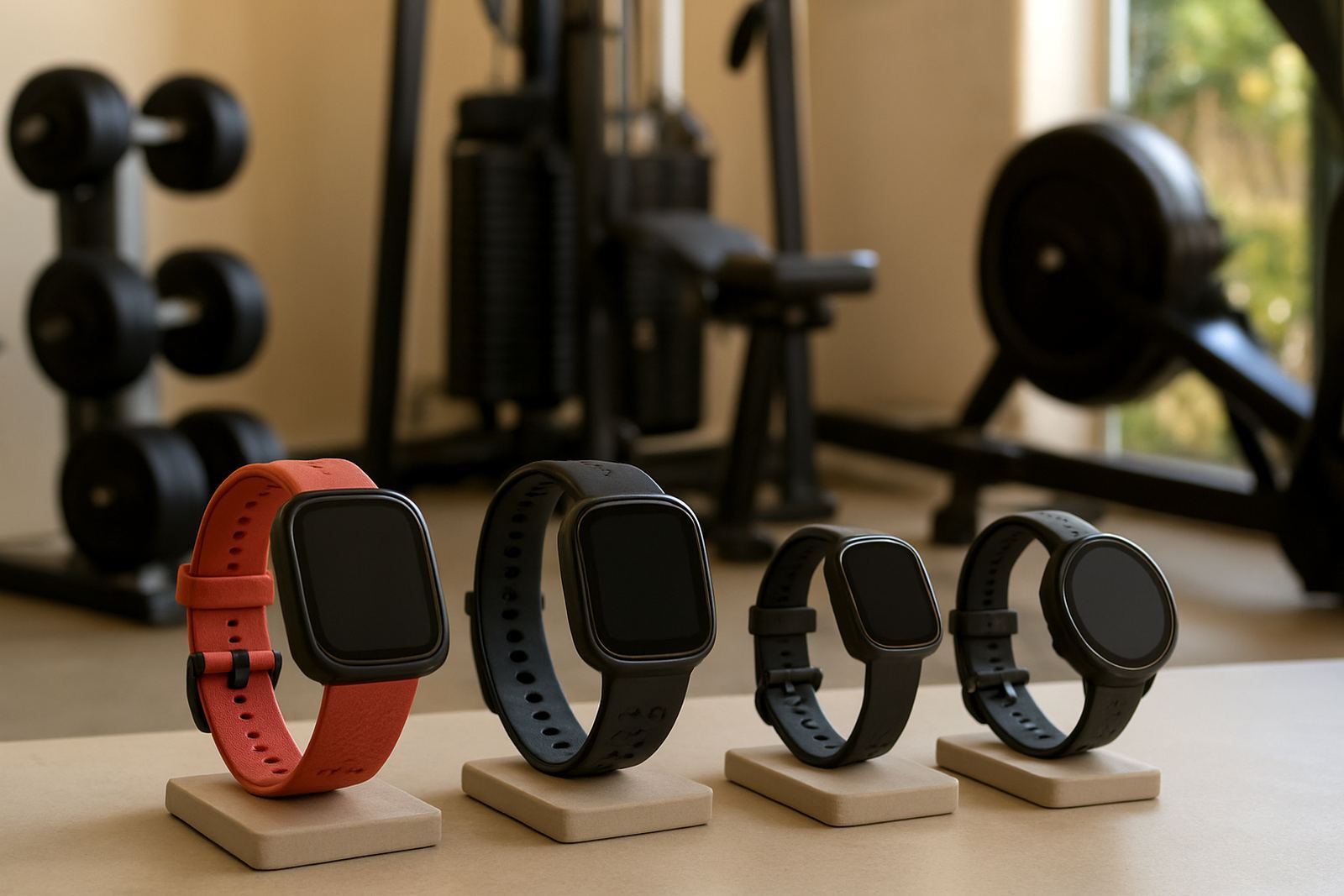
The best watch for you depends on what you do most often. A runner needs accurate pace and distance tracking, while someone doing home strength work may care more about heart rate, rest timers and training load. If your routine changes through the week, choose a model that handles more than one training type without needing a lot of fiddling each time.
At our Fourways base, we often advise customers to match the watch to their main goal first. If you are trying to lose weight, a watch with step counts, calorie estimates and workout reminders can keep you honest. If you are training for performance, look for interval timing, recovery tracking and better sensor accuracy. The right choice should support your routine, not complicate it.
- Walkers and beginners: steps, active minutes, sleep tracking
- Gym users: heart rate, workout modes, rest timing
- Runners and cyclists: GPS, pace, distance and lap tracking
- Weight loss plans: calorie burn estimates and daily movement goals
- Families: shared use, simple menus and long battery life
Check the core features that actually matter
Not every feature on a fitness watch is useful for everyday training. Focus on the basics that you will use regularly. Heart rate tracking helps you stay in the right effort zone, while sleep tracking shows whether your recovery is improving. If you train outside, built-in GPS is worth paying for because it gives cleaner distance data than phone based tracking.
Screen visibility matters too, especially in bright Gauteng sun. A clear display makes it easier to check time and stats during a run or when you are between sets. Touchscreens are handy, but buttons can be easier when your hands are sweaty. If you train early before load-shedding ends, a watch with a bright display and easy charging helps you stay consistent.
- Heart rate monitoring for workout control
- GPS for outdoor running, cycling and walking
- Sleep tracking for recovery and routine
- Workout modes for gym, cardio and mobility sessions
- Good screen readability in sunlight
- Battery life that lasts several days at least
Make sure it fits your wrist and your day
A watch can have great features, but if it feels awkward you will stop wearing it. Check the strap material, weight and case size. Smaller wrists usually suit lighter watches with slimmer cases. Bigger watches can feel fine for men who prefer a solid fit, but on a smaller wrist they may shift around during exercise.
Think about comfort through the day, not only during training. If you wear it at work, during school runs or while driving around Sandton and Midrand, it should not dig in or catch on sleeves. Sweat resistance matters for warm weather and indoor sessions. If you live near the coast or travel there often, choose materials that handle humidity without getting sticky or stained too quickly.
It is worth checking how the strap fastens and whether replacements are easy to find. A secure fit improves heart rate readings, and that can make a noticeable difference.
Battery life, charging and everyday practicality
Battery life is one of the biggest reasons people enjoy or abandon a fitness watch. If you train daily, a watch that needs charging every night can become a hassle. For most people, a few days of battery life is the minimum worth considering, while heavier GPS use will drain it faster. That matters if you forget to charge it before an early morning session or if load-shedding interrupts your routine.
Look at how the watch charges too. A simple magnetic charger is easier for home use, and a full charge should not take all afternoon. If you travel between Fourways, Randburg and Pretoria East for work, compact charging is easier to manage. Also check if the watch can still show time and basic steps when battery is low, because that keeps it useful even when you are between charges.
- Battery life on normal use, not only standby claims
- Charging time and charger type
- Water resistance for sweat and rain
- Reminder alerts for movement and hydration
- Basic functions available without a phone nearby
Match the watch to your training style
If your focus is strength training, choose a watch that supports rep timing, heart rate zones and a clear exercise log. For cardio sessions, interval timers and paceing data are useful. For weight loss, daily movement goals and weekly trends can help you stay on track without overcomplicating the process. If mobility work and recovery are part of your plan, a watch that logs gentle activity and sleep can be just as helpful as one with advanced sports modes.
Families often need different things from the same watch. One person may want a serious running tool while another only needs a simple tracker for steps and sleep. In that case, focus on an easy interface, visible data and enough flexibility for different users. Our starter programmes and virtual check ins often begin with a simple tracker so the user can build the habit before moving to more detailed training data.
Ask yourself a few quick questions before you decide: Will I wear it every day? Will I charge it easily? Will I use the data it gives me? If the answer is yes, you are on the right track.
Simple checklist before you buy
A short checklist helps narrow the options. Use it before you place an order, especially if you are buying online and want the watch delivered anywhere in South Africa. If you are unsure, speak to someone who understands training and home fitness, because the wrong watch can be more frustrating than useful.
- Does it suit your main training type?
- Is the fit comfortable for daily wear?
- Does the battery life match your routine?
- Can you read the screen outdoors?
- Does it track the health data you will actually use?
- Is it easy to charge and simple to set up?
- Will it still make sense if your training changes later?
At FitSmart, we help customers in Fourways, Sandton, Midrand, Randburg, Roodepoort and Pretoria East choose trackers that match their home training setup. We also assist with tracker setup help, equipment onboarding and training plans for strength, cardio, mobility and weight loss, so the watch supports the rest of your routine.
Get the watch set up properly from day one
Once you have chosen your watch, set it up carefully before your first session. Enter your age, weight and stride details if the watch asks for them, because that improves the accuracy of your readings. Turn on the notifications you want and switch off the ones that will distract you. Then wear it for a few normal days before judging the battery or the results, because the first day is not always a fair test.
Wear it snug but not too tight, and check the readings during a workout to make sure it is picking up your heart rate well. If it is part of a home programme, pair it with your exercise schedule so you can compare sessions over time. A good fitness watch should help you stay consistent, and consistency is what gets results.
If you need help choosing or setting up a tracker, our team in Fourways can assist through our contact form.