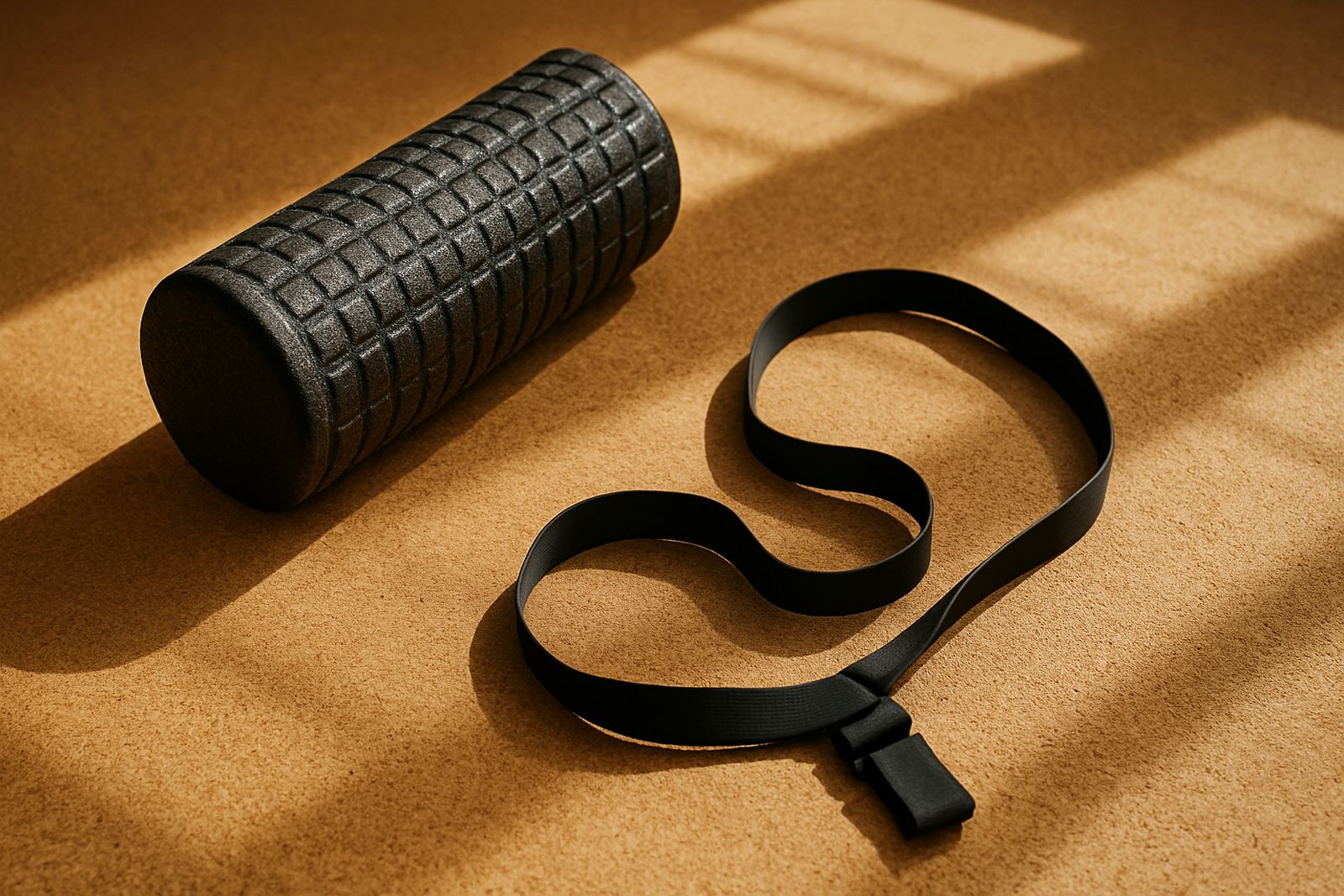
Why a foam roller earns its place in a home gym
A foam roller helps you work on tight calves, quads, glutes, lower back and upper back without needing a lot of space. It is useful before a session to get the body moving, and after training to ease stiffness from strength work, running or long hours at a computer. For many households in Johannesburg and beyond, it is one of the easiest recovery items to keep handy.
Because it is a manual tool, there is no plug, no batteries and no fuel requirement. That makes it practical during load-shedding and ideal for flats, garages and spare rooms. You simply use it on a mat or carpet, then store it in a cupboard or against the wall when done.
Sizes, density and surface options to choose from
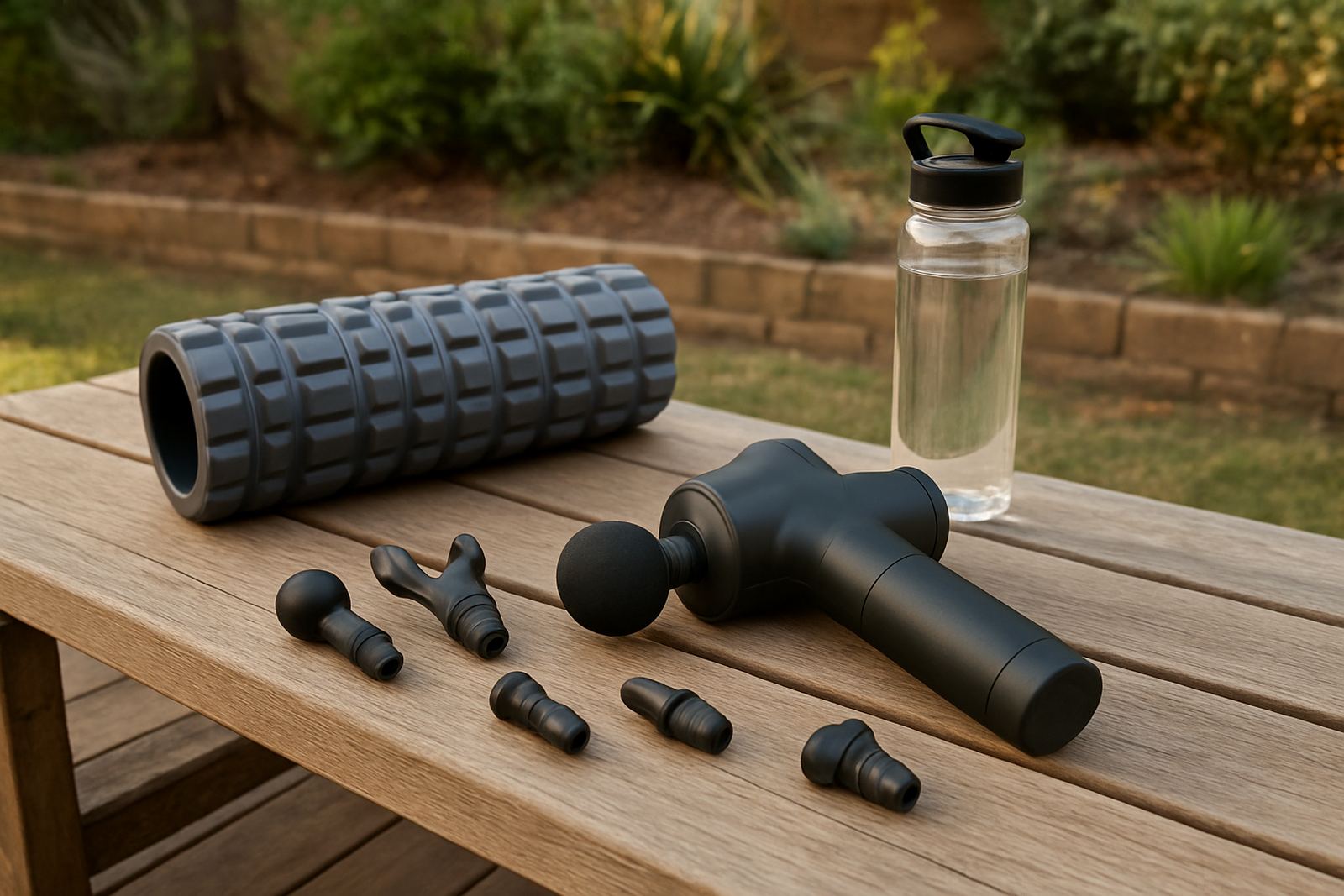
Foam rollers are usually selected by length, firmness and texture. A shorter roller is easier to pack away and can work well for travel or light mobility. A full-length roller is better if you want to roll the back and legs more comfortably. Firmer rollers give deeper pressure, while softer ones are kinder on beginners or sensitive muscles.
- Length options: 30 cm, 45 cm, 60 cm and full-length versions around 90 cm
- Diameter: usually about 15 cm, which is standard for most home use
- Density: soft, medium or firm depending on how much pressure you want
- Surface: smooth or textured for a more targeted feel
- Use level: beginner, regular recovery or more intense myofascial work
If you are not sure what feels right, start with medium density. It usually gives enough pressure without feeling too hard on the first few uses, especially for the upper back and IT band area.
Where it suits best in Johannesburg homes and studios
A foam roller suits home gyms in Fourways, Sandton, Midrand, Randburg, Roodepoort and Pretoria East where space can be limited and routines need to be quick. It also works well for shared family use because it does not take much room and can be used by teens and adults. In coastal areas or damp rooms, it is still easy to keep clean if it is dried properly after use.
It pairs well with a yoga mat, resistance bands, dumbbells and a bench, but it does not depend on any powered equipment. That means you can use it before an early morning run, between meetings, or after a strength session when the body feels a bit tight.
- Good for warmups before squats, presses and running
- Useful after training for muscle release and mobility
- Handy for office workers with stiff backs and hips
- Suitable for family fitness plans and starter programmes
How to use it safely at home
Most people use a foam roller by placing the target muscle group on the roller and moving slowly over the area. It should feel firm, but not sharp or painful. Work in short passes and spend a bit more time on tight spots, breathing steadily as you go. If you are using it for the lower back, keep the pressure gentle and avoid rolling directly on the spine.
For warmups, 30 to 60 seconds per area is often enough. After exercise, longer sessions of 1 to 2 minutes per muscle group can help with recovery. If you are pregnant, have a recent injury or a medical condition, check with a health professional before using it intensively.
Care, cleaning and storage between sessions
Looking after a foam roller is straightforward. Wipe it with a slightly damp cloth after use and let it air dry before putting it away. If you sweat heavily during training, a mild soap solution can help, but avoid harsh chemicals that can break down the outer surface.
Keep it out of direct sun for long periods, particularly in a hot garage or behind a car window, since excessive heat can affect the material over time. Store it flat or upright in a dry spot. No servicing is needed, but it is worth checking for cracks, compression dents or a split surface if it gets used often.
What to check before you order
Before placing an order, check the size, firmness and shape against your training style. A new user usually does better with medium density, while experienced lifters or runners may prefer a firmer roller. Also make sure the product fits your storage space, especially if you want to keep it in a small flat or home office. little things like length and texture can change how comfortable it feels.
- Confirm the length and diameter you want
- Check whether you prefer smooth or textured surface
- Think about firmness based on pain tolerance and use
- Ask about cleaning guidance if it will be used daily
- Confirm delivery to your area, with nationwide shipping available
- For support, use our contact form
FitSmart also supports equipment onboarding, tracker setup help, home gym planning and virtual check ins, so if the foam roller forms part of a bigger routine, you can build it into a starter, strength or mobility programme.
Key facts
| Product type | Foam roller for recovery, mobility and warmups |
|---|---|
| Lengths available | 30 cm, 45 cm, 60 cm and 90 cm options |
| Diameter | Approx. 15 cm standard size |
| Density options | Soft, medium and firm |
| Surface options | Smooth or textured |
| Power or gas needed | None |