
What this punching bag is for
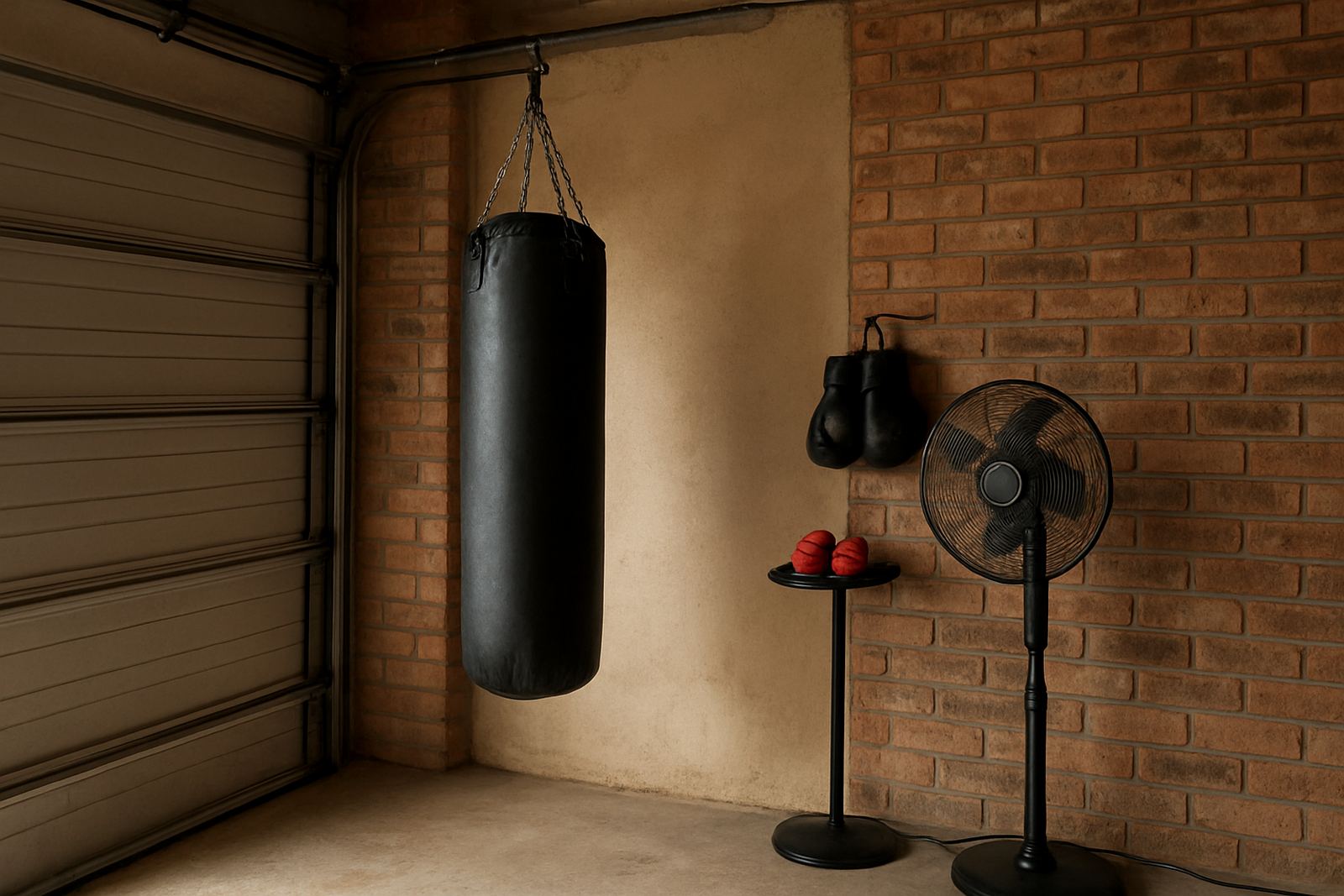
This punching bag is made for hands-on home training, from boxing drills and interval rounds to general cardio and stress release. It gives you a fixed striking target for jabs, crosses, hooks, knees and controlled combinations, which helps build timing, shoulder endurance and footwork without needing a large floor area.
For many homes in Johannesburg, Pretoria East and the northern suburbs, a hanging bag is the simplest way to get proper striking work done indoors or under a covered patio. There is no power or gas needed, just a suitable overhead fixing point and enough clear space to move around the bag.
- Useful for boxing fitness, conditioning and active recovery sessions
- Supports round-based training at home, normally 2 to 5 minute rounds
- Good for solo workouts when you want structure and pace
- Works well in garage gyms, back rooms and covered entertainment areas
Sizes and filling options to compare
Picking the right bag depends on body weight, punching style and the space where it will hang. Lighter bags move more with each strike and suit speed work, while heavier bags feel steadier and are better for forceful combinations. Most home users choose a medium size because it is easier to control and does not take over the room.
If you are training mainly for fitness, a bag in the mid-weight range usually gives the best balance. If you are using it for stronger punches and longer rounds, go for a heavier unit with a tougher outer shell and solid stitching. In humid areas such as parts of coastal South Africa, a tougher cover and dry storage matter a lot more than people expect.
- Light bag: better for speed, timing and beginner work
- Medium bag: balanced option for general home training
- Heavy bag: suits harder striking and more advanced sessions
- Filling type affects swing, feel and noise level
Where it suits in a South African home
A hanging bag suits spaces with a strong roof beam, concrete slab or approved mounting point. In a typical Fourways or Randburg home, that may be a garage, courtyard or a room with enough ceiling height to allow full arm extension and foot movement. You want clear space all round the bag so it does not hit walls, cupboards or parked vehicles.
If you are in an estate or sectional title complex, check body corporate rules before drilling into shared structures. In some cases a freestanding frame is the easier choice, especially where the ceiling is too low or the structure is not ideal for impact loads. For rental properties, ask the landlord first so there are no repair issues later.
- Garages and enclosed braai rooms often work well
- Ceiling height should allow comfortable reach and swing control
- Leave enough room for side steps, pivots and kick-free movement
- Consider neighbours if the bag will transmit noise through a shared wall
Installation and what you need before setup
Installation depends on the mounting point, the weight of the bag and the strength of the hardware used. A proper installation should spread load safely and keep the bag from loosening over time. If you are fitting it to a ceiling, make sure the fixings suit the surface type and the expected movement of the bag during use.
There is no electrical or gas requirement. What matters is safe mounting, enough clearance and the right hardware for the surface. If the bag will be used in a home gym that already has a tracker or TV screen, keep the bag position away from cables and electronics, because sweat and impact can cause problems over time.
- Check ceiling height before ordering
- Confirm whether you need a chain, swivel or hanging bracket
- Use fixings suited to timber, concrete or steel support
- Allow space for the full arc of the bag when it swings
Care, cleaning and long-term servicing
Basic care keeps the bag usable for longer. Wipe it down after training, especially if you train hard or your space gets warm. Sweat build-up, dust and damp air can shorten the life of the outer cover and stitching. In a coastal climate, it helps to keep the bag dry and out of direct sea air where possible.
Check the chains, straps and mounting points regularly. If you notice fraying, uneven swing or loosened fittings, stop using it until the issue is fixed. A quick inspection once a month is usually enough for most home users, although higher-use homes may need more frequent checks. Keep it out of direct rain and let it air out after a session, not packed away wet.
What to check before you order
Before placing an order, measure the space and think about who will use the bag. A family setup in Midrand may need a different size from a single-user fitness corner in Roodepoort. If you are planning the bag as part of a starter programme or weight loss plan, it helps to choose a size you can use consistently, not just once a week.
Also check what is included in the box. Some bags are sold with hanging hardware and some are not. If you need help matching the bag to your space, it is worth confirming the ceiling type, bag weight and training goal before checkout. That saves time and avoids unnecessary changes after delivery.
- Bag weight and overall length
- Whether hanging hardware is included
- Mounting surface type and load capacity
- Space available for movement around the bag
- Training goal, from cardio to strength or stress relief
Key facts
| Product type | Hanging punching bag for home boxing fitness |
|---|---|
| Use case | Cardio, stress relief, striking drills and endurance work |
| Typical size options | Medium and heavy home-use sizes, depending on training style |
| Installation need | Ceiling beam, slab or suitable frame with correct fixings |
| Power or gas required | None |
| Suitable spaces | Garage gyms, covered patios, spare rooms and home gyms |