
When the goal is muscle gain, the setup must match the plan
Clients coming in for muscle gain usually want one thing first, results they can measure. That means the home training space has to support regular strength work, enough resistance to keep progressing, and a simple way to check whether training loads, body weight and recovery are moving in the right direction. In Johannesburg homes, that often means making smart use of a spare room, garage or covered patio, especially where space is tight and load-shedding can interrupt routines.
A good muscle gain setup does not need to be huge, but it must be consistent. If you can train 3 to 5 times a week without moving furniture around every session, you are already ahead. The best results come from a layout that keeps the main lifting area clear, stores smaller items within reach, and leaves enough room for safe movement around a bench or rack.
Typical equipment for a solid muscle gain home gym
For muscle gain, the equipment mix should allow compound lifts, accessory work and basic tracking. The exact list depends on space and budget, but most homes benefit from a core strength set rather than too many single-use items. In Fourways and Sandton homes, we often see clients choose a compact setup first, then add pieces as strength improves.
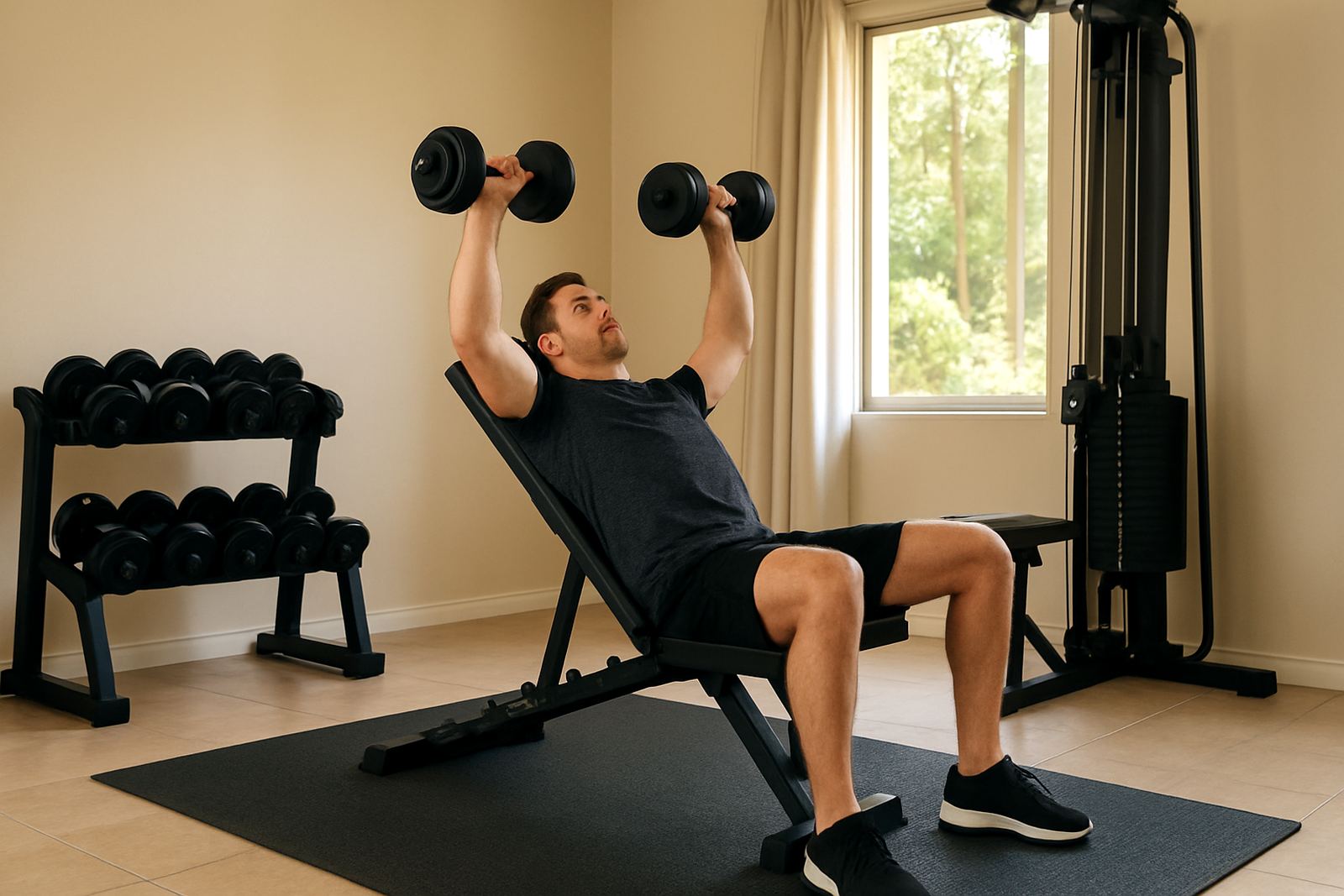
- Adjustable dumbbells or a full dumbbell set for pressing, rowing and arm work
- Adjustable bench with flat and incline positions
- Squat stand, half rack or compact power setup where ceiling height allows
- Bar and plates for progressive loading, ideally with enough total weight to last 12 to 18 months
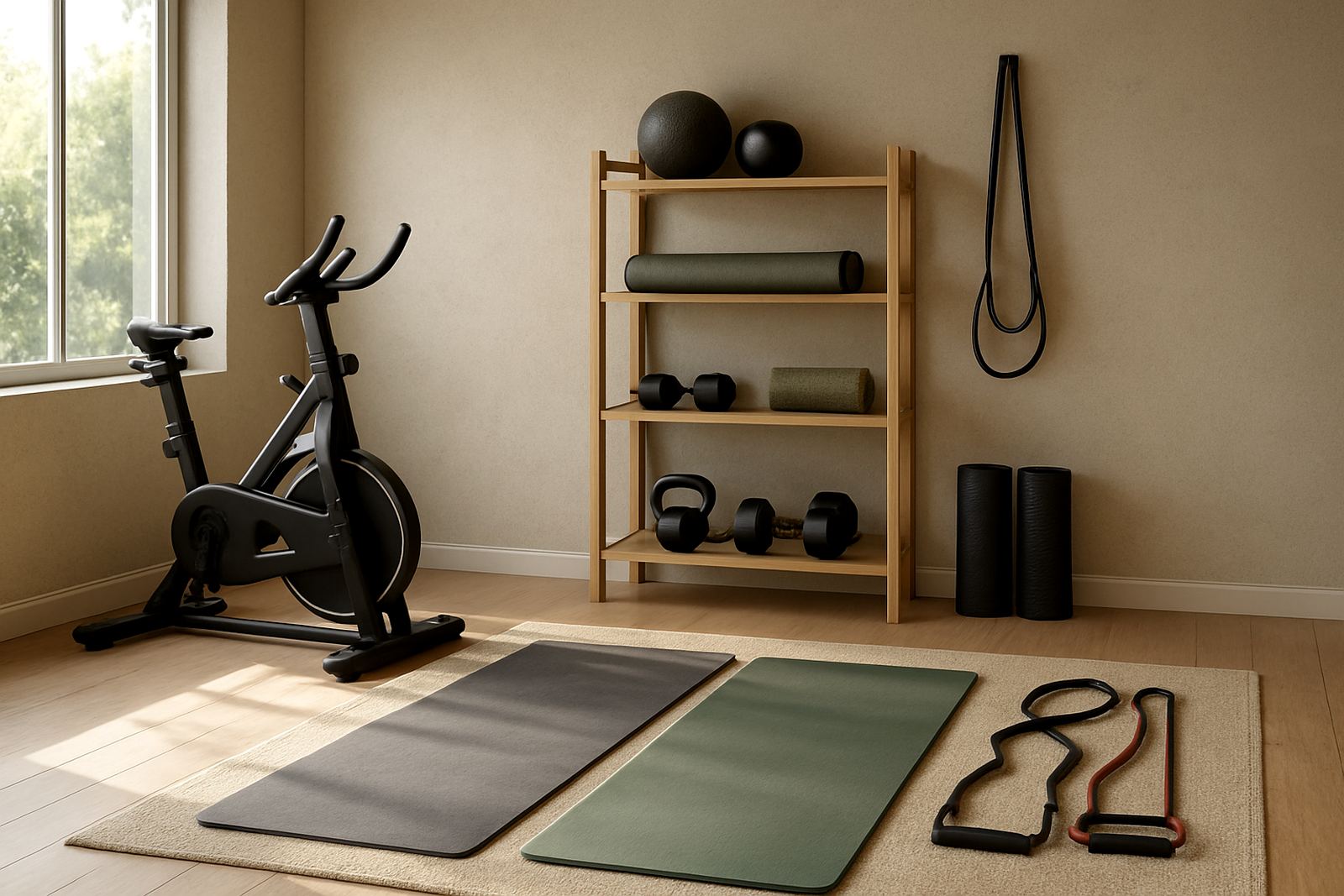
- Resistance bands for warm-ups, activation work and assistance work
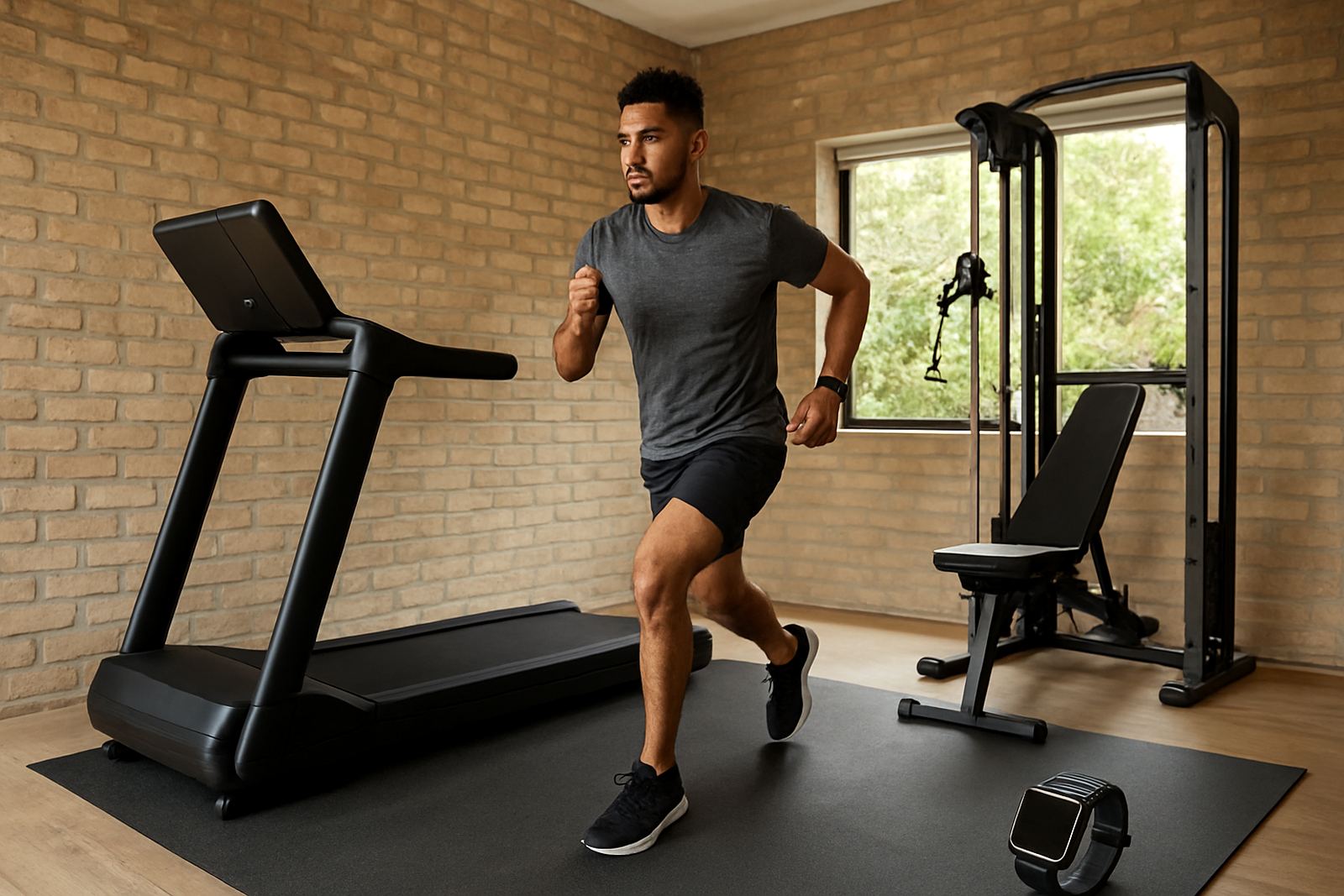
- Smart fitness tracker for heart-rate trends, sleep and recovery markers
- Matting or rubber flooring to protect floors and reduce noise for neighbours
For many homes, the tracker is just as important as the weights. If sleep drops, resting heart rate climbs or training sessions start feeling heavier than normal, that is useful information. It helps you adjust volume before fatigue turns into a stop-start cycle.
How to plan the room so training stays easy
Muscle gain needs repeatable sessions, not a room that feels cramped or cluttered. Start by measuring the floor area, ceiling height and any low beams or garage doors. In Midrand and Pretoria East, garage conversions are common, but overhead clearance matters if you are pressing or using a pull-up bar. Leave enough space for walking around the bench and for setting weights down properly, because crowded corners increase the risk of strain.
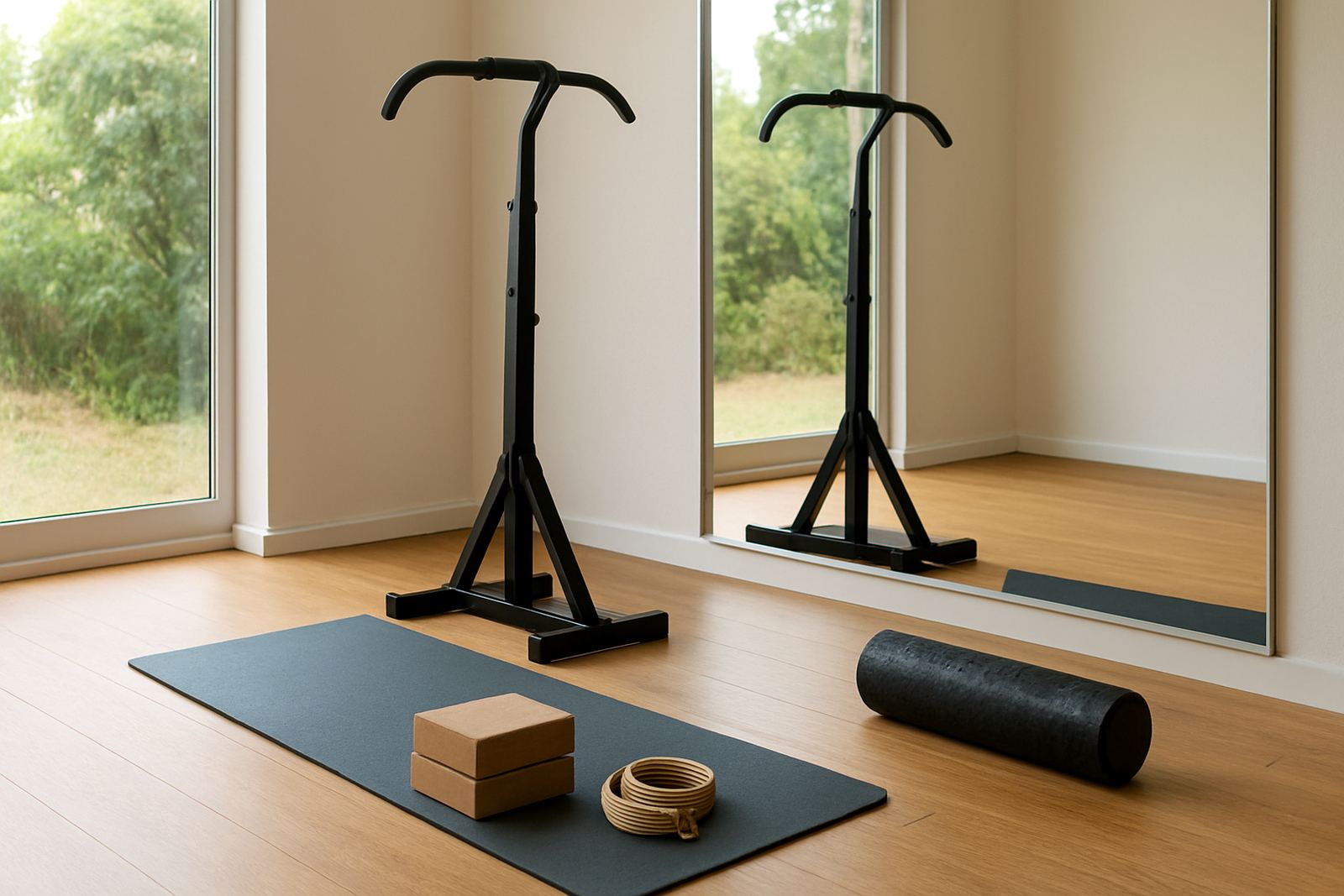
A simple layout usually works best. Keep the heaviest lift in the main open zone, place storage against one wall, and keep recovery tools nearby but not in the way. If the space doubles as a family room or storage room, use movable pieces so the area can be cleared quickly. During power cuts, battery-powered lighting helps keep sessions safe, and in humid areas or closed garages it is worth checking airflow so metal parts and pads stay in better condition.
Our home gym planning support is useful where the household needs more than just equipment delivery. We look at the room, training style and weekly schedule, then suggest a layout that suits a beginner, intermediate lifter or a full family setup. That matters if two people train at different times or if one person needs more floor space for mobility work after heavy sessions.
Recovery planning is part of muscle gain, not an extra
People often focus on the weight stack and forget the recovery side, but muscle growth depends on rest, food and repeatable workload. A smart tracker can help by showing sleep duration, daily activity and changes in resting heart rate. That gives a clearer picture of whether the body is coping well or whether the programme needs a lighter week.
- Use sleep trends to spot late nights and poor recovery before they affect training
- Track daily steps so general activity does not drop too low on rest days
- Watch training heart-rate response during conditioning work and supersets
- Log body weight at the same time each week for a more useful trend line
- Keep a simple session record of sets, reps and load so progression is visible
For muscle gain, the point is not to chase every number. It is to keep enough information to make better decisions. If you are pushing hard five days a week, the tracker should help you spot when to back off a little, not confuse the process with too much data.
Common mistakes that slow progress at home
The most common mistake is buying equipment in pieces without a plan. People often start with a few small items, then realise they still cannot squat safely or press comfortably. Another issue is choosing gear that looks good but does not give enough loading range. For muscle gain, you need resistance that grows with you. A set of light weights that max out too soon becomes costly to replace.
Space planning problems are also common. Some households place the bench too close to storage, which makes movement awkward and reduces training frequency. Others forget floor protection and end up with damaged tiles, marks on paving or noise complaints from neighbours in places like Randburg or Roodepoort. In shared homes, the setup must be practical for other family members too, otherwise the gym starts getting moved around every week and training falls away.
Another mistake is ignoring recovery. Training hard while sleeping badly, eating inconsistently or skipping rest days usually leads to sore joints and slower progress. The better approach is to combine strength work with a starter programme, strength programme or weight-loss coaching if body composition is part of the goal. That way, the equipment supports the method, not the other way round.
Budget ranges for muscle gain setups in Rand
Budget depends on how serious the lifting plan is and how much of the gym needs to be done at home. A small starter setup for muscle gain can begin around R6,000 to R12,000 if the focus is on adjustable dumbbells, a bench, flooring and a tracker. This works for lighter training, accessory work and a slow build-up.
A more complete strength setup usually falls between R15,000 and R35,000, depending on barbell loading, rack choice, flooring and tracking tools. This level suits regular progressive overload, better lower-body work and a room that will be used weekly for a long time. For larger homes, family setups or serious lifters who want more weight range and more storage, budgets can move beyond R40,000. The right spend is the one that covers at least the next 12 months of progression without forcing replacements too soon.
We also help clients in Sandton, Fourways, Midrand, Randburg, Roodepoort and Pretoria East decide what to buy first and what can wait. Sometimes the best use of budget is not more gear, but better planning and a cleaner layout so the equipment gets used properly.
Getting a muscle gain space ready for delivery and setup
Before delivery, the room should be measured and cleared so the main items can be placed without delays. Check gate access, staircase width if relevant, and any parking restrictions in complex areas. If the setup is going into a garage, it helps to clean the floor first and confirm whether the surface can take rubber matting or needs extra levelling. In some Johannesburg homes, a small change in layout makes a big difference to how often the space gets used.
FitSmart supports equipment onboarding, tracker setup help, home gym planning and virtual check-ins so the first weeks are practical rather than guesswork. If you are building muscle, the aim is to keep the routine simple enough to repeat and strong enough to keep improving. That is what turns a room with equipment into a real training space.