
What a proper strength setup needs at home
If the goal is measurable strength gains, the home setup needs to handle repeated compound lifts, not just light sessions between errands. In Fourways, Sandton and Midrand we often work with clients using a garage, spare room or covered patio, so the first job is matching the equipment to the floor space, ceiling height and noise level.
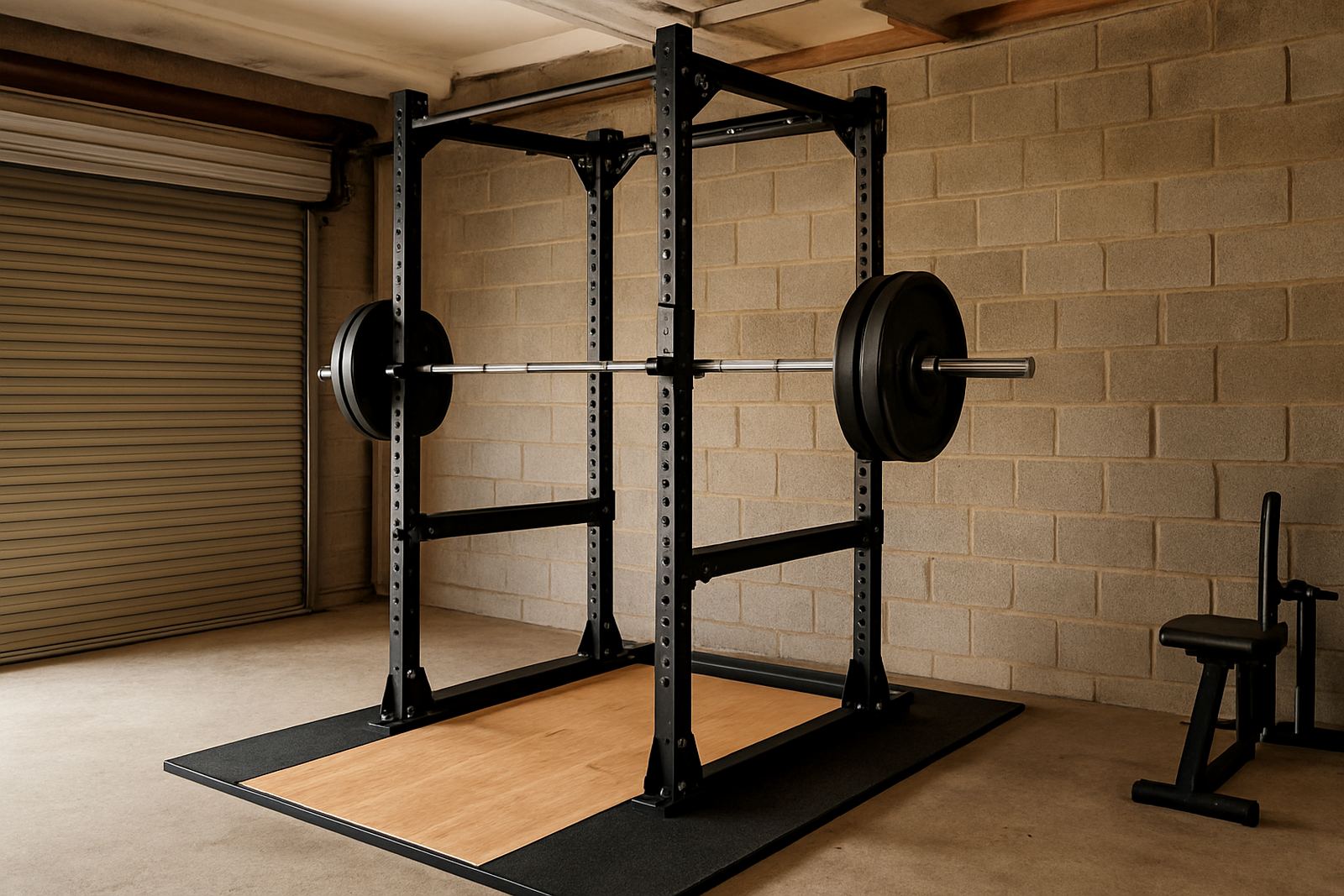
A practical strength corner usually starts with a solid rack or squat stand, a barbell, plates, a bench and flooring that protects tiles or concrete. If load-shedding is part of the routine, it helps to choose simple gear that still works when screens and apps are off line, because the lift itself should not depend on power.
- Squat rack or half rack for squats, presses and safeties
- Barbell with a grip that suits mixed lifting styles
- Weight plates with clear increments for progression
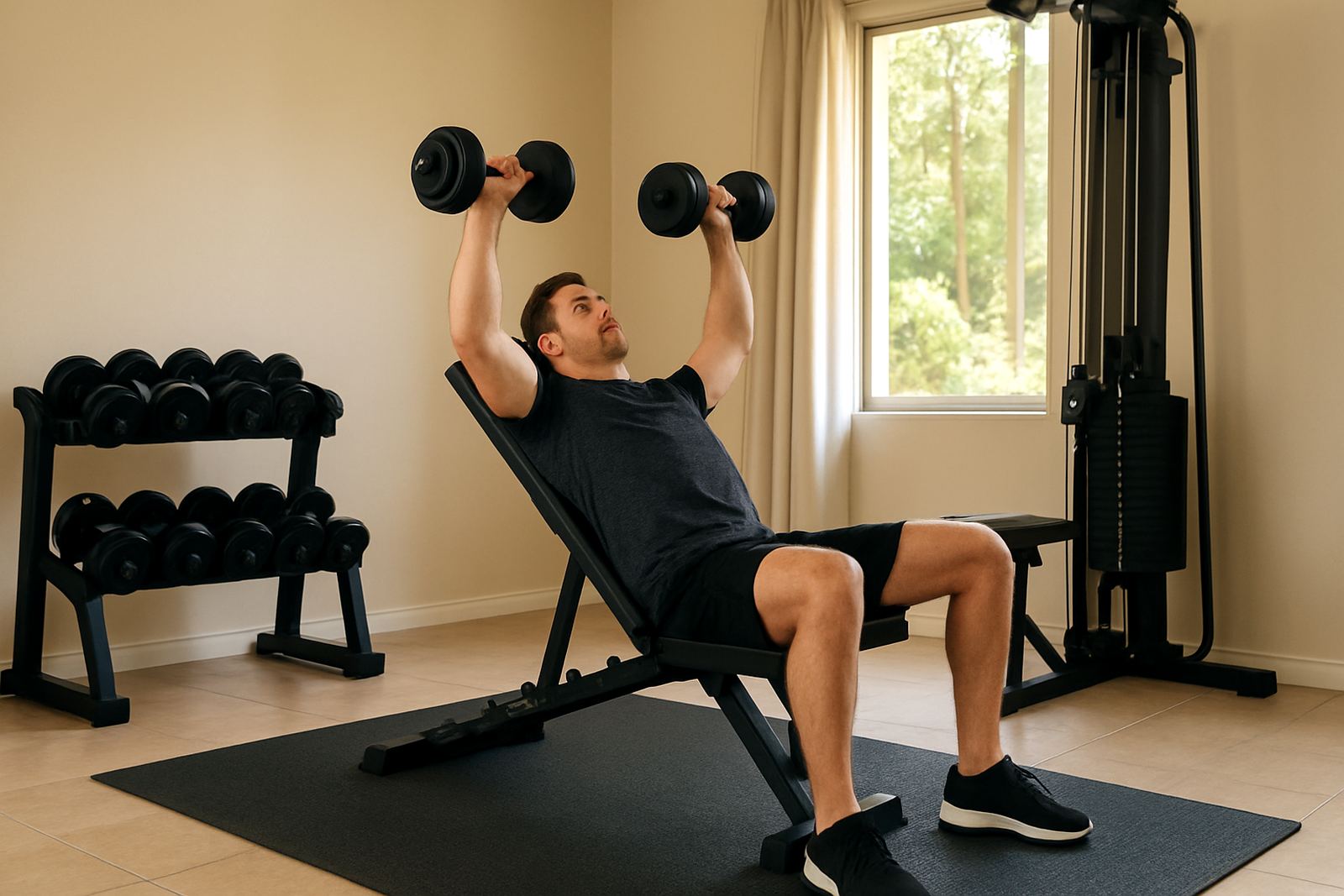
- Adjustable bench for pressing and split work
- Rubber flooring or mats for sound and impact control
Typical equipment for compound lifts and steady progression
For most homes, the best strength kit covers the main movement patterns first. That means a rack, bar, plates and a bench before extras. A lot of buyers want to add cable stations, kettlebells and speciality bars straight away, but those are usually second phase items once the base is sorted.
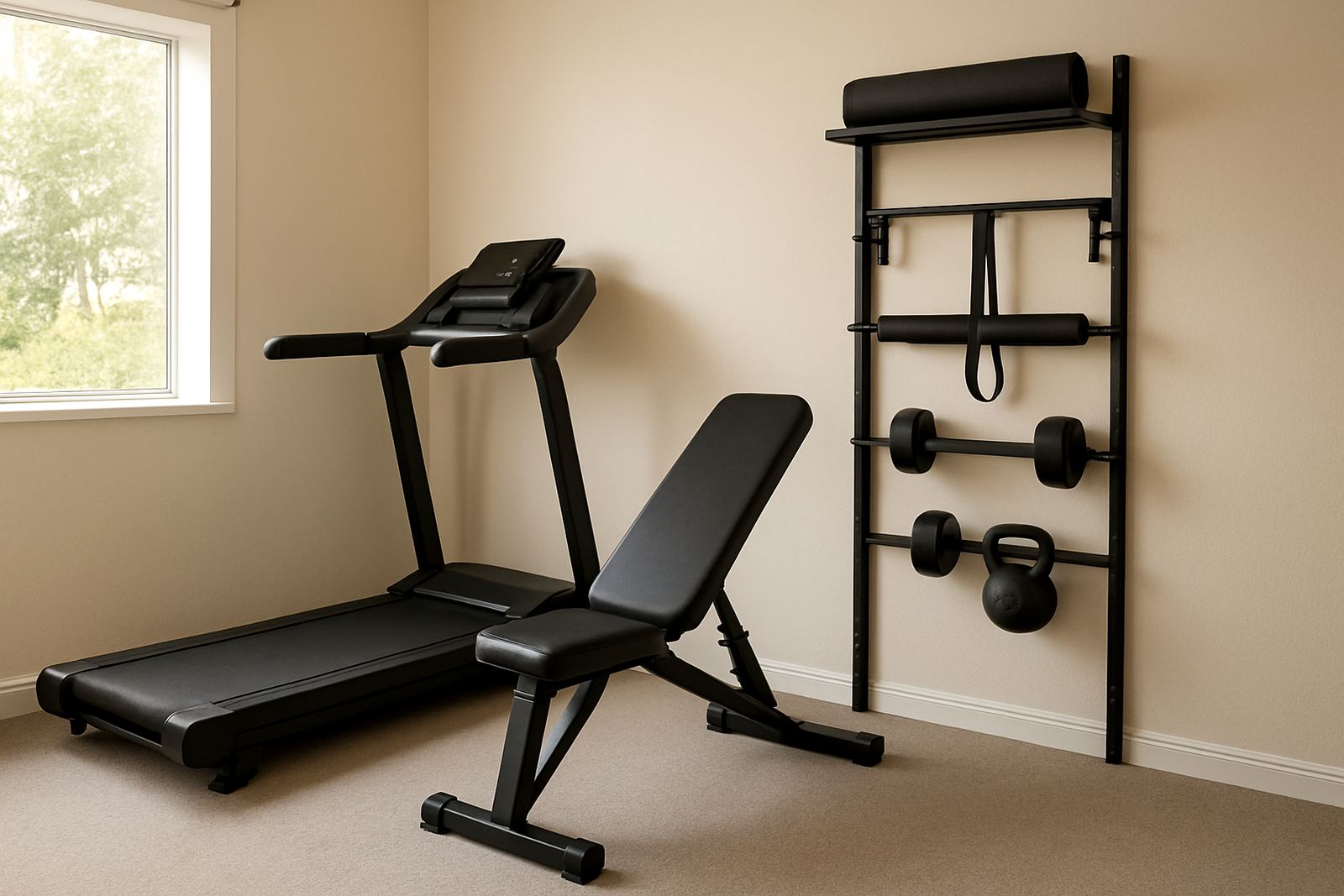
In Johannesburg homes, especially townhouses and sectional title units, compact storage matters as much as the lift itself. Plate trees, wall hooks and tidy plate storage keep the area usable for family life and make training quicker between sets. You also want enough clearance to unload a bar without catching walls, light fittings or sliding doors.
- Entry home strength kit: from about R3 500 to R8 000
- Mid-range setup with better rack and bench: about R8 000 to R18 000
- Serious home gym with heavier bar, more plates and flooring: from R18 000 upward
We also help with equipment onboarding, so the first setup session is simpler when a client is unsure where each item belongs or how to start with safe loading.
Planning a layout that fits your room, garage or patio
The layout should support movement, not trap you in a tight corner. For a single garage in Roodepoort or Randburg, one wall can carry the rack while the opposite side stays open for walking, warm ups and plate changes. In a spare room, a shorter rack and foldaway bench may be the smarter choice.
Floor strength matters too, especially on upstairs rooms or older slabs. Rubber tiles help with noise and protect finishes, and they also reduce the risk of plates chipping concrete. Coastal humidity is less of a concern in Gauteng than in Durban, but steel still benefits from a wipedown after sessions and a dry storage area.
- Leave at least 1 m behind the lifter for safe bar path and spotter access
- Keep 60 to 90 cm on either side for plate loading
- Use mats under deadlift and dumbbell zones to reduce noise
- Store smaller accessories in one clear area so sessions start quickly
Common mistakes when setting up a strength corner
The most common mistake is buying too little weight too early and then paying again later. Another is choosing a bench or rack that wobbles under heavier loads. For compound lifts, the hardware must feel steady from the first rep to the last, otherwise confidence drops and form changes.
People also underestimate how much room a bar needs once plates are loaded. A compact room can still work, but only if the layout is planned around the lift pattern. One missing detail like ceiling height or doorway width can affect what gets delivered and where it can be assembled.
- Choosing decorative gear over proper load-bearing equipment
- Skipping flooring and damaging tiles or concrete
- Mixing too many training styles in one small area
- Ignoring storage, then leaving plates and collars in the way
Strength programmes that suit busy households
Strength training at home works best when the plan is realistic. A three day programme often suits people balancing work, school runs and traffic between Fourways, Sandton and Pretoria East. Short, focused sessions with compound lifts usually deliver better consistency than long workouts that get skipped.
We support starter, strength and mobility coaching, plus virtual check ins for clients who want accountability without commuting. If a family is sharing the space, training blocks can be timed around schoolwork or remote meetings, and the kit can be used for both strength work and general conditioning without clutter.
For beginners, the main goal is good technique and repeatable loads. For experienced lifters, the goal is adding weight in small steps and tracking numbers properly so progress is obvious week to week.
How we help fit the gear to your budget and goals
Not every home gym needs a full commercial style build. Many clients start with a basic rack, bar, plates and bench, then add flooring and storage once they know how much they train. Others want a stronger setup from day one because they lift several times a week and need the kit to last.
From our base in Fourways, Johannesburg, we work with homes across Randburg, Midrand, Roodepoort and Pretoria East, with nationwide delivery available. If you need help choosing between options, we can plan around your space, your lifts and your budget so the spend goes where it matters most.
Good strength gear should feel simple to use, safe under load and easy to keep tidy. If that part is right, the training usually follows. And if your garage doubles as storage, the layout must still let you train without shifting boxes every week.