
Start with a plan you can keep for 8 weeks
If you are new to training, the first goal is not a perfect body transformation. The first goal is consistency. At FitSmart, we often see better results from people who train 3 to 5 times a week with a clear structure than from people who try to do too much in week one and then stop by week two.
A good beginner weight loss plan should fit around work, school runs and load shedding. If your evenings are busy, use mornings. If mornings are rushed, set up a short session after supper. Keep the plan short enough to repeat and strong enough to make progress. In Johannesburg, where traffic from Fourways to Sandton or Randburg can eat into the day, a home routine saves time and removes the excuse of getting stuck on the road.
- Choose 3 full body sessions a week
- Keep each session between 25 and 40 minutes
- Set one clear goal, such as losing 2 to 4 kg in 8 weeks
- Weigh yourself once a week at the same time
Use your tracker to spot real progress
A smart fitness tracker is useful because fat loss is not only about scale weight. Sleep, heart rate, step count and workout time all matter. If your weight stays the same for a week but your steps go up and your waist feels looser, you are still moving in the right direction. That matters, especially for beginners who can get discouraged too quickly.
Set your tracker to record daily movement and use it as a reminder to stand up and move every hour. Many South African homes have long work-from-home stretches, school admin, and screen time. A simple target like 7 000 to 10 000 steps a day can make a big difference over a month. If you live in a flat or security estate in Midrand or Pretoria East, even short walking loops around the complex can help.
- Track steps, active minutes and sleep
- Look at weekly averages, not one bad day
- Use reminders for movement breaks every 45 to 60 minutes
- Check your resting heart rate over time
Build sessions around full body movement
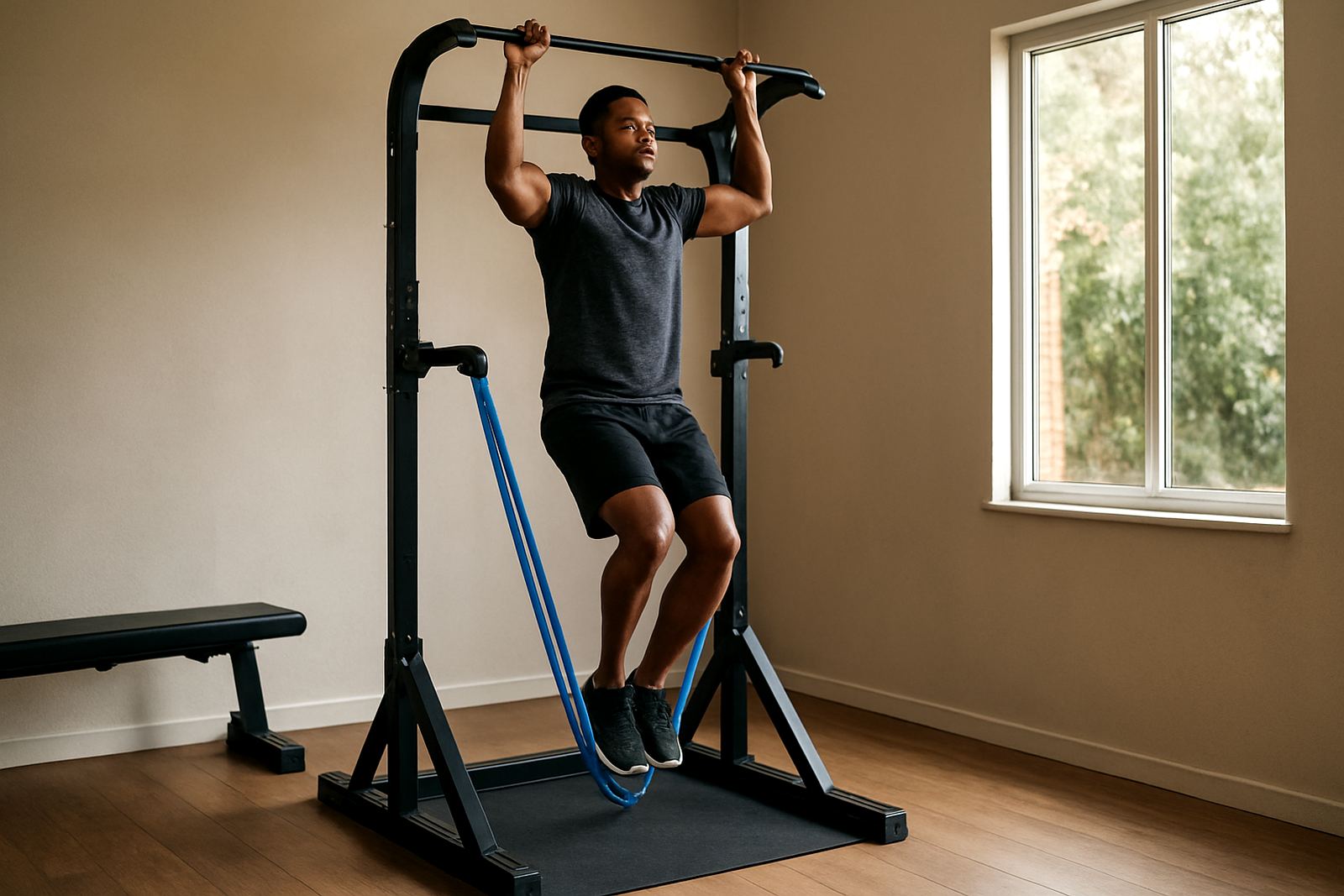
For beginners, full body training gives the best return because it uses more muscles and helps build a habit quickly. You do not need complicated routines. A pair of adjustable dumbbells, a mat and a sturdy bench or step is enough for a strong start. If you are training in a small room, keep the setup simple so that pack away time is quick and the space stays usable for the rest of the family.
A useful session can include squats, push ups, rows, glute bridges and a short cardio burst. If impact is a problem, use marching, step ups or cycling. When the weather is poor or you are avoiding humid coastal days on the odd visit to family in Durban, indoor training keeps the routine going. The aim is to work hard enough to raise your breathing, but still keep good form.
- 3 sets of 8 to 12 squats
- 3 sets of 8 to 12 push ups or incline push ups
- 3 sets of 10 to 12 rows per side
- 2 to 3 minutes of brisk cardio between sets
Food habits matter more than extreme diets
Fat loss comes from a steady calorie deficit, but beginners usually do better with small food changes than with strict rules. Start by trimming the biggest calorie leaks. That might be sugary drinks, extra takeaways during the week, second helpings at supper, or late night snacks while watching TV. You do not need to cut out every food you enjoy, you need a pattern you can keep.
Build plates that are filling and practical. Protein helps with fullness, while vegetables add volume without pushing calories too high. In many South African homes, that can mean eggs, tinned fish, chicken, plain yoghurt, beans, samp, pap in sensible portions, or leftover roast veg from the previous night. Keep water nearby, especially in the summer heat in Gauteng when people mistake thirst for hunger.
- Start meals with protein and vegetables
- Keep sweet drinks for occasional use
- Pack a planned snack if you get hungry between meals
- Eat slowly and stop when you are comfortably full
Make the plan fit load shedding and real life
One of the reasons home training works is that it can adapt. If load shedding cuts power in Fourways at your usual workout time, switch to a bodyweight session, a walk, or mobility work. If you have a family plan, let the kids join for a few minutes so the whole house gets moving. This is often easier than waiting for the perfect time, because the perfect time rarely shows up.
Planning also helps you stay safe and avoid injury. Keep water ready, check the floor space before you start and use equipment that suits your current level. If you are not sure how to set up a tracker, how to use a treadmill correctly, or how to choose the right weights, ask for equipment onboarding or tracker setup help before you begin. A clear start is better than guessing and nursing a sore back for a week.
- Have a backup workout for power cuts
- Keep equipment in one easy to reach spot
- Warm up for 5 minutes before each session
- Stop if pain feels sharp or unusual
Check your progress every two weeks
Beginner weight loss is easier to manage when you review the plan regularly. Every two weeks, look at your weight trend, waist measurement, energy levels and how your clothes fit. If you are training but not losing anything after 2 to 3 weeks, the issue is usually food intake, step count, or both. That does not mean you have failed, it means you need a small adjustment.
For example, a working parent in Randburg may only manage 20 minute sessions after the school run. If they keep those sessions going and add a daily walk around the complex, they may still lose fat steadily. In our experience, people do best when the plan is simple, measurable and realistic for South African family life, not based on perfect routines that fall apart after one busy week.
- Measure waist, weight and energy every 2 weeks
- Increase steps before making training more intense
- Reduce portion sizes if progress stalls
- Keep one rest day each week