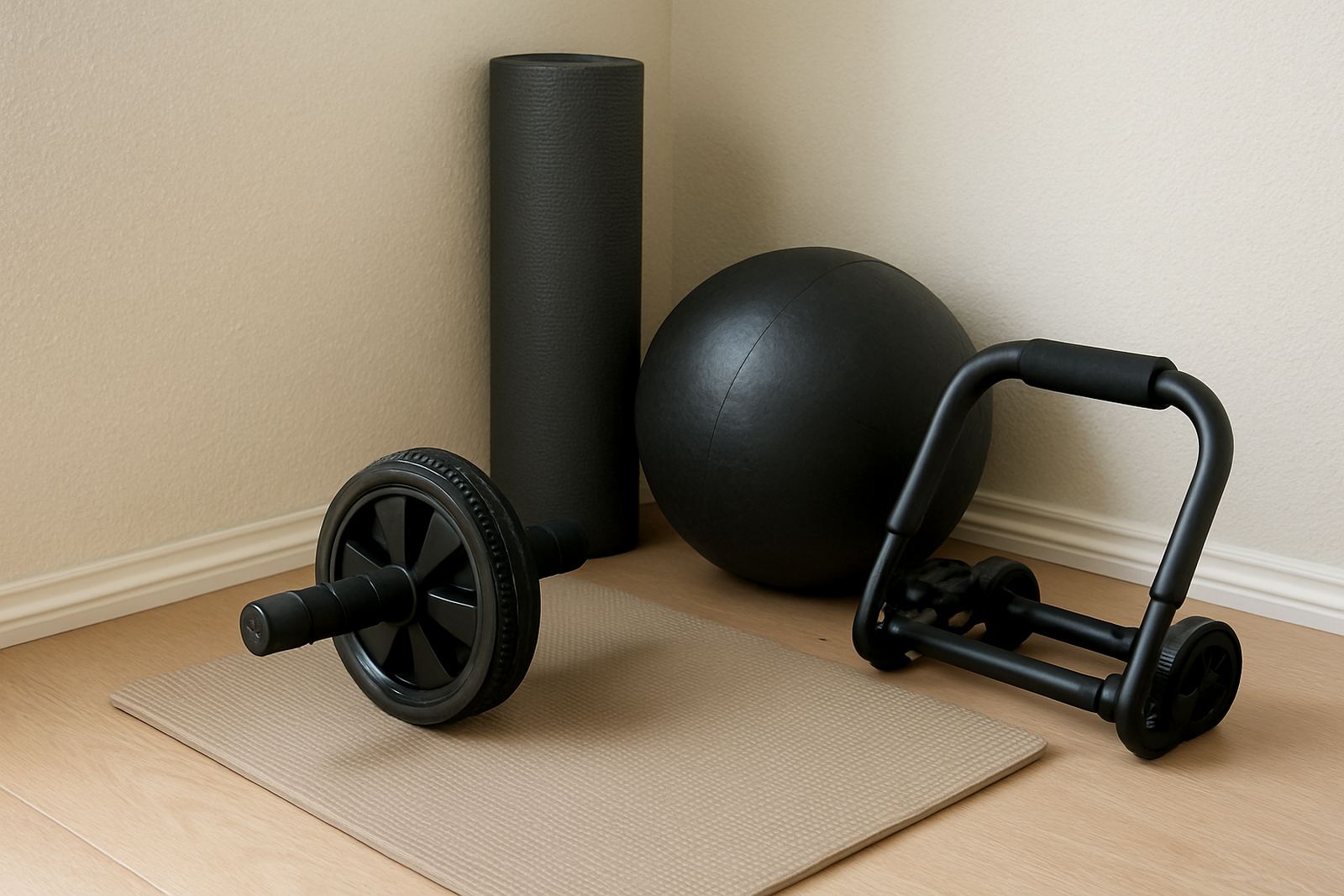

Start with the room, not the routine
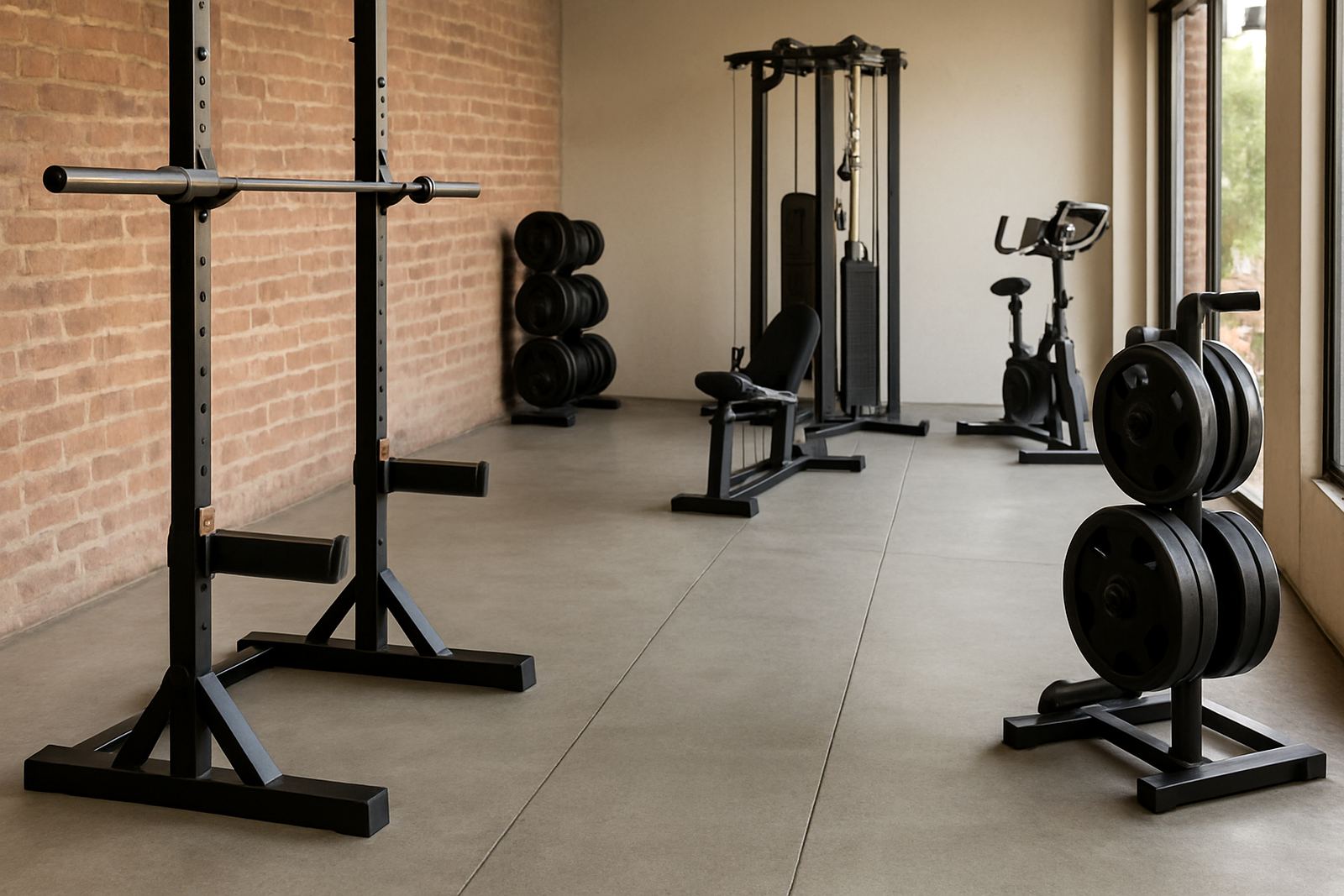
Before you lift a single weight, look at the room itself. The floor must be level, dry and free of loose mats that bunch up underfoot. In many Johannesburg and Pretoria homes, the spare room or garage ends up doing double duty, so it is worth clearing boxes, brooms and anything that can catch a foot during a set.
Leave enough space to step back, lie down, and move your arms without hitting a wall, shelf or ceiling fan. A narrow passage between a rack and the wall may feel fine when you are standing still, but it becomes risky once you are tired. If the room has tiles, add a non-slip training mat or rubber flooring so the surface does not shift when you deadlift or do bodyweight work.
- Check for wet patches, dust and loose cables before each session.
- Keep glass, sharp tools and children’s toys out of the training area.
- Make sure the lighting is bright enough for you to see collars, pins and foot placement.
Inspect equipment before every session
Home equipment lasts longer when it is checked often. Look over benches, racks, dumbbells, pull-up frames and cardio machines for cracks, wobble, rust or loose bolts. In coastal areas like Durban or Gqeberha, humidity can cause corrosion quicker than many people expect, so a quick wipe-down after use helps a lot. In Gauteng garages, dust and heat can also affect moving parts and grips.
Do not train on equipment if a pin is bent, a cable is frayed, or a moving arm does not lock properly. If a machine makes a new noise or feels uneven, stop and sort it out before the next session. It is cheaper to replace a worn part than to deal with a shoulder, back or ankle injury.
- Tighten visible bolts and fasteners weekly.
- Check weight plates, handles and bar sleeves for chips or cracks.
- Replace worn grips or straps before they slip during a set.
Use the right setup for the right exercise
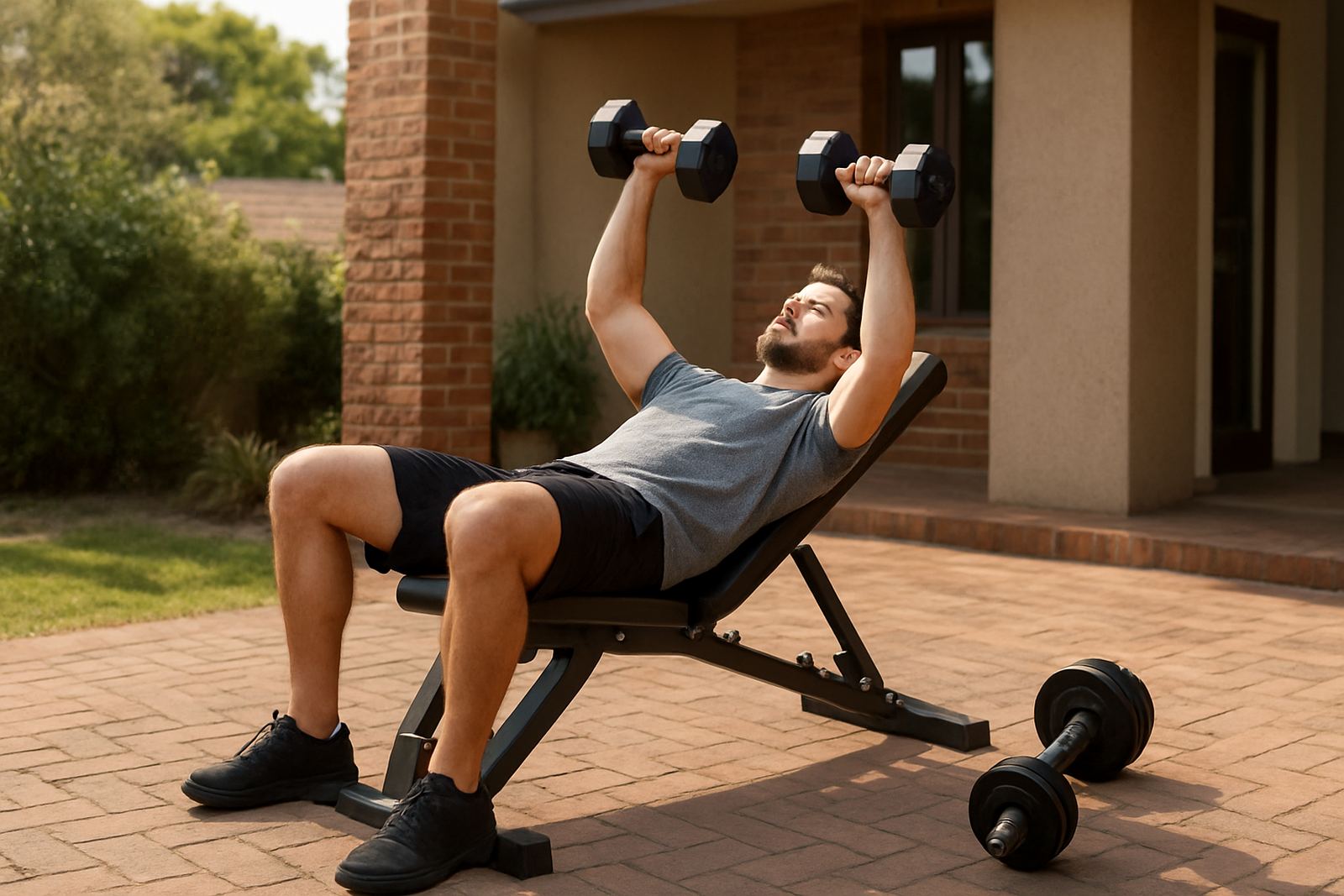
Safety is not only about having equipment, it is about matching the setup to the movement. A bench that works for presses may not be suitable for step-ups or split squats if it slides. A rack must be set at the correct height so you can unrack and rerack the bar without shrugging or reaching too far. When training alone, use smaller jumps in weight and leave a little more margin than you would in a busy gym.
For cardio equipment, test the emergency stop, belt alignment and display before starting. If you use a tracker, confirm that it is charged and paired properly so you are not guessing your heart-rate zones or resting times mid-session. A short warm-up matters too. It gets the joints ready and helps you spot stiffness before it turns into a strain.
Plan for load-shedding and power cuts
Load-shedding changes the way many South African homes train. If you rely on treadmills, rowers, or any motorised equipment, do not wait until the lights go out to think about safety. Finish a set with enough time to step off properly, and keep a torch or headlamp within reach. A small backup light helps when the garage goes dark suddenly at 7 pm and you still need to put plates away.
Chargers, extension cords and adapters should be kept away from sweat and wet floors. If you train early mornings, make sure there is enough natural light or a backup light source before you start. Never leave a machine running unattended during a power cut. When the power returns, check that the equipment resets cleanly before using it again.
- Charge trackers and training devices before evening sessions.
- Keep cables routed along walls, not across walkways.
- Store small batteries and chargers away from children.
Train alone with a backup plan
Solo training needs a simple safety plan. Let someone know roughly when you are exercising, especially if you train in a garage, outside room or upstairs space. Keep your phone nearby, not buried under towels or inside another room. If you feel dizzy, unusually short of breath, or notice joint pain that is sharp rather than tiredness, stop the session. Pushing through the wrong kind of pain is how small mistakes become longer breaks from training.
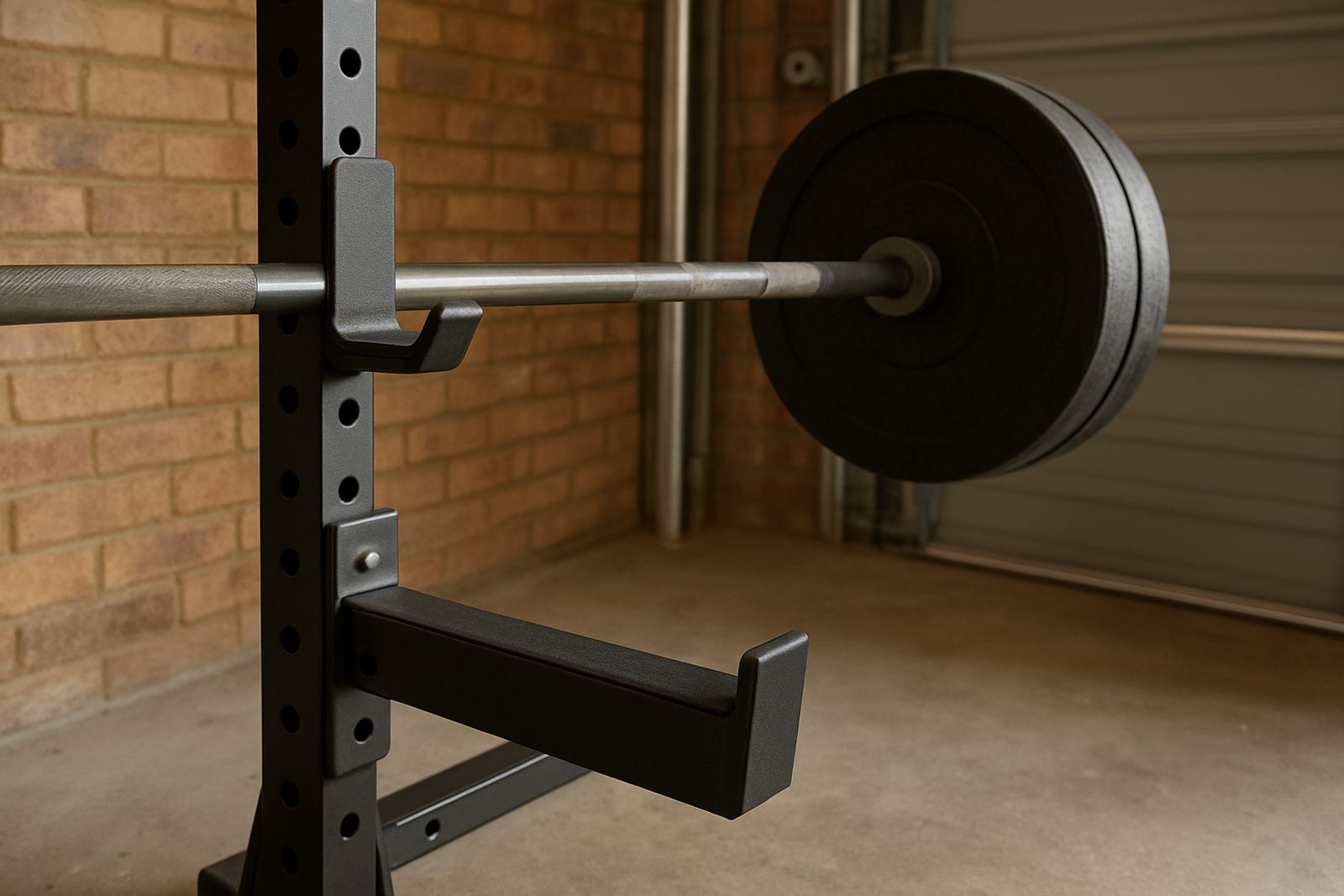
For heavy lifts, use safeties, spotter arms or a setup that lets you bail out without getting trapped. This is particularly important if you train before work and are alone in the house. A good rule is to stop the set before your form starts to break badly. Fitness improves with consistency, not with one extra rep that costs you a week.
- Keep a water bottle, phone and towel within arm’s reach.
- Use pins or safeties when benching or squatting alone.
- Tell a family member or neighbour if you are doing a heavier session.
Make safety part of the weekly routine
Home gym safety works best when it becomes a habit. Set one day each week for cleaning, bolt checks, mat inspection and battery charging. That small routine is easy to keep up in Fourways, Sandton, Midrand or Roodepoort, and it saves time later. If your space is shared with a family room or storeroom, put the equipment back in the same place every time so nobody trips over a dumbbell or skips the warm-up because the area feels cramped.
Families in Pretoria East or Randburg often train at different times, which means the setup needs to be simple enough for everyone to use correctly. Label weight ranges, store smaller items together, and keep the floor open. Safe training is not about making the room perfect, it is about removing the common risks before they catch you out.