
Why a bench earns its place in a home gym
A flat or adjustable weight bench is one of the few pieces of equipment that can support strength, conditioning and mobility work without taking up much floor space. In a Johannesburg home, where room is often limited and load shedding can interrupt long sessions, a bench helps you move quickly from one exercise to the next without needing a big setup. You can work dumbbells, bodyweight, resistance bands and even some barbell lifts around the same station.
For most households, the bench becomes useful for more than upper-body pressing. It can help with split squats, hip thrusts, incline push-ups and supported rows. If you are buying for family use, an adjustable model gives you more options for shorter users, taller lifters and anyone following a starter or weight loss programme. In humid areas or if you keep equipment near an open patio, choose a frame and pad that are easy to wipe down after use.
Chest and shoulder moves that make sense on a bench
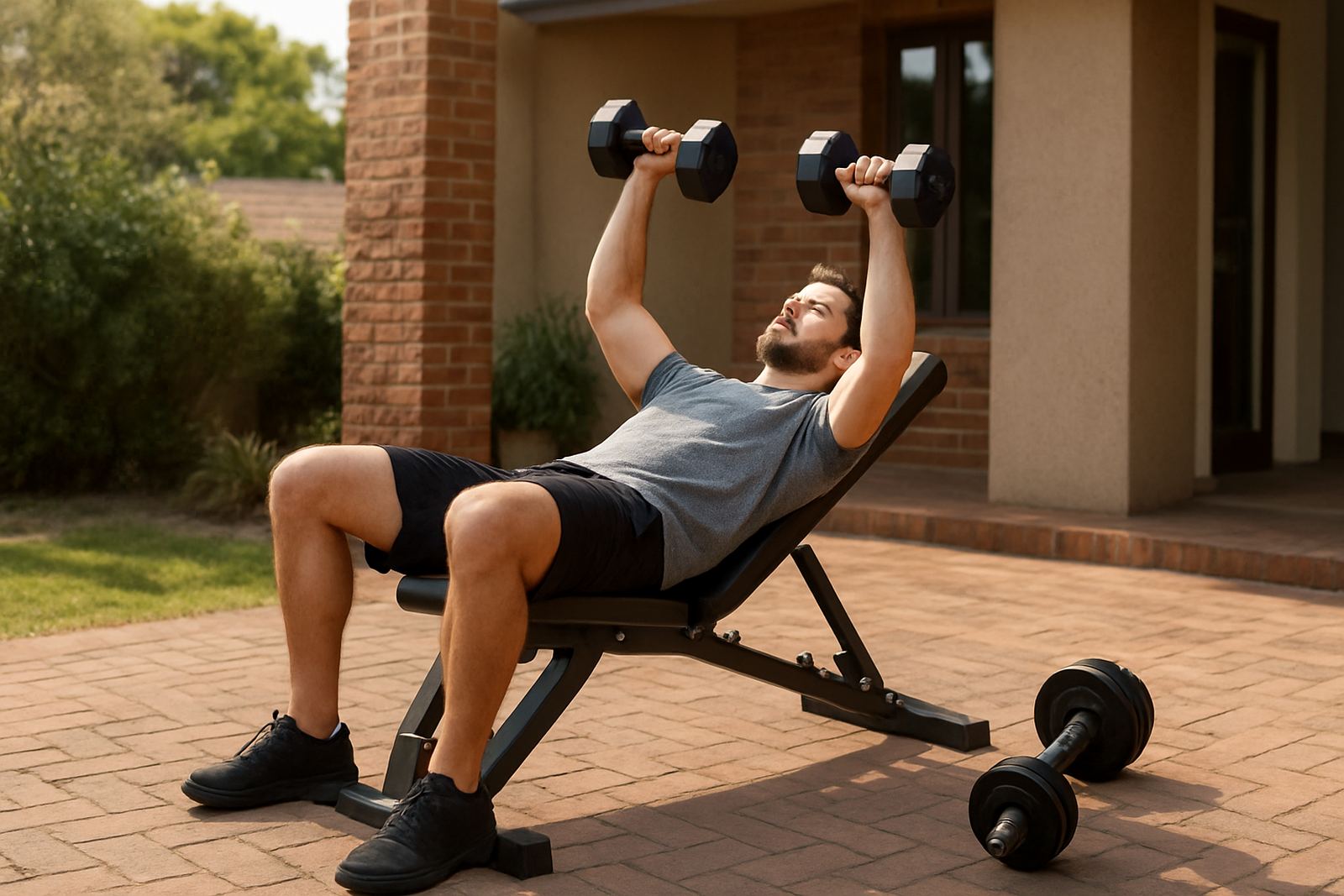
Bench pressing is the obvious one, but it works best when you use a proper range of motion and keep your shoulders set. A flat bench press with dumbbells lets each side move freely, which is helpful if one arm is stronger than the other. An incline bench press shifts more work to the upper chest and front shoulders, while a seated shoulder press gives you support for controlled overhead work.
Keep the setup simple. For home training, start with weights you can lower under control for 8 to 12 repetitions. If you are in a Sandton apartment or a townhouse in Midrand, a pair of adjustable dumbbells and a bench can cover most pressing work without making the room feel crowded.
- Flat dumbbell press for general chest strength
- Incline dumbbell press for upper chest and shoulder support
- Seated shoulder press for controlled overhead training
- Close-grip press for triceps and lockout strength
Back exercises that use the bench for support
Many home lifters forget that a bench is just as useful for back training as it is for pressing. One-arm rows are easier to keep strict when you brace a hand and knee on the pad. Chest-supported rows on an incline bench reduce cheating, which helps if you want to train the upper back without loading the lower back too much. This is useful for people who sit at a computer all day or spend long hours driving between Fourways, Randburg and Roodepoort.
If you want better posture and stronger pulling muscles, mix in a supported row variation at least twice a week. You do not need heavy weight to make progress. Slow pulls, a short pause at the top and a full stretch at the bottom will do a lot of the work for you.
- One-arm supported dumbbell row
- Chest-supported row on an incline bench
- Rear delt fly with chest support
- Prone Y raise for shoulder control and upper-back work
Lower-body training when the gym floor is just a bench
A bench can also push leg day beyond basic squats. Bulgarian split squats are one of the best bench exercises for home use because they challenge balance, strength and hip stability at the same time. Step-ups are another strong choice, especially for older adults or anyone returning to training after time off. If your programme includes weight loss coaching or a starter plan, these movements lift the heart rate quickly without needing much equipment.
For glutes, hip thrusts and bench glute bridges are simple and effective. Set the shoulder blades on the pad, plant the feet firmly and drive through the heels. In a small room, these moves are easier to manage than a full barbell setup, and they can be scaled by changing the load or the tempo.
- Bulgarian split squat for single-leg strength
- Step-up for balance and leg drive
- Hip thrust for glute power
- Bench glute bridge for beginners or warm-ups
Core work that is harder than it looks
A bench is a strong tool for core training because it gives you a reference point for controlled movement. Incline sit-ups are more demanding than floor crunches, especially when you slow the tempo and avoid pulling on the neck. Bench leg raises add a lower-abdominal challenge, while plank shoulder taps with the hands on the bench make the body fight rotation.
For people doing family fitness plans, these exercises are easy to teach and quick to supervise. They also work well when there is not enough space for long circuits. A few minutes of focused core work after strength training can improve stability for pressing, carrying shopping bags or lifting children.
How to choose the right bench for your space and programme
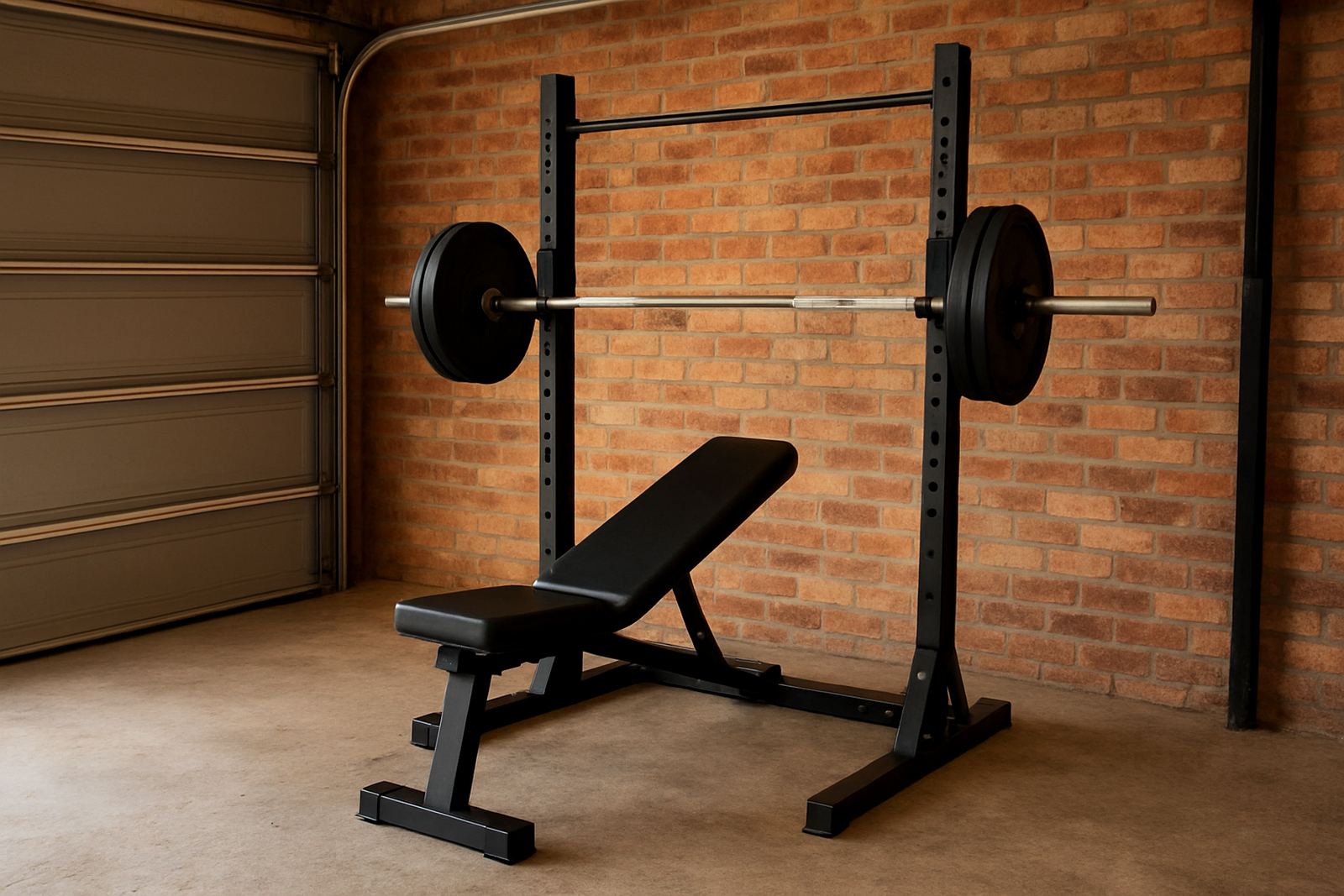
Not every home needs the same bench. A flat bench is usually sturdier and simpler, while an adjustable bench gives you more variety for chest, shoulder and back work. Check the pad length, the foot width and the maximum load rating before buying. If you live near the coast or keep equipment in a garage, look for a frame finish that can handle moisture better and make sure you wipe the upholstery after sessions.
For households in Pretoria East, Fourways or Midrand where space matters, measure the room first. Leave enough space on both sides for dumbbells and enough clearance behind the bench for incline settings. If the household trains at different times, make sure the bench can be moved without too much effort. A compact setup also helps when power cuts interrupt the evening routine and you need to pack away quickly.
- Flat bench: simple, stable and easy to store
- Adjustable bench: better for varied training
- Check pad firmness and frame stability
- Allow space for dumbbells, step-ups and incline angles
A practical Fourways example for a busy home routine
In Fourways, a couple training after work might keep one adjustable bench in the lounge or garage and build a 30 minute session around it. They can start with incline dumbbell press, move to chest-supported rows, then do Bulgarian split squats and finish with incline sit-ups. That is enough to cover push, pull, legs and core without moving from one side of the room to the other. If power is off and the lighting is poor, the same routine still works because it does not depend on a machine stack or a screen.
That kind of setup suits people who want steady progress at home, whether they are following a strength programme, mobility coaching or a family plan. The bench becomes the anchor point. From there, you can train consistently and keep the routine practical, even on busy weeks.