
Start with a clear strength goal
Before you buy a single item, decide what strength means for you. For one person it may be lifting heavier for rugby pre-season, for another it is carrying shopping, climbing stairs without getting puffed, or staying strong for everyday work. A goal keeps your training simple and stops you from collecting equipment that never gets used.
At home, the best plans usually focus on a few core movements: squat, hinge, push, pull and carry. Those patterns train the whole body and work well in a lounge, garage or spare room. If you live in a compact flat in Sandton or a family home in Pretoria East, the same rule applies, keep it practical and repeatable.
Choose equipment that suits your space and power supply
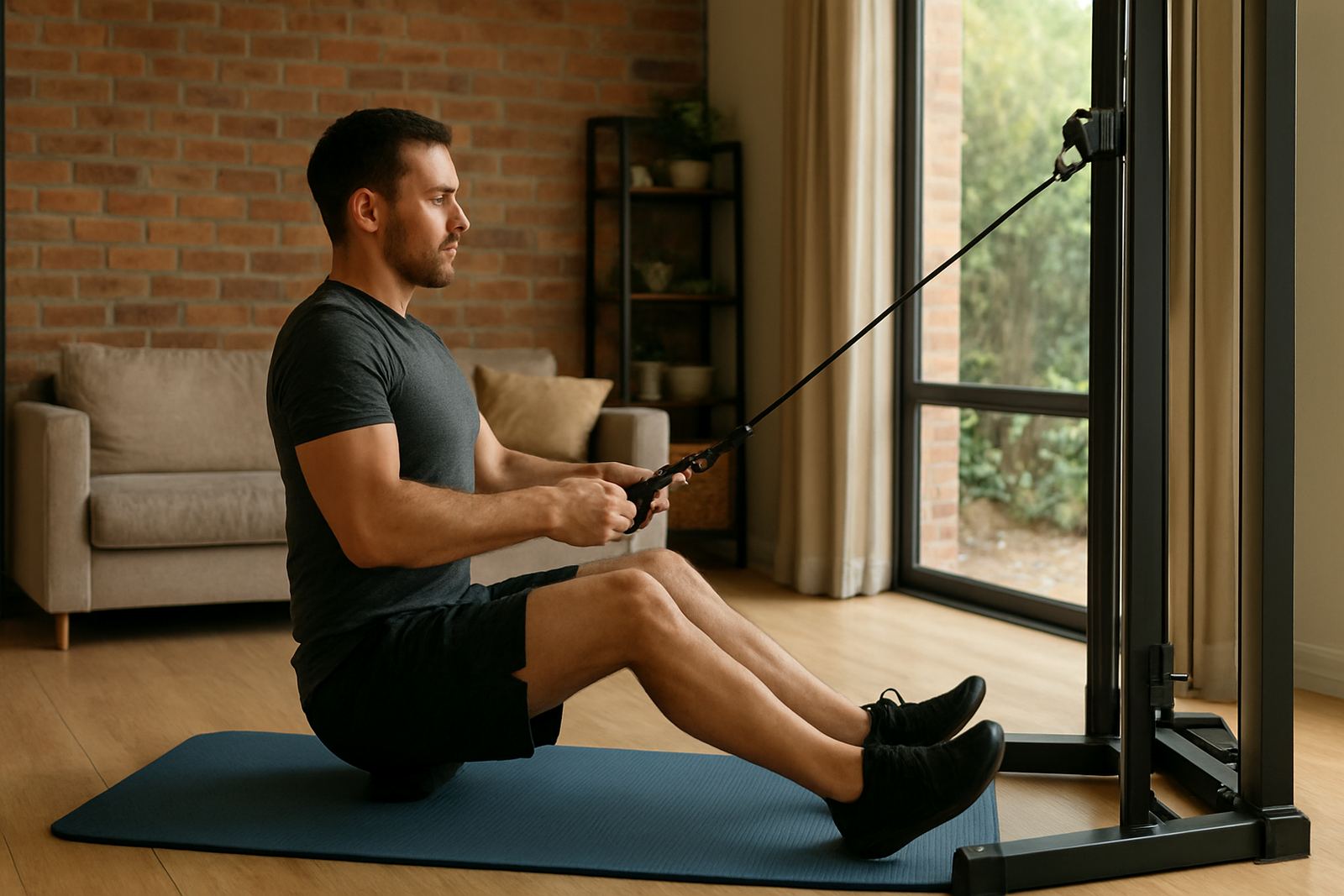
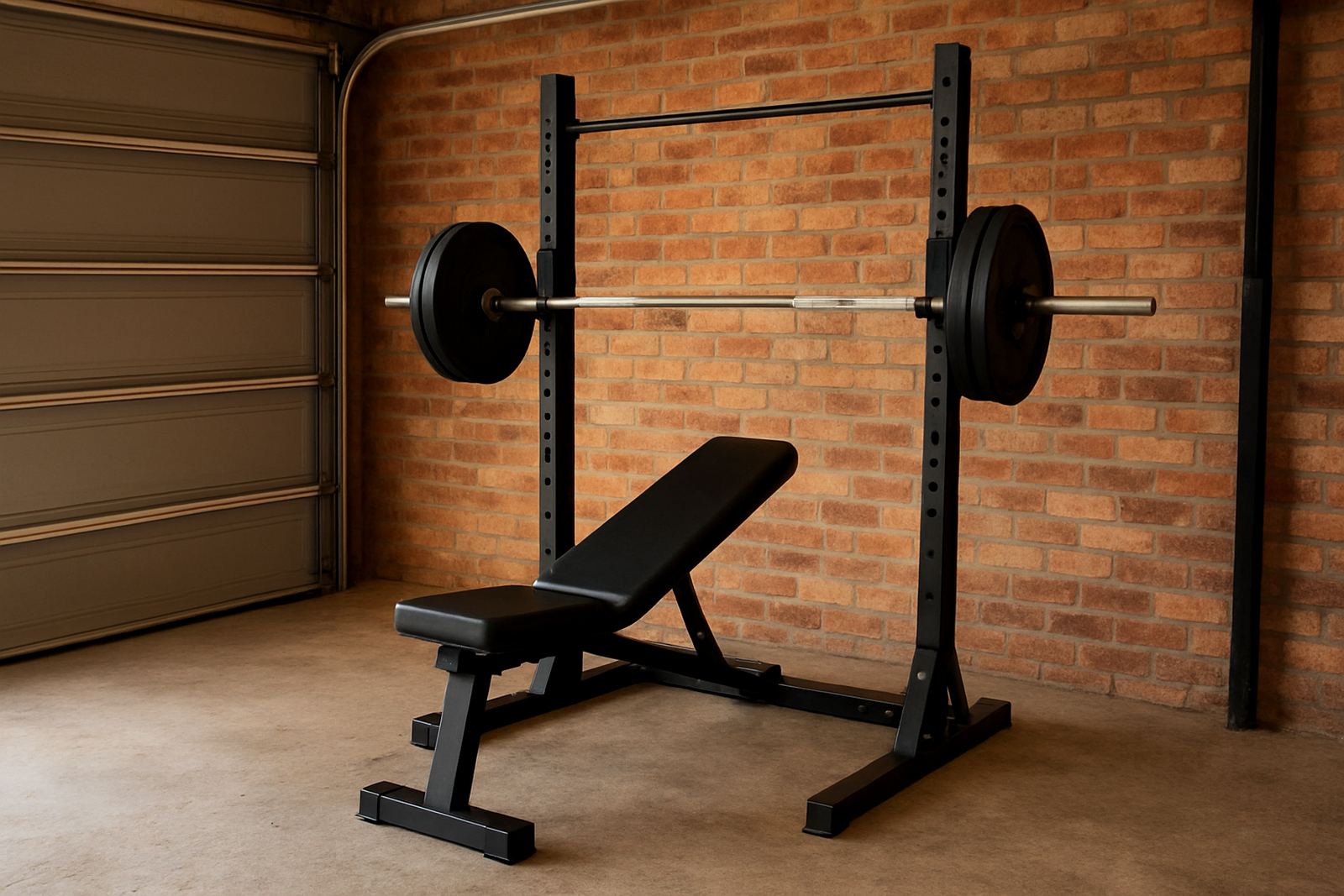
Home strength training does not need a room full of machines. A pair of adjustable weights, a sturdy bench, resistance bands and a pull-up bar can cover most beginner to intermediate programmes. If you prefer guided sessions, select tools that are easy to store and quick to set up so load-shedding or a busy workday does not break your routine.
- Adjustable weights are useful when space is limited.
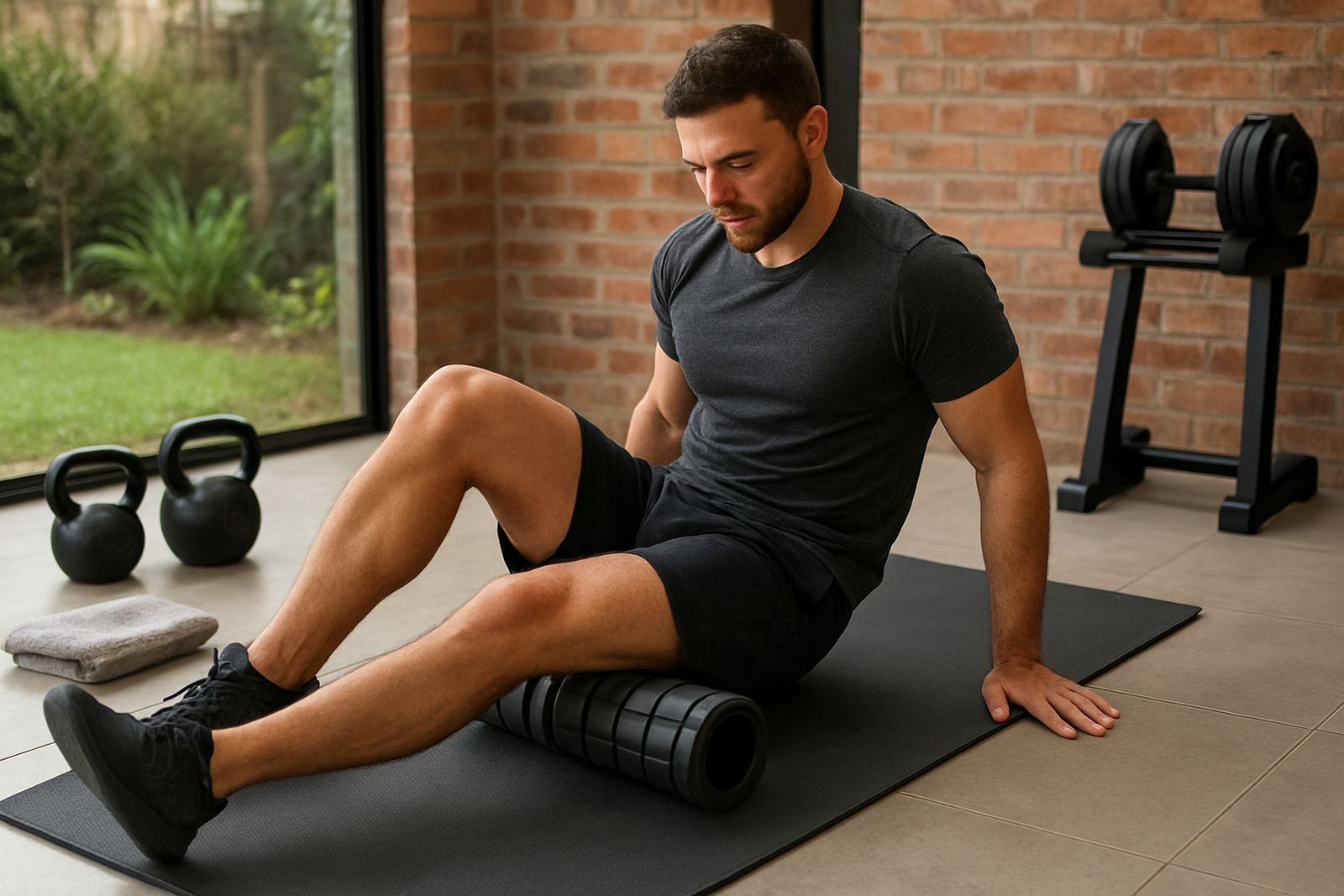
- Resistance bands help with warm-ups, mobility and assisted pulls.
- A non-slip mat protects floors and gives better footing on tiles or laminate.
- A timer or smart tracker helps with rest periods and progress tracking.
In coastal areas, humidity can affect metal and grips, so wipe equipment down after use. In Johannesburg winter, dry air and dust can settle on handles and pads, so a weekly clean helps keep everything in good nick.
Build strength with simple weekly structure
Strength improves when training is regular, not random. Two to four sessions a week is enough for most households, provided you recover well and increase load in small steps. A simple structure makes it easier to stay consistent around work, school runs and traffic between Fourways, Randburg and Midrand.
A practical weekly plan could be full-body sessions on Monday and Thursday, with light mobility or walking on the other days. Keep each workout focused. You do not need 12 exercises to make progress, and too much volume can leave you sore, tired and tempted to skip the next session.
- Warm up for 5 to 10 minutes with joint circles, marching and bodyweight squats.
- Do 3 to 4 main exercises for 3 sets each.
- Finish with one core movement and a short cool-down.
- Leave at least one rest day between hard sessions for the same muscle group.
Form first, then load
Good form protects joints and gives better results than rushing to lift heavier. Keep your chest proud, feet planted and core braced on the big lifts. If you cannot hold a steady position for the full set, the weight is too heavy. This is especially important for beginners returning after a long break or parents training while the kids are around and distractions are high.
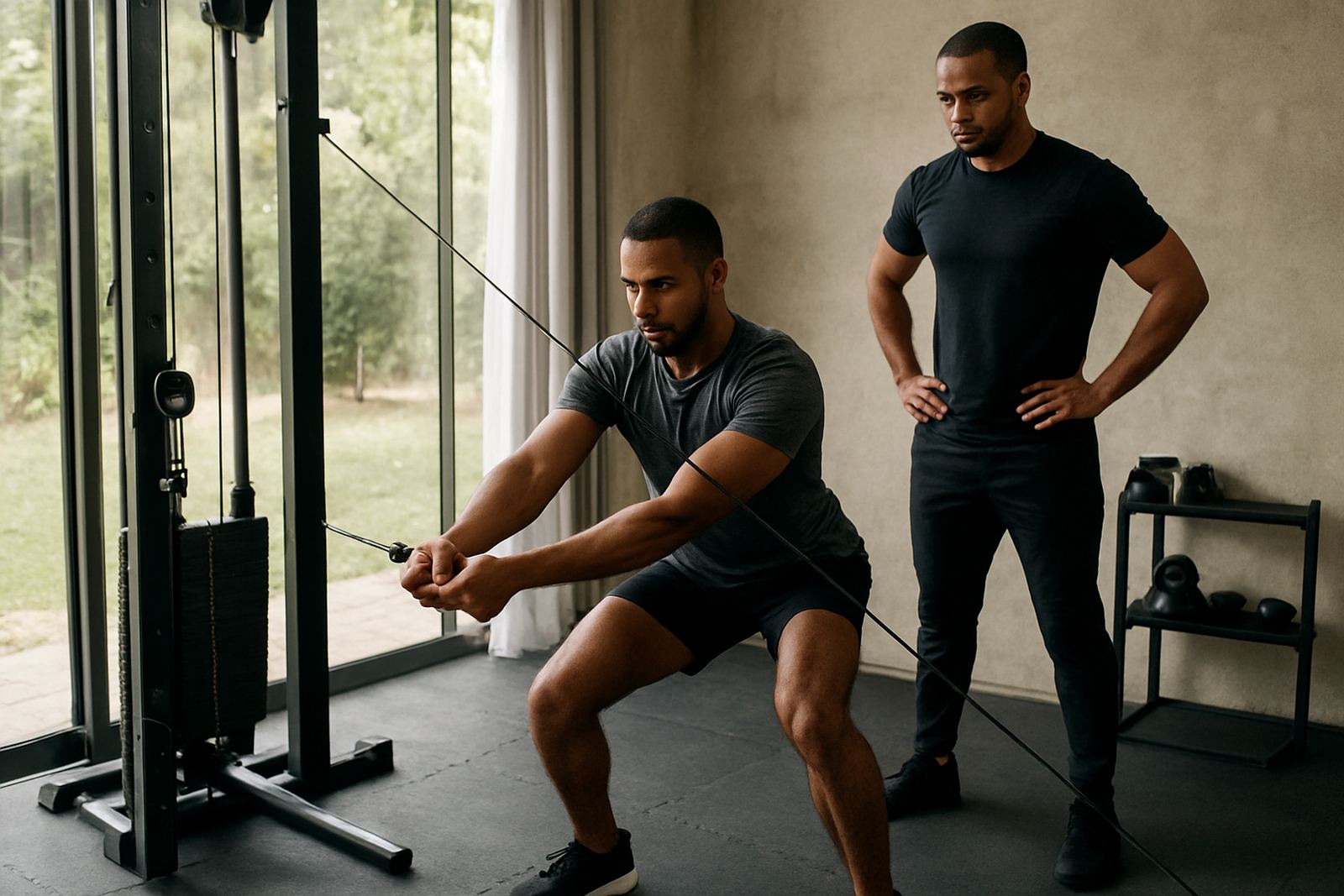
Use a mirror, video yourself from the side or ask for guidance during setup. Small corrections matter, like keeping knees tracking over toes in a squat, or hinging at the hips instead of rounding the back on a lift. When technique is solid, strength tends to improve faster and with fewer setbacks.
Track progress in ways that matter
Progress is more than body weight on a bathroom scale. Write down your sets, reps and load, then note how the session felt. A smart tracker can also help with heart rate, step counts and recovery trends, which is useful if you are combining strength work with weight loss or cardio. Numbers give you a clear picture of what is working and what needs adjusting.
Look for steady changes such as doing one more rep with the same weight, shortening rest times, or moving better during everyday tasks. If your sleep drops, stress rises or your joints ache, back off for a few days. Strong training supports life, it should not leave you flattened.
Make the plan work for South African homes
Local conditions shape home training more than many people expect. In hot Gauteng afternoons, a garage gym can become unbearable by midday, so train early or late if possible. In apartments, check body corporate rules about noise and floor protection. In freestanding homes, choose a corner with enough clearance for safe movement and a place to store gear neatly.
Families often train better when everyone has a role. One person warms up while another uses weights, then swap. That keeps the session moving and makes the routine easier to maintain. If you are in Fourways, Sandton, Midrand, Randburg, Roodepoort or Pretoria East, a simple home plan can save travel time and help you stay consistent during busy weeks. And if you miss a session, just pick up the next one, dont wait for Monday.
- Keep a water bottle and towel near your training area.
- Store smaller items in a crate or shelf so the room clears quickly after use.
- Check mats and equipment for wear every few months.
- Plan sessions around load-shedding, school times and work meetings.