Why functional training works in a South African home
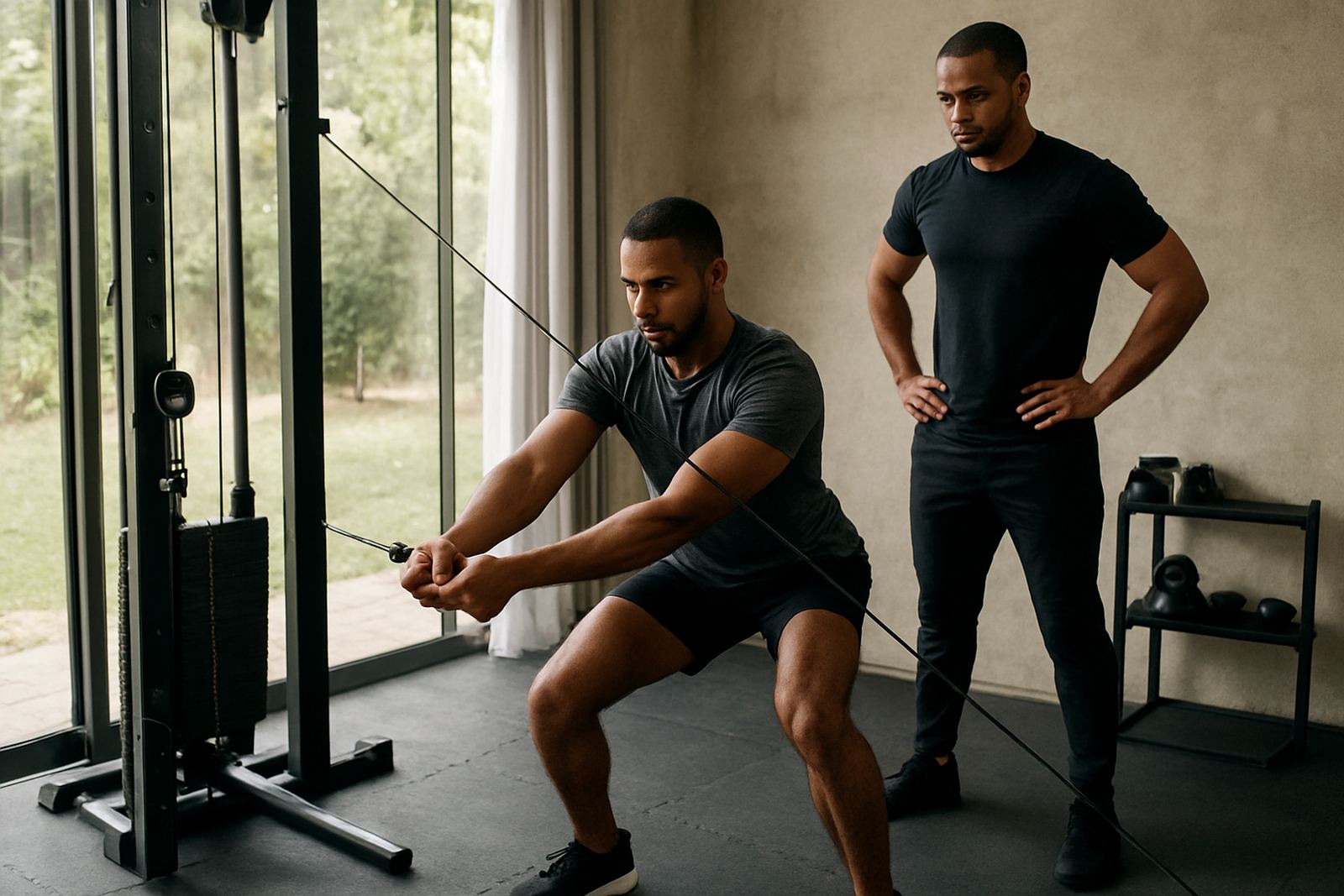
Functional training is built around movements you use every day, like squatting, pushing, pulling, carrying and rotating. That makes it a practical choice for a home gym because you can train several muscle groups in one session and still keep the setup fairly simple.
In Fourways and nearby areas, many homes have limited indoor space, shared family use, or a garage that doubles as storage. Functional equipment helps because a few useful items can cover strength, cardio and mobility work. You do not need a large room, just enough clear floor space and a plan that matches your goals.
It also suits South African routines. If you are training before load-shedding, after school runs, or between meetings, you want sessions that are short, effective and easy to repeat. Functional work gives you that flexibility.
The core movements worth building around
A good home programme should be based on movements rather than just individual muscles. That keeps training useful for sports, work and daily life. It also helps if more than one person is using the same space, since the same setup can support different fitness levels.
- Squats for legs, hips and general lower-body strength
- Push-ups and presses for chest, shoulders and arms
- Rows and pulls for the back and posture
- Deadlift-style hinges for glutes and hamstrings
- Carries for grip, core control and conditioning
- Rotation and anti-rotation work for trunk stability
These movements can be scaled up or down. A beginner may start with bodyweight and light resistance, while a more advanced user can add load, tempo or extra rounds. That is one reason functional training stays useful long after the first few weeks.
How to set up a small home gym that can do more
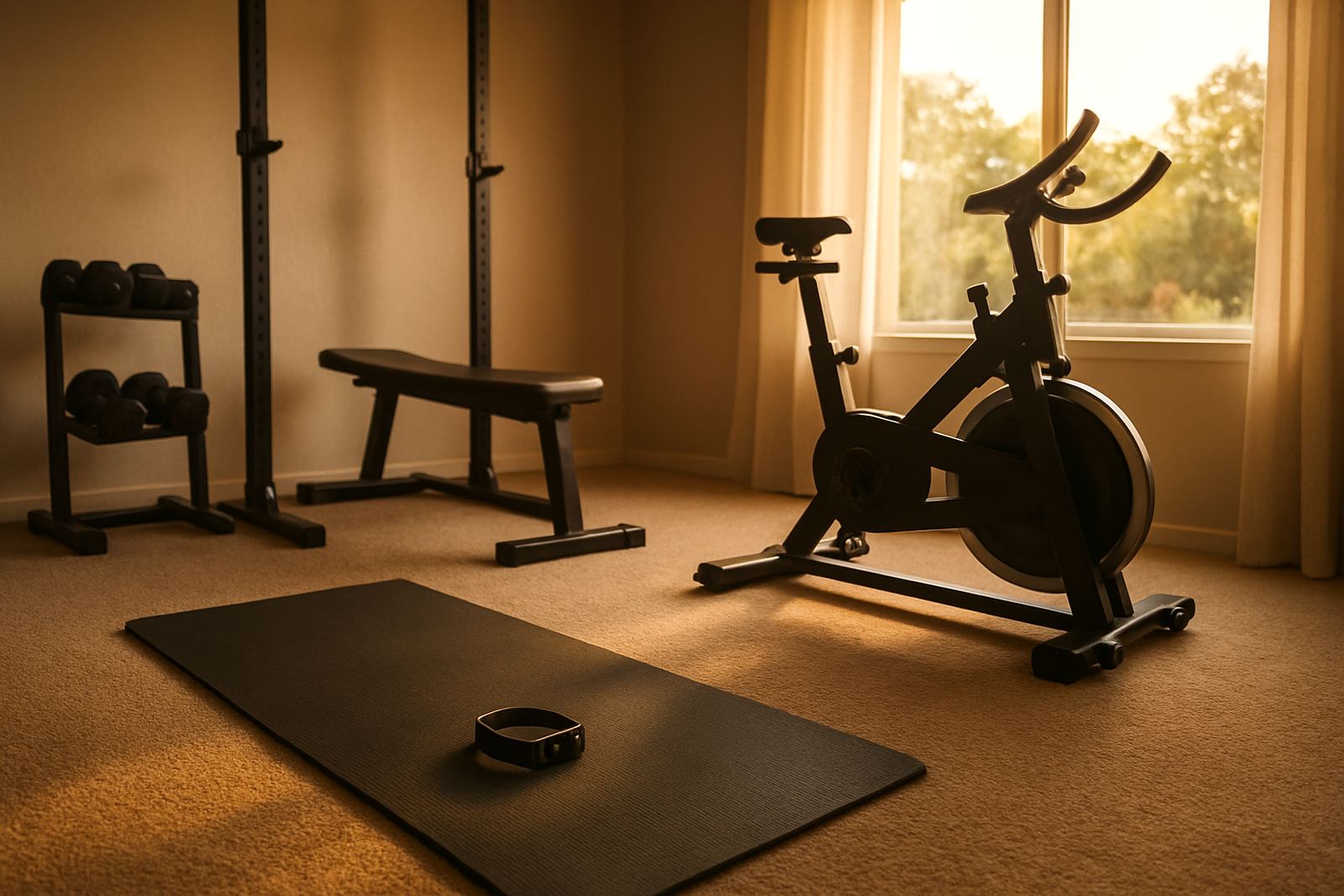
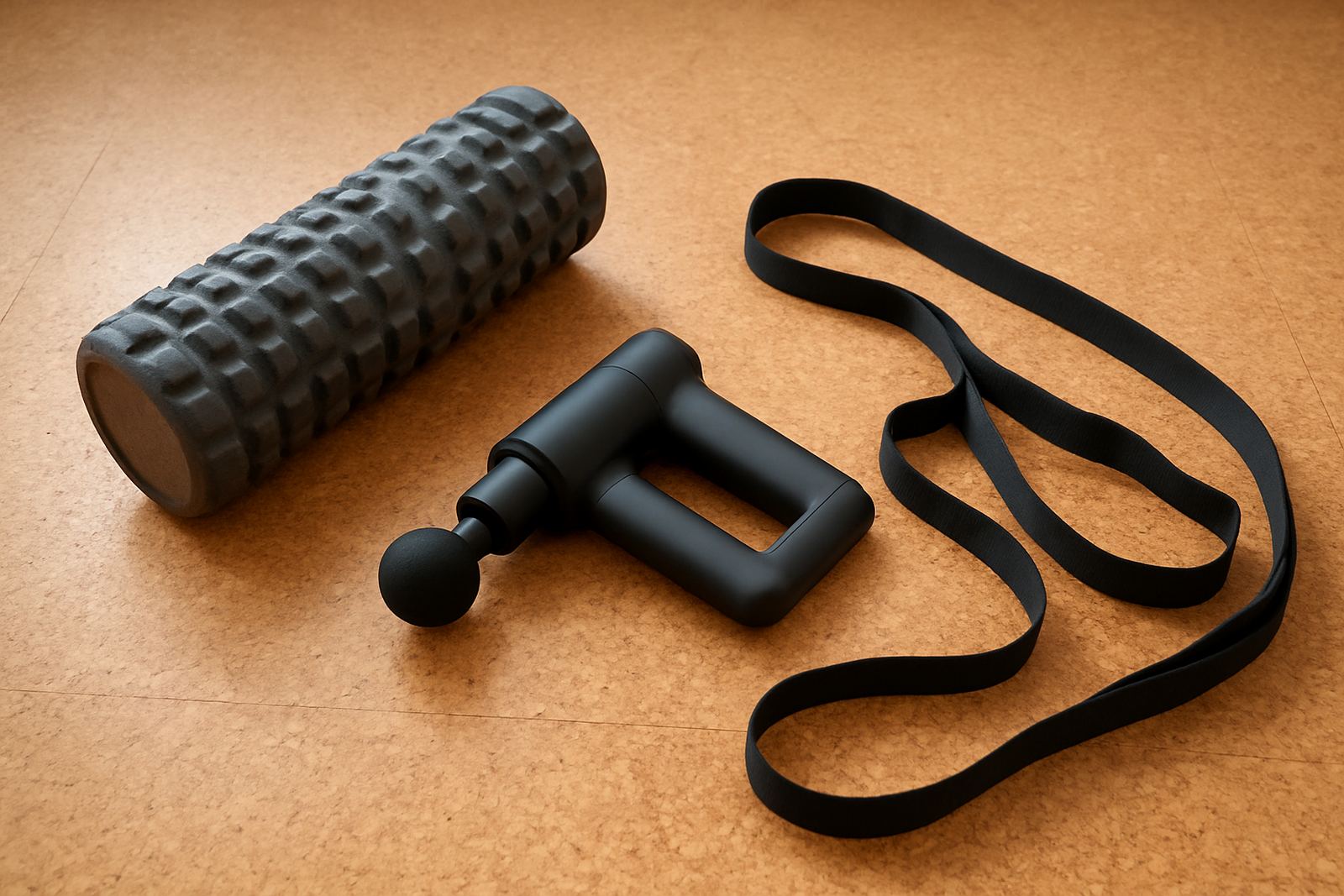
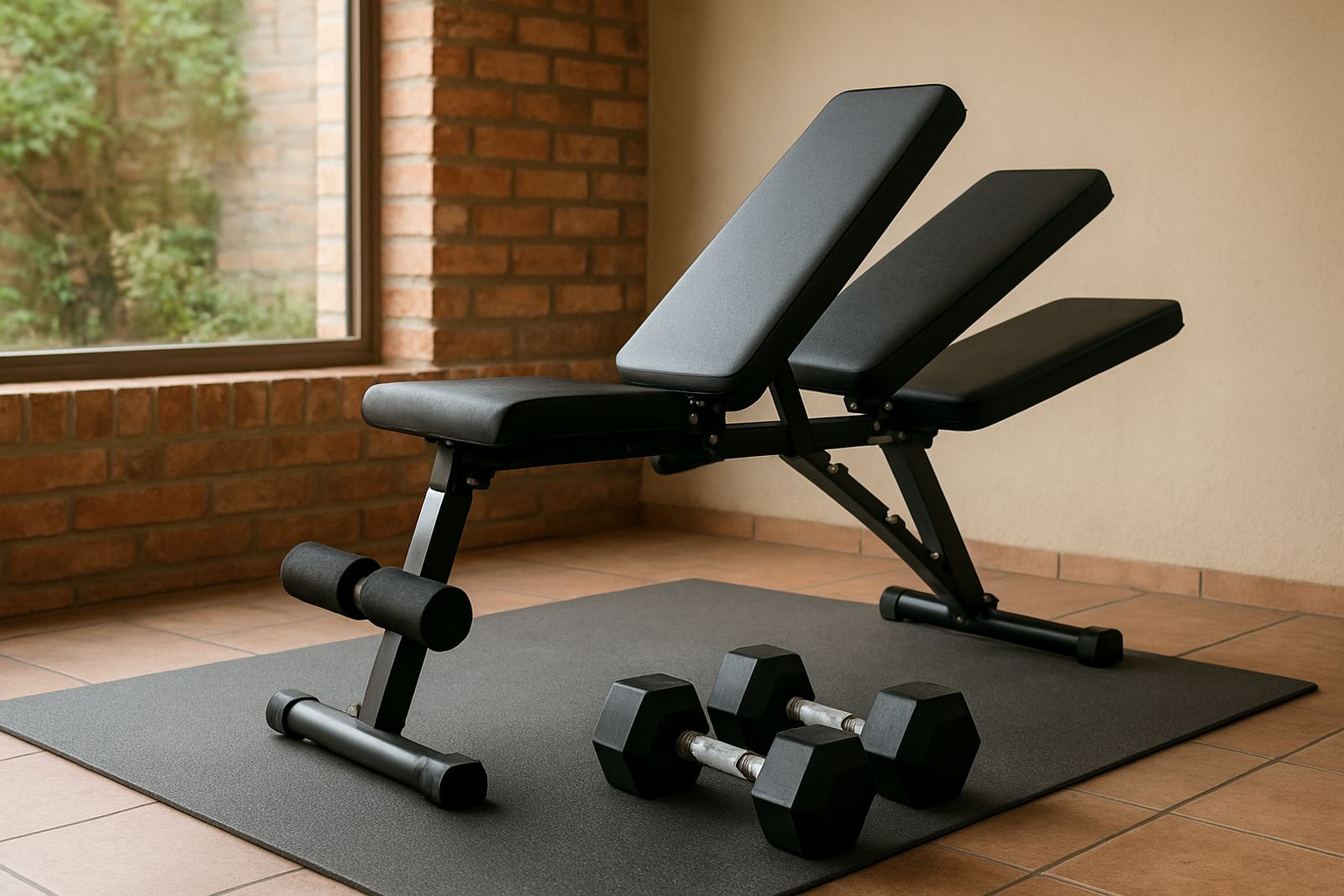
You do not need a complicated setup to get proper results. A mat, adjustable load, a set of resistance tools and one or two cardio options can go a long way. If you have a spare section of garage, a patio or a corner in a flat, the key is to keep the space tidy and easy to use.
For Johannesburg homes, also think about power cuts and storage. A tracker with a long battery life can help you keep tabs on heart rate, steps and training load when the lights are off, while simple kit means less dependence on plug-in equipment. If you live closer to the coast, humidity matters too, so wipe down metal surfaces and store items off the floor where possible.
- Use rubber flooring or thick mats to protect tiles and reduce noise
- Choose equipment that can be moved by one person
- Leave enough room for lunges, floor work and short circuits
- Store smaller items in a box or rack so the area stays safe for children
- Keep water, towels and a timer close at hand
Why trackers help home training stay honest
Smart trackers are useful when you train at home because there is no coach watching every set. They can show whether you are moving enough, recovering properly and hitting the right effort level. That matters when your goals are mixed, like weight loss plus strength, or cardio plus mobility.
Tracking also helps with consistency. Many people start strongly, then drift when progress becomes hard to measure. A tracker can show weekly movement, active minutes, sleep and heart-rate trends so you can adjust before you lose momentum. That kind of feedback is especially handy for people training around work in Sandton, Midrand or Pretoria East, where routines can shift from week to week.
FitSmart also offers tracker setup help and virtual check ins, which is useful if you want clear guidance without wasting time on guesswork.
Matching the programme to the goal, not the trend
Functional training is not one fixed style. It works best when the programme matches the goal. A parent who wants more energy needs a different plan from someone training for strength or trying to lose body fat. The good news is that the same home kit can support all three.
- Starter programme for beginners who need simple progressions
- Strength programme for heavier lifting and better output
- Cardio programme for fitness and conditioning
- Weight loss coaching for structure, accountability and food habits
- Mobility coaching for stiffness, recovery and joint comfort
- Family fitness plans for shared routines at home
A practical example is a Fourways family using one garage space three times a week. One person may do strength circuits, another walks on a cardio tracker session, and a teenager works on core and mobility. The setup stays the same, but each person trains for their own goal.
What to look for before you buy equipment
Before buying, think about who will use the kit, how often it will be used and where it will live. If you are in a townhouse or cluster home, noise and storage matter. If you live near the coast, sweat and air moisture can affect equipment more quickly, so easier cleaning and durable finishes are worth considering.
At FitSmart, the team in Fourways helps customers plan around real home conditions. That includes home gym planning, installation coordination where needed, and advice on how to build a setup that suits a beginner or a busy household. Christo Brits in sales, Irfaan Bhamjee on technical product questions, and Michael Petersen on installation coordination all help keep the process practical.
It also helps to order from a supplier that delivers nationwide, especially if friends or family are setting up in places like Randburg, Roodepoort or Midrand. Good advice should be clear, local and easy to act on.