
Why mornings work better for many South Africans
If you live in Johannesburg, you already know how quickly the day can get away from you. Between school runs, loading the car, and the drive from Fourways to Sandton or Midrand, an evening session often gets pushed aside. Morning training removes that problem because it happens before the rest of the day starts making demands.
The aim is not to do a full gym hour before breakfast. It is to create a repeatable habit that wakes the body up, gets the heart rate moving, and leaves you clearer for the day ahead. A short routine also helps if you share the home, because you are less likely to clash with supper, homework or family time.
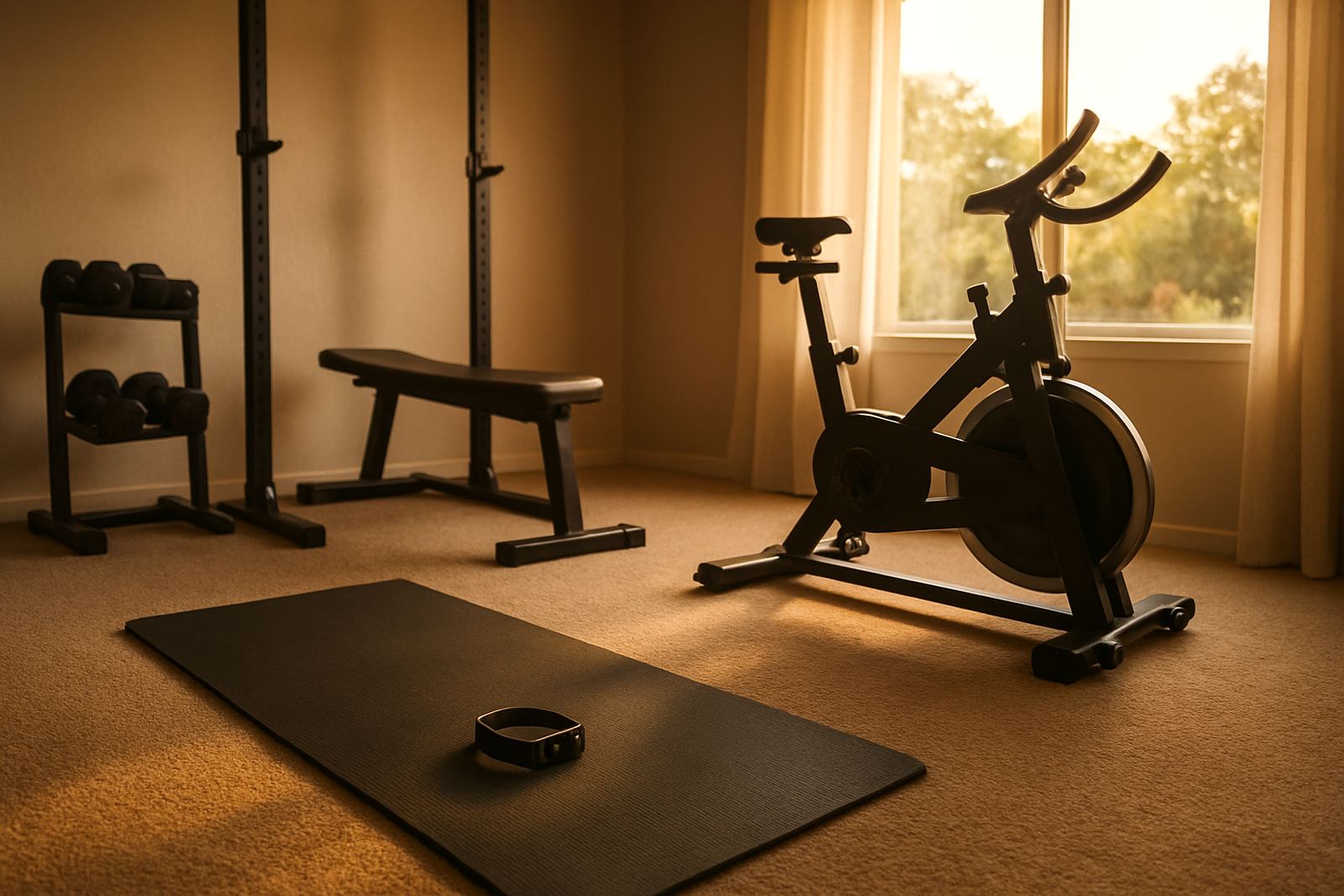
For many people, the main challenge is not effort but setup. If your mat is buried under shoes and bags, or your tracker is flat, you lose minutes before you even begin. Keep the space ready the night before and the routine becomes much easier to keep.
Set up your space the night before
A morning workout should feel simple, not like a project. Put out your training clothes, water bottle, towel and any small equipment before bed. If you use a fitness tracker, charge it overnight and check that the strap fits properly so you can start straight away. In homes where people leave early for work, this small step avoids a lot of faffing about.
- Lay out shoes, socks and clothing in one place
- Fill a bottle with 500 ml to 1 litre of water
- Charge your tracker or heart rate device
- Clear a 2 m by 2 m area for bodyweight work
- Keep a mat, resistance band or skipping rope close by
If load-shedding affects your area, make sure any devices are charged the evening before. In suburbs where mornings are chilly in winter and hot by 10 am in summer, dressing in layers also helps. You want to start fast, not spend five minutes looking for a shirt.
A 20-minute structure that actually fits a workday
The best morning routine is the one you can repeat most days. Keep it short enough to finish before messages, traffic and school notices start pulling your attention in different directions. A simple structure is warm-up, main set, then a brief cool-down.
Try this basic flow: 3 minutes of joint movement and marching in place, 12 minutes of work in rounds, then 5 minutes of stretching and breathing. That gives you 20 minutes total, which is realistic for a busy household. If you have more time, add another round, but do not build a routine that only works on perfect days.
- 3 minutes: arm circles, hip swings, gentle squats, marching
- 12 minutes: 4 movements, 40 seconds on and 20 seconds off
- 5 minutes: hamstring stretch, chest opener, calf stretch, slow breathing
A good morning session should leave you switched on, not flattened. If you are sweating heavily before breakfast, you are probably doing too much for a weekday start. Keep the pace firm, then save harder sessions for later in the week.
Choose exercises that wake you up fast
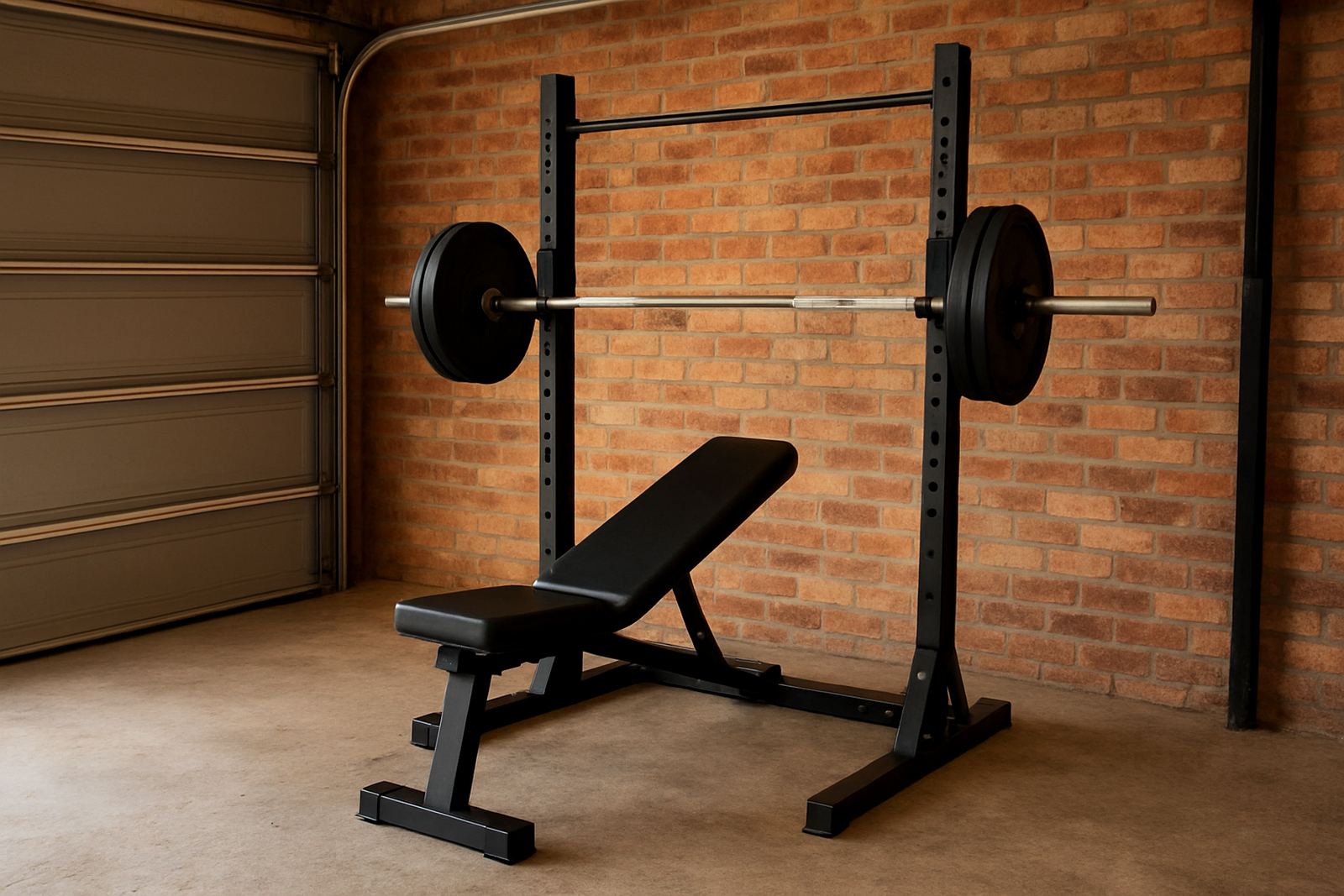
For home training, stick to movements that use several muscle groups and do not need a lot of space. Bodyweight squats, push-ups against a wall or bench, lunges, plank holds and mountain climbers all work well. If you have dumbbells, kettlebells or resistance bands, you can add more load without turning the room into a gym floor.
Use exercises that match your current level. A beginner may start with chair squats and incline push-ups, while a fitter person can move to split squats, burpees or weighted carries. The goal is steady effort, not showing off to yourself at 6 am.
- Beginner option: chair squats, wall push-ups, marching plank, step-backs
- Intermediate option: lunges, push-ups, high knees, band rows
- Stronger option: goblet squats, floor presses, skips, squat jumps
If you live in a flat or townhouse in Randburg or Pretoria East, keep the jumping to a minimum early in the morning. Low-impact options are still effective and far kinder to neighbours, especially where floors carry sound easily. A routine you can do quietly is often a routine you can keep.
Use your tracker to keep the session honest
A fitness tracker is useful in the morning because it gives you a simple picture of effort. You do not need to stare at it the whole time, but it helps to see your steps, heart rate and active minutes once the session is done. That data can show whether you are warming up properly or rushing too hard too soon.
Some people also use trackers for sleep and recovery. If you slept badly after a power cut, a sick child, or a late night in traffic, your morning session may need to be lighter. That is not failure, it is just practical training. A 15-minute mobility session can be more useful than forcing a hard circuit when your body is still flat.
For home users in Johannesburg and surrounding areas, setup help is worth considering if you want the tracker paired correctly from the start. It makes it easier to monitor heart rate zones, step counts and weekly progress without wasting time on settings before work.
A local example that fits real life in Fourways
Take a working parent in Fourways who needs to be on the road by 7:15 am. The alarm goes off at 5:50 am, and the workout starts at 6:05 am after a glass of water and a quick wash. The session is 5 minutes of warm-up, 10 minutes of alternating squats, push-ups and core work, then 5 minutes of stretching. By 6:25 am, the person is done and can still get dressed, make breakfast and leave on time.
That kind of routine works because it respects the rest of the day. There is no need for a long playlist, complicated equipment or a big floor setup. Just enough structure to make the habit real. Over time, that consistency usually beats the occasional long session done once a week.
If you are training with family, keep the routine simple enough that everyone can join in. A child can march, a teen can do bodyweight squats and an adult can add resistance bands. Family fitness plans work best when the routine is not too technical and everybody knows what to do.
How to stay consistent when mornings get messy
Not every morning will go to plan. Somebody oversleeps, the water is cold, or the house is noisy. That is normal. The trick is to keep a backup version of the workout so you can still do something even on the difficult days.
- Plan a 10-minute backup session for rushed mornings
- Keep one mat and one band ready in the same spot
- Use a fixed start time, even if the session is shorter
- Track streaks by week, not by perfect daily performance
- Move the session earlier if evenings are too packed
When the habit is established, you can build it up with more strength work, more cardio or extra mobility sessions. For most people though, the real win is simply getting it done before the day takes over. That is where morning training earns its place.