
Make the first minute too easy to avoid
Most people do not quit because the workout is too hard, they quit because getting started feels too big. For indoor cycling motivation, lower the start-up effort. Keep your shoes close to the bike, fill your bottle the night before and leave your training clothes where you can see them. If you have a tracker, charge it in the same place each evening so there is no last-minute scramble.
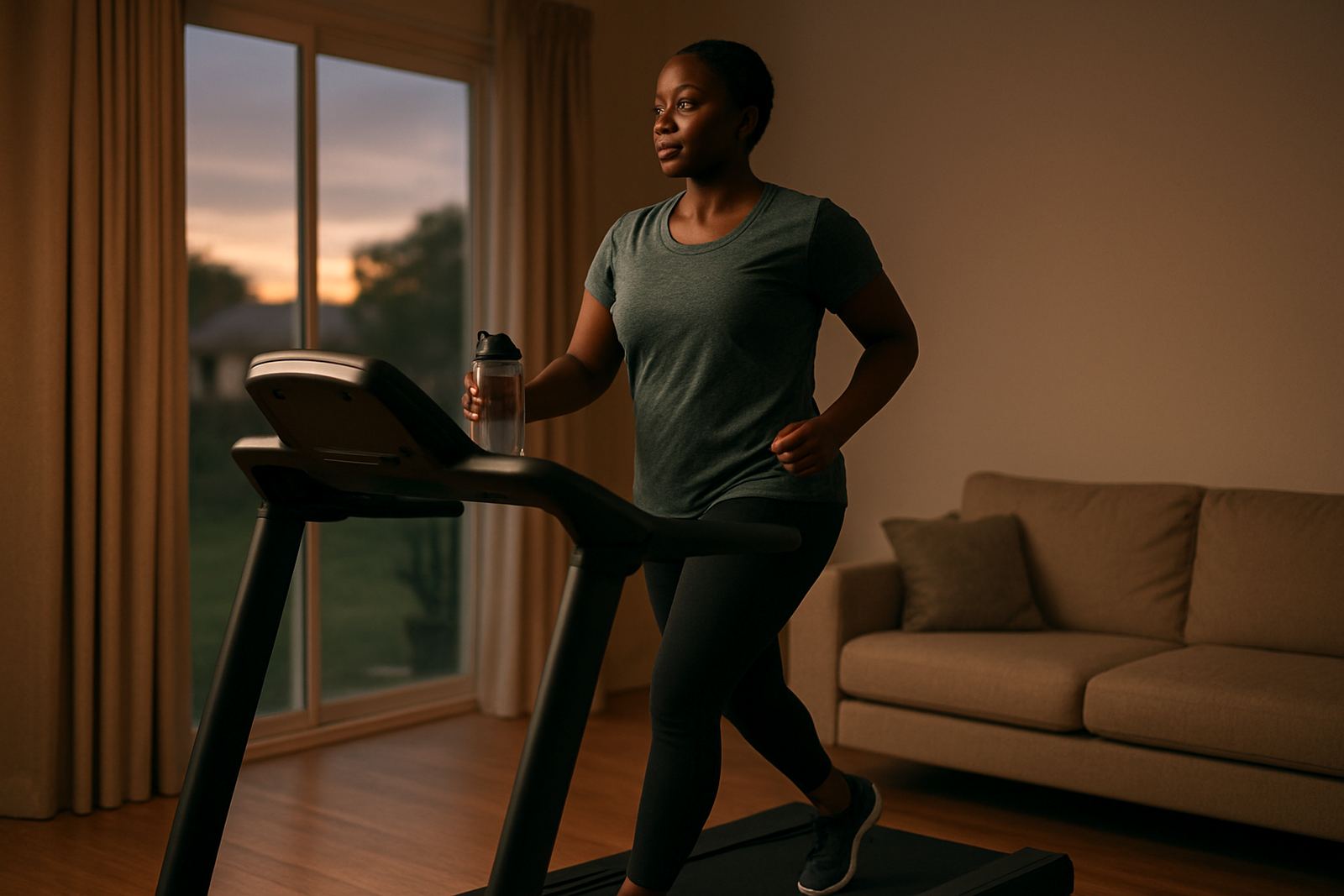
In Fourways and Sandton many homes have busy mornings, school runs and late work calls, so the best routine is the one that does not ask for much thinking. Set a fixed time, even if it is only 15 minutes after the kids are in bed. Short sessions done often will beat one grand plan that keeps moving to next week.
- Set the bike up the night before with pedals, towel and water ready.
- Choose one simple start cue, like after coffee or before supper.
- Begin with five minutes at an easy pace, then decide whether to carry on.
- Keep a spare charger near the bike for your tracker or phone.
Use numbers that matter to you, not just calories
Tracking works when the numbers mean something. Calories can be useful, but they do not always keep you interested. Time in the saddle, average pace, heart rate, distance and weekly consistency can be stronger motivators. If you like clear targets, use a simple weekly score: three rides completed, one longer ride on Saturday, and one recovery spin during the week.
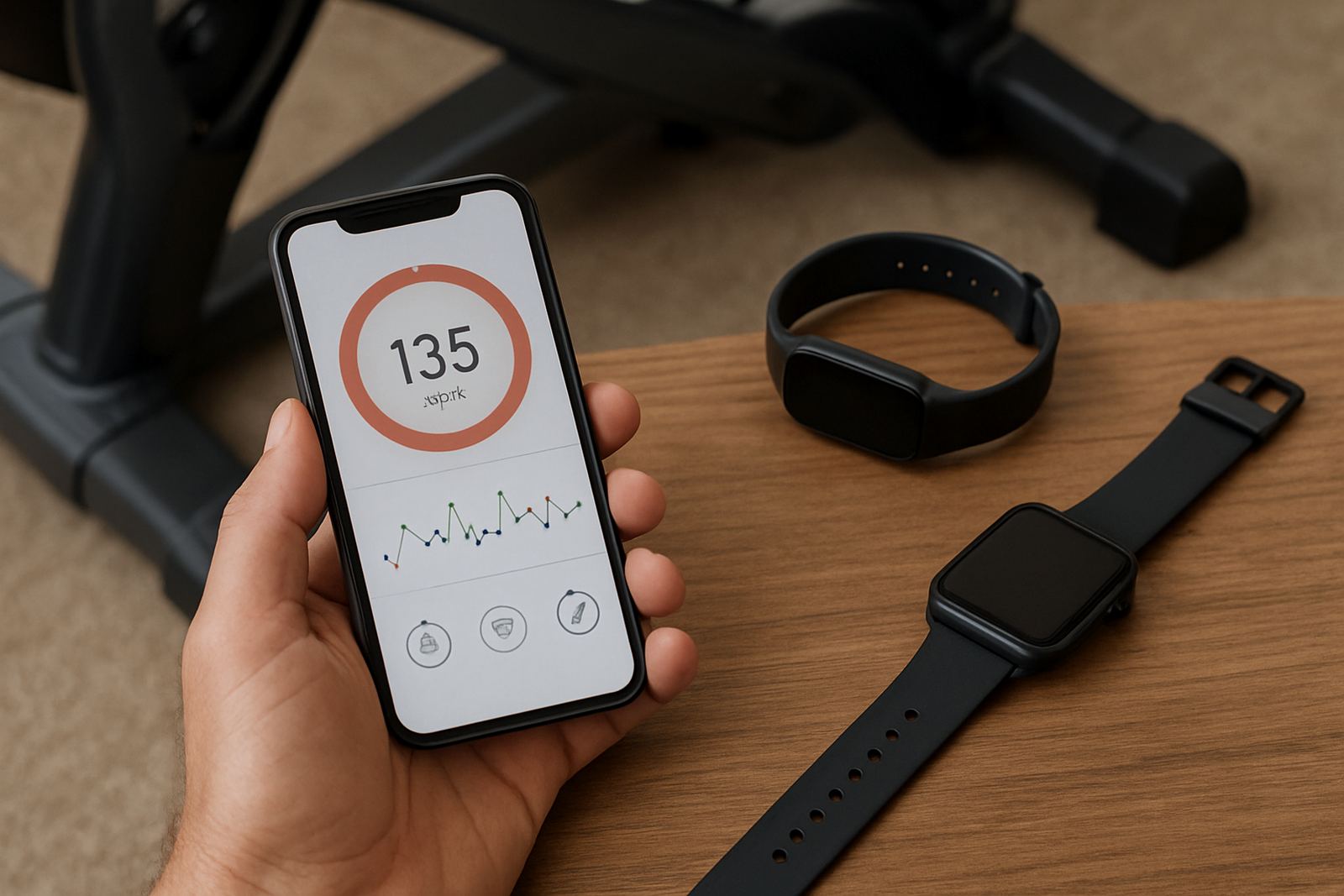
A smart fitness tracker helps because it shows progress in a way that is easy to check at a glance. You can compare this week with last week and see whether your effort is steady or dropping off. That tiny bit of proof is often enough to keep going. It also helps if you are sharing goals with a spouse or older children, since everyone can see the same numbers and keep each other honest.
- Track minutes ridden each week rather than waiting for weight changes only.
- Use heart rate zones if you want better control on harder days.
- Write down one win after each ride, even if it is just showing up.
- Review your numbers every Sunday evening and set one target for the week ahead.
Build rides around South African home life
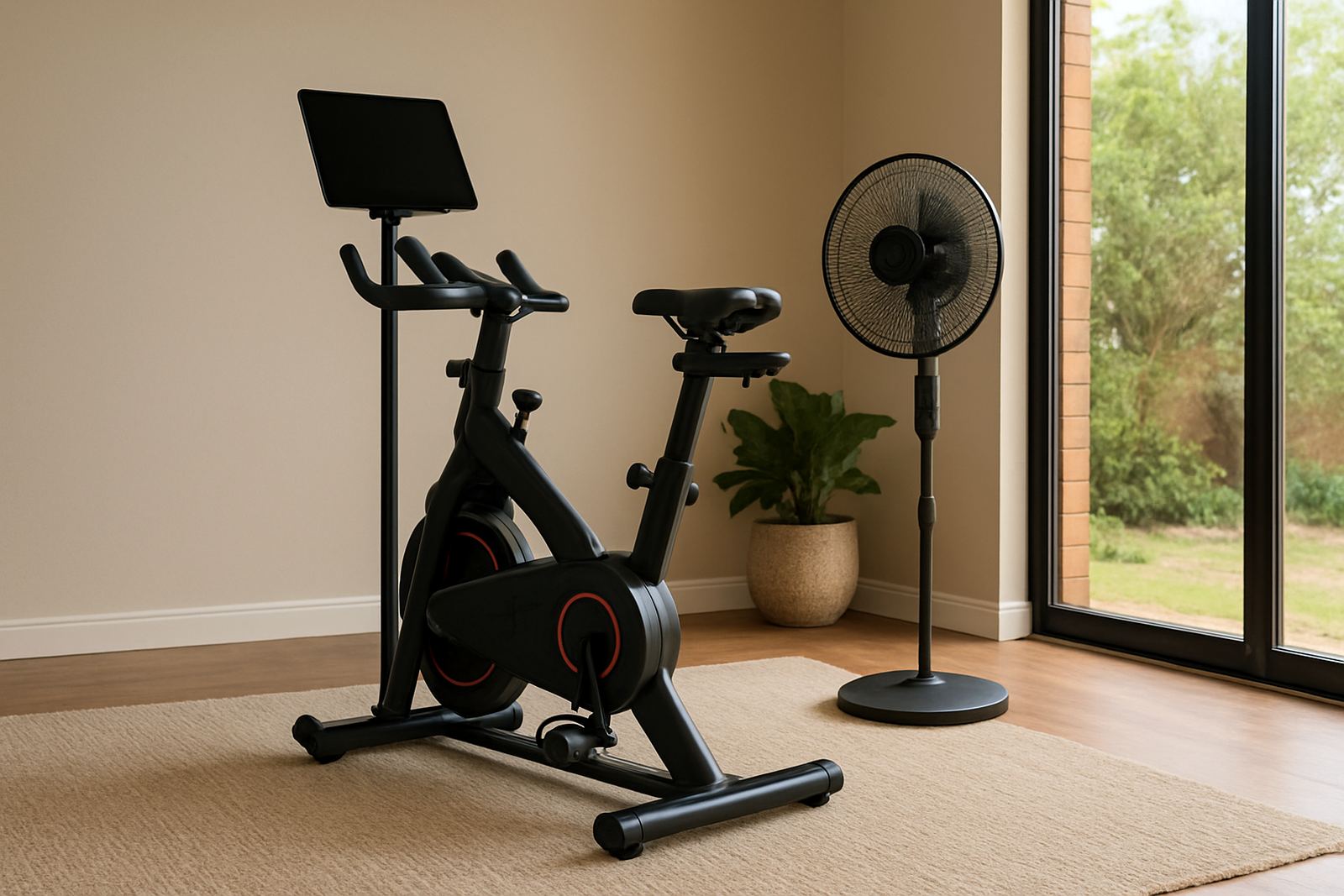
In many Johannesburg homes, load-shedding, limited space and shared rooms can knock a routine off course. That does not mean the plan has failed. It just needs to be practical. Place the bike where it can be used quickly, with enough room for safe mounting and dismounting. If your home has a balcony, garage or spare room, think about heat, ventilation and moisture. Coastal humidity in places like Durban is one issue, but even inland dust and winter chill can make a difference to comfort and equipment care.
A local example helps. A family in Midrand might use the bike in the lounge after dinner, then move it to a corner with a protective mat. They keep the screen, straps and sensors checked once a week, and use virtual check-ins to stay on pace. If the power goes out, a simple no-screen ride still counts. What matters is the habit, not a perfect setup.
- Use a mat to protect tiles, wood floors and carpets from sweat and movement.
- Wipe down the bike after each session to limit rust and smell.
- Keep the room cool with a fan when training in summer.
- Have a backup routine for load-shedding, such as a timed manual ride.
Keep sessions fresh with small changes
Motivation drops when every ride feels identical. You do not need a new machine every month, just a better mix of sessions. One day can be steady pace, the next can focus on intervals, then another can be a light recovery spin. If you are working towards weight loss, strength or general fitness, changing the structure will help you stay interested and challenge different systems in the body.
Try pairing your rides with a purpose. One ride might be for mental clarity before work, another for leg strength, another for a family challenge on Sunday. If you enjoy music, use a playlist with a set number of songs and finish when the final song ends. That gives the workout a clear finish line.
- Alternate between steady rides and interval rides.
- Use themes such as endurance, speed or recovery.
- Pair the bike with a mobility routine after longer sessions.
- Set a monthly challenge, like 100 km or 600 minutes in the saddle.
Make the bike part of a wider home training plan
Indoor cycling stays more interesting when it is linked to the rest of your training. A bike can support weight loss, cardio fitness, rehabilitation after a break, or a full family fitness plan. It also works well with strength sessions because it is low impact on the joints, which helps on days when squats and lunges already have your legs talking back.
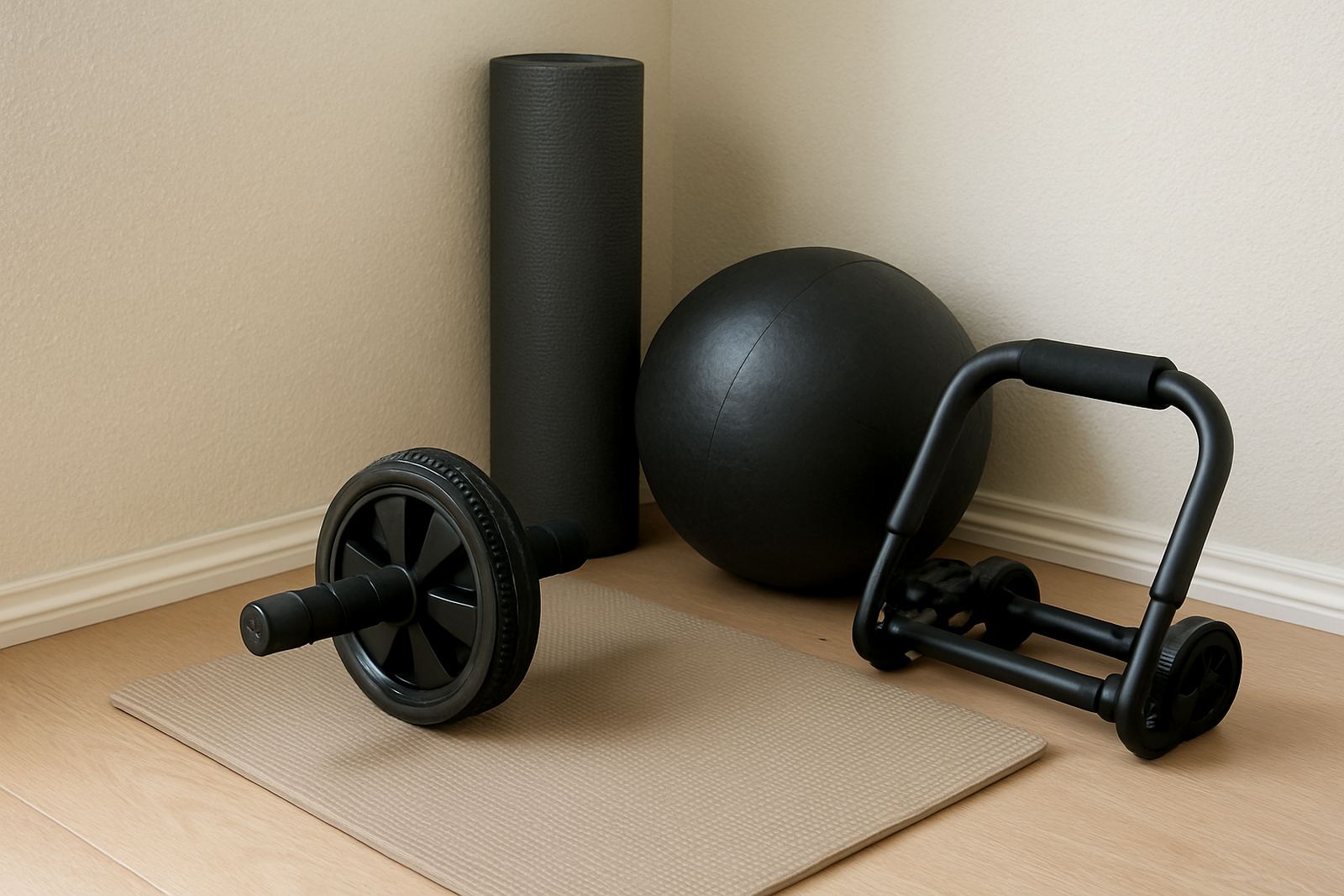
If you are planning a home gym in Fourways, Roodepoort or Pretoria East, think about how the bike will fit beside other equipment. You may not need much floor space, but you do need room to move safely. A common mistake is to place the bike too close to a wall or cupboard, which makes the whole area feel cramped and less inviting. Better layout means better use, simple as that.
FitSmart also helps with equipment onboarding, home gym planning and starter programmes, which makes it easier to turn a single bike into a habit that lasts. If you are unsure how to begin, a clear plan from the start is worth far more than buying more gear later.
Use accountability without turning it into pressure
Some people stay motivated alone, but many do better when someone else is keeping an eye on progress. That does not have to mean public posting or competition. A weekly check-in with a partner, coach or family member can be enough. The point is to keep the habit visible. Once a ride disappears from sight, it is much easier to skip.
Keep accountability light and practical. Share one target for the week, then review what actually happened. If work ran late in Randburg or traffic made the evening shorter than expected, adjust the plan instead of scrapping it. Consistency grows faster when the rules are realistic.
For many households, the best motivation is simple proof that the bike is being used. A quick glance at the tracker, a tick on the calendar, or a short note in your phone can be enough to keep the streak alive. And when the numbers improve, even by a small amount, it gives you a reason to ride again tomorrow.