
Why core work needs more than crunches
A strong core is not only about visible abs. It supports your lower back, helps with balance, and makes squats, presses, running and daily lifting feel more controlled. In a home setting, this matters even more because you often train on tiled floors, in smaller rooms or around family schedules.
Many people start with mat work and a few bodyweight drills, then stall because the same movements become too easy. That is where proper core tools come in. A good setup gives you enough variety to keep progressing without needing a large room or a full rack of gym gear. If you live in Fourways or Randburg, for example, you may have a spare corner, a garage or a patio area that can handle a simple routine before work or after load-shedding.
The best core equipment should do three things well: keep you steady, add controlled resistance and help you train with good form. If a product only looks clever but feels awkward after three sessions, it will probably end up under a bed.
The core tools that earn their space
For small homes and townhouses, a short list usually covers most needs. You do not need ten different items, just the right mix for stability, rotation and load. Start with the basics and build from there.
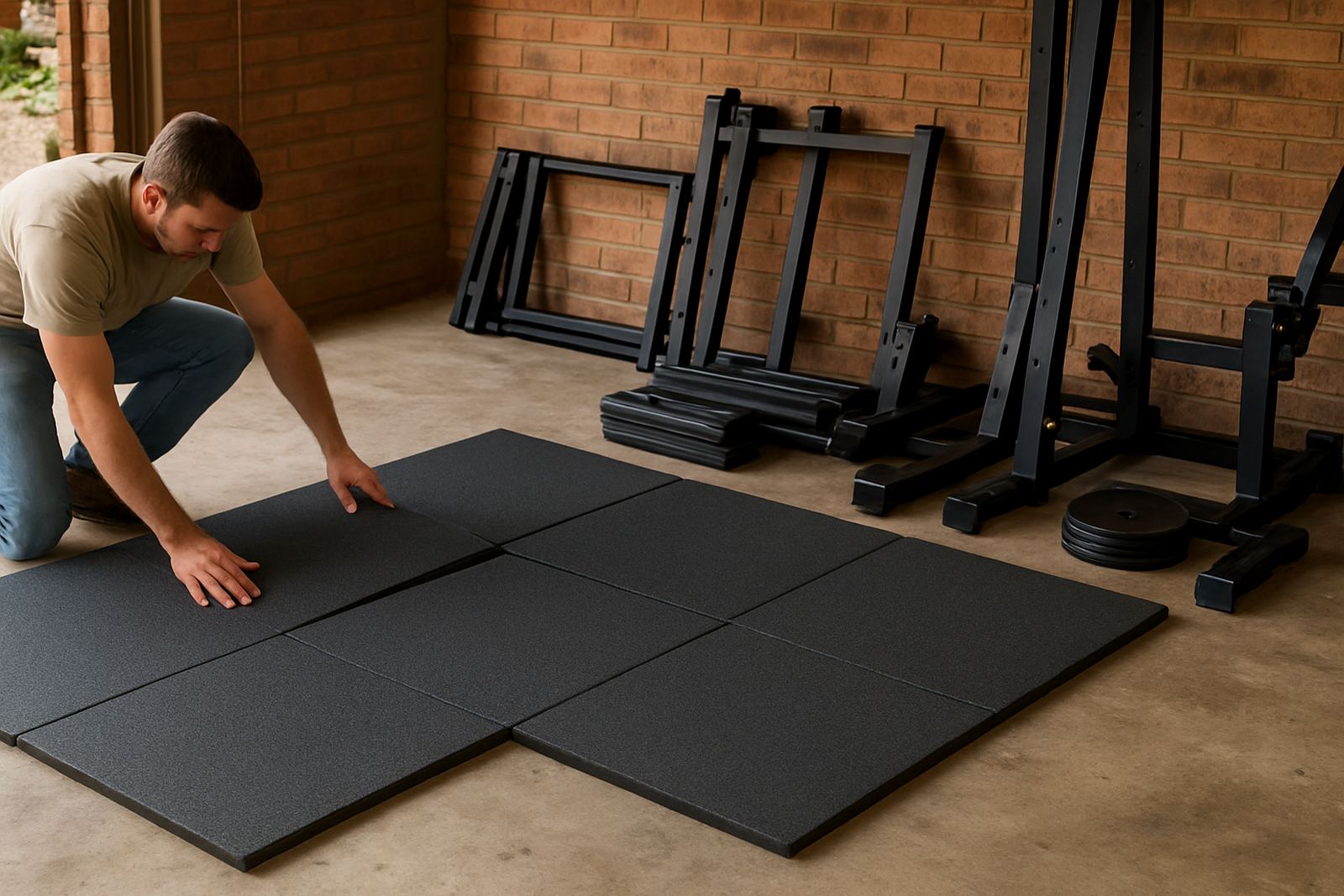
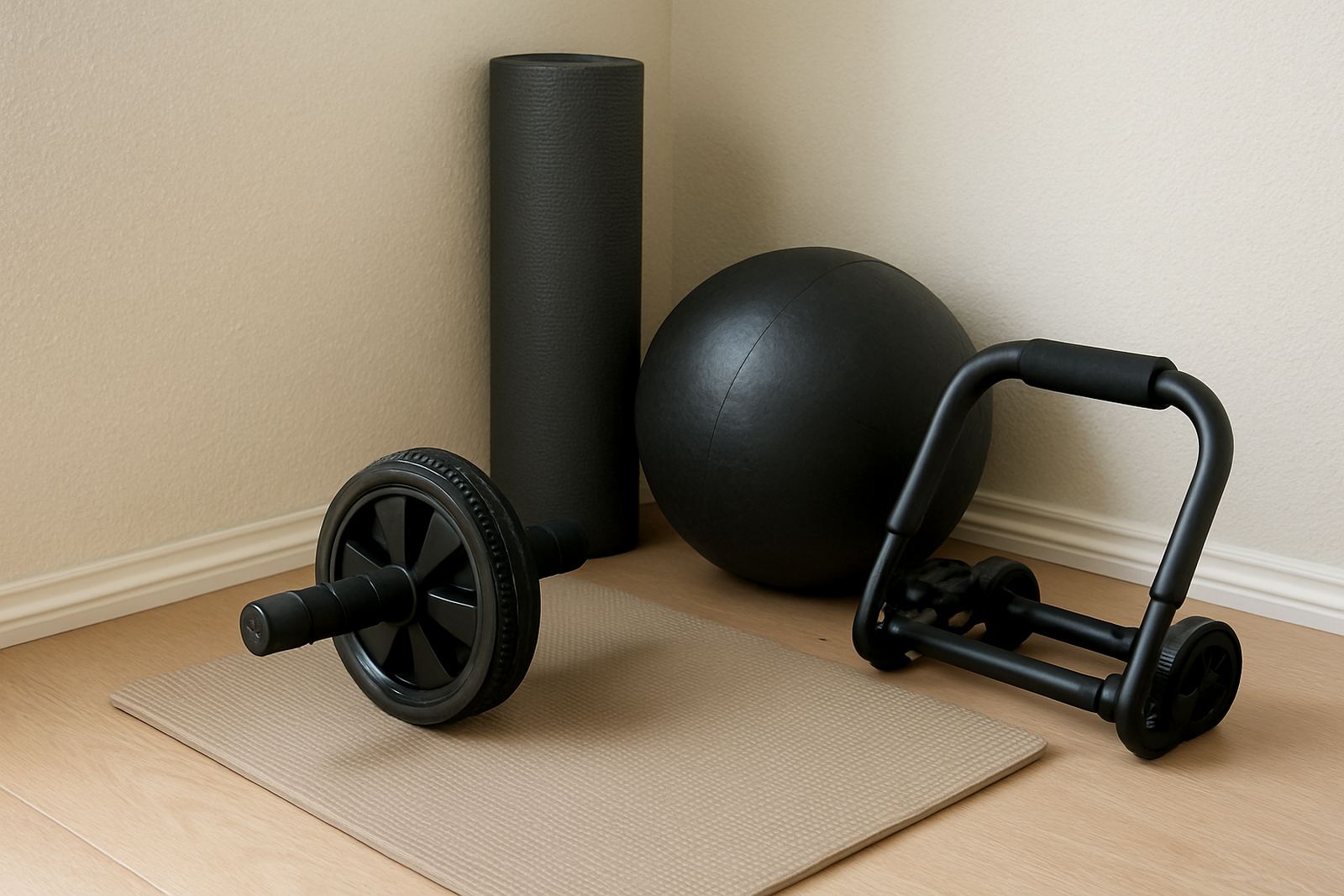
- Exercise mat: A thicker mat protects knees, elbows and the tailbone on hard floors. It also helps in cooler months when concrete and tiles feel cold underfoot.
- Stability ball: Useful for roll-outs, planks and back extension work. Choose a size that suits your height so you can keep your hips level.
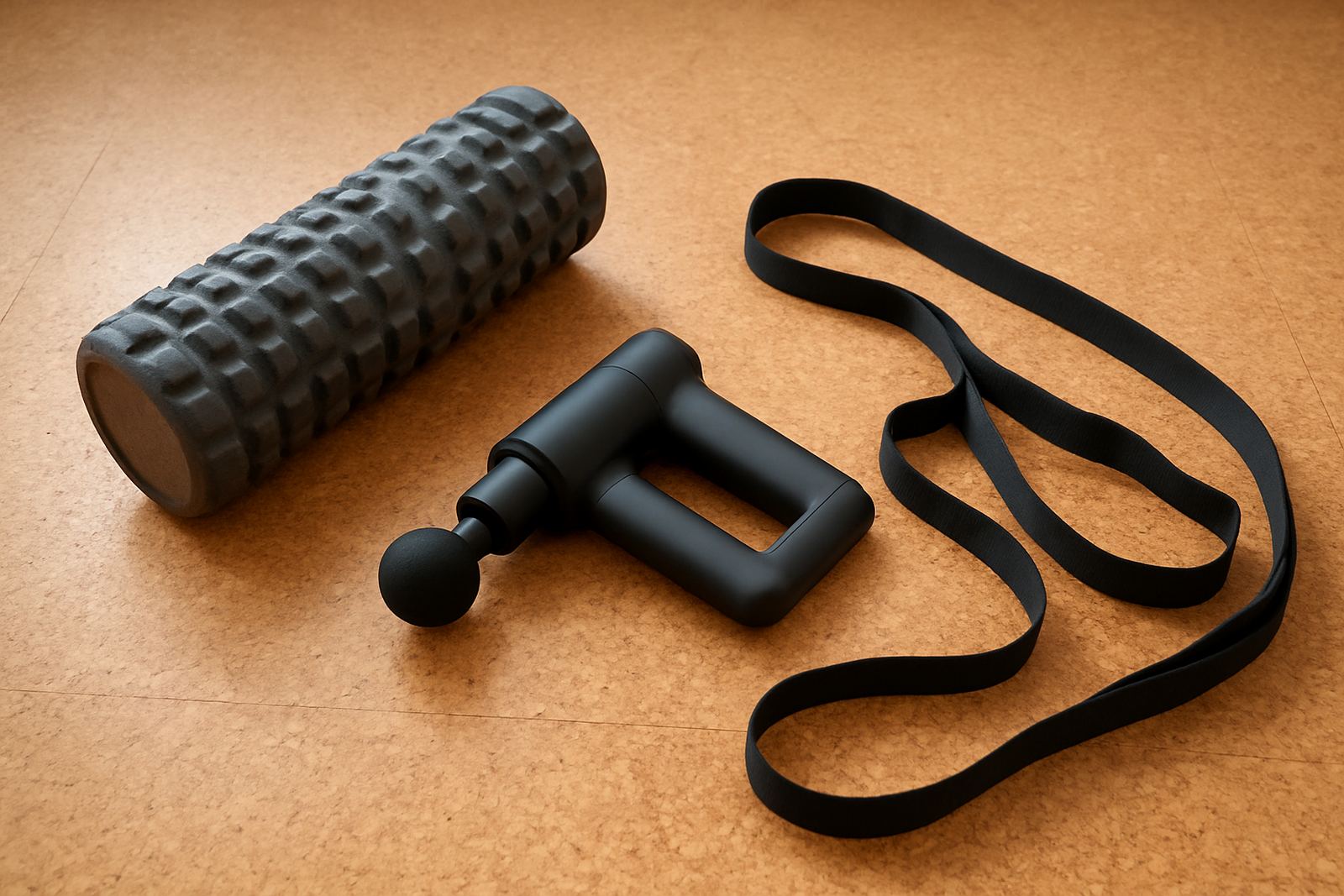
- Resistance bands: Handy for anti-rotation work, dead bugs and standing core drills. They pack away easily and travel well for holidays.
- Ab wheel or rollout bar: Best for users who already control their plank position. Start slowly, because form matters more than distance.
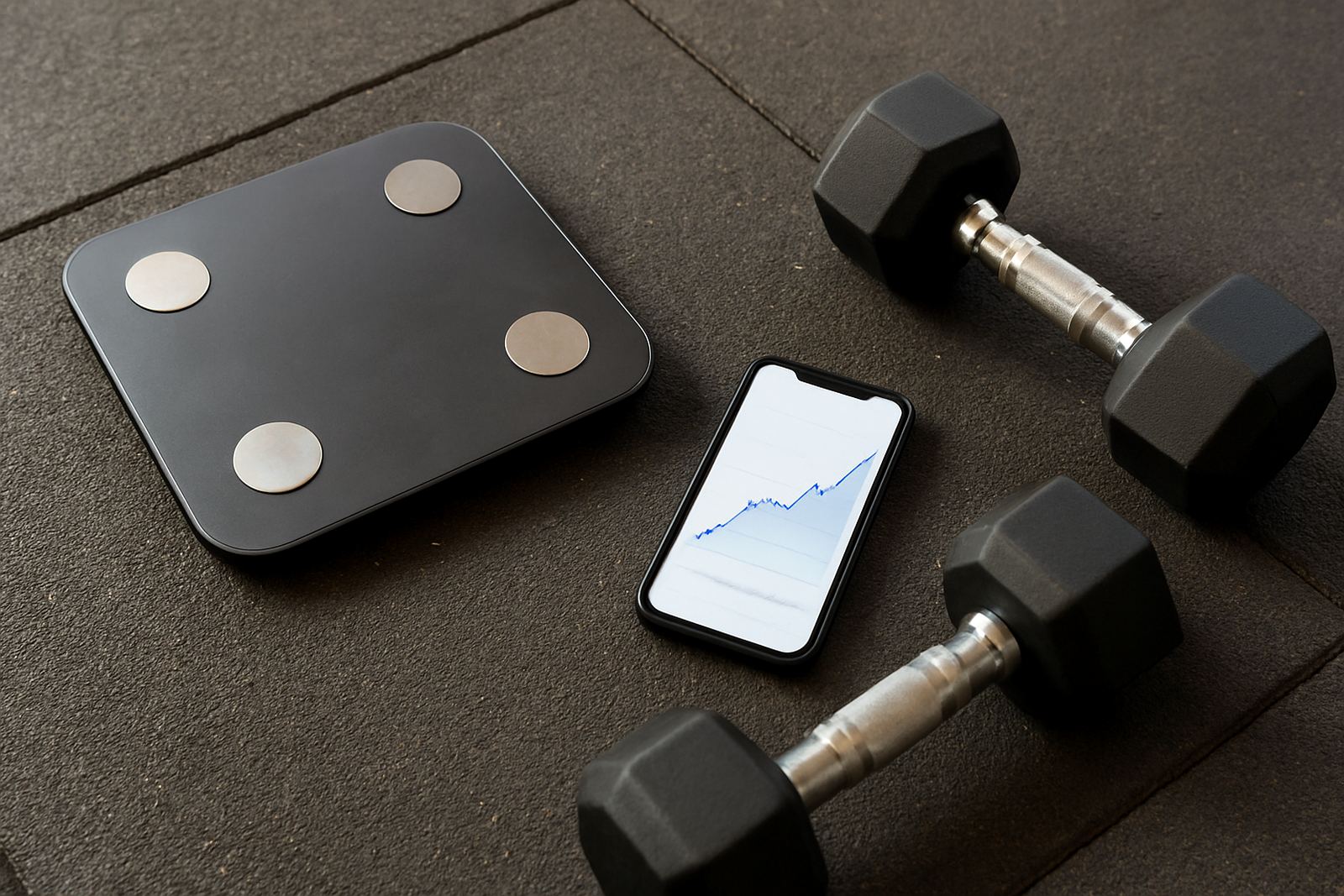
- Adjustable dumbbells: Not a pure core tool, but very useful for suitcase carries, Russian twists and loaded holds.
For apartment living in Sandton or a compact home in Pretoria East, storage matters just as much as performance. A mat that rolls up, bands that hang on a hook, and a ball that fits beside a cupboard are far more likely to get used every week.
How to pick equipment that suits your training level
Beginners should focus on control before intensity. A stable mat, a light set of bands and a ball are enough to build a useful base. If you are already doing planks for 60 seconds with good form, then you can add more challenge through longer lever positions, resisted moves or weighted carries.
One useful rule is to buy for the next three months, not the next three years. That means choosing kit you can grow into but will still use now. A strong start could include:
- 1 mat with non-slip backing
- 1 medium resistance band set
- 1 stability ball sized to your height
- 1 pair of light to medium dumbbells for loaded core work
People often ask whether expensive extras are worth it. In most cases, no. A simple setup used three times a week gives better results than a full shelf of gadgets used once a month. Good coaching on form usually matters more than fancy features.
Training the core without irritating the back
The lower back can take strain when core work is rushed or done with poor bracing. The aim is to keep the spine steady while the arms and legs move. That means slower reps, proper breathing and enough rest between sets.
Start with exercises that teach bracing and balance. Dead bugs, side planks, bird dogs and anti-rotation presses are all useful because they build control without forcing too much movement through the lower back. Once that feels manageable, progress to roll-outs, weighted carries and longer plank holds.
Coastal humidity in places like Durban may not change the exercise itself, but it can affect grip and mat surface. Indoors, a damp floor or sweaty hands can make things feel less steady, so wipe your equipment down and keep a towel nearby. That small habit helps with safety and equipment life, especially if you train in a garage or near an open door.
A simple home core setup for a Fourways household
Picture a family in Fourways using a spare room for evening workouts after school runs and traffic. The room is not large, so the goal is a setup that can be moved in minutes and stored neatly when the floor needs to be clear. A mat, a ball, two bands and a pair of adjustable dumbbells can cover strength, conditioning and mobility work for more than one person.
That same setup works well for different goals. One person may want weight loss coaching with faster circuits, another may be building strength after a long break, and a teenager may need better balance for sport. With the right structure, the same tools can serve all three without cluttering the house.
A practical weekly pattern could be core work on Monday and Thursday, a short mobility session on Wednesday, then light carries or band drills on Saturday. Small sessions are easier to keep when work is busy or the power goes off unexpectedly. If you can train for 20 to 30 minutes, you can still make real progress.
How to make the tools last and keep training consistent
Good core equipment should last for years if you look after it properly. Store bands out of direct sun, keep mats dry after training, and check ball firmness every few weeks. On hot days, leave inflatable items in a cool area instead of a car boot.
Consistency also improves when the setup is easy to reach. If the mat is packed behind boxes, the session is less likely to happen. Keep the most used items together in one corner or storage tub. That way a quick session before supper does not turn into a search for missing kit.
For households in Midrand, Roodepoort or Pretoria East, the practical choice is the one that fits your room, your schedule and your actual training level. Core tools should support movement, not create friction. When the equipment is simple and dependable, training becomes part of the week instead of a once-off plan that never quite starts.