
Why bare concrete is hard on your body and kit
A garage floor may look ready for training, but concrete is unforgiving. It is hard underfoot, it transfers impact straight into your joints, and it gives little protection when a dumbbell, weight plate or kettlebell is put down a bit too quickly. Over time that same surface can chip the feet of a bench, scratch the base of a bike, and leave metal equipment exposed to moisture and dust.
In Johannesburg and Pretoria, garages also deal with day to day dust, summer heat and winter chill. In coastal areas the problem is humidity, while inland homes often see more dust and dry air. Good flooring creates a barrier between the slab and your equipment, so training feels better and the space stays easier to clean.
Safety starts with the surface under your feet
When you are doing squats, step ups, burpees or sled work, traction matters. A smooth concrete floor can become slippery with sweat, spilled water or a bit of cleaning liquid. That is where proper gym flooring helps, because it gives a more stable footing and reduces the chance of a quick slip during training.
For most home setups, think about the kind of work you do most often:
- Bodyweight and mobility work needs a surface that is comfortable for floor exercises and stretching.
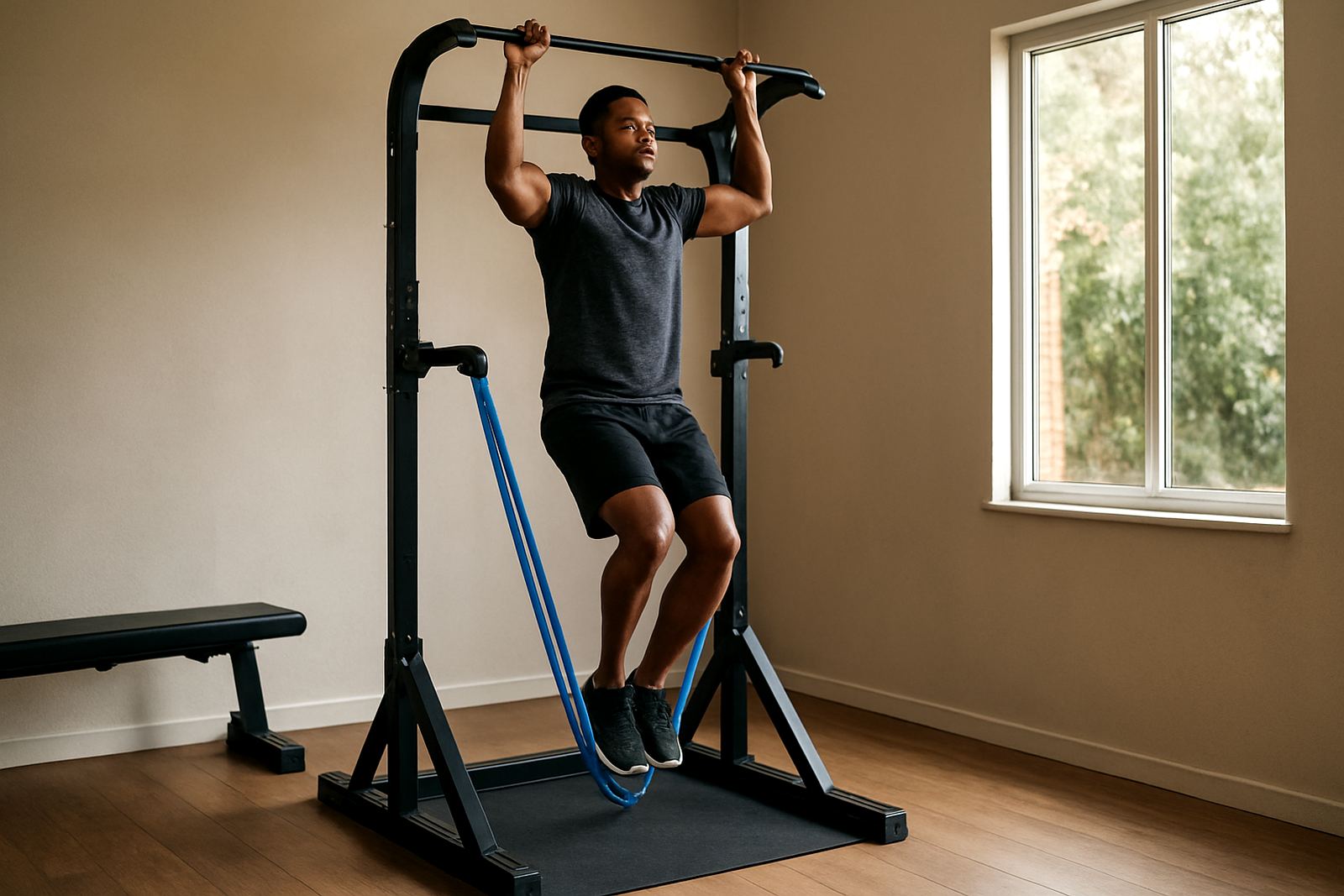
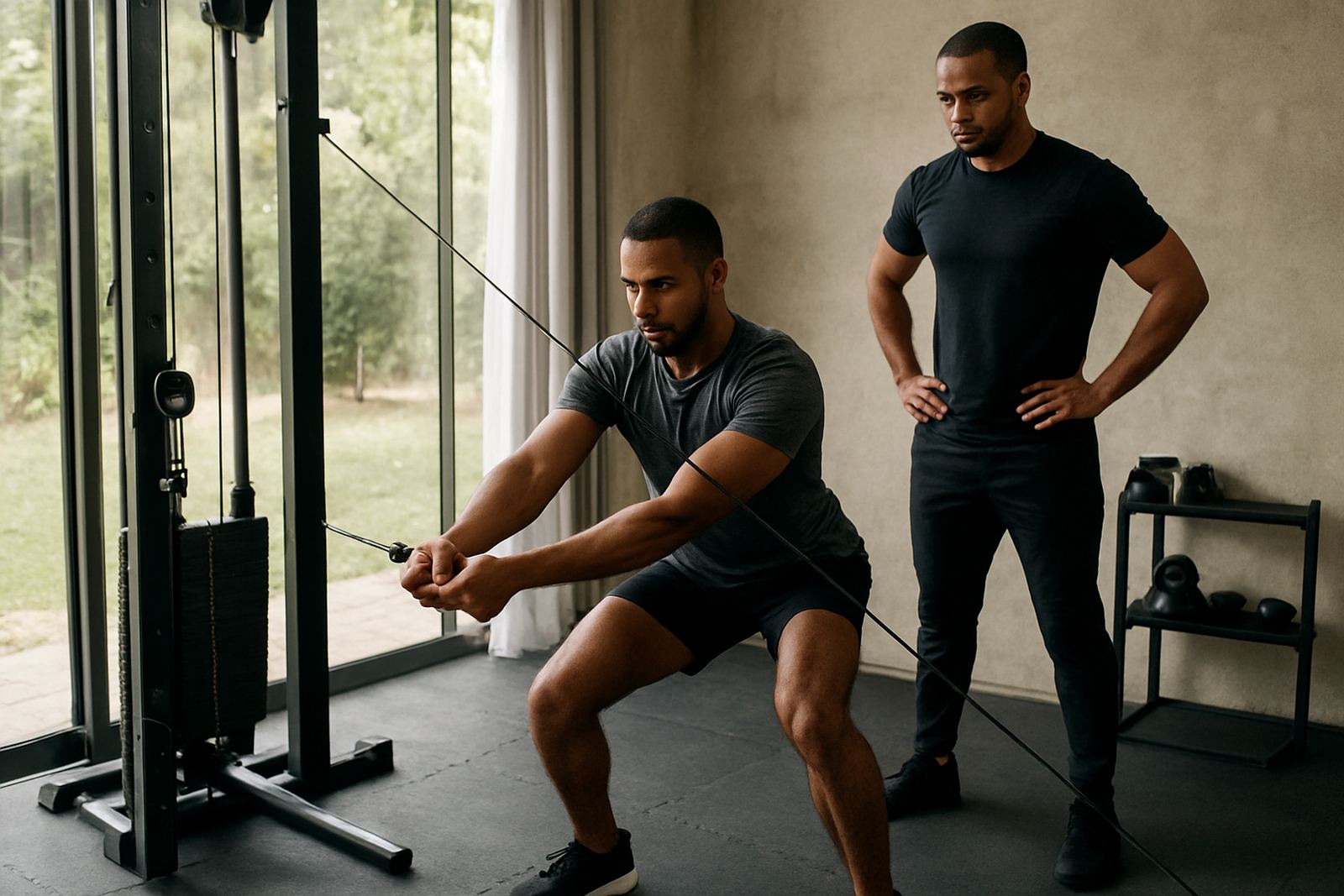
- Strength training needs impact protection under free weights and a stable base for racks and benches.
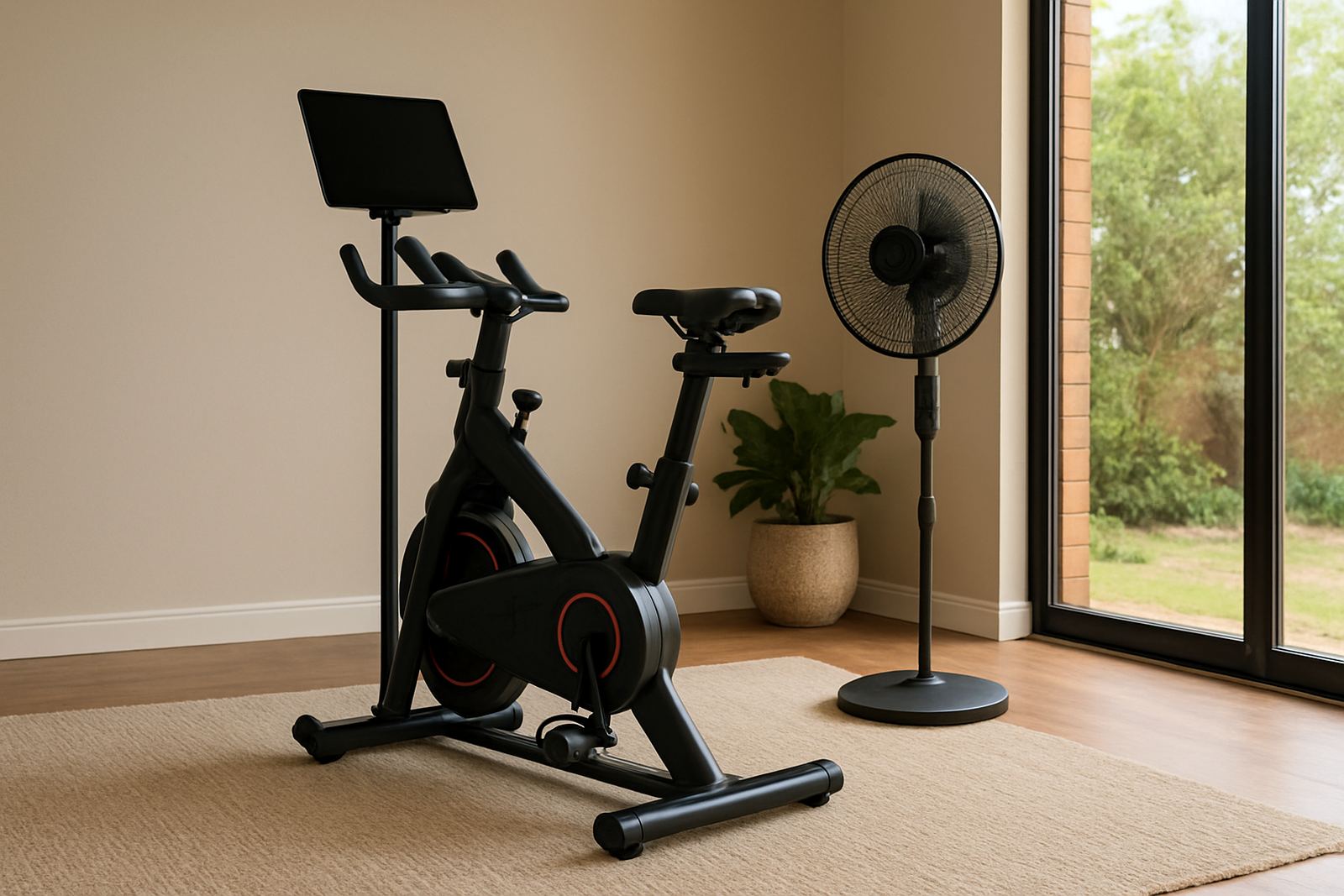
- Cardio training needs cushioning for repeated foot strike, especially if you use a skipping rope or rower nearby.
If the garage is used by the family as well, a cleaner more predictable surface makes the space safer for everyone. Kids can walk through without slipping, and you spend less time worrying about sharp bits of gravel or tiny chips in the concrete.
Noise control matters in a busy neighbourhood
One of the biggest reasons people add flooring is not just comfort, it is noise. In a suburban area like Fourways or Randburg, a dropped dumbbell can travel through the slab, into the walls and across to the neighbours. The same applies in sectional title homes where garages share walls or sit close to a bedroom.
Thicker flooring helps absorb some of that vibration. It will not make a heavy deadlift silent, but it can soften the impact enough to keep early morning workouts more considerate. That matters if you train before work, during load-shedding, or while children are sleeping in the next room.
A practical setup often uses multiple layers in high impact zones, with thinner mats or interlocking tiles in lighter use areas. That gives you better noise control where it counts, without covering the whole garage in material you may not need.
The right material depends on how you train
Not every home gym needs the same flooring. A Pilates corner, a treadmill area and a lifting zone all place different demands on the surface. If you train mainly with machines, you need support and vibration control. If you lift heavy, you need density and durability. If you do mixed sessions, you may need a combination of both.
A practical way to look at garage gym flooring:
- Rubber flooring is a popular choice for strength zones because it handles weight well and is easy to keep clean.
- Foam tiles can suit lighter training, stretching and family areas, but they are less suitable under heavy weights.
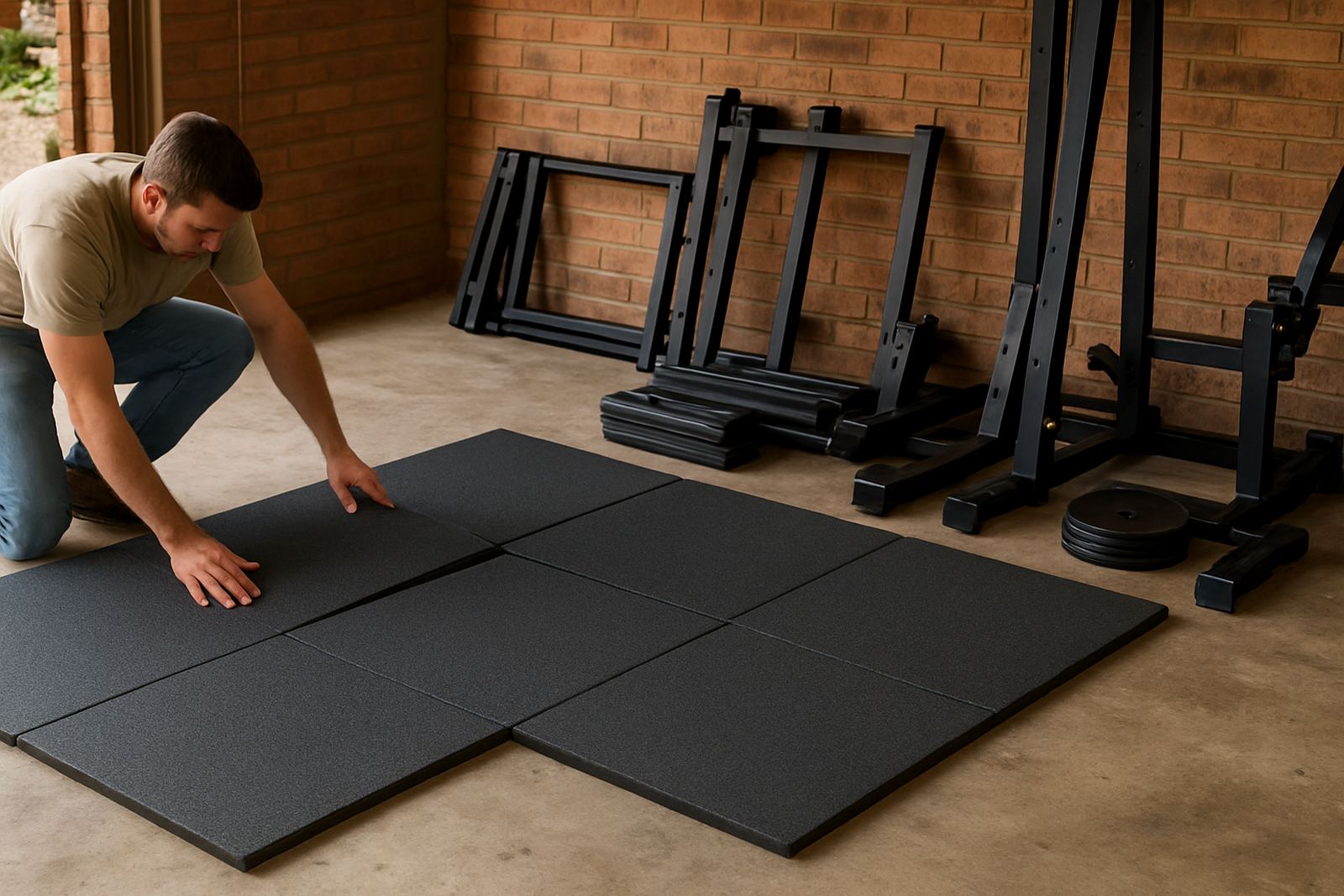
- Interlocking mats work well where you want a flexible layout and easier installation.
- Rolled flooring gives a neat finish for larger spaces and can be useful when you want fewer joins.
If your home has a sloped garage floor for drainage, you may need to plan the layout carefully so the flooring sits flat and does not lift at the edges. That is one reason many homeowners start with the training zones first, instead of covering every square metre at once.
A Fourways garage gym example that works in real life
Take a standard double garage in Fourways, where one side still needs to hold a vehicle and the other side is used for training. A practical approach is to map out the lifting area near the back wall, keep cardio equipment along the side, and leave enough space for storage and movement. In that kind of setup, flooring becomes the organiser that defines the room.
With the right surface, a barbell zone can sit on a heavier mat section, while a bike or treadmill rests on a cleaner, quieter layer. That keeps the home functional and makes it easier to sweep out dust from the street, which is common in newer estates and busier suburban roads. It also helps when you need to shift equipment for cleaning or maintenance.
Homeowners in Sandton, Midrand and Pretoria East often ask for the same thing: a training area that does not look like a temporary fix. A fitted floor gives the garage a more finished feel, even if the rest of the room still stores boxes, tools or a spare fridge.
Maintenance, moisture and the South African climate
Garage flooring only works well if it is looked after. Sweat, rainwater from shoes, and dust from open garage doors can all build up quickly. In summer, garages heat up fast. In winter, cold concrete can make the room feel harder to use. Good flooring helps manage both of those issues, and it is simpler to clean with a broom, vacuum or damp mop.
In humid areas, especially closer to the coast, moisture resistance becomes even more important. You want a surface that will not buckle, smell musty or hold water at the joins. In inland Gauteng homes, the concern is often more about dust and repeated impact, but the answer is still the same: choose material that suits the room, then keep it dry and clean.
A small maintenance routine goes a long way:
- Wipe up water and sweat after each session.
- Lift mats occasionally to check for dust build-up underneath.
- Keep heavy equipment on the floor sections designed for load-bearing.
- Make sure edges are secure, especially where cars still enter and exit the garage.
Plan the floor around your training goals, not just the price
The cheapest option is not always the best value. If flooring wears out quickly, curls at the edges or fails to protect your slab, you end up replacing it sooner. A better plan is to start with how you train now, then think about what equipment may be added later. That is especially useful if your home fitness setup is growing from a simple tracker and a pair of dumbbells into a full strength area.
For many South African households, the smartest choice is a practical middle ground: enough cushioning for comfort, enough density for weights, and enough coverage to keep the space usable through the year. When the garage is fitted properly, training feels more organised, equipment lasts longer, and the room becomes easier to live with day after day.
If you are setting up a home gym in Fourways, Randburg, Roodepoort or anywhere else in Gauteng, the floor should be the first decision, not the last. Get that right and the rest of the training space becomes much easier to manage.