Start with numbers you can repeat every week
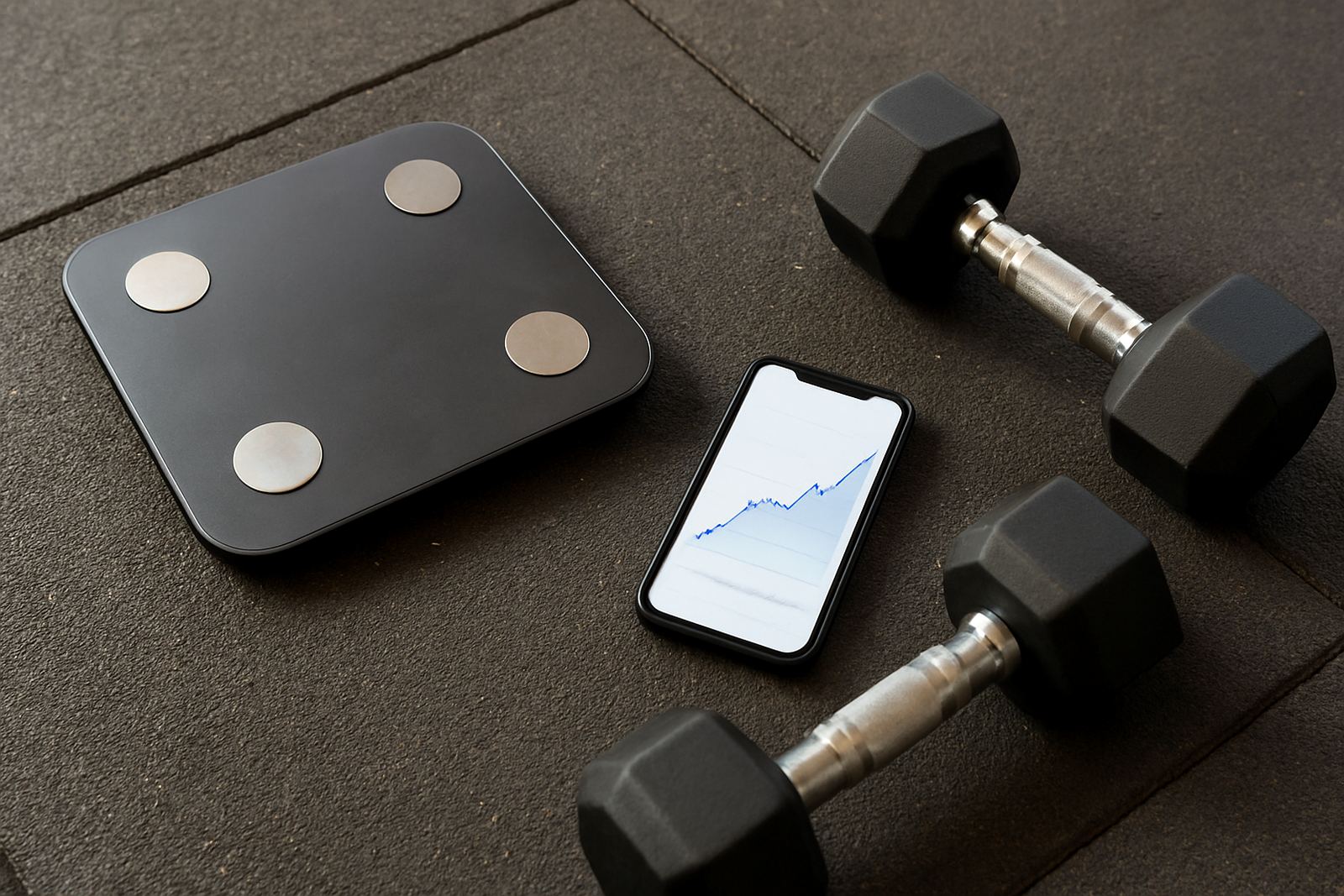
The easiest way to track progress is to choose a few numbers you can measure the same way each time. That might be body weight, waist measurement, resting heart rate, step count, workout duration or the number of reps you complete with a set load. Keep it simple. If you try to track too many things, the record becomes hard to use and people stop doing it.
For most home users, three or four measures are enough. Pick one that shows effort, one that shows output, and one that shows recovery. For example, a person training in Fourways may track 30-minute cardio sessions, squats completed in one set, and average sleep from a smart tracker. Taken together, that tells a better story than weight alone.
- Choose the same day and time each week
- Use the same units every time, such as kilogrammes, centimetres or minutes
- Record under similar conditions, before food if possible
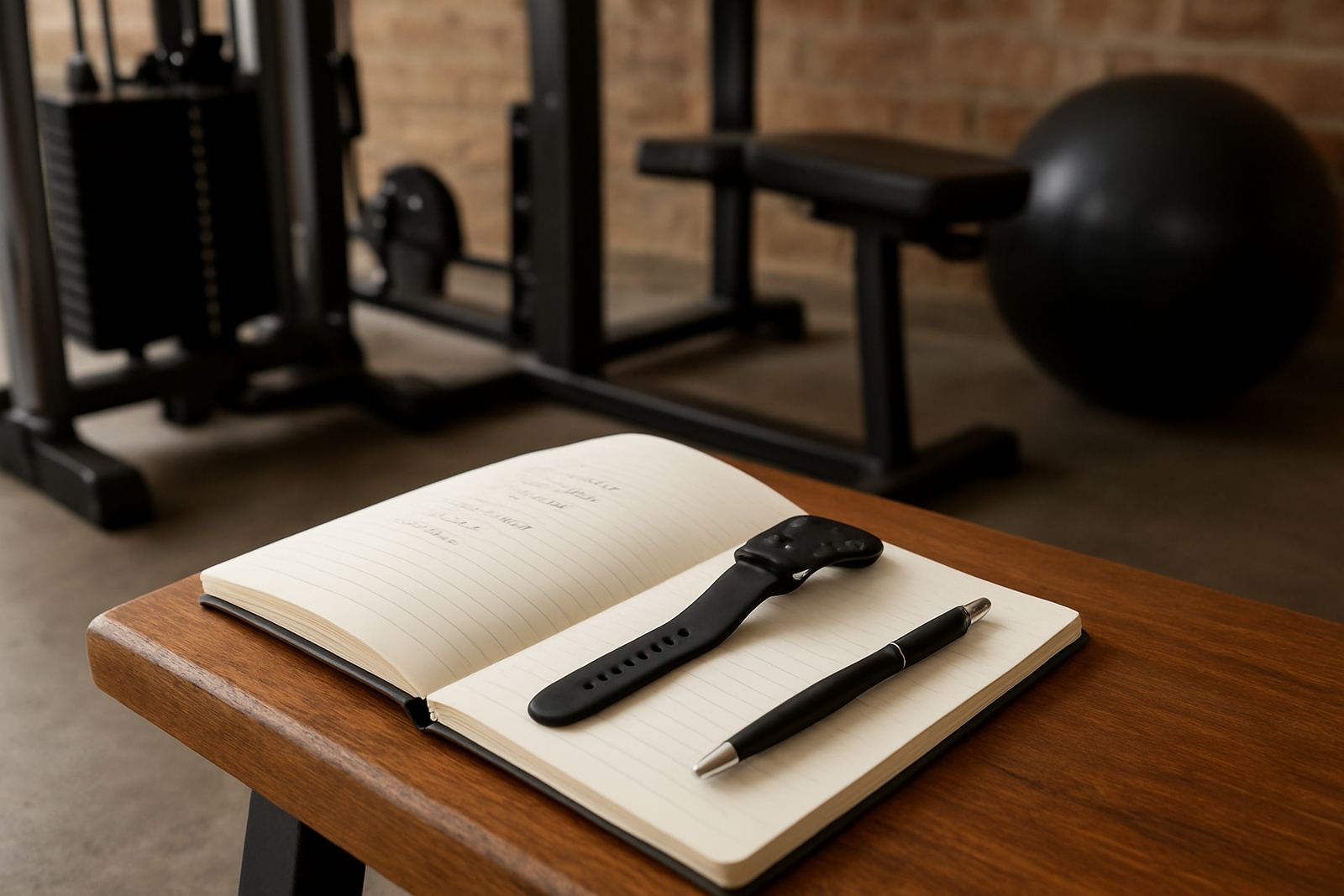
- Use a notebook, spreadsheet or tracker app, but stick to one system
Measure effort, not just outcomes
Progress is not only about the scale. If you are more active on some days because of work, family or load-shedding disruptions, your body can still be improving even when the numbers move slowly. Effort markers help you see that. Resting heart rate after waking, how quickly you recover after intervals, and how hard a session feels on a scale of 1 to 10 can all show improvement over time.
Many people also notice better progress when they log the exact workout completed. A simple note like 3 sets of 10, medium pace, 2 minute rest gives you a record you can compare later. When the same workout feels easier after four weeks, that is real progress, even if body weight has not changed much yet.
- Rate each workout for effort from 1 to 10
- Record recovery time after cardio or strength sets
- Note energy levels before and after training
- Track how long it takes your heart rate to settle
Use a smart tracker to catch the details you miss
A smart fitness tracker can make home training easier to monitor because it records patterns you would otherwise forget. Daily step counts, active minutes, heart rate zones and sleep duration all help you understand whether your routine is balanced. If you train before work in Randburg or after school runs in Midrand, this data shows whether your week is active enough overall, not just during one hard session.
Sleep and recovery matter as much as training itself. Poor sleep can reduce performance, increase cravings and make it harder to stay consistent. Over time, a tracker can show whether late-night screen time, stress or long gaps between meals are affecting your routine. That is useful information when you are trying to lose weight or build strength without guesswork. It makes the next choice clearer, even on busy weeks.
- Check weekly averages, not one odd day
- Look for trends in sleep, steps and active minutes
- Compare hard training days with recovery days
- Watch for sudden drops after sickness or travel
Keep one simple workout log beside your equipment
If you have a treadmill, resistance equipment, free weights or a bike at home, a log helps you see what you did last time. Write down the date, exercise, load, reps, sets and how the session felt. That small habit makes it easier to progress safely and avoid repeating the same session for months on end. It also helps if more than one person uses the same equipment at home.
For homes in places like Sandton or Pretoria East where space is often shared, a visible log on a fridge or pinned near the training area can work well. It keeps everyone accountable and helps with family fitness plans too. If children or older family members are training, the notes can be adjusted for age, fitness and safety. The point is not perfection, just consistancy.
- Date and time of session
- Exercise names and weights used
- Reps, sets and rest periods
- How the session felt and any pain or tightness
Check progress every four weeks, not every day
Daily weigh-ins can be discouraging because water, food, sleep and stress all affect the reading. A better approach is to review your progress every four weeks. At that point, compare your measurements, tracker data and workout log. If your steps are up, your recovery is better and your sessions are longer, you are likely moving in the right direction even if the scale is slower than expected.
This is also the right time to adjust your plan. You may need more protein, more rest days, shorter cardio sessions or a strength plan with higher resistance. Some clients in Roodepoort find that once they review the month properly, they stop changing the plan every few days and start making actual progress. Small changes, checked regularly, are usually easier to keep going than drastic shifts.
Local example: a Fourways home routine that stays on track
Take a busy Fourways parent who trains before school runs and office calls. They use a tracker to log steps, sleep and heart rate, then record three workouts a week at home. On Mondays they do strength, Wednesdays cardio, and Saturdays mobility plus a longer walk. After four weeks, they can see that sleep improves on the days they finish training before 7 am, and their resting heart rate is lower than it was at the start.
That is the value of tracking. It turns a vague feeling of getting fitter into clear evidence. If the plan is not working, the records show it early. If it is working, the numbers confirm it and that keeps motivation up. For people juggling work, family and load-shedding schedules, a simple system is often enough to stay on track without making training feel like admin.
- Pick one weekly review day
- Check trends, not single readings
- Adjust only one thing at a time
- Keep the record short enough to maintain