
Start with a goal you can measure, not just feel
Many people say they want to get fitter, lose weight or feel stronger. That is a good starting point, but it is not a plan. A proper goal should answer four things: what you want to improve, by how much, by when, and how you will check it. If you cannot measure it, you will struggle to know whether the training is working.
A useful target sounds like this: “I want to walk 5 km without stopping in 8 weeks” or “I want to lower my resting heart rate by 6 beats a minute over 3 months.” Those are clear enough to guide your choices, whether you are training in Fourways, Midrand or at home in Roodepoort.
- Choose one main goal for the next 8 to 12 weeks.
- Use a number, a date and a simple test.
- Keep the goal realistic for your current fitness level.
Match the goal to your real life in Gauteng
People often set goals as if they have unlimited time, perfect energy and no interruptions. In reality, loadshedding, school runs, traffic on William Nicol, and family commitments all affect training. A good goal must work in the life you actually live, not the one you wish you had.
If you are training before work in Sandton or after hours in Pretoria East, your goal should fit the time you can keep to each week. Three 30 minute sessions done consistently are better than a big plan you abandon after two weeks. For a family in Randburg, a shared goal may be more practical than separate programmes for everyone.
- Be honest about your available training days.
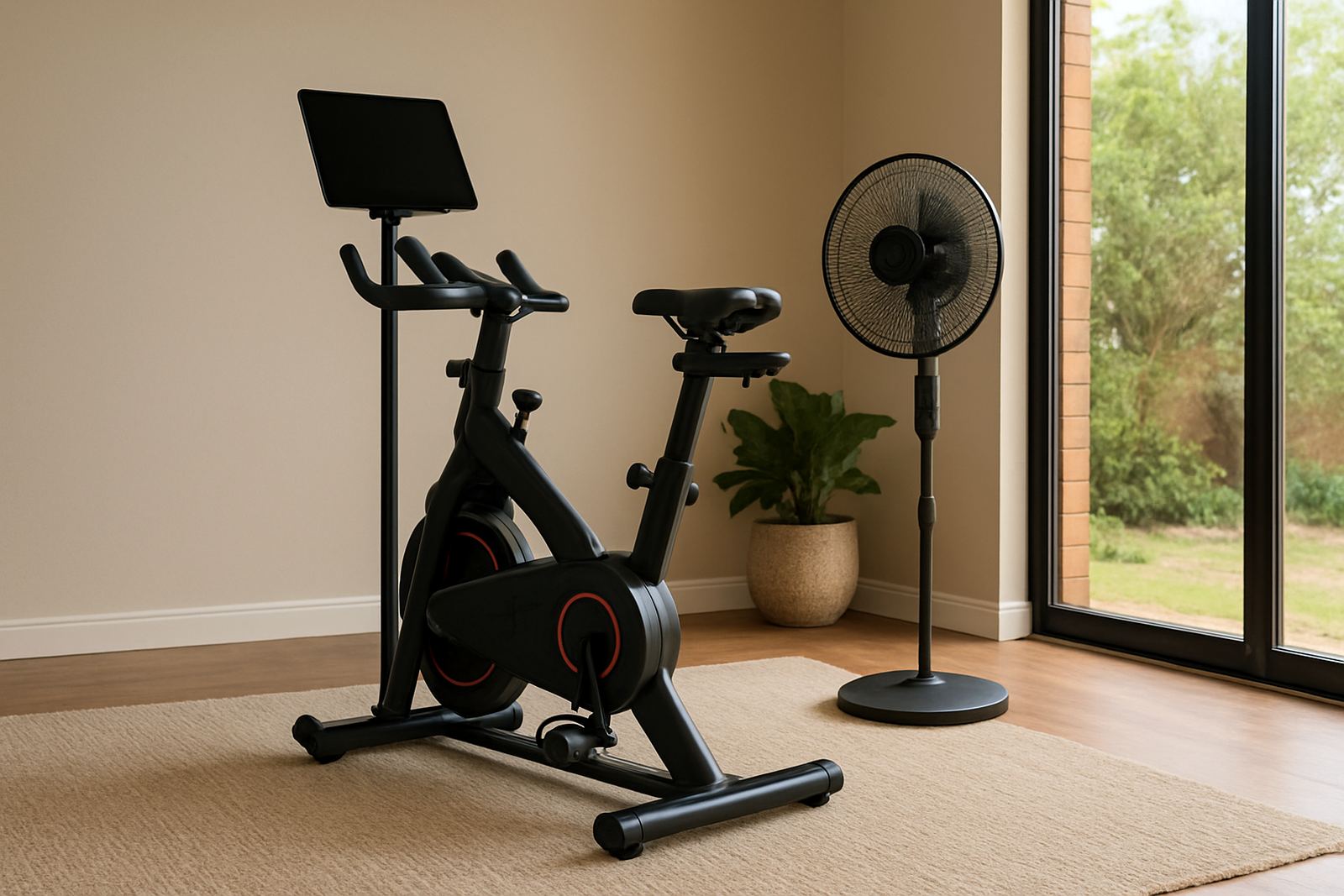
- Factor in load-shedding if you rely on a treadmill, bike or connected tracker.
- Set a goal that still works when your week gets busy.
Use the right type of goal for the result you want
Different goals need different measures. Weight loss, endurance and strength are not the same thing, so do not judge them the same way. A person trying to lose body fat may track waist measurements, weekly weigh-ins and step counts. Someone building strength may focus on reps, sets and how much resistance they can handle with good form.
At our Fourways base we often suggest keeping one outcome goal and one habit goal. The outcome goal is the result you want. The habit goal is the routine that gets you there. For example, the outcome might be “lose 4 kg in 10 weeks” while the habit goal is “complete four workouts a week and hit 8 000 steps on non-training days.”
- Weight loss: measure body weight, waist size and weekly consistency.
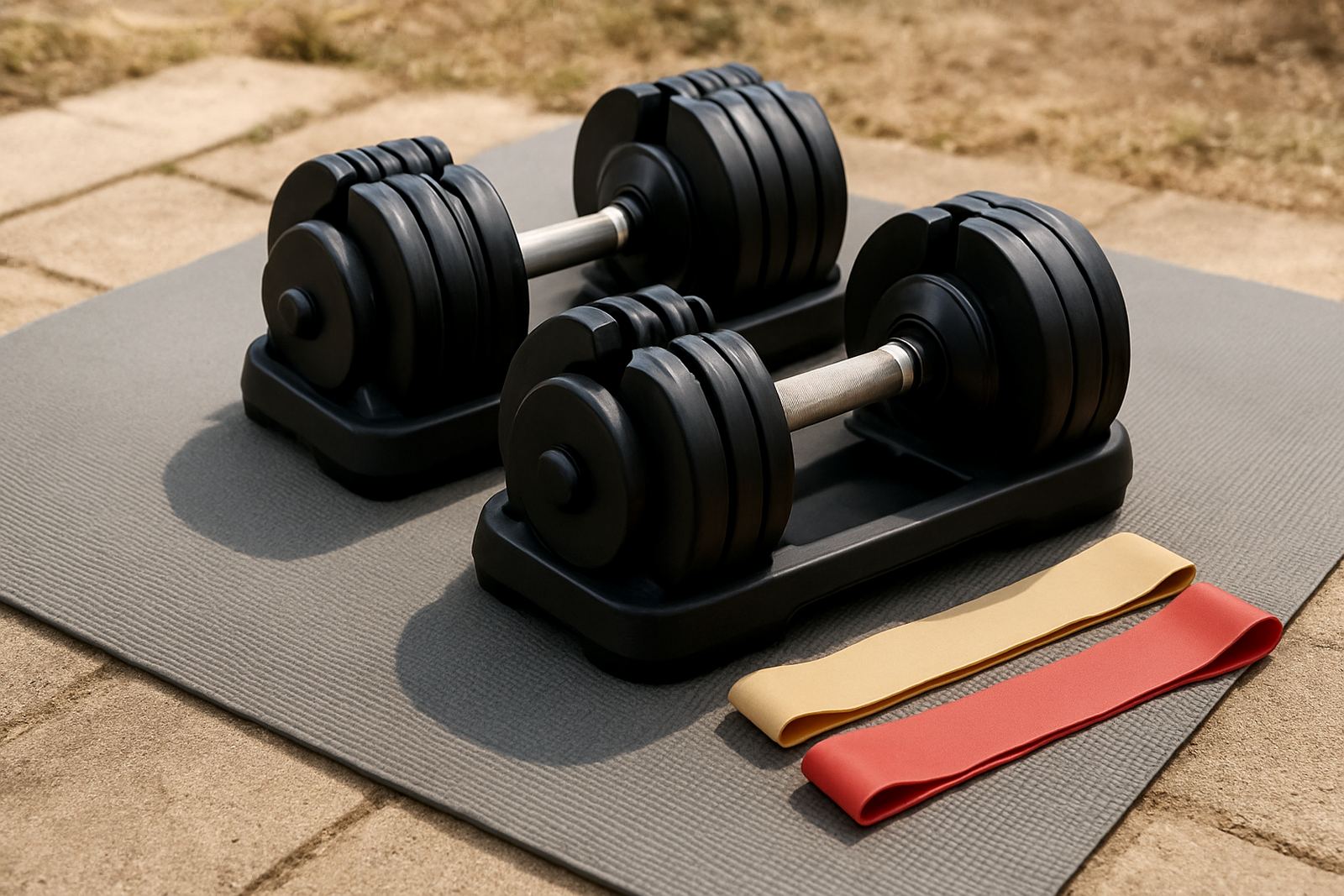
- Strength: measure reps, load, rest times and form.
- Cardio: measure distance, pace, heart rate or workout duration.
- Mobility: measure range of motion and how easily movements feel.
Set checkpoints so the plan stays useful
Goals are easier to keep when you review them often. A 12 week target should not be left untouched for three months. Check in every 7 to 14 days and look at the numbers, your energy and whether the routine still suits you. Small adjustments are normal and often necessary.
For example, if your plan says you should do a 25 minute cardio session but you are missing it because evenings are too full, move the session to early morning or shorten it to 18 minutes. That is not failure. It is sensible planning. A goal that survives real life is better than one that only looks good on paper.
- Review your progress at the same time each week.
- Write down what helped and what got in the way.
- Adjust one thing at a time so you can see what works.
Make the goal easier to keep with simple habits
Motivation comes and goes. Habits do the heavy lifting. If your goal depends only on enthusiasm, it will feel hard to maintain. Build the goal around habits you can repeat on ordinary days. Keep your equipment visible, your workout space ready, and your sessions short enough that you can still finish them after a long day.
In homes across Johannesburg, that may mean setting out trainers and a tracker the night before, keeping a mat near the lounge, or planning a 20 minute circuit while supper is cooking. The less friction there is, the more likely you are to keep going even when the weather is bad or the day runs late.
- Prepare your gear the night before.
- Use a fixed training time where possible.
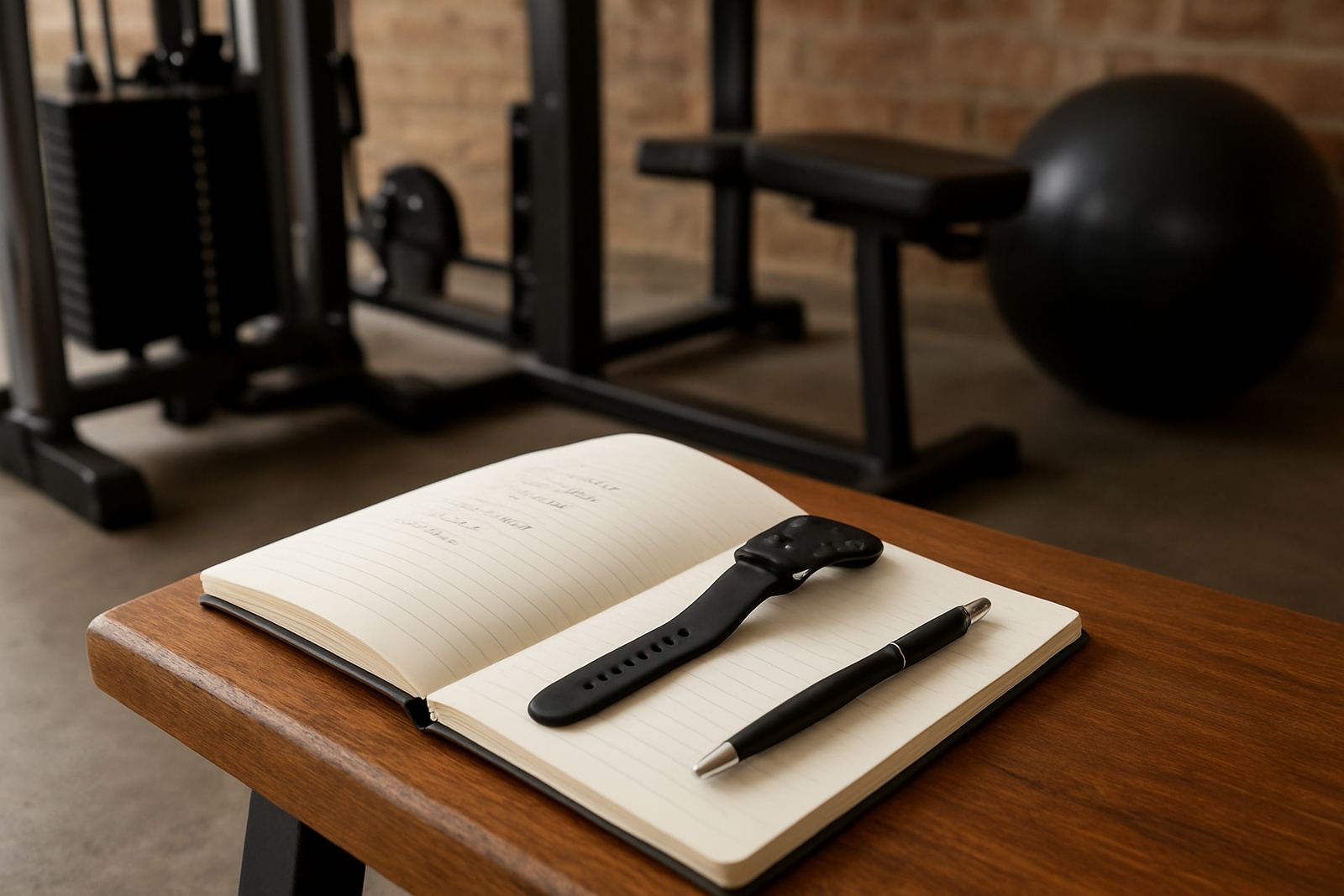
- Keep a simple workout log on paper or on your tracker.
A Fourways example: from vague wish to clear target
Take a working parent in Fourways who says, “I want to get healthier.” That sounds sensible, but it is not enough to guide training. A better version would be: “I want to improve my stamina so I can cycle for 30 minutes without stopping by the end of 10 weeks, while losing 3 cm off my waist.” Now the training can be planned properly.
That person might do two strength sessions, two cardio sessions and one mobility session each week. They could use a tracker to watch heart rate, steps and active minutes, then check progress every Saturday morning. If the family schedule changes, the plan can be adjusted without losing the main objective. That is the benefit of a smart goal: it gives you direction, not pressure.
- Keep the target specific enough to guide training choices.
- Use one or two measures only so the plan stays simple.
- Link the goal to a habit you can repeat week after week.