
Starting each round too fast
The biggest mistake in home HIIT is going out at full speed in the first 10 seconds. Many people treat every interval like a sprint test, then spend the rest of the workout hanging on for dear life. That usually pushes the heart rate too high too soon, and the later rounds turn into half effort.
A better approach is to start strong but controlled. If the interval is 30 seconds, aim for a pace you can repeat for all 6 to 10 rounds without crashing. You should finish each round tired, but not needing a full minute to recover every time. If your breathing is completely out of control before the workout is half done, the pace is too high.
Using exercises that are too complex for fatigue work
HIIT is not the best time to learn a new movement pattern. When people choose very technical exercises, form breaks down quickly and the risk of strain goes up. This is one of the most common home training issues we see, especially when someone copies a social media routine without adjusting it for their own level.
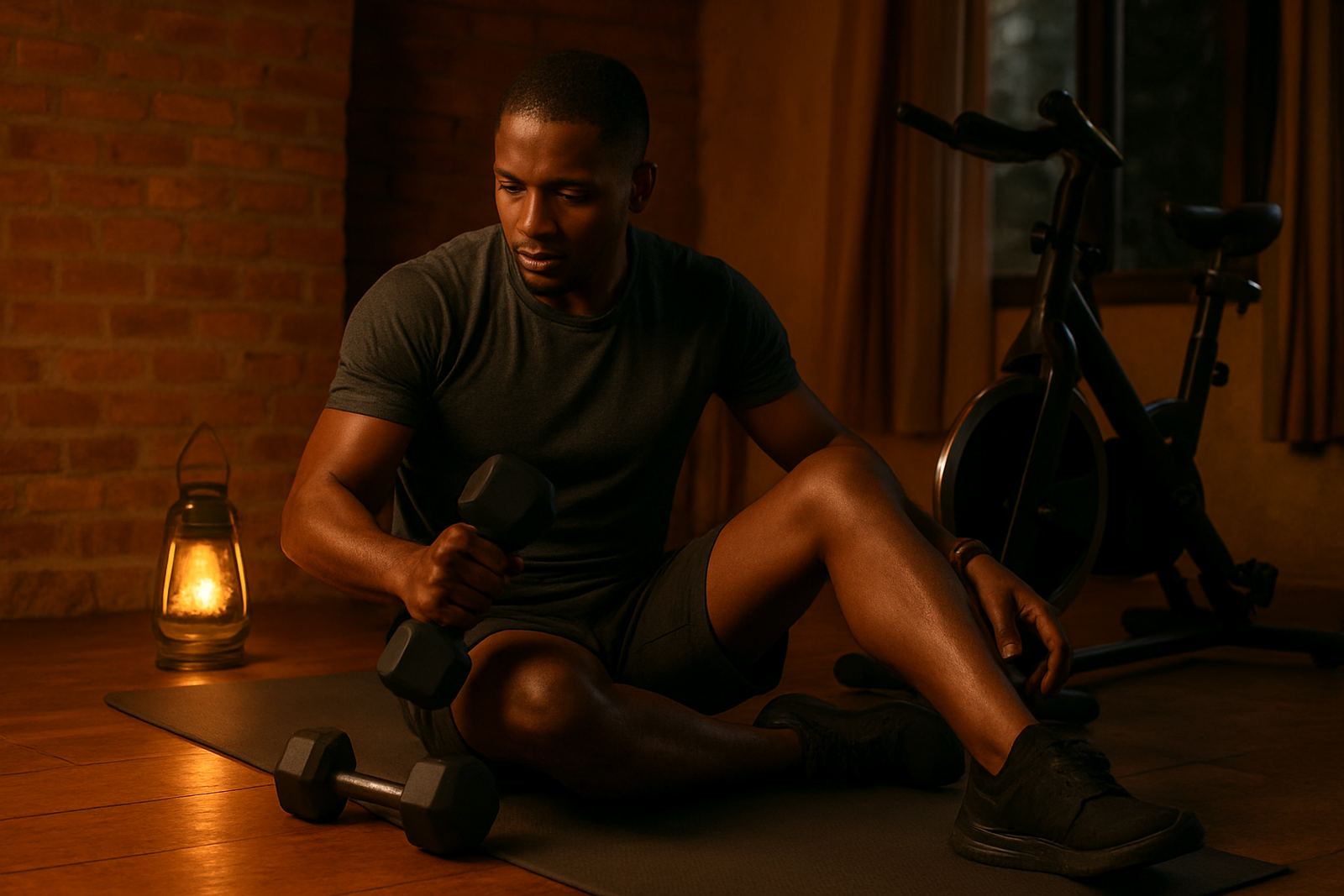
Stick to movements you can repeat well when your breathing is heavy. Good home HIIT options include squats, step backs, mountain climbers, low impact jacks, push ups on a bench or wall, and brisk step ups. In a small Fourways apartment, for example, a person can get a very solid session from four simple moves and a timer, even if space is limited.
- Choose 4 to 6 movements you already know
- Keep the movement quality the same from round one to the last round
- Use low impact versions if your knees, ankles or lower back get sore
- Save skill based drills for another session
Skipping warm up and then wondering why the body feels flat
Home HIIT often gets rushed because people only have 20 or 30 minutes before work, school runs or a load-shedding window. But jumping straight into intervals with cold muscles usually makes the workout feel harder than it should. Joints feel stiff, the first round burns too early, and the body may need extra time to settle into rhythm.
A short warm up makes a big difference. Five to eight minutes is usually enough. Use marching, arm circles, hip openers, bodyweight squats and light movement that matches the main session. If you train early in winter in Johannesburg, this matters even more because a cold room and tight muscles can make the first rounds feel awkward.
Letting rest periods become too long
Rest is part of HIIT, but too much rest turns the workout into stop-start exercise with little training benefit. Some people pause long enough to check messages, top up water, reply to a text and lose all momentum. By the time they restart, the heart rate has dropped so much that the session feels disconnected.
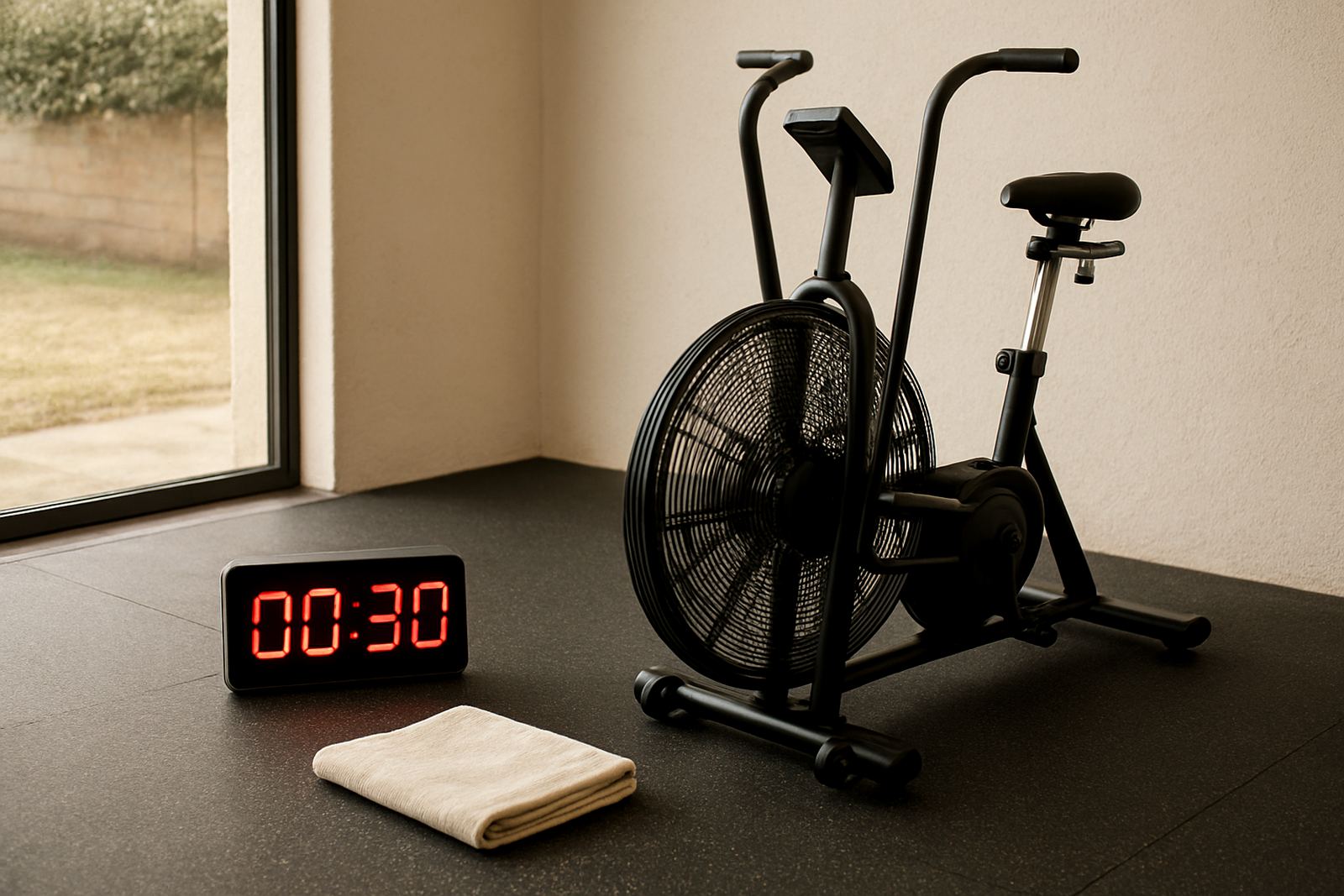
Set the work and rest periods before you begin. A simple structure like 30 seconds on and 20 seconds off, or 40 seconds on and 30 seconds off, keeps the effort honest. If you need longer rest just to complete the set, the exercise may be too hard or the total number of rounds too high. Consistency matters more than heroics.
- Use a timer with clear alerts
- Keep water nearby before you start
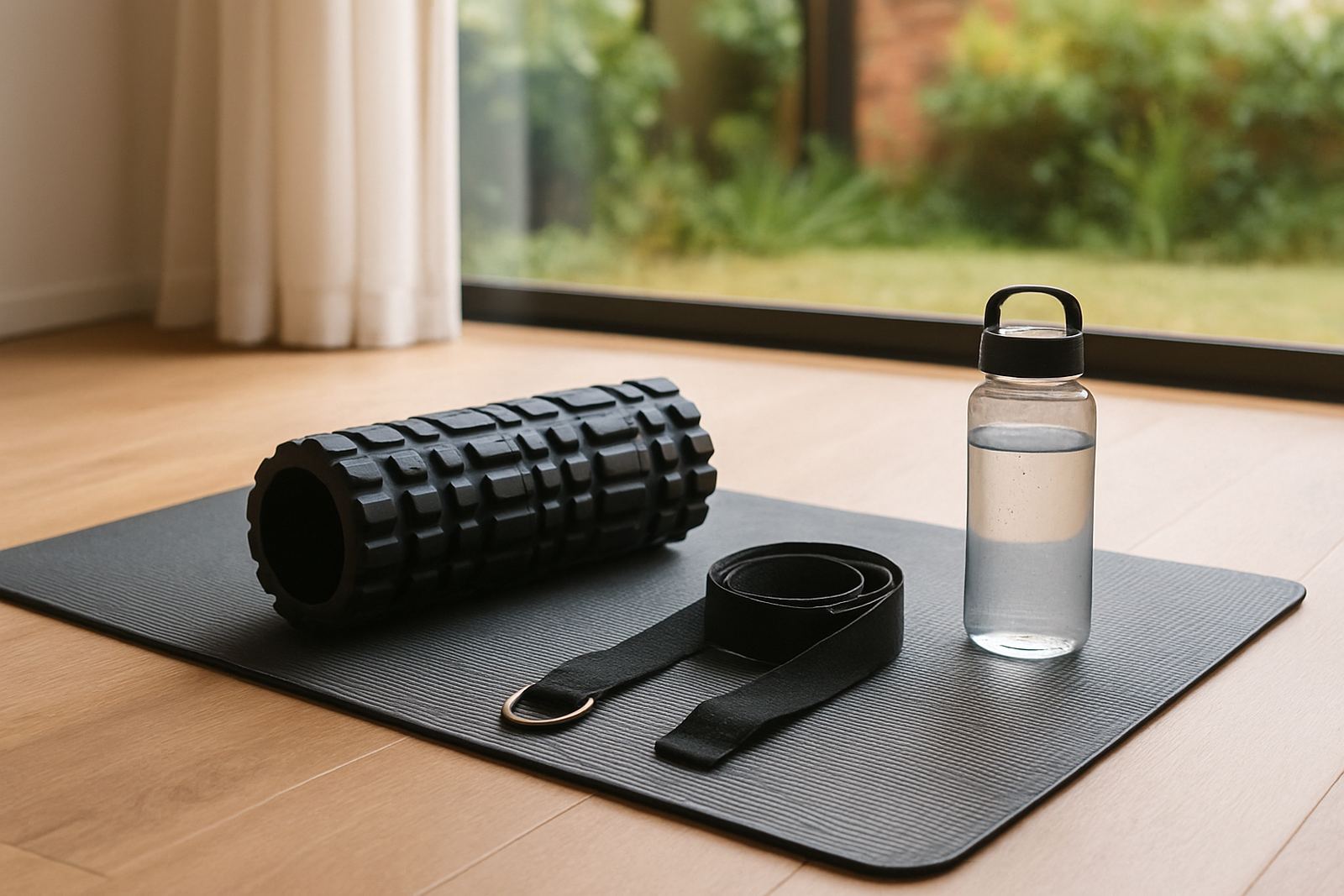
- Plan your playlist, towel and mat in advance
- Do not add extra rest after every round unless you have a clear training reason
Ignoring space, flooring and noise at home
Home training has its own practical limits. A slippery tile floor, a low ceiling, or neighbours below you can change the best exercise choice very quickly. In places like Randburg or Pretoria East, where many homes and flats have mixed floor surfaces, people often discover that jumping intervals are simply not worth the noise or impact.
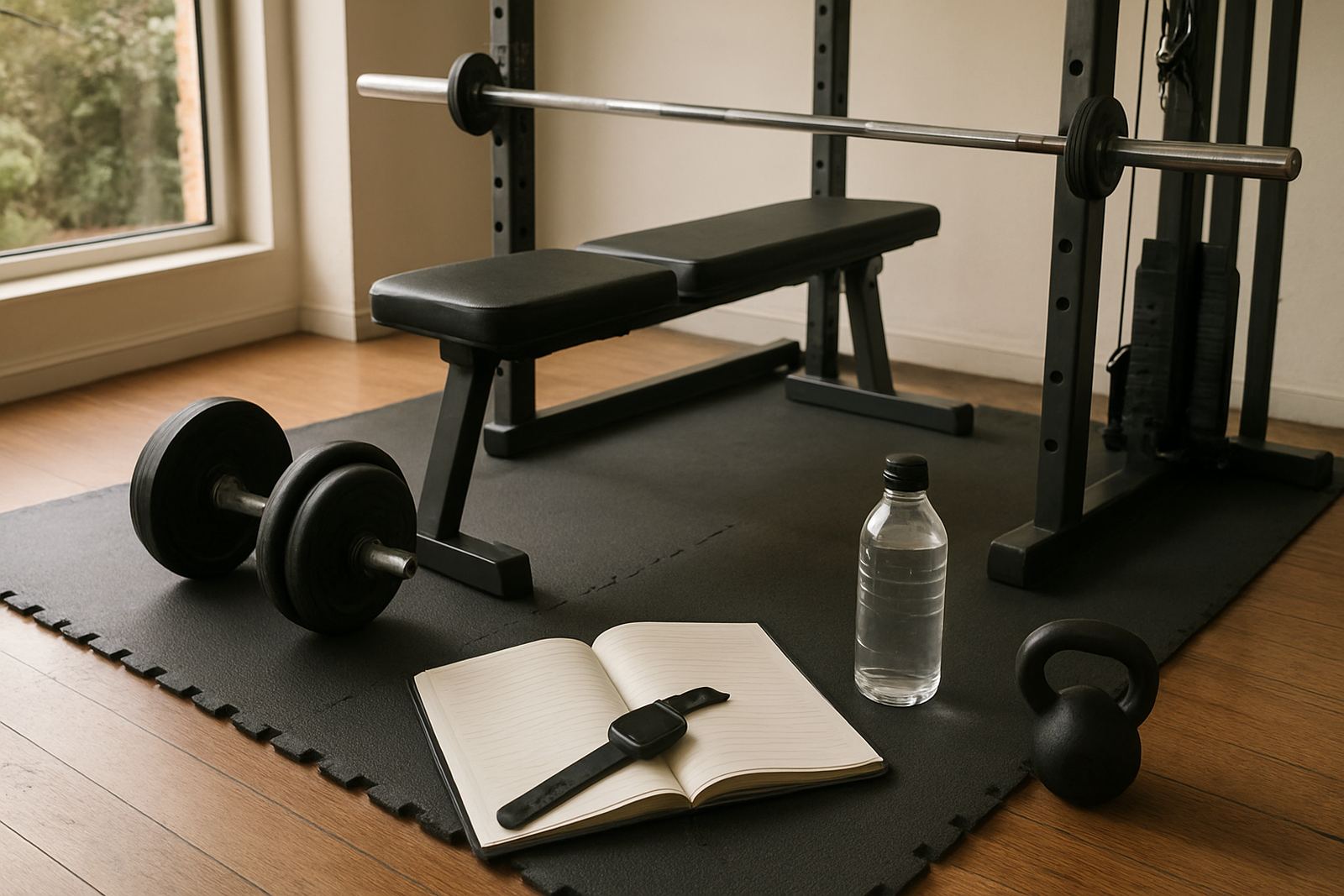
If you are dealing with shared living spaces, choose quieter variations. Fast marches, low step ups, squat pulses, shadow boxing and controlled knee drives can still give you a hard session. If the floor is hard, use a mat that gives enough grip. If you sweat heavily, wipe the surface before and after training so it stays safe. Small practical details like this keep the routine going without trouble.
Doing HIIT every day and expecting faster results
Another common mistake is using HIIT too often. It feels productive, so people repeat it daily, then wonder why fatigue builds and motivation drops. HIIT taxes the body quite hard. Recovery matters if you want to improve fitness, support fat loss and keep training without niggly injuries.
For many home trainers, 2 to 4 HIIT sessions a week is enough. The other days can include walking, mobility work, strength sessions or a family fitness plan. That balance helps the body recover properly and keeps your energy steadier. If your legs feel heavy every morning, sleep is poor, or your resting pulse seems higher than normal, you may be doing too much. It is better to finish a session feeling challenged than flattened.
Not matching the session to your actual goal
Not every HIIT workout should look the same. A person training for general fitness needs a different setup from someone focusing on weight loss, strength endurance or mobility. When the session is mismatched, effort goes into the wrong place and results are slower than expected.
If your main goal is fat loss, keep the sessions repeatable and combine them with sensible meal habits. If your goal is strength, include bodyweight moves that demand control, not just speed. If you are getting back into exercise after time off, a starter programme should feel manageable enough to repeat the next week. That is where good planning matters, whether you live in Sandton, Midrand or Roodepoort. The best HIIT is the one you can keep doing and improve over time.