
Start with a goal you can measure each week
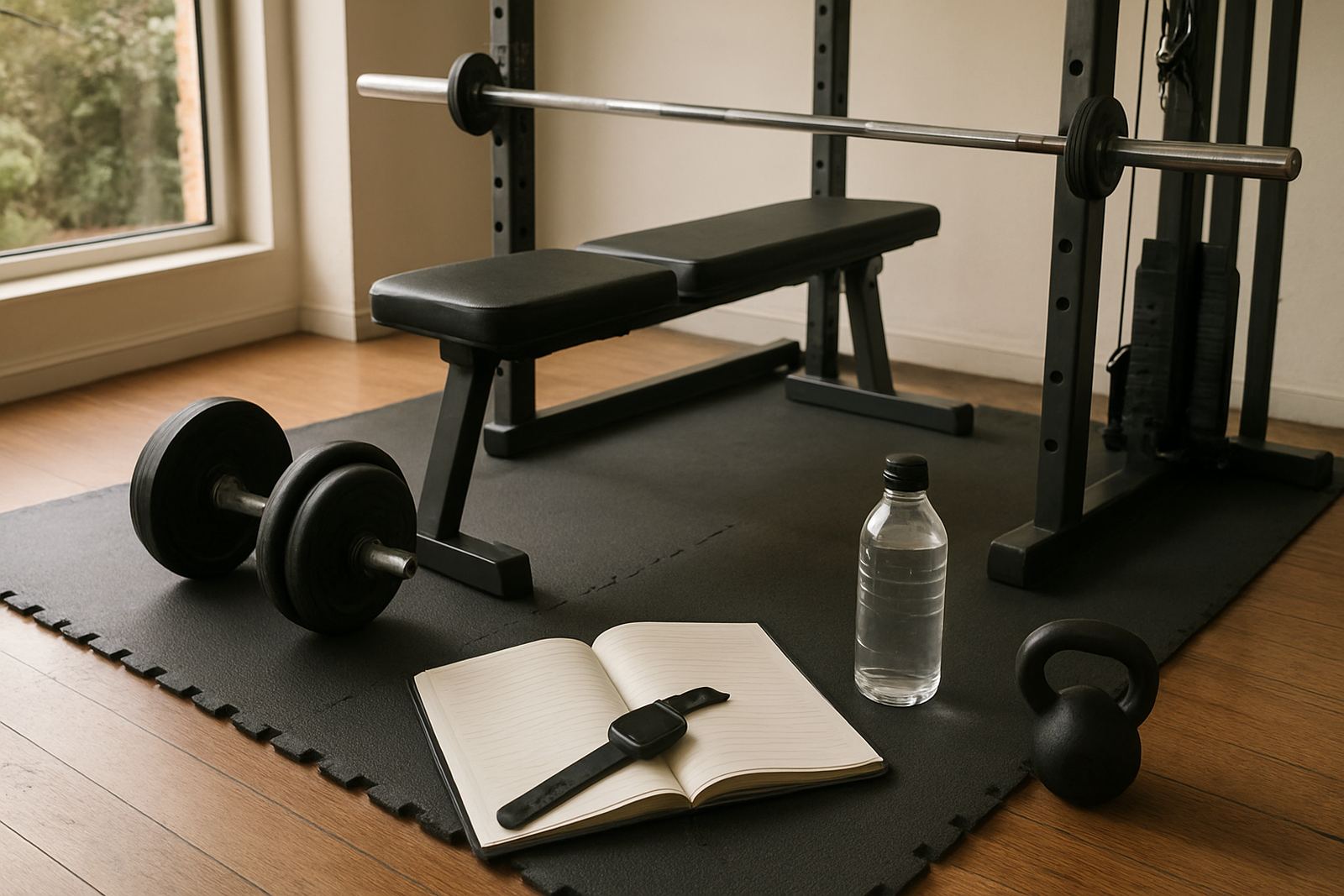
Motivation fades fastest when your training target is vague. Instead of saying you want to get fitter, set a number you can track, such as 8 000 steps a day, three strength sessions a week, or a 2 km walk in under 18 minutes. A smart tracker helps you see progress in black and white, which matters when the mirror changes slowly.
Keep the goal practical for home life. If you are training before the school run in Sandton or after traffic from Midrand, choose a target you can hit even on busy days. It is better to complete a 20 minute session consistently than to plan an hour and miss it twice a week.
- Pick one main goal for the month
- Write it somewhere visible near your gear
- Track one or two numbers only, such as steps, sets or time
- Review every Sunday and adjust if needed
Build a home routine that fits load-shedding and real life
Home training works best when the routine is tied to your day, not your mood. If your area in Randburg has repeated outages, keep a bodyweight session ready for low light hours, or plan cardio for the times you know the power is on. A simple mat, resistance tools and a tracker are enough for many sessions, no matter the weather or the monthly schedule.
Set a start time you can defend. For example, 06:15 before work, or 19:00 after supper. Once the time is fixed, the habit becomes less negotiable. Even if you only manage 15 minutes, the habit stays alive and that matters more than perfection, especially when school pickups, meetings and municipal water cuts get in the way.
- Use the same time slot on training days
- Keep equipment in one easy-to-reach spot
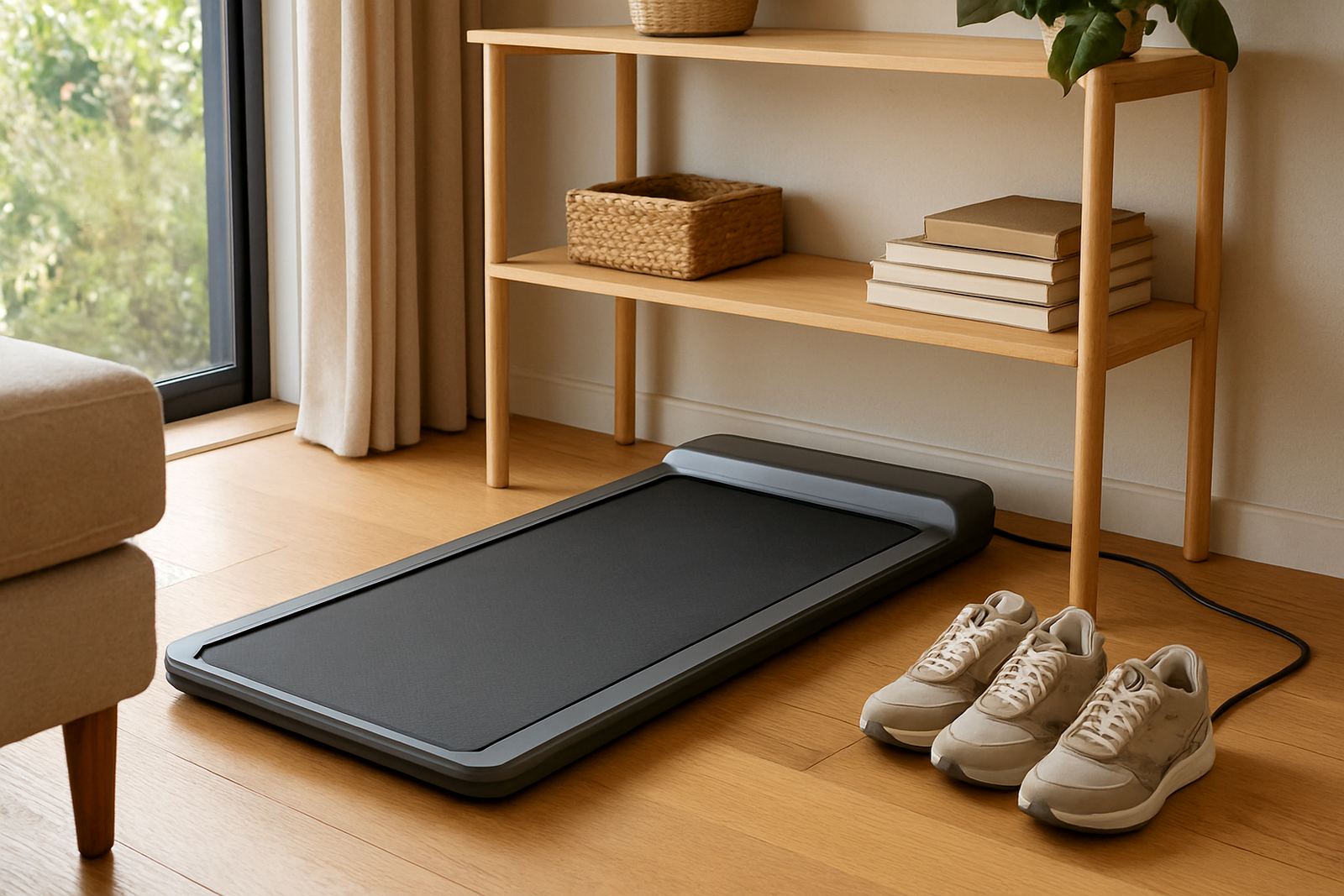
- Prepare water bottle, towel and shoes the night before
- Have an indoor backup for rain or outages
Use your tracker as a coach, not just a screen
A fitness tracker is useful when it tells you something specific. Watch your daily steps, active minutes, heart rate during cardio and sleep duration. If your energy drops every Thursday, the data may show that you are not recovering well enough after a harder Wednesday session. That is useful information, not a failure.
For many people in Johannesburg, the biggest challenge is not lack of effort but inconsistency. A tracker can show that a short walk in Fourways at lunch still counts, even if the full gym session did not happen. Over time, these small checks help you keep your rhythm. Christo from our sales team often reminds customers that progress should be visible before it feels visible.
- Check three numbers only, so the data stays useful
- Look for weekly patterns, not one bad day
- Use reminders for movement breaks during office hours
- Compare your current month with the last one
Make your space easy to train in
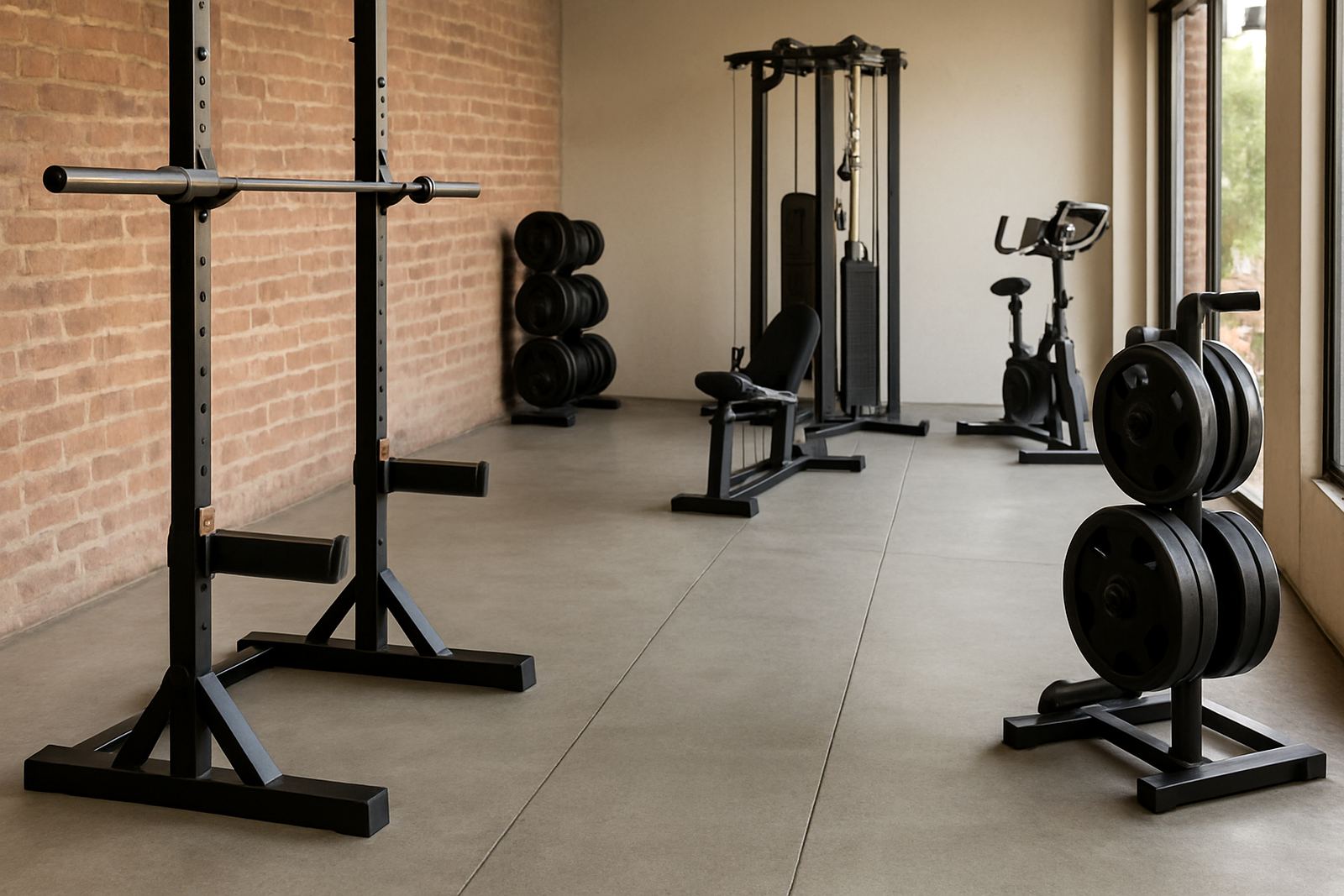
When your home setup is tidy and ready, training starts faster. Clear a corner for your mat, keep your weights or bands together and make sure the floor is safe and level. In apartments or cluster homes, noise matters too, so choose equipment that suits your space and your neighbours. A small room can still support strength work, mobility and low-impact cardio if it is organised well.
In coastal humidity areas like Durban and parts of the South Coast, wipe metal surfaces after use to reduce rust. In the dry Highveld, dust builds up quickly on mats and handles, so clean them often. These details keep equipment usable for longer and reduce those small frustrations that make people skip sessions. One loose plate or tangled cable can put you off for days if you let it.
- Store equipment in one labelled area
- Keep a cloth and spray nearby for quick cleaning
- Use a mat to protect floors and reduce noise
- Check bolts, straps and grips once a week
Use coaching structure even when you train alone
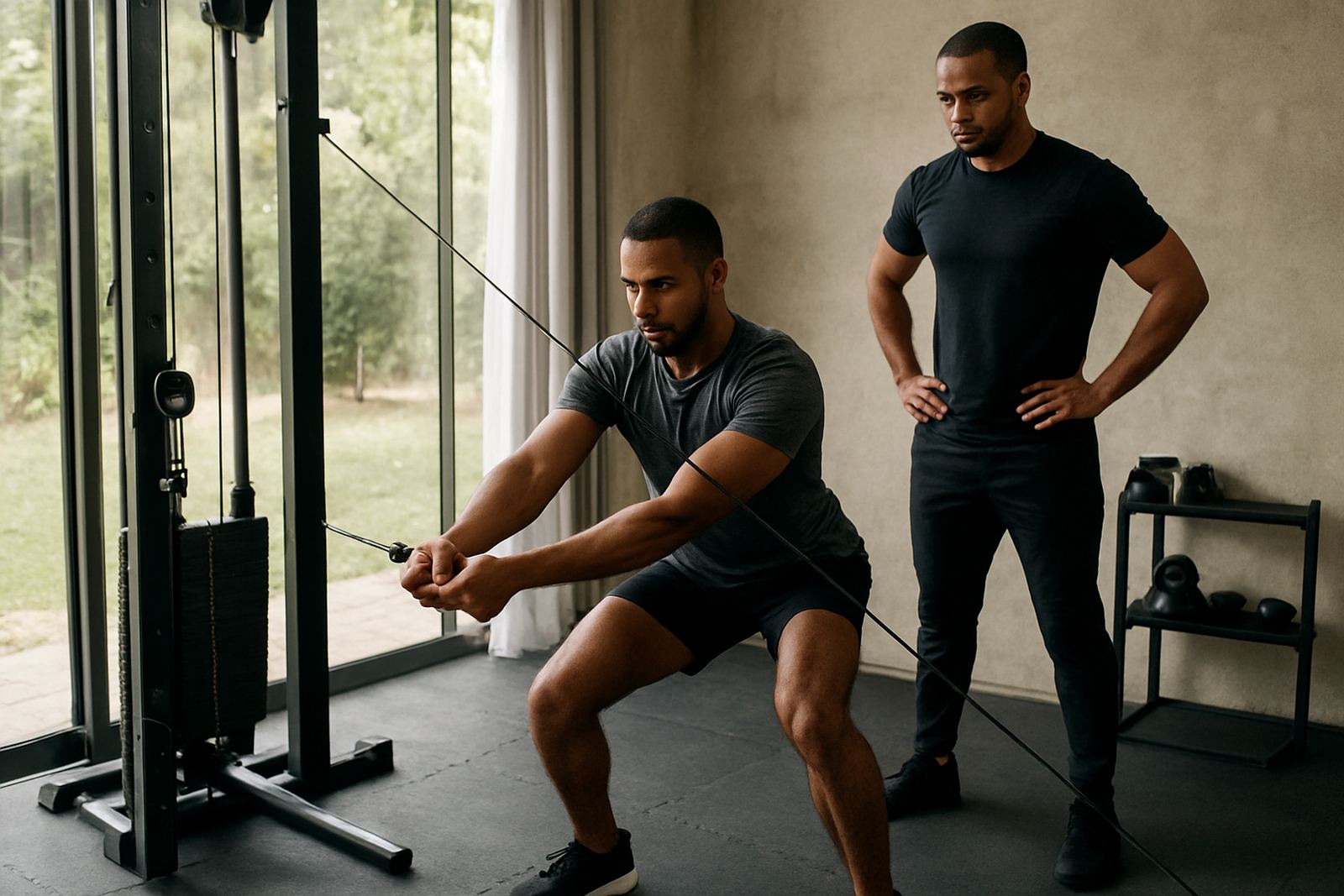
Many people lose motivation because they train without a plan. A Starter Programme, Strength Programme, Cardio Programme or Weight Loss Coaching plan gives the week shape. If you are not sure where to begin, start with three days a week and one goal per session, such as squat practice, a brisk walk or mobility work for the hips and shoulders.
Virtual Check Ins can also keep you accountable when you train at home. A short review with someone who understands your progress helps you avoid drifting. For families in Pretoria East or Roodepoort, Family Fitness Plans can make the sessions feel less isolated because everyone has a role, even if one person is doing steps while another is working on core strength.
- Choose a programme that matches your current fitness level
- Set one weekly review point
- Share your target with someone in the household
- Adjust the load when recovery feels poor
Keep your momentum through small wins and local support
Motivation is easier to keep when you notice small wins quickly. Better sleep, fewer skipped sessions, stronger legs on the stairs and a steadier mood all count. Write those wins down. If you only look at scale weight you may miss the progress that keeps people training for the long term.
Support also matters. In Fourways, Midrand and surrounding areas, many households juggle school runs, office hours and fitness goals at the same time. Having a clear equipment plan, setup help and guidance on how to use your tracker can save time. That is the kind of support that keeps a home routine going when life gets busy and the weather turns or the power cuts out.
FitSmart offers nationwide delivery from Fourways, Johannesburg, with practical support for home training setups, tracker setup help and home gym planning. If you need help choosing the right starting point, send a message through our contact form and build a routine that fits your actual week, not an ideal one.